Gnana Saraswati Temple Basar: History, Darshan Timings & Guide
Receive daily temple updates, divine darshan, and morning bhajans directly on WhatsApp.
Contents
- 1 Introduction & Spiritual Essence
- 2 Historical Origins & Scriptural Legend
- 3 Architectural Marvels
- 4 Darshan & Ritual Logistics
- 5 Practical Visitor Guidance
- 6 Pilgrimage Connectivity
- 7 Frequently Asked Questions (FAQ)
- 7.1 1. What is the significance of the name “Basar”?
- 7.2 2. Is there a VIP Darshan entry available?
- 7.3 3. When is the best time to perform Akshara Abhyasam? While the ritual can be performed daily, Vasantha Panchami is considered the most auspicious day. If visiting on a regular day, Tuesdays and Fridays are ideal. 4. Are there accommodation facilities near the temple?
- 7.4 5. Is non-vegetarian food allowed in Basar?
Introduction & Spiritual Essence
Perched on the serene banks of the Godavari River in Basar, Telangana, the Gnana Saraswati Temple stands as a beacon of wisdom and spiritual awakening. It is one of only two prominent Saraswati temples in India, the other being in Kashmir. The primary deity here is Goddess Saraswati, the Devi of knowledge, music, and the arts.
The presiding deity is known as Gnana Saraswati (Goddess of Wisdom). Unlike many traditional temples, the idol here is not an ancient artifact carved in stone but is a powerful Swayambhu (self-manifested) murti, radiating immense energy. The sanctum is unique as it houses the divine trinity: Saraswati, Lakshmi, and Kali, symbolizing the unity of wisdom, wealth, and power.
Phalaśruti: Why Visit?
Devotees visit this temple primarily for Akshara Abhyasam, the initiation of education for children before they begin formal schooling. It is believed that performing this ritual here ensures a lifetime of intellectual clarity and academic success. Furthermore, the temple is a potent site for cleansing ancestral karma and seeking relief from planetary afflictions, particularly those related to Mercury (Budha) and Jupiter (Guru).
Historical Origins & Scriptural Legend
The history of Gnana Saraswati Temple is a tapestry of scriptural mythology and recorded royal patronage.
Scriptural Legend
According to the Sthala Purana, the great sage Maharishi Vyas and his disciple, sage Viswamitra, sought a peaceful abode after the Kurukshetra War. They arrived at this spot on the banks of the Godavari and were captivated by the tranquility of the region. Maharishi Vyas performed intense tapasya (meditation) here. The place was initially named “Vasara,” which later evolved into “Basar” under the influence of the local Marathi language. Tradition holds that the Goddess manifested herself to bless the sages with divine knowledge.
📖 Related: Gokarna Mahabaleshwara Temple: History, Timings & Pilgrimage Guide
Architectural History
While the spiritual origins are ancient, the current temple structure is historically attributed to Bijialudu, a Karnataka king who ruled the region of Nandagiri in the 6th century CE. He constructed the initial temple on the banks of the Godavari. Over the centuries, the temple has undergone renovations, with the current structure maintaining the traditional South Indian architectural style while expanding facilities for modern pilgrims.
Architectural Marvels
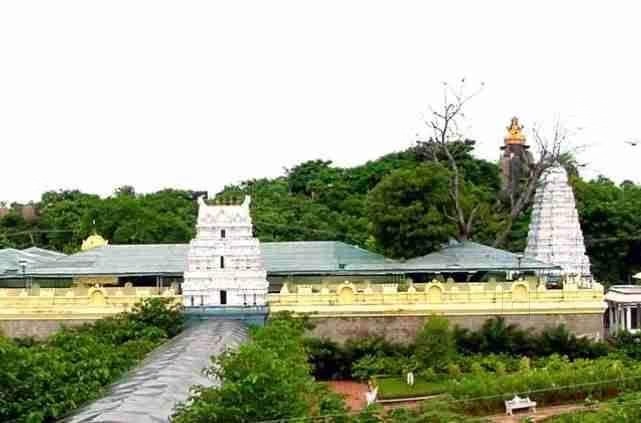
The temple is a classic example of the South Indian Dravida style of architecture, blending spiritual aesthetics with Vastu Shastra principles.
Shikhara and Mandapas
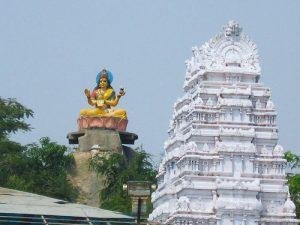
The temple features a tiered gopuram (gateway tower) typical of Telugu architecture. The sanctum sanctorum (Garbhagriha) is surrounded by a spacious Mandapa (hall) adorned with pillars depicting stories from the Puranas. The roof structure is designed to channel cosmic energies, aligning with the Vastu grid.
The Divine Trinity
The main deity is flanked by Mahakali and Mahalakshmi. Interestingly, a separate shrine for Mahakali is located on the first floor (first floor level), a distinct feature that emphasizes the fierce protective aspect of the Goddess. On a nearby hillock, accessible via steps, stands another idol of Goddess Saraswati carved into a large rock.
Darshan & Ritual Logistics
The temple follows strict Vedic protocols. The day begins early with the Suprabhatam and ends late with the Pallaki Seva.
Daily Timings (2026)
| Session | Time | Activity |
|---|---|---|
| Morning | 4:00 AM – 5:00 AM | Abhishekam & Alankarana |
| Morning | 5:00 AM – 6:00 AM | Sarva Darshan |
| Morning | 6:00 AM – 12:00 PM | General Darshan |
| Afternoon | 12:00 PM – 4:00 PM | Temple Break (Midday) |
| Evening | 4:00 PM – 8:30 PM | General Darshan |
| Night | 8:30 PM – 9:00 PM | Ekantha Seva (Closing) |
📖 Related: Kandariya Mahadeva Temple: History, Timings & Complete Guide
Key Sevas & Online Booking
- Akshara Abhyasam: The primary ritual for children starting education. Pooja materials are provided by the temple trust.
- Guru Purnima Pooja: Performed on the full moon day of Ashadha.
- Special Abhishekam: Performed on Tuesday and Friday mornings.
Booking: Devotees can book sevas via the official website of the Sri Gnana Saraswati Temple Basar or through the Telangana Tourism portal. It is advisable to book at least 3 days in advance for weekend visits.
2026 Festival Calendar
- Vasantha Panchami (Feb 2, 2026): Major festival for Saraswati Puja. Akshara Abhyasam is performed on a massive scale.
- Maha Shivaratri (Feb 26, 2026): The temple celebrates with special rituals lasting 15 days prior to the festival.
- Navarathrulu (Oct 2026): Celebrated for 10 days during Dasara with special Alankarams for the Goddess.
- Guru Purnima (July 13, 2026): Significant rush due to the religious importance of the date.
Practical Visitor Guidance
Rules & Regulations
- Dress Code: Traditional attire is mandatory. Men should wear dhotis or pants with shirts; women should wear sarees or salwar kameez. Western wear is strictly prohibited.
- Photography: Strictly prohibited inside the sanctum sanctorum and the main temple hall.
- Mobile Lockers: Free locker facilities are available at the entrance for electronic devices and leather items, as these are not allowed inside the inner sanctum.
- Accessibility: The temple has ramps for wheelchair access to the main mandapa, but the inner sanctum involves a few steps.
Crowd Management
The temple sees high footfall, especially during weekends and festivals.
- Best Hours: Tuesday and Friday afternoons (1:00 PM – 3:00 PM) are usually less crowded. Avoid weekends and full moon days if possible.
- Seasonal Advice: Summers (April–May) in Basar can be harsh; temperatures often cross 40°C. Carry ample water and wear a head covering. The Godavari bank gets hot during the day, so visiting the riverside early in the morning or late evening is recommended.
Pilgrimage Connectivity
How to Reach
Basar is well-connected by road and rail, located approximately 205 km from Hyderabad.
- By Air: The nearest airport is Rajiv Gandhi International Airport (HYD) in Hyderabad (approx. 4-5 hours drive).
- By Train: The nearest railway station is Dharmabad (10 km). Alternatively, Nizamabad Junction (35 km) is a larger station with better connectivity. Taxis and buses are available from both stations.
- By Road: Basar is on the Hyderabad-Nanded Highway (NH 61. APSRTC runs frequent buses from Hyderabad (Miyapur) and Nizamabad.
📖 Related: Brihadisvara Temple, Thanjavur: History, Darshan Timings & Complete Pilgrimage Guide
Nearby Sacred Sites
- Kuntala Waterfalls (60 km): The highest waterfall in Telangana, located near Adilabad. A scenic spot often combined with the temple visit.
- Maha Laxmi Temple (Basar): Located just a few meters away on the same ghat, dedicated to Goddess Lakshmi.
- Godavari Ghat: The temple is situated right on the banks. A holy dip in the Godavari here is considered equivalent to a dip in the Kumbh Mela during auspicious times.
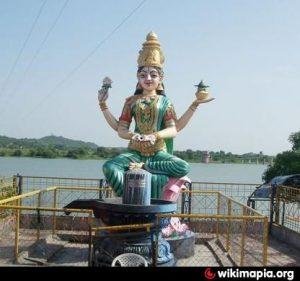
243-statue-of-goddess-near-gnana-saraswati-temple
sri-gnana-saraswathi-devasthanam-basar-adilabad-temples-xaxvkym
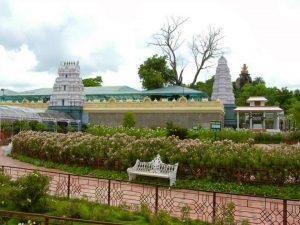
925824208s, Gnana Saraswati Temple, Nirmal, Telangana
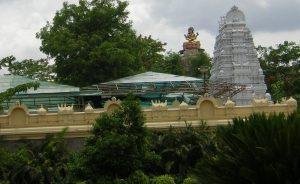
861648478Basara_Temple_Main, Gnana Saraswati Temple, Nirmal, Telangana
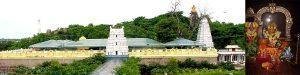
gnana-saraswati-temple-basara-banner
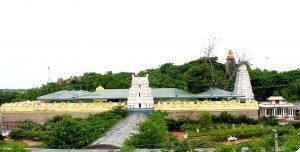
Basar Temple, Gnana Saraswati Temple, Nirmal, Telangana
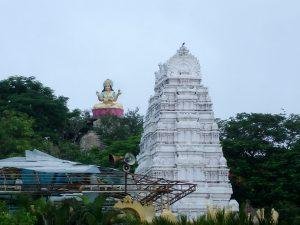
Basar_Temple_view_02, Gnana Saraswati Temple, Nirmal, Telangana
Basara-Gnana-Saraswathi-Temple, Gnana Saraswati Temple, Nirmal, Telangana
Frequently Asked Questions (FAQ)
1. What is the significance of the name “Basar”?
Basar is derived from the Sanskrit word “Vasara,” meaning “abode.” It refers to the place where Maharishi Vyas stayed after the Kurukshetra war. Over time, due to regional dialect influences, it evolved into Basar.
2. Is there a VIP Darshan entry available?
Yes, the temple trust offers special darshan tickets for a nominal fee (usually ₹50 to ₹100) to bypass the general queue, particularly for senior citizens and families with small children. These can be purchased at the counter upon arrival or booked online.
3. When is the best time to perform Akshara Abhyasam?
While the ritual can be performed daily, Vasantha Panchami is considered the most auspicious day. If visiting on a regular day, Tuesdays and Fridays are ideal.
4. Are there accommodation facilities near the temple?
Yes, there are numerous guest houses and cottages run by the temple trust and private hotels in Basar town. It is recommended to book accommodation in advance during festivals. The TTD (Tirumala Tirupati Devasthanams) choultrys also offer budget stays.
5. Is non-vegetarian food allowed in Basar?
Basar is a strictly vegetarian religious site. Alcohol and non-vegetarian food are prohibited within the temple complex and the immediate town area. Several restaurants serve pure vegetarian Andhra meals and North Indian snacks.