Gyaneshwar Temple Varanasi: History, Darshan Timings & Guide
Receive daily temple updates, divine darshan, and morning bhajans directly on WhatsApp.
Contents
- 1 The Divine Wisdom of Kashi: A Pilgrimage Guide to Gyaneshwar Temple, Varanasi
The Divine Wisdom of Kashi: A Pilgrimage Guide to Gyaneshwar Temple, Varanasi
1. Introduction & Spiritual Essence
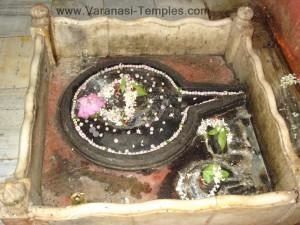
Nestled in the spiritual labyrinth of Kashi (Varanasi), the Gyaneshwar Temple stands as a testament to the eternal wisdom of Lord Shiva. This ancient shrine is home to the Gyaneshwar Ling, one of the most potent Shiva Lings mentioned in the sacred Kashi Khand of the Skanda Purana.
Unlike the grand, towering temples that dominate the skyline, Gyaneshwar Temple is situated underground, accessed by a flight of steps within the premises of the renowned Gyaneshwar Silk Factory. This unique placement symbolizes the descent into the inner self to uncover the light of knowledge (Jnana).
Phalaśruti: The Spiritual Benefit
According to Vedic scriptures, the power of the Gyaneshwar Ling is unparalleled. Tradition holds that Lord Shiva explained to Goddess Parvati that these fourteen specific Shiva Lingas in Kashi are equivalent to an invaluable treasure.
By worshipping Lord Shiva in the form of Gyaneshwar (The Lord of Wisdom), devotees are said to attain Moksha (liberation) and acquire ultimate knowledge. It is believed that merely reciting the name of the Gyaneshwar Ling purifies the mind and cleanses the ancestral karma of the devotee, bringing eternal happiness and spiritual clarity.
📖 Related: Vidar Narsimha Temple, Varanasi: History, Darshan Timings & Guide
2. Historical Origins & Scriptural Legend
The Gyaneshwar Temple is steeped in antiquity, with its origins rooted deeply in the scriptural traditions of Sanatana Dharma.
Scriptural References: The Kashi Khand
According to Kashi Khand, Chapter 73, Lord Shiva revealed the existence of fourteen powerful Shiva Lings to Goddess Parvati. These Lings were manifested by celestial beings, deities, and planets. Among them, the Gyaneshwar Ling holds a special place as the granter of divine knowledge.
Local Lore and Swayambhu Status
While specific dynastic construction records are often blurred in the mists of time that cover Varanasi, the Ling is widely regarded as a Swayambhu (self-manifested) deity. Oral traditions suggest that the temple structure was formed around the naturally existing Ling. The adjacent presence of the Gyaneshwar Silk Factory adds a unique historical layer, blending the spiritual heritage with the city’s centuries-old weaving traditions. The temple is maintained through local patronage and the collective faith of the residents of Lahori Tola.
3. Architectural Marvels
The architecture of the Gyaneshwar Temple is a humble yet profound example of the Nagara style of temple architecture, adapted to the unique topography of Varanasi’s riverbank.
Underground Sanctum (Patal Linga)
One of the distinct architectural features of this temple is its subterranean location. The shrine is situated below ground level, requiring devotees to descend a flight of stairs. This aligns with the Vastu Shastra concept of grounding oneself and seeking knowledge from the depths of existence.
Shikhara and Mandapas
The superstructure features a traditional Shikhara (tower) that rises above the ground, marking the location of the sanctum sanctorum below. The entrance leads to a compact Mandapa (hall) where devotees can gather before the Garbhagriha (inner sanctum).
Sculptural Details
The temple walls and entrance are adorned with motifs typical of Varanasi architecture, featuring floral patterns and depictions of Ganesha and Nandi. The Ling itself is smooth, polished stone, radiating a sense of ancient stillness and power. While not a UNESCO site, it is a vital part of the Varanasi temple circuit protected by local heritage conservation groups.
Photo Gallery
Gyaneshwar2-300×225, Gyaneshwar Temple, Varanasi
4. Darshan & Ritual Logistics
The rituals at Gyaneshwar Temple follow the traditional Shakta Agama, centered on the worship of the Shiva Linga. The atmosphere is meditative, allowing for a deeply personal darshan (sacred viewing).
📖 Related: Ark Vinayak Temple Varanasi: History, Darshan Timings & Guide
Daily Timings
As a local shrine, timings may vary slightly based on the season and priest availability. Below is the standard schedule for 2026.
| Session | Timings | Activity |
|---|---|---|
| Morning | 6:00 AM – 12:00 PM | Opening Ritual, Morning Aarti, General Darshan |
| Afternoon | 12:00 PM – 4:00 PM | Temple remains closed (cleaning/rest) |
| Evening | 4:00 PM – 9:00 PM | Evening Aarti, Shayan Darshan |
Sevas and Offerings
- Abhishekam: Ritual bathing of the Linga with milk, honey, and ghee (Best performed on Mondays).
- Archana: Recitation of names (Sankalp) – Often includes the 108 names of Shiva.
- Maha Aarti: Performed at 7:00 PM daily.
Online Seva Booking
Currently, the Gyaneshwar Temple operates primarily through local priest services. However, for devotees looking to book broader Kashi Vishwanath services or connect with the temple trust:
Check the Official Kashi Vishwanath Temple portal or the Kashi Hindu University heritage board listings for any updated digital services.
Festival Calendar for 2026
Specific major festivals are often celebrated with local fervor in Lahori Tola.
- Shivratri (Feb 26, 2026): The primary festival; special night-long Vigils and Bhajans.
- Kartik Purnima (Nov 5, 2026): Deep Daan (offering of lamps) ceremony.
- Maha Shivratri (Special): Although falling in Feb, the local community organizes a unique procession.
5. Practical Visitor Guidance
Visiting Gyaneshwar Temple requires navigating the narrow, bustling lanes of Varanasi. Preparation is key to a serene experience.
Dress Code & Etiquette
Modesty is essential. Visitors should wear traditional attire or clothing that covers shoulders and knees. Footwear must be removed before entering the stairwell leading to the temple.
Photography & Mobile Phones
Photography inside the sanctum is strictly prohibited to maintain the sanctity of the space. Mobile phones should be kept on silent. There are no dedicated locker facilities at this specific shrine; it is advisable to carry minimal valuables.
Accessibility
Warning: The underground location involves steep steps. This temple is not wheelchair accessible. Elderly devotees may require assistance.
Crowd Management
- Best Hours: Early morning (6:30 AM) or late evening (7:00 PM) offer the most peaceful darshan.
- Seasonal Advice: Varanasi summers (April-June) are intensely hot. Carry a water bottle and a handkerchief. Monsoon (July-Sept) can make the stone steps slippery; exercise caution.
📖 Related: Asha Vinayak Temple Varanasi: History, Darshan Timings & Guide
6. Pilgrimage Connectivity
How to Reach
The temple is located in the heart of the old city, making vehicular access difficult directly to the doorstep.
- Nearest Airport: Varanasi Lal Bahadur Shastri International Airport (VNS) – Approximately 25 km (45 mins to 1 hour drive to Dashashwamedh).
- Nearest Railway Station: Varanasi Junction (BSB) – Approximately 5 km. Auto-rickshaws are available to Dashashwamedh Ghat.
- From Dashashwamedh Ghat: Take a rickshaw to Dasaswamedh Vishwanath Gully. From there, the temple is a short walk through Lahori Tola. Ask locals for the Gyaneshwar Silk Factory entrance.
Nearby Sacred Sites (Pilgrimage Circuit)
Complete your spiritual journey by visiting these nearby shrines:
- Kashi Vishwanath Temple: Just 10 minutes walk away. The primary Jyotirlinga.
- Sankat Mochan Hanuman Temple: Located towards the southern part of the city (approx. 20 mins by auto).
- Manikarnika Ghat: Witness the cycle of life and death, a profound spiritual practice in Kashi.
7. Frequently Asked Questions (FAQs)
Is there a VIP Darshan entry at Gyaneshwar Temple?
Given its location and stature as a local community temple, there is no formal VIP ticket system. Darshan is generally free and open to all, though priority is given to elderly devotees during peak Aarti times.
What is the history behind the name Gyaneshwar?
The name derives from ‘Gyan’ (Knowledge) and ‘Ishwar’ (God). It signifies Lord Shiva as the ultimate source of all cosmic knowledge and wisdom.
Is there a specific time for Shivrati Abhishek?
Yes, on Mondays and during Shravan month, special Abhishek is performed in the early morning hours (5:30 AM – 6:30 AM). You must contact the local priest present at the temple to participate.
Where can I park my vehicle?
There is no parking available at the temple entrance due to the narrow lanes. Visitors must park near Dashashwamedh or Godaulia crossing and walk or take a cycle rickshaw.
Is the temple open year-round?
Yes, the temple remains open daily. It only closes for major maintenance or unexpected local observances (Announced by the Lahori Tola Mahasabha).