
Contents
Introduction & Spiritual Essence
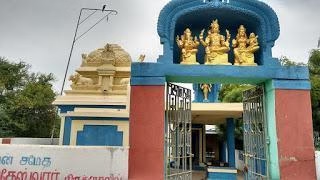
Nestled in the serene village of Chitrambakkam, the Ishta Siddhi Lingeswarar Temple stands as a beacon of divine grace in the Thiruvallur district of Tamil Nadu. Dedicated to Lord Shiva, here revered as Ishta Siddhi Lingeswarar, the temple is a sacred space where devotees seek the fulfillment of their deepest spiritual desires (Ishta). The presiding Goddess is Kamakshi Amman, the benevolent form of Parvati.
Phalaśruti (Spiritual Benefits): According to temple lore, performing sincere prayers here is believed to grant Mukti (liberation) and cleanse the Karma of ancestors. Devotees visit specifically to attain Siddhi—perfection in spiritual endeavors and the removal of obstacles in life paths. The Shiva Lingam is a Swayambhu (self-manifested) idol, making it a potent center of energy.
Historical Origins & Scriptural Legend
The Legend of Chitrambakkam
While specific inscriptions regarding the exact century of construction are not prominently etched on the temple walls today, local tradition holds that the temple dates back several centuries, maintained and renovated by local devotees and kings of the regional dynasties. The village of Chitrambakkam itself is steeped in history.
Scriptural legends associated with this Sthala (site) connect to the cosmic dance of Lord Nataraja. It is believed that this region was once a dense forest (Chitra meaning picture/art and Bakkam relating to the landscape) where sages performed intense penance to appease Lord Shiva. The name “Ishta Siddhi” signifies that the Lord here grants the boons wished for by his true devotees. According to local elders, the temple was restored to its current glory to preserve these ancient vibrations.
Architectural Marvels
The Ishta Siddhi Lingeswarar Temple follows the classic Dravidian Architecture, characterized by its pyramidal towers (Vimana) and enclosed courtyards.
- The Sanctum (Garbhagriha): The inner sanctum houses the main deity, Ishta Siddhi Lingeswarar, a modest yet powerful Shiva Lingam. The atmosphere here is dimly lit and intensely meditative.
- Outer Mandapas: The temple features pillared halls (Mandapas) that facilitate circumambulation (Pradakshina). The pillars display intricate carvings depicting scenes from Hindu mythology, though the recent renovation has preserved the structural integrity while restoring the stonework.
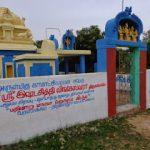
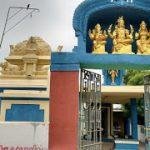
- Gopuram: The temple entrance features a modest Gopuram (gateway tower) typical of village temples in Tamil Nadu, adorned with minimal yet distinct sculptural details.
- Mother Goddess Shrine: A separate shrine within the complex is dedicated to Goddess Kamakshi Amman, facing south, adhering to traditional Vastu Shastra principles.
Darshan & Ritual Logistics
The temple is managed by local trustees and the Hindu Religious and Charitable Endowments (HR&CE) department of Tamil Nadu. It serves as a daily worship center for the villagers of Chitrambakkam and visiting pilgrims.
Daily Darshan Timings (2026 Schedule)
| Period | Timing |
|---|---|
| Morning Darshan | 06:00 AM – 12:00 PM |
| Afternoon Closure | 12:00 PM – 04:00 PM |
| Evening Darshan | 04:00 PM – 08:00 PM |
| Note: Timings may vary during festivals. | Check local notices. |
Seva Details & Online Booking
Devotees can perform specific Sevas to seek blessings. While the temple is a local shrine, arrangements for Sevas are made directly at the temple counter or through local community groups.
- Abhishekam: Performed during morning hours with milk, honey, and sandalwood paste.
- Archana: Individual or family archana can be performed for wellness.
- Online Seva Booking: As of 2026, the temple is integrated with the HRCE Tamil Nadu online portal for standard Sevas. However, due to the local nature of this temple, it is advisable to check the official Tamil Nadu HR&CE website or contact the temple trust directly for specific online slots.
Major Festivals in 2026
- Arudra Darshanam: (Dec/Jan) – Celebrates the cosmic dance of Lord Shiva.
- Maha Shivaratri: (Feb 26, 2026) – The most significant night of worship; the temple remains open all night.
- Pradosham: (Bi-monthly) – Tuesdays and Fridays are considered highly auspicious for darshan.
Practical Visitor Guidance
Dress Code: Visitors are required to wear traditional attire. Men should wear Dhotis or trousers with shirts (no shorts). Women should wear Sarees, Salwar Kameez, or traditional full-length dresses.
Photography: Photography is strictly prohibited inside the inner sanctum (Garbhagriha). General photography of the temple complex may be allowed in the outer courtyards, but seek permission from the caretaker first.
Crowd Management: The temple can get crowded during Pradosham and Maha Shivaratri. The best time for a peaceful darshan is weekday mornings. During the summer months (April–June), it is advisable to carry a water bottle and wear light cotton clothes, as the granite flooring can become hot.
Accessibility: The temple is on ground level and accessible for those with mild mobility issues, though wheelchair access might be challenging due to the traditional step-up entrance.
Pilgrimage Connectivity
How to Reach
- By Air: The nearest airport is Chennai International Airport (MAA), approximately 55 km away.
- By Rail: The nearest railway station is Manavur (approx. 6 km). However, Thiruvallur railway station (19 km) offers better connectivity for express trains.
- By Road: The temple is located at Chitrambakkam village, easily accessible from Perambakkam. It is situated close to the State Highway connecting Thiruvallur and Chennai.
Nearby Sacred Sites (Pilgrimage Circuit)
Extend your spiritual journey by visiting these nearby temples:
- Thiruvalangadu Vadaranyeswarar Temple: (11 km) A major Shiva temple known for its massive Nandi statue and metal alloy icons.
- Thiruvallur Veeraraghava Swamy Temple: (19 km) A prominent Vishnu temple dedicated to the healer of the sick.
- Sri Kalyana Venkateswara Swamy Temple (Sunguvarchatram): (25 km) A significant Vaishnavite shrine.
Photo Gallery
Frequently Asked Questions (FAQ)
1. What is the history behind the name “Ishta Siddhi”?
“Ishta” refers to a desired object or wish, and “Siddhi” refers to attainment or accomplishment. The temple is named Ishta Siddhi Lingeswarar because devotees believe that praying here helps fulfill their righteous desires and spiritual aspirations.
2. Is there a VIP darshan entry available?
As a local temple, there is no formal VIP entry system like in large commercial temples. However, donors or those performing large Sevas (like Abhishekam) are often given priority access by the temple priests upon request.
3. Are there accommodation facilities near the temple?
Basic lodging is not available directly at Chitrambakkam. For accommodation, pilgrims are advised to stay in Thiruvallur (19 km) or Chennai (55 km), where numerous hotels and guest houses are available.
4. What is the best time of year to visit?
The ideal time to visit is between October and March, when the weather in Tamil Nadu is pleasant and cool, making travel and walking around the temple complex comfortable.
5. Can I offer Bilva leaves to the Lord?
Yes, Bilva (Vilvam) leaves are highly sacred to Lord Shiva. Devotees are encouraged to bring fresh Bilva leaves for Abhishekam or Archana. They are often available at stalls near the temple entrance.
Official Contact
For specific inquiries regarding Seva availability or temple timings:
Address:
Ishta Siddhi Lingeswarar Temple,
Chitrambakkam, Perambakkam (PO),
Thiruvallur District, Tamil Nadu.
Phone: Contact the local HR&CE office in Thiruvallur for the most current contact numbers, as direct landlines for smaller temples are subject to change.
Recent Posts

ओ सांवरे तूने ही मुझको संभाला – Lyrics & Meaning
ओ सांवरे तूने ही मुझको संभाला – A Prayer to Shyam Origin & Spiritual Essence Why This Bhajan Resonates Devotees chant this when overwhelmed by life’s storms—the refrain ‘तूने ही मुझको संभाला’ is the soul’s sigh of relief: “You…

कथा ये है महाराज मेरे की – Lyrics & Meaning
कथा ये है महाराज मेरे की छत्रपति संभाजी महाराज – A Prayer to Chhatrapati Sambhaji Maharaj Origin & Spiritual Essence Why This Bhajan Resonates Devotees chant this when their spirit feels tested—its powerful refrain “महाराज मेरे” is a soul’s…

Rigveda Samhita Yathartha Anuvada (ऋग्वेद संहिता यथार्थ अनुवाद) – Complete Set with Anvayartha & Hindi/English Translation
The Rigveda is the oldest surviving scripture of humanity and the foundational text of Sanātana Dharma. For serious students, scholars, UPSC aspirants studying ancient Indian history, Sanskrit learners, and spiritual seekers, a precise and grammatically structured translation is indispensable.…

आना भी अकेला है जाना भी अकेला है – Lyrics & Meaning | BharatTemples
आना भी अकेला है जाना भी अकेला है – A Prayer to the Divine Witness Origin & Spiritual Essence Why This Bhajan Resonates Devotees turn to this bhajan in moments of deep reflection—when life’s attachments begin to ache. The…

माता शेरावाली के द्वार जो भी जाता है – Lyrics & Meaning
माता शेरावाली के द्वार जो भी जाता है – A Prayer to Maa Sherawali Origin & Spiritual Essence Why This Bhajan Resonates Devotees turn to this bhajan in times of fear or uncertainty—its promise that no one leaves Maa’s…

मार लेना सपणी उबार लेणा भवरा – Lyrics & Meaning
मार लेना सपणी उबार लेणा भवरा – A Prayer to the Divine Beloved Origin & Spiritual Essence Why This Bhajan Resonates Devotees chant this in moments of deep vulnerability—its cry of “मार लेना सपणी, उबार लेणा भवरा” is the…

हमें श्याम सुंदर भरोसा तुम्हारा – Lyrics & Meaning
हमें श्याम सुंदर भरोसा तुम्हारा – A Prayer to Shyam Sundar Origin & Spiritual Essence Why This Bhajan Resonates Devotees chant this when feeling alone—its refrain ‘de do sahara’ is the soul’s cry for divine support. Lyrics in Hindi…

Mere Satguru Ne Di Thi Davai Lyrics in Hindi & Meaning
Mere Satguru Ne Di Thi Davai: Invoking the Guru’s Liberating Wisdom This soul-stirring bhajan venerates the Satguru (True Spiritual Master) as the divine physician who dispenses the only remedy for life’s deepest sufferings. Composed by Sant Karmaveer Tufani, it…

Janm Diyo Thari Maa Dukh Dekhiyo Lyrics in Hindi & Meaning
जन्म दियो थारी माँ दुख देखियो (Maa’s Grief Upon Birthing You) This soul-stirring Chetavani Bhajan (admonitory hymn) is addressed to the Divine Mother (Maa) – a call for repentance when children forget their filial duties in the dark age…
Bhadi Sabha Mein Thane Manaun Lyrics in Hindi & Meaning
Bhadi Sabha Mein Thane Manaun: Invoking the Spear-Wielding Mother Mata Bhawani (श्री ज्वाला भवानी), the fiery manifestation of Shakti worshipped as the Protector of Dharma in Her Dhaulagarh sanctum. Origin & Spiritual Essence Composed in Rajasthani folk tradition by…