
Contents
Introduction & Spiritual Essence
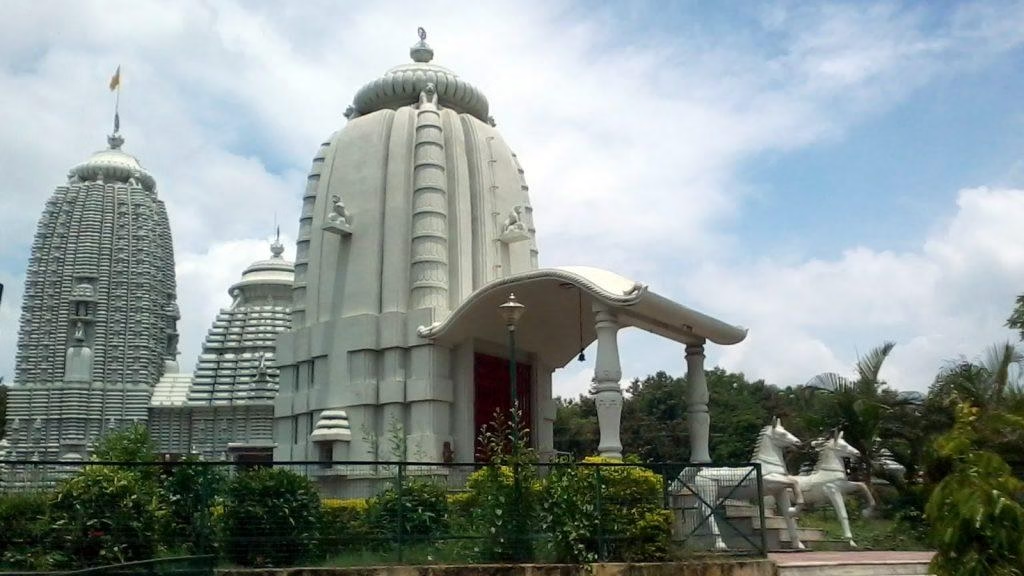
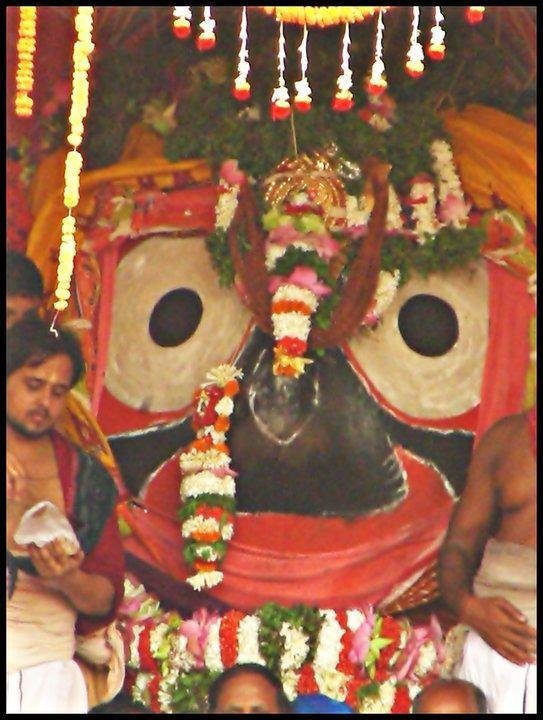
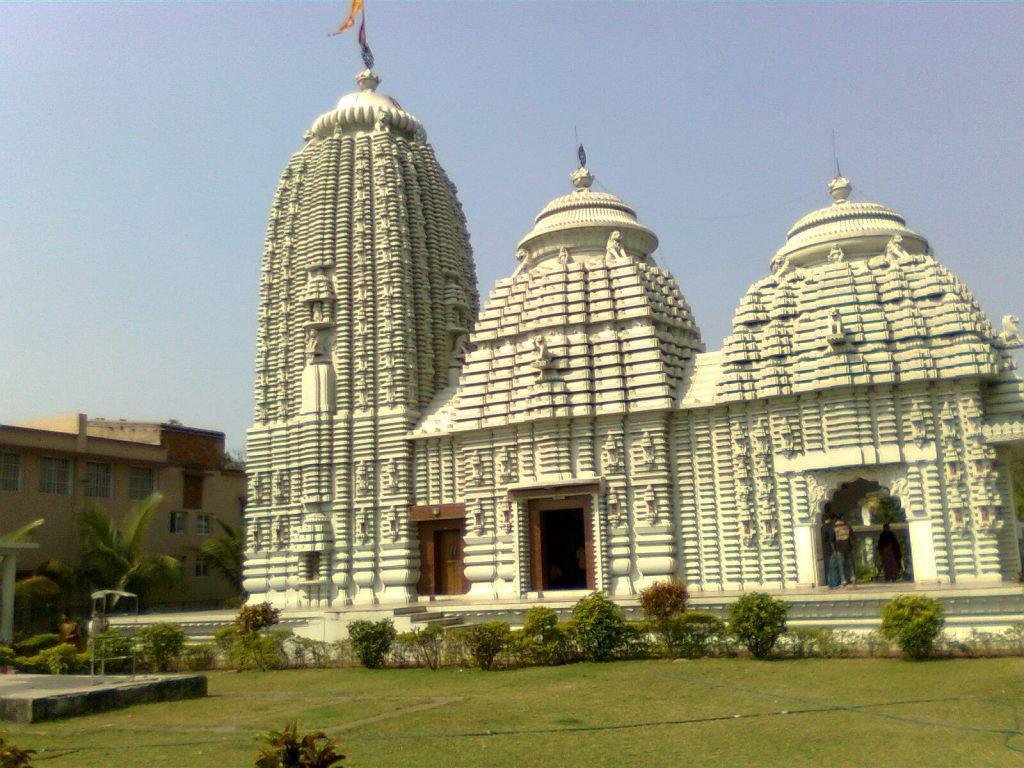
Nestled atop a serene hillock in the Tagore Hill region of Ranchi, the Jagannath Temple stands as a beacon of devotion, mirroring the sacred architecture of the renowned Puri temple in Odisha. Dedicated to Lord Jagannath (the Lord of the Universe)—a form of Lord Vishnu/Krishna—this temple is a spiritual oasis for the devotees of Jharkhand and beyond. The presiding deity is revered as Shrikshetra Jagannath, appearing in his traditional abstract form with large round eyes and a stately demeanor.
Phalaśruti (Spiritual Merit): Devotees believe that visiting this temple fulfills the Punarjanma desires—providing relief from the cycle of birth and rebirth. The temple is particularly renowned for granting peace to ancestral souls; performing Shraddha rituals here is considered highly auspicious. For the devotee, a glance at the Darshan of Lord Jagannath is believed to wash away sins and bestow Moksha (liberation).
Historical Origins & Scriptural Legend
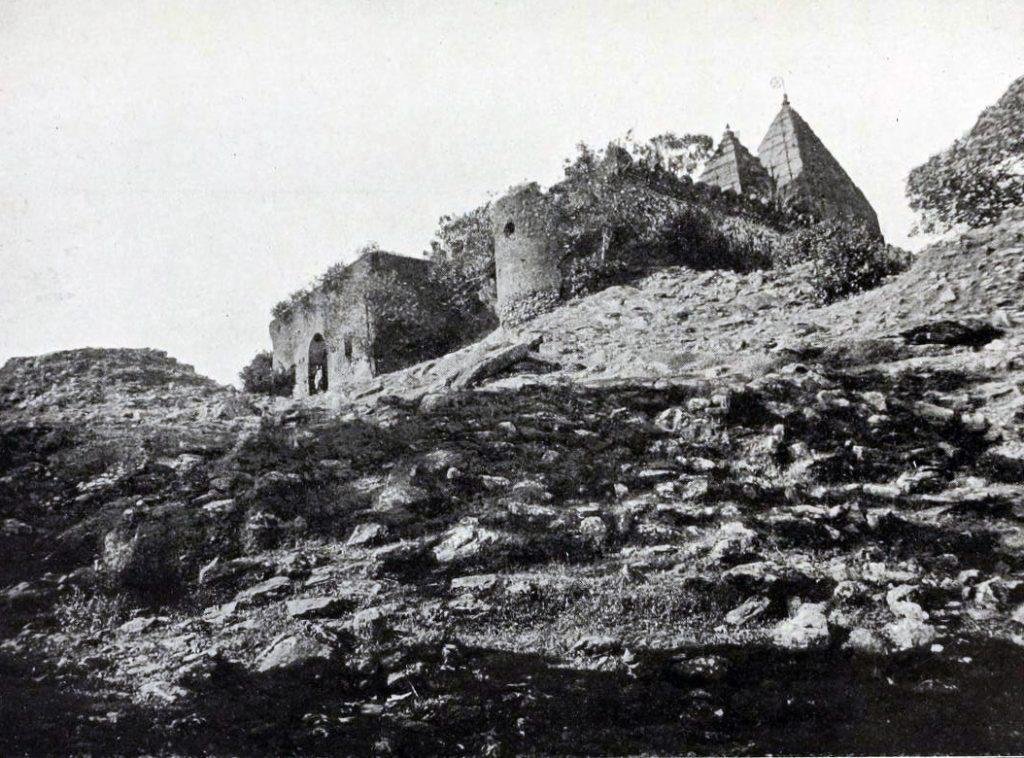
Construction and Patronage: According to temple records and local history, the temple was constructed in 1691 AD by Thakur Ani Nath Shahdeo, the king of Barkagarh Jagannathpur. The foundation was laid on the 25th of December 1691, marking a significant moment in the region’s spiritual history. The temple has stood the test of time, though it faced a devastating collapse on 6 August 1990 due to the limitations of its age. Recognizing its cultural importance, the Bihar government (Jharkhand was part of Bihar then) and a committee of devoted patrons initiated reconstruction on 8 February 1992. The temple was fully restored, preserving the sanctity of the original shrine.
Scriptural & Local Legend: While the Skanda Purana glorifies Lord Jagannath across India, the Sthala Purana of this site narrates how the king brought the essence of the Puri tradition to the Chota Nagpur plateau. Tradition holds that the site on the hillock was chosen for its geomantic energy, aligning with cosmic principles to house the divine trinity of Jagannath, Balabhadra, and Subhadra.
Architectural Marvels
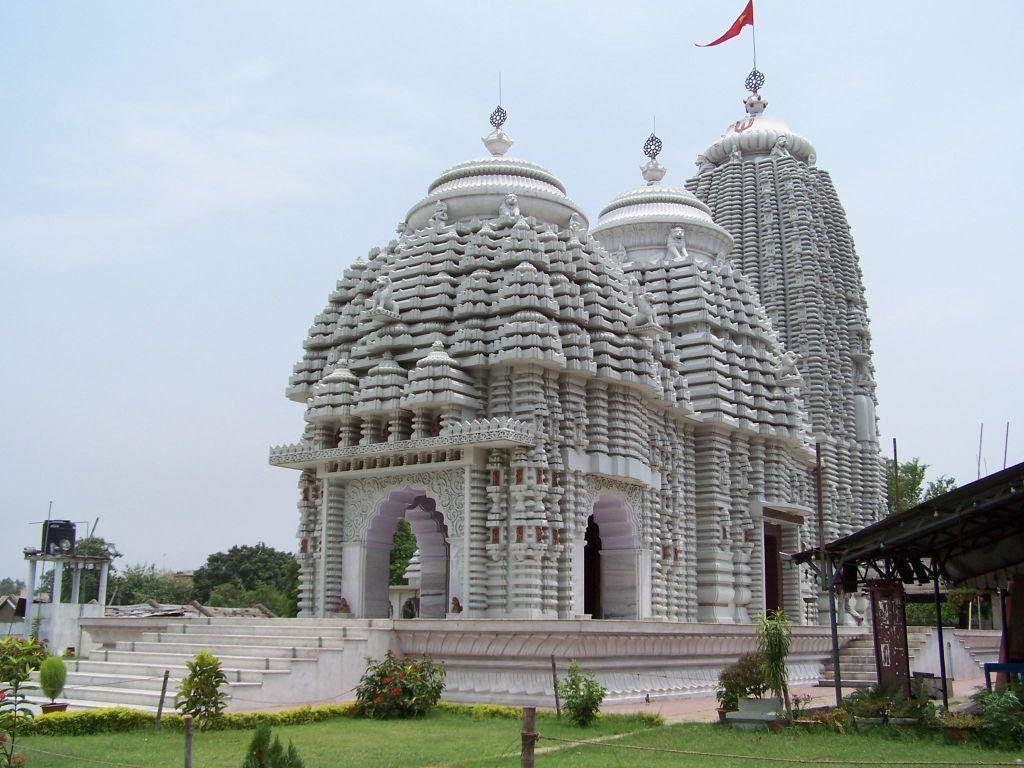
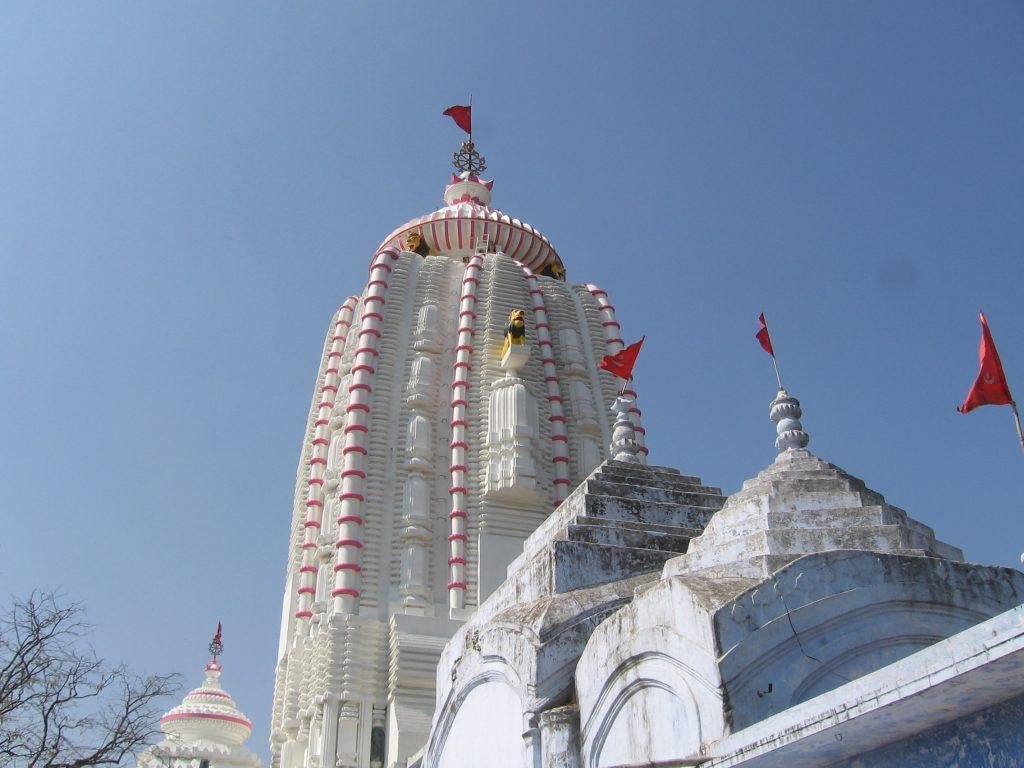
The Jagannath Temple in Ranchi is a masterpiece of Kalinga (Nagara) architectural style, identical to the temple in Puri. It is built using traditional lime mortar and brick, rather than modern cement, which gives the structure a distinct historical texture.
- The Shikhara (Spire): The temple features the towering rekha deul (curvilinear spire), which rises majestically against the sky. The spire is adorned with wheels and flags, reminiscent of the Sun Temple at Konark, symbolizing the chariot of the sun god.
- The Deul and Jagamohana: The sanctum (Garbhagriha) houses the idol of Lord Jagannath, flanked by his siblings. The front porch (Jagamohana) is pyramidal and intricately designed for congregational worship.
- Surroundings: Located on a hillock approximately 10 km from the city center (Firayalal Chowk), the temple complex offers panoramic views of Ranchi. Adjacent to the spiritual complex lies the War Cemetery, a solemn tribute to the undivided Indian army, representing the region’s historical confluence of valour and divinity.
Darshan & Ritual Logistics
Visiting the Jagannath Temple requires an appreciation for the daily rituals that keep the deity alive. Note: As specific timings can vary by season and local festival schedules, the following is based on standard temple administration protocols for 2026.
Daily Darshan Timings
| Session | Time Slot | Activity |
|---|---|---|
| Morning | 06:00 AM – 12:00 PM | Mangala Alati, Abhishekam, Morning Darshan |
| Afternoon | 12:00 PM – 02:00 PM | Break for Deity Rest (Temple Closed) |
| Evening | 04:00 PM – 08:30 PM | Sandhya Alati, Bhoga Offering, Evening Darshan |
Key Sevas (Services) & Online Booking
Devotees can participate in specific sevas to deepen their connection with the Lord. While on-site bookings are available, the temple administration encourages using the official online portal for 2026.
- Abhishekam (Ritual Bathing): Performed in the early morning with milk, honey, and water. Significance: Purification of the soul.
- Archana (Chanting): A 15-minute session where the priest chants the 108 names of Lord Jagannath.
- Anna Daan (Food Donation): Contributing to the free kitchen service (Mahaprasad).
How to Book: Visit the official Jagannath Temple Ranchi administration website or the Jharkhand Temple Trust portal. Select the date, seva type, and pay via UPI/Net Banking. Carry the confirmation email/ID for entry.
2026 Major Festival Calendar
- Rath Yatra (Chariot Festival): 27th June 2026 (Friday). This is the most significant event at the temple, featuring the grand procession of Lord Jagannath on a massive chariot.
- Snana Yatra: 15th June 2026. The bathing ceremony of the deities prior to the Rath Yatra.
- Nabakalebar: To be confirmed by Temple Purohitas (Auspicious years for idol replacement).
- Janmashtami: 14th August 2026. Celebrated with night-long vigils and special midnight aarti.
Practical Visitor Guidance
To ensure a smooth pilgrimage, please adhere to the following guidelines:
- Dress Code: Traditional attire is mandatory. Men must wear Dhoti or trousers (no shorts). Women must wear Saree, Salwar Kameez, or full-length skirts.
- Photography & Mobiles: Strictly prohibited inside the inner sanctum (Garbhagriha). Electronic devices must be left in designated lockers available at the entrance (nominal fee applies).
- Accessibility: The temple is located on a hillock. There is a motorable road up to the parking area, but stairs are required to enter the main temple hall. Wheelchair access is currently limited to the outer courtyard.
- Crowd Management:
- Best Hours: Visit between 7:00 AM and 9:00 AM on weekdays to avoid the morning rush. Tuesday and Saturday evenings are crowded due to special aartis.
- Seasonal Advice: Carry water and an umbrella during the peak summer months of May and June. The metal flooring can become hot.
Pilgrimage Connectivity
How to Reach: The temple is located 10 km from Ranchi city center.
- By Road: The temple is accessible via the Ranchi-Hazaribagh Road. You can hire a cab or auto-rickshaw from Firayalal Chowk. Pro Tip: Parking is available, but fills up quickly during festivals.
- By Train: Ranchi Junction (RNC) is the nearest major railway station (approx. 12 km/30 mins). It is well connected to Delhi, Kolkata, and Patna.
- By Air: Birsa Munda Airport (IXR) is the nearest airport (approx. 15 km). Taxis and app-based cabs are readily available outside the terminal.
Nearby Sacred Sites
- Tagore Hill: Located very close to the temple, this hill is associated with Rabindranath Tagore and offers a quiet spot for meditation.
- Sun Temple (Tribhuvan Nath Mahadev Temple): Located about 12 km away on the Khunti Road, this temple features a stunning Kathakali architecture style.
- Pahari Mandir (Birsa Munda Chowk): The oldest temple in Ranchi dedicated to Lord Shiva, situated on a hilltop in the city center.
Frequently Asked Questions (FAQ)
1. Is there a VIP Darshan entry available at Jagannath Temple Ranchi?
Yes, the temple administration offers a paid entry pass (often called a Mukti Darshan or Special Entry) for a nominal fee, usually between ₹50 and ₹100. This allows devotees to bypass the general queue, especially during peak hours. Tickets can be purchased at the counter near the entrance.
2. Can non-Hindus visit the Jagannath Temple?
Generally, the temple follows traditional norms where entry is permitted for Hindus of all sects and castes. Non-Hindu visitors are advised to check with the temple office prior to planning, as entry policies for non-Hindus can be subjective to the ongoing committee decisions.
‘Anavasara’ is the period when the deities take rest and recover from fever after the Snana Yatra (the bathing ceremony in June). During this time (usually 15 days), devotees cannot view the deities in the temple. The temple remains closed to the public for darshan during this specific period. For 2026, expect this around mid-June.
4. Is photography allowed inside the temple?
Photography is strictly prohibited inside the sanctum sanctorum and near the deity. However, photography is generally allowed in the outer courtyard and the temple complex (excluding the inner sanctum). Please respect the privacy of other devotees and the sanctity of the rituals.
5. Is there a luggage counter or locker facility?
Yes, there are government-authorized locker facilities available near the entrance gate. Mobile phones, leather bags, and cameras are not allowed inside the inner temple. It is mandatory to deposit these items before proceeding for darshan.
Recent Posts

Shri Kaamkoteeshwar Mandir, Varanasi – History & Significance
In the heart of Kashi, the eternal city of Lord Shiva, where the Ganges flows with celestial grace, stands the Shri Kaamkoteeshwar Mandir. This sacred Sannidhi is not merely a temple but a profound spiritual bridge between the Northern…

ओ सांवरे तूने ही मुझको संभाला – Lyrics & Meaning
ओ सांवरे तूने ही मुझको संभाला – A Prayer to Shyam Origin & Spiritual Essence Why This Bhajan Resonates Devotees chant this when overwhelmed by life’s storms—the refrain ‘तूने ही मुझको संभाला’ is the soul’s sigh of relief: “You…

कथा ये है महाराज मेरे की – Lyrics & Meaning
कथा ये है महाराज मेरे की छत्रपति संभाजी महाराज – A Prayer to Chhatrapati Sambhaji Maharaj Origin & Spiritual Essence Why This Bhajan Resonates Devotees chant this when their spirit feels tested—its powerful refrain “महाराज मेरे” is a soul’s…

Rigveda Samhita Yathartha Anuvada (ऋग्वेद संहिता यथार्थ अनुवाद) – Complete Set with Anvayartha & Hindi/English Translation
The Rigveda is the oldest surviving scripture of humanity and the foundational text of Sanātana Dharma. For serious students, scholars, UPSC aspirants studying ancient Indian history, Sanskrit learners, and spiritual seekers, a precise and grammatically structured translation is indispensable.…

आना भी अकेला है जाना भी अकेला है – Lyrics & Meaning | BharatTemples
आना भी अकेला है जाना भी अकेला है – A Prayer to the Divine Witness Origin & Spiritual Essence Why This Bhajan Resonates Devotees turn to this bhajan in moments of deep reflection—when life’s attachments begin to ache. The…

माता शेरावाली के द्वार जो भी जाता है – Lyrics & Meaning
माता शेरावाली के द्वार जो भी जाता है – A Prayer to Maa Sherawali Origin & Spiritual Essence Why This Bhajan Resonates Devotees turn to this bhajan in times of fear or uncertainty—its promise that no one leaves Maa’s…

मार लेना सपणी उबार लेणा भवरा – Lyrics & Meaning
मार लेना सपणी उबार लेणा भवरा – A Prayer to the Divine Beloved Origin & Spiritual Essence Why This Bhajan Resonates Devotees chant this in moments of deep vulnerability—its cry of “मार लेना सपणी, उबार लेणा भवरा” is the…

हमें श्याम सुंदर भरोसा तुम्हारा – Lyrics & Meaning
हमें श्याम सुंदर भरोसा तुम्हारा – A Prayer to Shyam Sundar Origin & Spiritual Essence Why This Bhajan Resonates Devotees chant this when feeling alone—its refrain ‘de do sahara’ is the soul’s cry for divine support. Lyrics in Hindi…

Mere Satguru Ne Di Thi Davai Lyrics in Hindi & Meaning
Mere Satguru Ne Di Thi Davai: Invoking the Guru’s Liberating Wisdom This soul-stirring bhajan venerates the Satguru (True Spiritual Master) as the divine physician who dispenses the only remedy for life’s deepest sufferings. Composed by Sant Karmaveer Tufani, it…

Janm Diyo Thari Maa Dukh Dekhiyo Lyrics in Hindi & Meaning
जन्म दियो थारी माँ दुख देखियो (Maa’s Grief Upon Birthing You) This soul-stirring Chetavani Bhajan (admonitory hymn) is addressed to the Divine Mother (Maa) – a call for repentance when children forget their filial duties in the dark age…