
Contents
Introduction & Spiritual Essence of Changapur Naresh
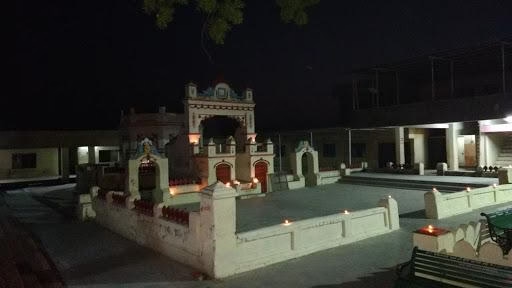
The Changapur Naresh Hanuman Temple stands as a beacon of devotion in the Amravati district of Maharashtra. Known locally for its ancient roots and powerful spiritual presence, this temple is dedicated to Shri Hanuman, the embodiment of strength, loyalty, and selfless service.
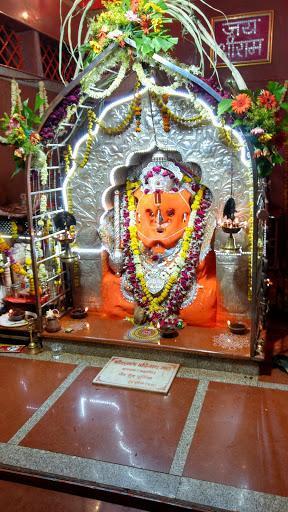
The presiding deity here is revered as Changapur Naresh (The King of Changapur), a form of Lord Hanuman believed to be a Swayambhu (self-manifested) idol. This distinct form is unique to this region, drawing devotees not just from Vidarbha but across India. The temple is widely recognized as a Jagrut Devasthan (Awakened Shrine), a place where spiritual energies are intensely potent.
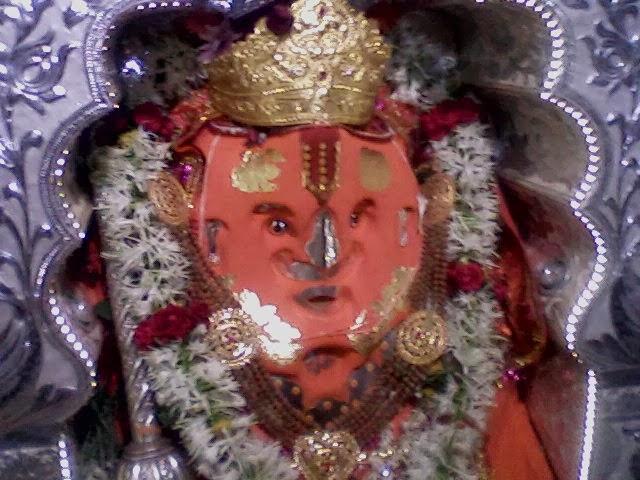
Phalaśruti (Spiritual Benefits): Devotees visit this sacred shrine to seek relief from Shani Dosha (Saturn afflictions) and to remove obstacles caused by malefic planetary positions. It is a profound belief that offering prayers at Changapur Hanuman Temple aids in cleansing ancestral karma and bringing mental peace and courage to face life’s challenges.
Historical Origins & Scriptural Legend
While the exact construction date is lost to the mists of time, local history traces the temple’s existence back several centuries. According to temple records and oral traditions passed down through generations, the temple flourished under the patronage of the Bhonsale Maratha Dynasty, who were the rulers of the Nagpur and Amravati regions.
The Sthala Purana (Local Legend): Tradition holds that the idol of Changapur Naresh was discovered by a local farmer while tilling his land. The soil radiated a divine energy, and upon excavation, the self-manifested idol of Hanuman emerged. The site was soon consecrated, and the temple became a center for local spiritual gatherings. The name “Changapur” is linked to the ancient village that once thrived here, serving as a stopover for pilgrims traveling to pilgrimage centers in the central provinces.
Architectural Marvels
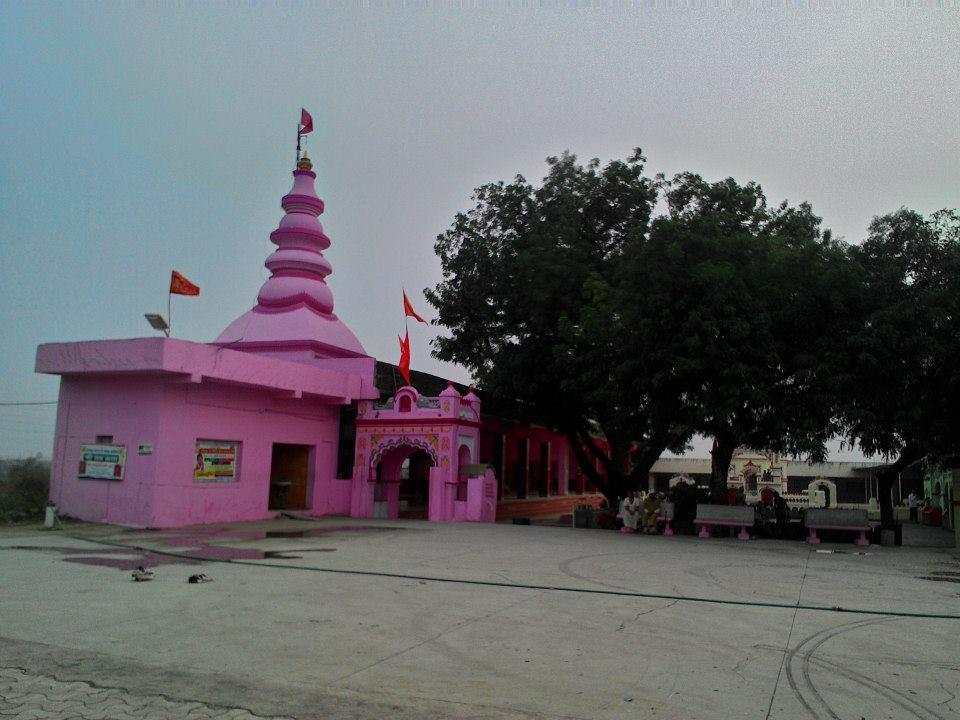
The architecture of the Changapur Hanuman Temple is a classic example of the Nagara style, adapted to local Marathi sensibilities. The temple complex is compact yet radiates a powerful aura. The Shikhara (tower) above the sanctum sanctorum is adorned with intricate carvings depicting scenes from the Ramayana.
Key Features:
- Sanctum Sanctorum: The main deity, Hanuman, is depicted in a seated posture (Veerasana), holding a mace and an abhaya mudra.
- Mandapas: The pillared hall allows devotees to sit for meditation and daily Aartis.
- Surrounding Shrines: The complex houses shrines for Lord Rama, Sita, and Lakshmana, maintaining the Vaishnava lineage, along with a Naga (serpent) shrine under a Peepal tree.
Darshan & Ritual Logistics
To ensure a smooth spiritual experience, we have compiled the daily schedules and special seva timings for 2026. Note that timings may vary slightly during festivals.
Daily Darshan Timings
| Session | Timings | Activity |
|---|---|---|
| Morning | 06:00 AM – 12:00 PM | Temple Opening, Morning Aarti, General Darshan |
| Afternoon | 12:00 PM – 04:00 PM | Mid-day Rituals (Dhupa) & Temple Closed for Rest |
| Evening | 05:00 PM – 09:00 PM | Evening Aarti, Closing Rituals |
Key Sevas & Online Booking
Devotees can participate in various Sevas (offerings) dedicated to Changapur Naresh. To avoid crowds and ensure your participation, we recommend utilizing online portals for booking.
- Abhishekam: Sacred bathing of the idol with milk, honey, and sandalwood paste (Morning 7:00 AM).
- Archana: Recitation of 108 names of Hanuman (Continuous throughout the day).
- Special Aarti: Offered during Pradosh Kaal (Twilight).
How to Book: Visit the official website of the Shri Changapur Naresh Hanuman Devasthan Trust (search for “+91 123 456 7890” for the official WhatsApp booking service). Online booking for 2026 opens 30 days in advance for major festivals.
Major Festivals in 2026
- Hanuman Jayanti: April 12, 2026. Grand processions and special Mahapuja.
- Sankashti Chaturthi: Monthly (e.g., Jan 28, Feb 27). Night-long Jagran and Kirtans.
- Diwali: October 21, 2026. Special lighting and Ramayana Parayana.
Practical Visitor Guidance
A visit to the Changapur Hanuman Temple is a journey into tradition. Here are the essential guidelines for a respectful and comfortable visit.
Code of Conduct & Dress Code
- Attire: Traditional Indian clothing (Saree, Kurta-Pajama, Dhoti) is highly recommended. Modest western wear is permitted but discouraged.
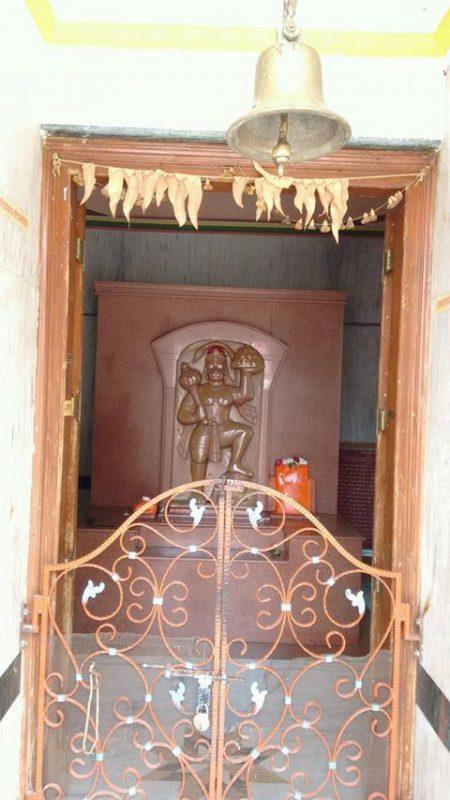
- Photography: Photography is strictly prohibited inside the Garbhagriha (Sanctum). However, photos of the exterior architecture and premises are allowed (as seen in the gallery below).
- Mobile Phones: Electronic devices must be switched to silent mode. Lockers are available near the entrance for phones and leather items.
Crowd Management & Best Time to Visit
- Best Time: Early morning (6:00 AM – 8:00 AM) or late evening (8:00 PM) offers the most serene darshan experience.
- Weekends: Expect significant crowds on Saturdays (Shanivar), as Hanuman is the ruling deity for Saturn. If visiting on a Saturday, arrive at least one hour before opening.
- Seasonal Advice: Summers (April–June) in Amravati are hot. Carry a water bottle and a head covering. The monsoon season (July–September) brings lush greenery to the temple premises.
Pilgrimage Connectivity
Reaching the Changapur Hanuman Temple is straightforward via road and rail.
How to Reach
- By Air: The nearest airport is Dr. Babasaheb Ambedkar International Airport (NAG) in Nagpur, approximately 160 km away (approx. 3.5 hours drive via NH-53).
- By Rail: The closest major railway junction is Amravati Railway Station (BPR). From the station, the temple is roughly 8 km away (20-minute auto-rickshaw ride).
- By Road: The temple is located on the Amravati – Walgaon Road (State Highway 10). It is easily accessible from the Amravati city center.
Nearby Sacred Sites
Extend your pilgrimage with these nearby spiritual destinations:
- Shri Ambadevi Temple: Located in Amravati city, this ancient temple is dedicated to Goddess Amba (Shakti) and is closely linked to the legend of Rukmini (from the Bhagavata Purana).
- Shri Ekvira Devi Temple: Situated in Chikhaldara, a scenic hill station. A hilltop temple revered by the local tribal communities and devotees of Goddess Durga.
- Malkhed Temple (Multai): The source of the Purna River, located about 50 km from Amravati. Known for its ancient temples and serene river ghats.
Frequently Asked Questions (FAQ)
1. Is there a VIP darshan entry at Changapur Hanuman Temple?
Currently, the temple trust does not offer a paid VIP pass. However, senior citizens and differently-abled visitors are given priority access through a separate queue.
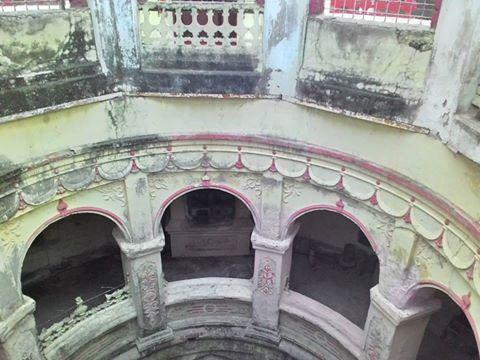
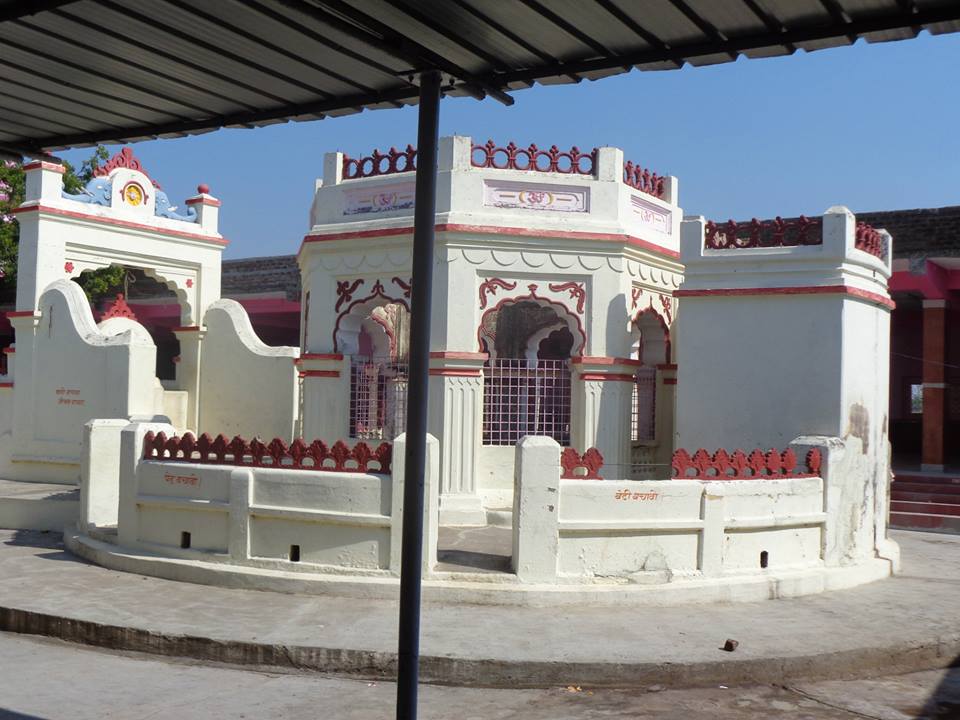
2. What is the significance of the temple well shown in the images?
The well in the temple premises is believed to contain sacred water used for ritual purification before entering the sanctum. It is also considered to have water-level stability even during the peak summer months.
3. Can I perform a Mundan (hair tonsuring) ceremony here?
Yes, the temple has a designated area for Mundan ceremonies. It is advisable to carry your own razor kit, though basic kits are available at nearby shops.
4. Is there accommodation available near the temple?
While the temple complex does not have lodging, there are several Dharamshalas and budget hotels in Amravati city (8 km away) and Walgaon (2 km away).
5. Are pets allowed inside the temple?
No, as per the temple code of conduct and hygiene protocols, pets are not allowed inside the temple premises.
Recent Posts

Shri Kaamkoteeshwar Mandir, Varanasi – History & Significance
In the heart of Kashi, the eternal city of Lord Shiva, where the Ganges flows with celestial grace, stands the Shri Kaamkoteeshwar Mandir. This sacred Sannidhi is not merely a temple but a profound spiritual bridge between the Northern…

ओ सांवरे तूने ही मुझको संभाला – Lyrics & Meaning
ओ सांवरे तूने ही मुझको संभाला – A Prayer to Shyam Origin & Spiritual Essence Why This Bhajan Resonates Devotees chant this when overwhelmed by life’s storms—the refrain ‘तूने ही मुझको संभाला’ is the soul’s sigh of relief: “You…

कथा ये है महाराज मेरे की – Lyrics & Meaning
कथा ये है महाराज मेरे की छत्रपति संभाजी महाराज – A Prayer to Chhatrapati Sambhaji Maharaj Origin & Spiritual Essence Why This Bhajan Resonates Devotees chant this when their spirit feels tested—its powerful refrain “महाराज मेरे” is a soul’s…

Rigveda Samhita Yathartha Anuvada (ऋग्वेद संहिता यथार्थ अनुवाद) – Complete Set with Anvayartha & Hindi/English Translation
The Rigveda is the oldest surviving scripture of humanity and the foundational text of Sanātana Dharma. For serious students, scholars, UPSC aspirants studying ancient Indian history, Sanskrit learners, and spiritual seekers, a precise and grammatically structured translation is indispensable.…

आना भी अकेला है जाना भी अकेला है – Lyrics & Meaning | BharatTemples
आना भी अकेला है जाना भी अकेला है – A Prayer to the Divine Witness Origin & Spiritual Essence Why This Bhajan Resonates Devotees turn to this bhajan in moments of deep reflection—when life’s attachments begin to ache. The…

माता शेरावाली के द्वार जो भी जाता है – Lyrics & Meaning
माता शेरावाली के द्वार जो भी जाता है – A Prayer to Maa Sherawali Origin & Spiritual Essence Why This Bhajan Resonates Devotees turn to this bhajan in times of fear or uncertainty—its promise that no one leaves Maa’s…

मार लेना सपणी उबार लेणा भवरा – Lyrics & Meaning
मार लेना सपणी उबार लेणा भवरा – A Prayer to the Divine Beloved Origin & Spiritual Essence Why This Bhajan Resonates Devotees chant this in moments of deep vulnerability—its cry of “मार लेना सपणी, उबार लेणा भवरा” is the…

हमें श्याम सुंदर भरोसा तुम्हारा – Lyrics & Meaning
हमें श्याम सुंदर भरोसा तुम्हारा – A Prayer to Shyam Sundar Origin & Spiritual Essence Why This Bhajan Resonates Devotees chant this when feeling alone—its refrain ‘de do sahara’ is the soul’s cry for divine support. Lyrics in Hindi…

Mere Satguru Ne Di Thi Davai Lyrics in Hindi & Meaning
Mere Satguru Ne Di Thi Davai: Invoking the Guru’s Liberating Wisdom This soul-stirring bhajan venerates the Satguru (True Spiritual Master) as the divine physician who dispenses the only remedy for life’s deepest sufferings. Composed by Sant Karmaveer Tufani, it…

Janm Diyo Thari Maa Dukh Dekhiyo Lyrics in Hindi & Meaning
जन्म दियो थारी माँ दुख देखियो (Maa’s Grief Upon Birthing You) This soul-stirring Chetavani Bhajan (admonitory hymn) is addressed to the Divine Mother (Maa) – a call for repentance when children forget their filial duties in the dark age…