Jyotisar Temple, Kurukshetra: History, Timings & Complete Guide
Receive daily temple updates, divine darshan, and morning bhajans directly on WhatsApp.
Contents
- 1 Introduction & Spiritual Essence
- 2 Historical Origins & Scriptural Legend
- 3 Architectural Marvels
- 4 Darshan & Ritual Logistics
- 5 Practical Visitor Guidance
- 6 Pilgrimage Connectivity
- 7 Frequently Asked Questions (FAQ)
- 8 Photo Gallery
- 9 Contact Details
Introduction & Spiritual Essence
Jyotisar Temple, located in the sacred land of Kurukshetra, Haryana, represents the spiritual epicenter of the Bhagavad Gita. Here, the celestial form of Lord Krishna (an avatar of Vishnu) delivered the timeless discourse on Dharma and Karma to the warrior prince Arjuna. The name “Jyotisar” translates to “River of Light” or “Source of Spiritual Wisdom,” derived from the Sanskrit words Jyoti (light) and Sar (essence).
Deity & Form: The primary deity here is worshipped in the form of a marble chariot (often referred to as the Sthamba Ratha) depicting Krishna guiding Arjuna. While the temple houses a Shiva Lingam (installed by King of Kashmir), the site is primarily Vaishnav. The ancient Akshay Vat (Banyan Tree) is the central Sthala Vriksha (sacred tree), believed to be an offshoot of the original tree under which the divine sermon occurred.
Phalaśruti (Spiritual Benefits):
- Cleansing of Ancestral Karma: Performing rituals here is believed to liberate ancestors from the cycle of rebirth.
- Clarity of Purpose: Devotees visit to seek mental clarity and courage to overcome life’s dilemmas, mirroring Arjuna’s state on the battlefield.
- Removal of Ignorance: The site is revered as a “Jyoti-Stambha” (pillar of light) for dispelling darkness through the light of knowledge.
Historical Origins & Scriptural Legend
According to the Mahabharata, the Kurukshetra war did not begin immediately; it was preceded by a profound dialogue on the banks of this holy land. Tradition holds that Jyotisar is the exact spot where Krishna revealed his Virat Rupa (Universal Form).
📖 Related: Himani Chamunda Temple History, Darshan Timings & Complete Trekking Guide (2026)
Architectural Timeline:
- Antiquity: The site has been a pilgrimage center since Vedic times, though specific structural records are sparse due to the open-air nature of the original worship.
- 19th Century: A Shiva temple was established here approximately 150 years ago by the King of Kashmir. In 1824, the King of Darbhanga erected a protective bandstand (parapet) around the Akshay Vat (Banyan tree) to preserve its sanctity.
- 1967: Under the guidance of the Kamakoti Peeth Shankaracharya, the iconic white marble chariot depicting Krishna and Arjuna was consecrated. A dedicated temple for Shankaracharya was also established during this period.
Architectural Marvels
The architecture of Jyotisar is a blend of traditional Hindu Nagara style and modern renovations managed by the Kurukshetra Development Board.
Key Features:
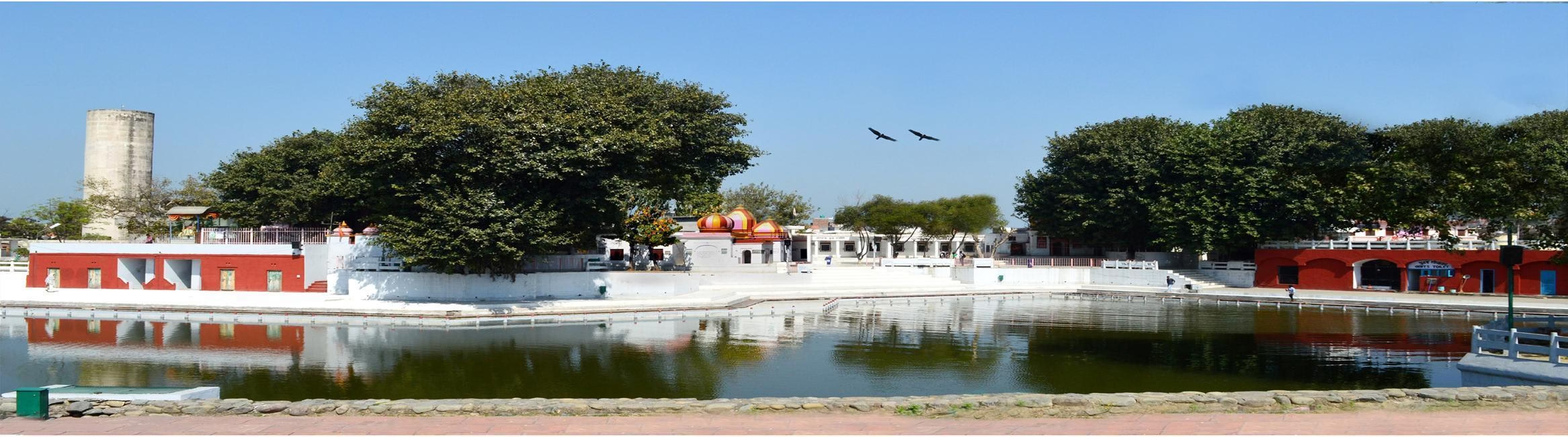
- The Akshay Vat (Banyan Tree): Standing on a raised plinth, this ancient tree is protected by a marble railing. The aerial roots and sprawling canopy create a natural mandala.
- Marble Chariot Sculpture: A masterpiece of white marble, this structure captures the stillness of the moment of revelation. It serves as the focal point for Darshan.
- The Sacred Tank: Historically known as the Brahma Sarovar or Bhishma Kund, the site features a mango-shaped lake constructed recently. It includes covered bathing ghats (Pul) for women, ensuring privacy and adherence to tradition.
- Vastu Shastra: The layout aligns with Vastu principles, where the chariot faces east (towards the rising sun), symbolizing the light of knowledge dispelling darkness.
Darshan & Ritual Logistics
The temple follows a disciplined schedule, balancing daily worship with grand festivals. The atmosphere transforms during the evening light and sound show, which recounts the Mahabharata.
Daily Darshan Timings
| Session | Timing | Activity |
|---|---|---|
| Morning | 05:00 AM – 12:00 PM | Mangala Aarti, Darshan, Abhishekam |
| Afternoon | 12:00 PM – 04:00 PM | Temple Cleaning / Rest Period |
| Evening | 04:00 PM – 09:00 PM | Sandhya Aarti, Light & Sound Show |
📖 Related: Naina Devi Temple History & Darshan Timings: Complete Guide
Key Sevas & Online Booking
Devotees can book standard Sevas (ritual services) at the temple counter. For specialized rituals, contacting the Kurukshetra Development Board is recommended.
- Abhishekam: Performed with milk, honey, and ghee.
- Archana: Recitation of the Gita (700 verses).
- Deep Daan: Offering ghee lamps (Diya) at the Banyan tree.
Note: Online booking integration is currently handled through the Haryana Tourism portal. It is advisable to check the status closer to your visit.
Festival Dates 2026
- Gita Jayanti: November 25, 2026 (Shukla Ekadashi of Margashirsha). This is the most significant event, featuring grand Yajnas, processions, and cultural recitals.
- Janmashtami: August 14, 2026. Midnight celebrations and special decorations.
- Mahashivratri: February 26, 2026. Celebrated with equal fervor due to the presence of the Shiva temple.
Practical Visitor Guidance
Rules & Etiquette
- Dress Code: Traditional Indian attire is preferred. Men should wear dhotis or trousers, and women should opt for sarees or salwar kameez. Avoid shorts or sleeveless tops.
- Photography: Strictly prohibited inside the inner sanctum where the marble chariot and Shiva Lingam are located. Allowed in the outer courtyard and garden areas.
- Mobile Phones: Must be switched to silent mode. Lockers are available near the entrance for electronic devices.
- Accessibility: The main shrine is accessible via ramps. The park surrounding the lake has paved pathways suitable for wheelchairs.
Crowd Management & Seasonal Advice
Best Hours: To avoid the heavy rush of local visitors and school trips, arrive between 6:00 AM – 7:00 AM or after 7:00 PM (check seasonal closing times).
Seasonal Tips:
- Summer (May-June): Temperatures can exceed 40°C. Carry a reusable water bottle (refill stations available) and wear a hat while walking in the complex.
- Winter (December-January): Mornings are foggy. Carry warm layers for early morning visits.
- Monsoon: The lake area becomes picturesque, but insect repellent is recommended.
Pilgrimage Connectivity
How to Reach Jyotisar
Jyotisar is located approximately 5 km west of Thanesar on the Thanesar-Kurukshetra-Pehowa road.
- By Air: The nearest airport is Chandigarh International Airport (IXC), approx. 95 km away (2 hours drive).
- By Rail: Kurukshetra Junction (KKDE) is the nearest major railway station (8 km). Thanesar Railway Station is closer (5 km).
- By Road: Well-connected via NH 44 (formerly NH 1). Regular bus services run from Delhi, Ambala, and Chandigarh to Kurukshetra.
📖 Related: Hidimba Devi Temple, Manali: History, Darshan Timings & Complete Guide
Nearby Sacred Sites
Extend your pilgrimage by visiting these nearby Tirthas:
- Brahma Sarovar: Located 4 km away, this massive sacred tank is considered one of the holiest in Asia.
- Sannihit Sarovar: Situated in Kurukshetra city, believed to be the resting place of Lord Vishnu.
- Sthaneshwar Mahadev Temple: Located in Thanesar, an ancient temple where Pandavas prayed for victory.
Frequently Asked Questions (FAQ)
1. Is there a VIP darshan entry available?
There is no formal VIP entry system for the general public. However, the temple management allows priority access for senior citizens (above 70 years) and specially-abled pilgrims. Carry valid ID proof.
2. Can we perform the Gita Jayanti Yajna personally?
While daily Yajnas are performed by temple priests, the grand Gita Jayanti Yajna in November requires prior registration with the Kurukshetra Development Board. Specific slots are allocated to devotees.
3. Is there an entry fee?
No, entry to the Jyotisar Temple and the surrounding park is free for all visitors. There may be nominal charges for the Light & Sound Show and parking.
4. Are outside food and prasad allowed?
Outside food is generally discouraged inside the temple premises to maintain hygiene. However, a small restaurant serves vegetarian meals (Satvik food) nearby.
5. What is the best time of year to visit?
The ideal time is October to March when the weather is pleasant. For a spiritually immersive experience, plan your visit around Gita Jayanti (November).
Photo Gallery
Jyotisar_lqvsta, Jyotisar, Kurukshetra, Haryana
jyotisar (2), Jyotisar, Kurukshetra, Haryana
SONY DSC
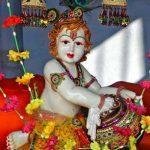
jyotisar_5, Jyotisar, Kurukshetra, Haryana
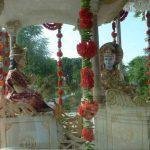
1516378086_Jyotisar1, Jyotisar, Kurukshetra, Haryana
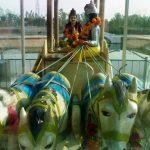
1618_kurukshetra -jyotisar-7, Jyotisar, Kurukshetra, Haryana
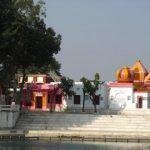
jyotisar (9), Jyotisar, Kurukshetra, Haryana
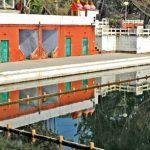
jyotisar_4, Jyotisar, Kurukshetra, Haryana
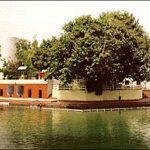
jyotisar_sarovar_kurukshetra_21_12_2015
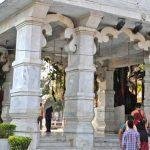
jyotisar_6, Jyotisar, Kurukshetra, Haryana
Contact Details
Official Address:
Jyotisar Tirtha, Kurukshetra, Haryana 132103