Kaal Vinayak Temple Varanasi: History, Timings & Complete Guide
Receive daily temple updates, divine darshan, and morning bhajans directly on WhatsApp.
Contents
- 1 Introduction & Spiritual Essence
- 2 Historical Origins & Scriptural Legend
- 3 Architectural Marvels
- 4 Darshan & Ritual Logistics
- 5 Practical Visitor Guidance
- 6 Pilgrimage Connectivity
- 6.1 How to Reach Kaal Vinayak Temple
- 6.2 Nearby Sacred Sites
- 6.3 Frequently Asked Questions (FAQ)
- 6.3.1 1. Is there a VIP darshan entry at Kaal Vinayak Temple?
- 6.3.2 2. What is the best way to perform Abhishekam here?
- 6.3.3 3. Is the temple safe for solo female travelers?
- 6.3.4 4. Can I perform rituals for my ancestors here?
- 6.3.5 5. What is the difference between Kaal Vinayak and Kala Vinayak?
- 6.3.6 6. Is there an entry fee?
Introduction & Spiritual Essence
Amidst the labyrinthine alleys of the holy city of Varanasi (Kashi), lying on the serene steps of the Ram Ghat, stands the sacred Kaal Vinayak Temple. Unlike the grand temples of the city, this shrine offers a profound, intimate spiritual experience dedicated to Lord Ganesha in his form as Kaal (Time) and Vinayak (Remover of Obstacles).
Deity Details:
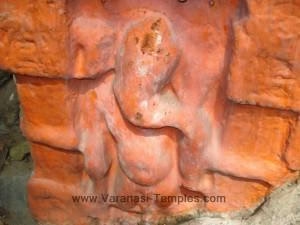
The primary deity here is Kaal Vinayak (also locally known as Kala Vinayak). The idol is a Shwayambhu (self-manifested) form, revered as the protector who governs time and eliminates the fear of Akala Mrityu (untimely death).
Phalaśruti: The Benefits of Darshan
According to the local Sthala Purana (oral tradition), performing darshan and offering prayers at this specific shrine is believed to cleanse negative planetary transits in one’s horoscope. Devotees visit here specifically to:
- Cleansing Ancestral Karma: It is believed that prayers here help ancestors find peace, liberating the family lineage from Pitru Dosha.
- Protection from Untimely Death: As the name “Kaal” suggests, worshiping here is said to shield the devotee from accidents and premature demise.
- Removing Obstacles: Being a form of Ganesha, it is the first stop for devotees beginning new ventures or seeking resolution to legal and personal hurdles.
Historical Origins & Scriptural Legend
While precise architectural blueprints from ancient times are often scarce due to Varanasi’s organic urban growth, the temple’s roots are deeply embedded in the spiritual fabric of the city.
📖 Related: Kooshmandeshwar Temple Varanasi: History, Darshan Timings & Legend
Builders and Timeline:
Unlike the grand stone edifices built by dynasties, Kaal Vinayak Temple at Ram Ghat is a traditional shrine that has evolved over centuries. It is situated in the old Kashi region, where structures often date back to the Maratha and Benares Kingdom eras (18th–19th century), though the deity’s worship is far older.
Scriptural & Local Legend:
Tradition holds that Lord Shiva himself established 13 forms of Ganesha across Varanasi (the Dwadasha Aditya and associated forms) to protect the city from demons. Kaal Vinayak is the sentinel of the ghats. The presence of the ancient Peepal tree (Ficus religiosa) near the temple is significant in Hindu mythology, symbolizing the Vat Vriksha (Banyan/Peepal), where spirits and deities are said to reside. It is believed that worshiping here connects the devotee directly to the elemental forces of nature.
Architectural Marvels
The Kaal Vinayak Temple is a quintessential example of the Nagara style temple architecture, adapted to the specific topography of the riverbank ghats.
- The Mandapa (Pavilion): The temple features a modest but structurally significant Mandapa that acts as a gathering space for devotees. The pillars are carved from stone, depicting motifs from nature and Yaksha forms.
- The Shikhara (Tower): Rising above the sanctum is the Shikhara, the mountain-like spire that represents Mount Meru. Unlike the towering spires of South Indian temples (Dravida style), this follows the vertical curvature typical of North Indian Nagara architecture.
- Sculpture and Murti: The sanctum houses the Kaal Vinayak Murti. It is distinctive because it is often depicted in a seated posture, facing the South (the direction of Yama, the god of death), symbolizing control over time.
- ASI/UNESCO Status: While specific ASI listings for smaller neighborhood shrines can be rare, this temple is part of the unprotected archaeological heritage of Varanasi, maintained largely by the local community and the Kashi Vishwanath Temple Trust.
Darshan & Ritual Logistics
The temple is unique because it is practically open throughout the day and night, allowing devotees to visit at any hour.
Daily Timings
The temple does not follow a rigid closure schedule, but the best time for a peaceful darshan is early morning or late evening.
📖 Related: Tribhuwan Keshav Temple Varanasi: History, Darshan Timings & Complete Guide
| Session | Timing | Activity |
|---|---|---|
| Morning Darshan | 05:00 AM – 12:00 PM | Abhishekam & Aarti |
| Afternoon Rest | 12:00 PM – 02:00 PM | Murti cleaning |
| Evening Darshan | 02:00 PM – 09:00 PM | Bhog & Aarti |
| Night Darshan | 09:00 PM – 11:00 PM | Quiet Prayers |
Note: While the shrine is physically accessible, the specific office for seva bookings is often managed via the Kashi Vishwanath Temple administration centers.
Key Sevas & Online Booking
Since this is a local shrine, seva is largely self-initiated. However, for structured rituals:
- Sankalp Pooja: Offering jaggery and durva grass.
- Maha Abhishekam: Performed on specific Chaturthi (Fourth waxing moon) days.
- Booking: Devotees can utilize the official Kashi Vishwanath Seva Platform for broader Varanasi temple bookings. Specific seva for Kaal Vinayak is traditionally done directly at the site.
Festivals in 2026
Varanasi celebrates festivals with immense fervor. Mark your calendar:
- Magh Mela: Jan 14, 2026
- Maha Shivaratri: February 26, 2026
- Chaitra Navratri: March 30 – April 7, 2026
- Varanasi Kashi Yatra: July 16, 2026
- Diwali: October 21, 2026
Practical Visitor Guidance
Visiting a shrine located on the ghats requires physical preparedness.
- Dress Code: Traditional attire is recommended. Men should wear dhotis or long trousers; women should cover shoulders and knees (saree or salwar kameez).
- Photography: Photography is generally restricted inside the inner sanctum. Ask the caretaker before clicking pictures of the architecture.
- Mobile Lockers: There are no electronic lockers directly at this small shrine. It is advisable to keep valuables at your hotel or use the locker facilities available at the main Kashi Vishwanath Corridor security checkpoints.
- Accessibility: The temple is located on the Ram Ghat steps (ghat). It is accessible via stairs. It may be challenging for those with mobility issues. Wheelchairs cannot navigate the narrow steps leading to the shrine.
Crowd Management
- Best Hours: 6:00 AM to 9:00 AM is ideal for a meditative experience.
- Seasonal Advice:
- Summer (May-June): Temperatures exceed 40°C. Carry water, wear a cap, and apply sunscreen.
- Monsoon (July-Sept): The ghats can be slippery. Wear rubber-soled sandals with grip.
Pilgrimage Connectivity
How to Reach Kaal Vinayak Temple
By Air: Lal Bahadur Shastri International Airport (LBS) is approximately 25 km from the temple. Taxis and e-rickshaws are available.
📖 Related: Kardhameshwar Temple Varanasi: History, Darshan Timings & Complete Guide
By Rail: Varanasi Junction (BSB) is 5 km away. From the station, take a cycle rickshaw to Chowk.
Local Transport:
As per the temple’s traditional details, there are two primary routes:
- Road Route: Travel by rickshaw to Chowk. From there, the narrow alleys must be navigated on foot to reach Ram Ghat.
- River Route: Take a boat to Ram Ghat. From the ghat, climb the steps to reach the Peepal tree where the temple resides.
Nearby Sacred Sites
Extend your pilgrimage circuit with these nearby landmarks:
- Kashi Vishwanath Temple: Located 1.5 km away (approx. 20 min walk through the market).
- Manikarnika Ghat: The cremation ghat, 800 meters away. A place to witness the cycle of life and death.
- Blind Well (Andh Kup) Temple: A legendary well near Dashashwamedh Ghat, 1 km away.
Frequently Asked Questions (FAQ)
1. Is there a VIP darshan entry at Kaal Vinayak Temple?
Given the shrine’s location in the narrow lanes of Ram Ghat, there is no dedicated VIP entry. However, visiting outside of peak evening hours ensures a quick and peaceful darshan.
2. What is the best way to perform Abhishekam here?
Since the temple is situated on the steps of the ghat, water is easily accessible. Devotees often perform Abhishekam using water from the Ganges mixed with milk and jaggery. The priest present on-site can assist for a nominal donation.
3. Is the temple safe for solo female travelers?
Yes. The area is heavily crowded and patrolled. However, it is advisable to visit during daylight hours for comfort and safety in the narrow alleyways.
4. Can I perform rituals for my ancestors here?
Yes. Kaal Vinayak is considered a granter of peace to ancestors. Many devotees perform Shraddha rituals here, specifically offering Til (Sesame) and Jaggery.
5. What is the difference between Kaal Vinayak and Kala Vinayak?
There is no difference; they are variations in transliteration from Sanskrit to Hindi/English. Both refer to the Lord of Time (Kaal) who removes darkness (Kala).
6. Is there an entry fee?
No, entry to the temple is free for all devotees.