
Contents
- 1 The Definitive Pilgrimage Guide to Kailasanathar Temple, Vengalathoor
The Definitive Pilgrimage Guide to Kailasanathar Temple, Vengalathoor
As the Lead Heritage Architect for BharatTemples.com, I invite you to explore the spiritual and architectural heritage of the Kailasanathar Temple in Vengalathoor. Nestled just 18 km west of the temple town of Kanchipuram, this ancient shrine offers a profound connection to Lord Shiva, away from the bustling crowds of the city center. This guide is engineered for the modern pilgrim, blending ancient tradition with practical logistics for a seamless darshan experience.
Introduction & Spiritual Essence
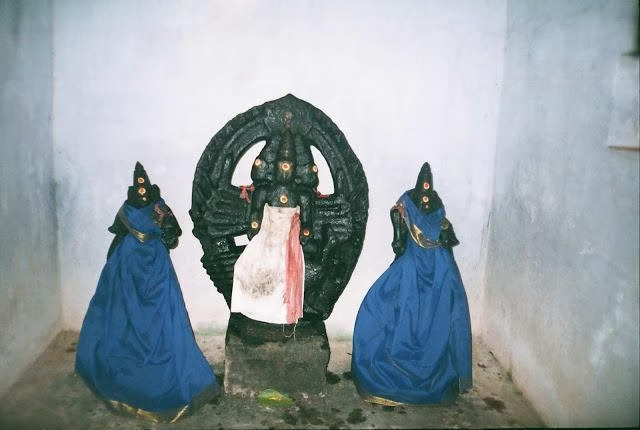
The primary deity of this temple is Kailasanathar, a manifestation of Lord Shiva, represented as a Swayambhu Lingam (self-manifested). The name “Kailasanathar” translates to “Lord of Mount Kailash,” signifying Shiva as the supreme ruler of the Himalayas and the ultimate abode of liberation.
Phalaśruti: The Benefits of Visiting
According to Vedic tradition, a pilgrimage to Kailasanathar is believed to grant Moksha (liberation from the cycle of birth and death). Devotees visit this shrine to:
- Cleanse Ancestral Karma: Performing rituals here is believed to help ancestors rest in peace, alleviating Pitru Dosha (ancestral afflictions).
- Granting Progeny: Childless couples offer prayers here for the blessing of offspring.
- Mental Peace: The serene village setting allows for deep meditation and mental clarity.
Historical Origins & Scriptural Legend
While specific inscriptions regarding the exact date of construction are sparse in digital archives, the architectural style suggests a Pallava dynasty origin (circa 6th–9th century CE), a period that marked the zenith of stone temple construction in the Kanchipuram region.
The Legend of Vengalathoor
Tradition holds that this village was once dense with Venga (Bamboo) forests, hence the name Vengalathoor. Legend narrates that sages and Siddhas (enlightened beings) meditated in these forests. Their intense austerities pleased Lord Shiva, who manifested as the Kailasanathar Lingam to grant them Moksha.
Architectural Marvels
The Kailasanathar Temple is a classic example of Dravidian Architecture, characterized by its pyramidal towers (Vimana) and enclosed courtyards.
- The Vimana: The towering structure above the sanctum sanctorum follows the Nagara style influence often seen in early Pallava rock-cut caves, transitioning into the mature Dravida style of later temples.
- Garbhagriha (Sanctum): The inner sanctum houses the Swayambhu Lingam, oriented to allow maximum natural light during the early morning hours.
- Mandapa: The pillared hall features stone columns carved with depictions of deities, mythical beasts (Yalis), and floral motifs, typical of the Pallava craftsmanship.
- Nandi Shrine: A dedicated statue of Nandi, the divine bull vehicle of Shiva, faces the presiding deity, aligning with the North-South axis of the temple.
Photo Gallery
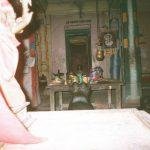
Darshan & Ritual Logistics
Timings are subject to seasonal adjustments based on sunrise and sunset. As we approach 2026, devotees should verify these times prior to travel.
Daily Darshan Timings
| Session | Timing | Activity |
|---|---|---|
| Morning | 06:00 AM – 12:00 PM | Ushathkala Puja & Abhishekam |
| Afternoon | 12:00 PM – 04:00 PM | Temple Closed (Cleanliness) |
| Evening | 04:00 PM – 08:00 PM | Sandhya Puja & Deepa Aradhana |
Key Sevas & Online Booking
While local temples may have simpler protocols, digital integration is increasing across Tamil Nadu temples.
- Abhishekam (Ritual Bathing): Performed on Mondays. Milk, honey, and sandalwood paste are offered.
- Archana (Name Chanting): A 108-name recitation of Shiva. Can be performed by individuals or families.
- Online Seva Booking: As of 2026, devotees can typically book standard sevas via the Tamil Nadu Hindu Religious and Charitable Endowments (HR&CE) website or the Arulmigu Temple App. However, for smaller village temples like Vengalathoor, direct payment at the office is often required.
2026 Major Festival Dates
- Arudra Darshanam: January 8, 2026 – Celebrates the cosmic dance of Shiva.
- Maha Shivaratri: February 26, 2026 – The grand night of Shiva.
- Kartikai Deepam: November 5, 2026 – Lighting of the holy flame.
Practical Visitor Guidance
Dress Code & Etiquette
- Attire: Traditional Indian wear is recommended (Dhoti/Kurta for men, Saree/Salwar Kameez for women). Western attire should be modest and avoid shorts/tank tops.
- Footwear: Shoes must be removed before entering the temple complex. Paid locker facilities are generally unavailable in small villages, so keep footwear in your vehicle.
- Photography: Photography is strictly prohibited inside the sanctum sanctorum. Exterior shots of the architecture are usually permitted.
Crowd Management & Seasonal Advice
- Best Hours: Early morning (6:00 AM – 8:00 AM) offers the most peaceful darshan.
- Summer (April–June): Temperatures in Kanchipuram can exceed 40°C. Carry a water bottle, umbrella, and wear breathable cotton clothing.
- Monsoon (October–December): The region receives moderate rainfall. Light rain gear is advisable.
Pilgrimage Connectivity
How to Reach Vengalathoor
By Air: The nearest airport is Chennai International Airport (MAA), approximately 70 km (1.5–2 hours drive).
By Rail: The closest railway junction is Kanchipuram Railway Station. From there, local taxis or buses serve the village.
By Road: Vengalathoor is located 18 km west of Kanchipuram via the Kanchipuram–Tirukkalukundram Road (SH-58). It connects to the Grand Southern Trunk (GST) Road.
Nearby Sacred Sites (Pilgrimage Circuit)
- Kailasanathar Temple, Kanchipuram: The famous 8th-century rock-cut temple dedicated to Shiva (not to be confused with this village temple).
- Ekambareswarar Temple: One of the Pancha Bhoota Stalas, located in Kanchipuram (Earth element).
- Thiruporur Murugan Temple: A prominent Murugan shrine located roughly 20 km south.
Contact Details
Official Address: Kailasanathar Temple, Vengalathoor Village, Kanchipuram District, Tamil Nadu.
Note: As a village temple, direct phone numbers are often not published. Inquiries can be made at the Kanchipuram Hindu Religious Office.
Frequently Asked Questions (FAQ)
1. Is there a VIP Darshan entry?
Being a local village temple, there is no formal VIP ticket system like in large shrines. However, early morning entry is generally open for all devotees without long queues.
2. What is the significance of the name Vengalathoor?
The name derives from ‘Venga’ (Bamboo) and ‘Oor’ (Village), indicating the historical abundance of bamboo groves surrounding the temple premises.
3. Are food facilities available at the temple?
There are no large-scale dining halls (Anna Dhana) within the temple complex. Devotees usually eat in Kanchipuram city before or after the visit. Packed water and snacks are recommended.
4. Is the temple accessible for senior citizens?
The temple is compact with a few steps. While manageable for most, those with mobility issues should request assistance from locals. Vehicles can typically park close to the entrance.
5. When is the best day to visit?
Monday is dedicated to Lord Shiva and is considered highly auspicious for visiting Kailasanathar Temple.
Recent Posts

ओ सांवरे तूने ही मुझको संभाला – Lyrics & Meaning
ओ सांवरे तूने ही मुझको संभाला – A Prayer to Shyam Origin & Spiritual Essence Why This Bhajan Resonates Devotees chant this when overwhelmed by life’s storms—the refrain ‘तूने ही मुझको संभाला’ is the soul’s sigh of relief: “You…

कथा ये है महाराज मेरे की – Lyrics & Meaning
कथा ये है महाराज मेरे की छत्रपति संभाजी महाराज – A Prayer to Chhatrapati Sambhaji Maharaj Origin & Spiritual Essence Why This Bhajan Resonates Devotees chant this when their spirit feels tested—its powerful refrain “महाराज मेरे” is a soul’s…

Rigveda Samhita Yathartha Anuvada (ऋग्वेद संहिता यथार्थ अनुवाद) – Complete Set with Anvayartha & Hindi/English Translation
The Rigveda is the oldest surviving scripture of humanity and the foundational text of Sanātana Dharma. For serious students, scholars, UPSC aspirants studying ancient Indian history, Sanskrit learners, and spiritual seekers, a precise and grammatically structured translation is indispensable.…

आना भी अकेला है जाना भी अकेला है – Lyrics & Meaning | BharatTemples
आना भी अकेला है जाना भी अकेला है – A Prayer to the Divine Witness Origin & Spiritual Essence Why This Bhajan Resonates Devotees turn to this bhajan in moments of deep reflection—when life’s attachments begin to ache. The…

माता शेरावाली के द्वार जो भी जाता है – Lyrics & Meaning
माता शेरावाली के द्वार जो भी जाता है – A Prayer to Maa Sherawali Origin & Spiritual Essence Why This Bhajan Resonates Devotees turn to this bhajan in times of fear or uncertainty—its promise that no one leaves Maa’s…

मार लेना सपणी उबार लेणा भवरा – Lyrics & Meaning
मार लेना सपणी उबार लेणा भवरा – A Prayer to the Divine Beloved Origin & Spiritual Essence Why This Bhajan Resonates Devotees chant this in moments of deep vulnerability—its cry of “मार लेना सपणी, उबार लेणा भवरा” is the…

हमें श्याम सुंदर भरोसा तुम्हारा – Lyrics & Meaning
हमें श्याम सुंदर भरोसा तुम्हारा – A Prayer to Shyam Sundar Origin & Spiritual Essence Why This Bhajan Resonates Devotees chant this when feeling alone—its refrain ‘de do sahara’ is the soul’s cry for divine support. Lyrics in Hindi…

Mere Satguru Ne Di Thi Davai Lyrics in Hindi & Meaning
Mere Satguru Ne Di Thi Davai: Invoking the Guru’s Liberating Wisdom This soul-stirring bhajan venerates the Satguru (True Spiritual Master) as the divine physician who dispenses the only remedy for life’s deepest sufferings. Composed by Sant Karmaveer Tufani, it…

Janm Diyo Thari Maa Dukh Dekhiyo Lyrics in Hindi & Meaning
जन्म दियो थारी माँ दुख देखियो (Maa’s Grief Upon Birthing You) This soul-stirring Chetavani Bhajan (admonitory hymn) is addressed to the Divine Mother (Maa) – a call for repentance when children forget their filial duties in the dark age…
Bhadi Sabha Mein Thane Manaun Lyrics in Hindi & Meaning
Bhadi Sabha Mein Thane Manaun: Invoking the Spear-Wielding Mother Mata Bhawani (श्री ज्वाला भवानी), the fiery manifestation of Shakti worshipped as the Protector of Dharma in Her Dhaulagarh sanctum. Origin & Spiritual Essence Composed in Rajasthani folk tradition by…