
Contents
Definitive Pilgrimage Guide: Kalpeshwar, Urgam, Uttarakhand
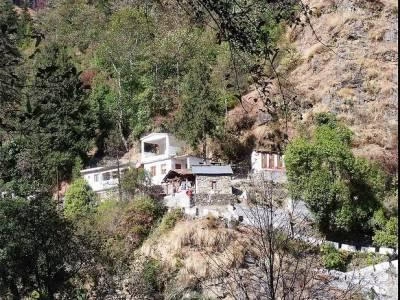
As the Lead Heritage Architect and SEO Strategist for BharatTemples.com, I present this definitive guide to the ethereal Kalpeshwar Temple. Nestled in the serene Urgam valley of Garhwal, Kalpeshwar is not merely a structure of stone; it is a living sanctuary of the Himalayas, representing the Jata (matted locks) of Lord Shiva. Unlike its sibling Panch Kedars, Kalpeshwar stands unique for its year-round accessibility, inviting devotees to seek moksha (liberation) and ancestral peace.
Introduction & Spiritual Essence
The Divine Form: Jatadhar (Jateshwar)
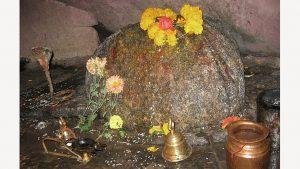
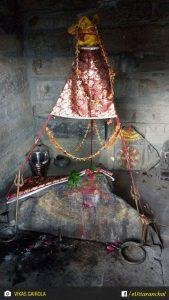
Kalpeshwar is the fifth and final temple in the sacred Panch Kedar circuit, dedicated to Lord Shiva. While other Kedars close during winter, Kalpeshwar remains accessible, symbolizing eternal vigilance. Here, Shiva is worshipped in his form as Jatadhar or Jateshwar, representing the matted locks that cascaded from his head.
Phalaśruti: Why Devotees Visit
According to ancient scriptural traditions, a pilgrimage to Kalpeshwar is believed to purify the soul of the sins committed in previous lives. Specifically:
- Cleansing Ancestral Karma: It is believed that offering prayers here liberates ancestors from the cycle of rebirth.
- Sanctity of Continuity: Being the only Panch Kedar open year-round, it offers a unique spiritual continuity, granting darshan even during the harsh winter months when the other shrines are hibernating.
Historical Origins & Scriptural Legend
The Mahabharata Connection
The Sthala Purana (local oral legend) is deeply rooted in the Mahabharata. After the fratricidal war of Kurukshetra, the Pandavas sought redemption from Lord Shiva. Disguised as a bull, Shiva refused to meet them. When Bhima attempted to hold the bull by its tail and hind legs, the divine form vanished underground, reappearing in five parts across the Kedar Khand region.
According to temple records and tradition:
“At Kalpeshwar, Shiva’s Jata (tress) appeared from the ground. In reverence, the Pandavas erected a stone shrine to worship this divine manifestation.”
Ascetics of Urgam Valley
The valley is also renowned for the penance of Sage Durvasa and the creation of Urvashi (the celestial nymph) by Sage Arghya. The legendary Kalpavriksha (wish-fulfilling tree) is said to have stood within the temple precincts, where Durvasa meditated. Another legend narrates how Draupadi invoked Lord Krishna’s help at this very location to satisfy the hunger of Durvasa and his disciples, highlighting the site’s power to resolve impossible dilemmas.
Architectural Marvels
Garhwal Vernacular & Nagara Influence
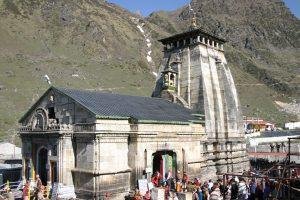
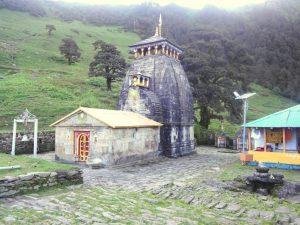
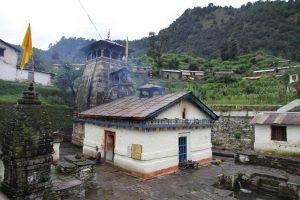
Kalpeshwar Temple, situated at an elevation of 2,200 meters (7,217 ft), showcases a blend of North Indian (Nagara) architectural style and traditional Garhwal vernacular aesthetics.
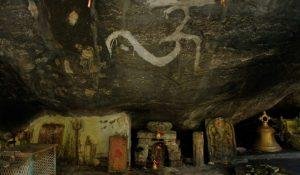
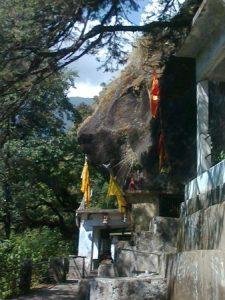
- The Sanctum (Garbhagriha): Constructed primarily of granite, the garbhagriha is approached through a natural cave passage. This geological formation aligns with the temple’s legend of Shiva vanishing into the earth.
- The Mandapa: A small, pillared hall precedes the sanctum, featuring intricate carvings typical of the 8th-10th century aesthetics, though the temple structure is believed to have been rebuilt over centuries.
- Sculptural Elements: The walls feature relief sculptures depicting deities of the Hindu pantheon, with a distinct emphasis on Shiva’s attributes (Trishul and Damaru).
While not a UNESCO World Heritage site, the temple falls under the administrative jurisdiction of the Uttarakhand Char Dham Devasthanam Board, ensuring preservation of its heritage status.
Darshan & Ritual Logistics
Daily Timings
Kalpeshwar remains open throughout the year. However, timings may vary slightly based on weather conditions and seasonal shifts in the Urgam valley.
| Session | Timing | Details |
|---|---|---|
| Morning | 06:00 AM – 1:00 PM | Includes morning Abhishekam and Aarti. |
| Evening | 5:00 PM – 8:00 PM | Evening Aarti and closing rituals. |
Key Sevas & Online Booking
Devotees can book standard Darshan online. Specialized Sevas are performed at the temple.
- Abhishekam: Ritual bathing of the Jatadhar idol with Panchamrit (milk, honey, curd, ghee, sugar).
- Archana: Personalized chanting of Shiva mantras (e.g., Rudrashtakam).
- Online Booking: Visit the official Uttarakhand Char Dham Devasthanam Board website. While standard darshan is free, Seva tickets range from INR 200 to 1,100 depending on the ritual.
2026 Festival Dates
Plan your visit around these significant 2026 dates:
- Maha Shivaratri: February 26, 2026
- Amarnath Yatra Season: July 2026 (Kalpeshwar serves as a spiritual precursor for many travelers)
- Diwali: November 1, 2026
Practical Visitor Guidance
Regulations & Etiquette
- Dress Code: Modest attire is mandatory. Traditional Indian wear (Saree, Kurta-Pajama) is preferred. Western clothing should be covered.
- Photography: Strictly prohibited inside the Garbhagriha (sanctum). General photography of the temple exterior is permitted.
- Electronics: Mobile phones are allowed but should be silenced. A locker facility is available at the entrance kiosk.
- Accessibility: The final 300-meter trek is steep but manageable. Wheelchairs are not available for the trek section, though assistance can be arranged at the base village of Urgam.
Crowd Management & Seasonal Advice
- Best Hours: For a meditative darshan, visit between 8:00 AM and 11:00 AM. Avoid weekends and Shivaratri if solitude is desired.
- Monsoon (July-Sept): Carry rain gear. The half-kuccha road from Helang can be slippery.
- Winter (Oct-Feb): Days are pleasant, but nights drop below freezing. Carry heavy woolens. The temple remains open, offering a mystical snowy backdrop.
Pilgrimage Connectivity
How to Reach Kalpeshwar
Kalpeshwar is located in the Urgam valley, approximately 253 km from Rishikesh.
- By Road: Take the NH7 (formerly NH58) towards Rishikesh to Joshimath. Turn at Helang. The temple is 243 km from Rishikesh to Helang via Joshimath. From Helang, a motorable road connects to Urgam village. The final leg is a 300-meter trek. Note: High-ground clearance vehicles are recommended for the Urgam road.
- By Air: Jolly Grant Airport (Dehradun) is the nearest airport, 272 km away.
- By Rail: The nearest railway head is Rishikesh Railway Station, 255 km away.
Nearby Sacred Sites
- Budha Kedar Temple: Located on the trek route, dedicated to Lord Shiva as the elder protector.
- Dhyan Badri Temple: Situated in Urgam village, one of the seven Sapt Badri temples.
- Joshimath: The winter seat of Lord Badrinath, only 2 hours away by road.
Frequently Asked Questions (FAQs)
Is there a VIP Darshan entry at Kalpeshwar?
Yes, the Devasthanam Board offers a Special Darshan ticket (usually INR 200-300) which allows devotees to bypass the general queue, especially during peak seasons like Maha Shivaratri.
How difficult is the Kalpeshwar trek?
The trek has been significantly shortened due to motorable road access. Currently, it is a 300-meter easy to moderate walk from the parking area. It is suitable for children and older adults with average fitness.
Can we visit Kalpeshwar during winter snowfall?
Absolutely. Kalpeshwar is the only Panch Kedar that remains open in winter. The views of the snow-clad Himalayas are breathtaking, but the temple interior remains warm due to constant lamp lighting.
Is accommodation available near the temple?
Basic guesthouses and GMVN (Garhwal Mandal Vikas Nigam) tourists lodges are available at Helang and Joshimath. Urgam village offers homestays for an immersive cultural experience.
What is the significance of the Kalpavriksha here?
It is believed that Sage Durvasa meditated under a divine wish-fulfilling tree, the Kalpavriksha, located within the temple complex. While the original tree’s location is part of legend, the energy of the site is associated with fulfilling sincere prayers.
Recent Posts

ओ सांवरे तूने ही मुझको संभाला – Lyrics & Meaning
ओ सांवरे तूने ही मुझको संभाला – A Prayer to Shyam Origin & Spiritual Essence Why This Bhajan Resonates Devotees chant this when overwhelmed by life’s storms—the refrain ‘तूने ही मुझको संभाला’ is the soul’s sigh of relief: “You…

कथा ये है महाराज मेरे की – Lyrics & Meaning
कथा ये है महाराज मेरे की छत्रपति संभाजी महाराज – A Prayer to Chhatrapati Sambhaji Maharaj Origin & Spiritual Essence Why This Bhajan Resonates Devotees chant this when their spirit feels tested—its powerful refrain “महाराज मेरे” is a soul’s…

Rigveda Samhita Yathartha Anuvada (ऋग्वेद संहिता यथार्थ अनुवाद) – Complete Set with Anvayartha & Hindi/English Translation
The Rigveda is the oldest surviving scripture of humanity and the foundational text of Sanātana Dharma. For serious students, scholars, UPSC aspirants studying ancient Indian history, Sanskrit learners, and spiritual seekers, a precise and grammatically structured translation is indispensable.…

आना भी अकेला है जाना भी अकेला है – Lyrics & Meaning | BharatTemples
आना भी अकेला है जाना भी अकेला है – A Prayer to the Divine Witness Origin & Spiritual Essence Why This Bhajan Resonates Devotees turn to this bhajan in moments of deep reflection—when life’s attachments begin to ache. The…

माता शेरावाली के द्वार जो भी जाता है – Lyrics & Meaning
माता शेरावाली के द्वार जो भी जाता है – A Prayer to Maa Sherawali Origin & Spiritual Essence Why This Bhajan Resonates Devotees turn to this bhajan in times of fear or uncertainty—its promise that no one leaves Maa’s…

मार लेना सपणी उबार लेणा भवरा – Lyrics & Meaning
मार लेना सपणी उबार लेणा भवरा – A Prayer to the Divine Beloved Origin & Spiritual Essence Why This Bhajan Resonates Devotees chant this in moments of deep vulnerability—its cry of “मार लेना सपणी, उबार लेणा भवरा” is the…

हमें श्याम सुंदर भरोसा तुम्हारा – Lyrics & Meaning
हमें श्याम सुंदर भरोसा तुम्हारा – A Prayer to Shyam Sundar Origin & Spiritual Essence Why This Bhajan Resonates Devotees chant this when feeling alone—its refrain ‘de do sahara’ is the soul’s cry for divine support. Lyrics in Hindi…

Mere Satguru Ne Di Thi Davai Lyrics in Hindi & Meaning
Mere Satguru Ne Di Thi Davai: Invoking the Guru’s Liberating Wisdom This soul-stirring bhajan venerates the Satguru (True Spiritual Master) as the divine physician who dispenses the only remedy for life’s deepest sufferings. Composed by Sant Karmaveer Tufani, it…

Janm Diyo Thari Maa Dukh Dekhiyo Lyrics in Hindi & Meaning
जन्म दियो थारी माँ दुख देखियो (Maa’s Grief Upon Birthing You) This soul-stirring Chetavani Bhajan (admonitory hymn) is addressed to the Divine Mother (Maa) – a call for repentance when children forget their filial duties in the dark age…
Bhadi Sabha Mein Thane Manaun Lyrics in Hindi & Meaning
Bhadi Sabha Mein Thane Manaun: Invoking the Spear-Wielding Mother Mata Bhawani (श्री ज्वाला भवानी), the fiery manifestation of Shakti worshipped as the Protector of Dharma in Her Dhaulagarh sanctum. Origin & Spiritual Essence Composed in Rajasthani folk tradition by…