Kalyana Venkateswara Temple, Srinivasamangapuram: History, Darshan Timings & Guide
Receive daily temple updates, divine darshan, and morning bhajans directly on WhatsApp.
Contents
- 1 Introduction & Spiritual Essence
- 2 Historical Origins & Scriptural Legend
- 3 Architectural Marvels
- 4 Darshan & Ritual Logistics
- 5 Practical Visitor Guidance
- 6 Pilgrimage Connectivity
- 7 Photo Gallery
- 8 Frequently Asked Questions (FAQ)
- 9 Contact Details
- 10 How to Reach:
Kalyana Venkateswara Temple, Srinivasamangapuram, Andhra Pradesh
| Date built: | – |
|---|---|
| Deity: | Venkateswara,Lakshmi narayan, Ranganthar |
| Architectural style: | Dravidian architecture |
| Major festivals | Brahmotsavams, Vaikuntha, Ekadasi |
| Locale: | Srinivasamangapuram, Tirupati |
| District:: | chittor |
| Address: | – |
| Phone | – |
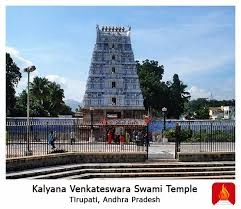
Sri Kalyana Venkateswara swamy Temple is an ancient Hindu Vaishnavite temple located at Srinivasamangapuram which is 12 km from Tirupati in Chittoor District of Andhra Pradesh, India. The temple is dedicated to Lord Venkateswara, a form of Vishnu and is referred to as Kalyana Venkateswara. The temple is categorised as an Ancient monument of National importance by Archaeological survey of India. It is one of the centrally protected monuments of national importance.The presiding deity of the temple is Venkateswara who is referred to as Kalyana Venkateswara. The deity will be facing west and is in standing posture with four hands with left two hands one in varada mundra and one holding Chakra and right two hands one in kati mudra and the other holding Shankha.The temple also hosts the deities of Lakshmi Narayana swamy and Sri Ranganatha swamy.
Introduction & Spiritual Essence
Located approximately 12 kilometers from the sacred town of Tirupati, the Sri Kalyana Venkateswara Swamy Temple in Srinivasamangapuram stands as a monumental testament to ancient devotion and architectural grandeur. Known affectionately as the “Kalyana Venkateswara” (Marriage Venkateswara), the presiding deity here is a form of Lord Vishnu.
Unlike the Tirumala temple where the deity faces east, the idol at Srinivasamangapuram faces west, symbolizing the cosmic directions of stability and protection. The Phalaśruti (scriptural benefits of visiting) holds that Lord Venkateswara appeared in this region to wed Goddess Padmavathi in the presence of Lord Ranganatha. Therefore, this temple is spiritually potent for devotees seeking:
- Marital Harmony: Believers perform rituals here to overcome obstacles in marriage proposals and reunions.
- Ancestral Blessings: It is believed that performing rites here cleanses Pitru Dosham (ancestral karma), bringing peace to departed souls.
- Health and Wealth: The west-facing idol is said to bring stability and prosperity to devotees’ lives.
📖 Related: Bhairabi Temple, Tezpur: History, Darshan Timings & Complete Guide
Historical Origins & Scriptural Legend
The Era of the Pallavas and the Cholas
While the original construction dates back to the Pallava period (7th–9th centuries CE), the temple underwent significant expansions during the Eastern Chola dynasty (10th–12th centuries CE). The structure is a protected monument under the Archaeological Survey of India (ASI).
The Sthala Purana (Local Legend)
According to local tradition, Srinivasamangapuram is the divine location where Lord Venkateswara, prior to his abode in Tirumala, is believed to have consecrated himself to bless his consort, Goddess Sri (Alamelu Mangamma), after obtaining her hand. The temple is often referred to as the “Dakshina Varanasi” (Varanasi of the South) due to its spiritual efficacy in performing final rites, though it is equally celebrated for the matrimonial blessings it bestows.
Architectural Marvels
The temple showcases the quintessential Dravidian style of architecture, characterized by towering gateways and pillared halls.
- Vimana and Shikhara: The Vimana (tower over the sanctum sanctorum) is a masterpiece of stone masonry, reflecting the early Chola artistry.
- Sanctum Sanctorum (Garbhagriha): The presiding deity, Kalyana Venkateswara, stands in a 6-foot idol in a strict Tribhanga posture (standing with bent knees). He holds the Chakra (discus) and Shankha (conch), while his left hands display the Varada Mudra (boon-giving gesture).
- Sub-Shrines: Within the complex, the temple houses smaller shrines dedicated to Lakshmi Narayana and Ranganatha. The presence of Ranganatha links this site to the cosmic lineage of Vishnu worship.
- Pillared Mandapas: The hall leading to the sanctum features ornate pillars carved with mythical beasts, dancers, and floral motifs, typical of the Vijayanagara influence added during later renovations.
📖 Related: Rangnath Dol Temple: History, Timings & Complete Guide
Darshan & Ritual Logistics
The temple administration follows a strict regimen of daily worship (Nitya Puja). Below are the general timings for Darshan and Sevas. Note: While we provide the standard schedule, devotees are advised to check the TTD official portal or the temple notice board for last-minute updates.
| Activity | Timings |
|---|---|
| Morning Temple Opening | 06:00 AM |
| Morning Darshan | 06:30 AM – 12:00 PM |
| Afternoon Break | 12:00 PM – 03:00 PM |
| Evening Darshan | 03:00 PM – 07:30 PM |
| Closing Time | 08:00 PM |
Key Sevas and Online Booking
Devotees can perform various sevas (services) to the deity. The most popular include the Suprabhatam (waking ritual), Kalyanam (celebratory ritual), and Abhishekam (ritual bathing of the idol).
Online Booking: All sevas can be booked via the official TTD website (tirumala.org). Select “Sri Kalyana Venkateswara Swamy Temple, Srinivasamangapuram” under the temple list.
2026 Festival Calendar (Tentative)
Mark your calendars for the grand celebrations in 2026:
- Vaikuntha Ekadasi: December 29, 2025 – January 7, 2026 (The most auspicious time; massive crowds expected).
- Brahmotsavams: March 15 – March 23, 2026 (Celebrate the celestial wedding rituals of Lord Venkateswara).
- Sri Rama Navami: April 6, 2026.
- Garuda Vahana Seva: Held during Brahmotsavams (March 2026).
Practical Visitor Guidance
- Dress Code: Traditional attire is mandatory. Men must wear Dhoti or trousers with a shirt. Women must wear saree, half-saree, or churidar with dupatta. Strictly no shorts or t-shirts.
- Photography: Photography is strictly prohibited inside the sanctum sanctorum. However, it is allowed in the outer courtyard and mandapas.
- Mobile Lockers: Shoe and mobile deposit facilities are available near the entrance free of charge. Bags are subject to security checks.
- Crowd Management: Unlike Tirumala, the crowds here are moderate. However, during Brahmotsavams and Ekadasi, the temple can get crowded. The best time for a peaceful darshan is Tuesday or Wednesday mornings between 8:00 AM and 10:00 AM.
- Seasonal Advice: Andhra summers (April–June) are extremely hot. Carry a water bottle and an umbrella. The temple complex provides free drinking water.
Pilgrimage Connectivity
Srinivasamangapuram is strategically located near the Tirupati-Dharmavaram highway, making it easily accessible.
How to Reach
- By Air: The nearest airport is Tirupati International Airport (TIR), located 25 km away (approx. 45 mins by road).
- By Rail: The nearest railway junction is Tirupati Railway Station (12 km away). Frequent buses and autos are available.
- By Road: The temple is located just off the Andhra Pradesh State Highway 61 (Tirupati-Dharmavaram Road). It is 12 km northwest of Tirupati.
📖 Related: Sivasagar Sivadol: History, Timings & Complete Pilgrimage Guide
Nearby Sacred Sites (Pilgrimage Circuit)
Extend your spiritual journey by visiting these nearby temples:
- Sri Kothandaramaswamy Temple (3 km): Located in the same village, this temple is dedicated to Lord Rama in his post-victory form.
- Kapila Theertham (15 km): A holy waterfall and temple dedicated to Lord Shiva, located at the foothills of Tirumala.
- Sri Venkateswara National Park (20 km): While not a temple, it is a spiritual retreat in nature, dedicated to the conservation of the Eastern Ghats.
Photo Gallery
images (61), Kalyana Venkateswara Temple, Srinivasamangapuram, Andhra Pradesh
images (60), Kalyana Venkateswara Temple, Srinivasamangapuram, Andhra Pradesh
images (59), Kalyana Venkateswara Temple, Srinivasamangapuram, Andhra Pradesh
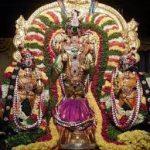
download (82), Kalyana Venkateswara Temple, Srinivasamangapuram, Andhra Pradesh
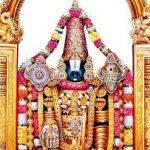
download (81), Kalyana Venkateswara Temple, Srinivasamangapuram, Andhra Pradesh
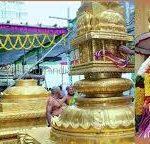
images (58), Kalyana Venkateswara Temple, Srinivasamangapuram, Andhra Pradesh
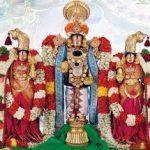
images (57), Kalyana Venkateswara Temple, Srinivasamangapuram, Andhra Pradesh
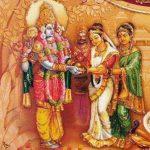
e4e06b007492e85f65b145ce3f710d6e, Kalyana Venkateswara Temple, Srinivasamangapuram, Andhra Pradesh
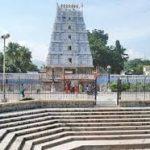
download (80), Kalyana Venkateswara Temple, Srinivasamangapuram, Andhra Pradesh
Frequently Asked Questions (FAQ)
1. Is there a VIP darshan entry at Srinivasamangapuram?
Yes, similar to Tirumala, the temple offers special darshan tickets (Rs. 100 and Rs. 200) that allow devotees to bypass the general queue. These can be purchased online or at the counter subject to availability.
2. Can we book the wedding seva (Kalyanam) online?
Yes, the “Kalyanam” seva (celebrating the divine wedding of Lord Venkateswara) can be booked online via the TTD website. It is highly auspicious for couples seeking marital bliss.
3. Is the temple ASI protected?
Absolutely. The temple is listed as a protected monument of national importance under the Archaeological Survey of India (ASI). However, daily worship is conducted by TTD (Tirumala Tirupati Devasthanams) priests.
4. What is the distance from Tirumala to Srinivasamangapuram?
The distance is approximately 15–18 km. It takes about 40 minutes to 1 hour by vehicle, depending on traffic.
5. Is accommodation available near the temple?
TTD has guest houses (Srinivasam) in Srinivasamangapuram itself. Additionally, ample private accommodation is available in Tirupati and Mangapuram.
Contact Details
Official Address:
Sri Kalyana Venkateswara Swamy Temple,
Srinivasamangapuram Post,
Tirupati Mandal, Chittoor District,
Andhra Pradesh – 517504.
How to Reach:
(Refer to Pilgrimage Connectivity section above for detailed travel instructions via NH/State Highway).