

Contents
- 1 Kanathur Shiva Temples: A Definitive Pilgrimage Guide to Kanchipuram’s Hidden Gem
Nestled along the spiritual coastline of Tamil Nadu, the Kanathur Shiva Temples offer a unique glimpse into ancient Saivite traditions. Unlike the grand, towering gopurams of the famous Kanchipuram Kamakshi temple, Kanathur presents an intimate, raw spiritual experience where nature and divinity merge seamlessly. This definitive guide explores the history, rituals, and practical logistics for devotees planning a pilgrimage in 2026.
Introduction & Spiritual Essence
The Kanathur Shiva Temples, located roughly 10 km from Kalpakkam and 2 km from Koovathur on the East Coast Road (ECR), are not single temple but a complex of two ancient shrines dedicated to Lord Shiva. These temples are known for their distinct, open-air sanctums where the Swayambhu (self-manifested) Shiva Lingams reside under the open sky, exposed to the elements.
Phalaśruti: The Benefits of Visit
According to local tradition, the primary deity, referred to as Kanathur Nathar (the Lord of Kanathur), is a Dakshina Murthy form. Devotees visit this sacred site to:
- Overcome Fear: Performing Abhishekam (ritual bathing) with plain water is believed to eliminate fear from enemies and evil forces.
- Sleep and Wealth: The temple houses an idol of Jeshta Devi (also known as Jyeshta Devi), the goddess associated with sleep and wealth. Worshipping her is believed to bring sound sleep and prosperity.
- Ancestral Karma: The open-air nature of the Lingam allows for direct solar energy absorption, believed to aid in cleansing ancestral karma during specific planetary hours.
Historical Origins & Scriptural Legend
While precise historical records of the Kanathur Shiva Temples are scarce, local legends and architectural clues point to a rich past.
Builders and Timeline
The temples exhibit signs of Pallava influence, characteristic of the 8th to 9th centuries CE, followed by later Chola additions. However, they have undergone minimal structural renovations, preserving their primitive state. Tradition holds that these shrines were established by local chieftains who were ardent devotees of Shiva.
Scriptural References and Sthala Purana
Although the specific Sthala Purana (local legend) of Kanathur is primarily oral, the temple is deeply connected to the concept of Dakshina Murthy. In the scriptures, Dakshina Murthy is the Guru (teacher) aspect of Shiva, facing south. Pilgrims believe that visiting Kanathur is equivalent to seeking blessings from the primordial teacher.
According to temple records and priestly tradition, the Shiva Lingam here has been worshipped continuously for centuries, surviving the salty coastal air and changing landscapes.
Architectural Marvels
The Kanathur Shiva Temples are a prime example of Dravidian Architecture, specifically the Pallava style, characterized by simplicity and rock-cut elements rather than elaborate stone carvings.
Structural Design
- The Sanctum (Garbhagriha): The primary shrine is open to the sky, lacking a traditional roof (Vimana). This unique feature allows sunlight to directly fall on the Shiva Lingam during specific times of the day.
- Sub-Shrines: Adjacent to the main Lingam is a shrine for Ganesha and Jeshta Devi. The Ganesha idol shows signs of age and natural wear.
- Mandapa: A small stone Mandapa (hall) provides shelter for devotees, featuring sturdy stone pillars typical of early Dravidian construction.
- The Tank: A sacred tank (Kalyani Theertham) is located in front of the temple, which is essential for performing rituals.
| Date built: | – |
|---|---|
| Deity: | Kanathur Shiva |
| Architectural style: | Dravidian architecture |
| Major festivals | – |
| Locale: | Kanchipuram |
| District:: | Kanchipuram |
| Address: | – |
| Phone | +91 – 9751736775 / 9940629122 / 9626107659. |
Darshan & Ritual Logistics
The Kanathur Shiva Temples are unique in their ritual observance. Unlike major temples that are open daily, this shrine has specific worship windows.
Opening Hours & Daily Timings
Note: The temple is generally open to the public only on Pradosham days (the 13th day of the waxing and waning moon) and Monday evenings. However, for the purpose of the 2026 pilgrimage season, devotees should coordinate with the temple trust for daily access during specific auspicious windows.
| Session | Timing | Notes |
|---|---|---|
| Morning | 07:00 AM – 10:00 AM | Subject to priest availability; call ahead. |
| Evening (Pradosham) | 05:30 PM – 07:30 PM | Recommended time for Darshan. |
Key Sevas (Rituals)
- Abhishekam: Performed with plain water or milk (optional). This is the primary ritual here.
- Archana: Chanting of Lord’s names.
- Deepa Aradhana: Lamp offering.
Online Booking: Currently, the Kanathur Shiva Temples do not have a dedicated online portal for seva booking. Devotees are requested to contact the temple management via the provided phone numbers (+91 – 9751736775 / 9940629122 / 9626107659) to schedule special Abhishekams.
2026 Festival Dates
Planning a visit during these times ensures maximum spiritual energy:
- Maha Shivaratri: February 26, 2026 (Thursday)
- Pradosham: Every 13th lunar day (Twice monthly). Key dates in 2026 include Jan 14, Jan 28, Feb 13, etc.
- Arudra Darshanam: Typically falls in December/January (Celebration of Nataraja form).
Practical Visitor Guidance
Because of the temple’s primitive location on the ECR stretch, facilities are basic. Preparation is key.
- Dress Code: Traditional attire is highly recommended. Men should wear dhotis or trousers with a shirt; women should wear sarees or salwar kameez.
- Photography: Generally permitted in the outer areas but prohibited inside the inner sanctum. Seek permission for professional equipment.
- Mobile Lockers: There are no modern locker facilities. Travel light.
- Crowd Management: The temple sees moderate crowds only on Pradosham days and Mondays. Best Hours: Early morning (7 AM – 9 AM) or late evening (6 PM – 7 PM) to avoid the midday coastal heat.
- Seasonal Advice: Carry sufficient water. The coastal heat can be intense from April to June. A hat/cap is advised.
Pilgrimage Connectivity
How to Reach
Kanathur is strategically located on the East Coast Road (ECR), making it easily accessible from Chennai and Puducherry.
- Nearest Airport: Chennai International Airport (MAA) – Approx. 70 km (1.5 hours drive via ECR).
- Nearest Railway Station: Kanchipuram Railway Station (35 km) or Chengalpattu Junction (30 km).
- By Road:
- Take the East Coast Road (ECR – NH 332) heading south from Chennai.
- Pass through Mahabalipuram and Kalpakkam.
- Look for the Koovathur turn.
Nearby Sacred Sites (Pilgrimage Circuit)
Expand your spiritual journey by visiting these nearby locations:
- Koovathur Iswara Temple: Located just 2 km away, another ancient Shiva temple with a beautiful pond.
- Shore Temple, Mahabalipuram: A UNESCO World Heritage site located about 20 km north (UNESCO status applicable).
- Saikadashiva Temple (Kanchipuram): Head west into Kanchipuram city (approx. 35 km) to visit the famous Ekambareswarar and Kamakshi temples.
Photo Gallery
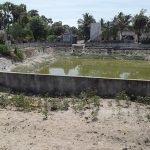
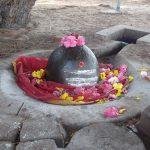
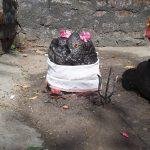
How to Reach
To reach Kanathur, set your GPS destination to Koovathur. The temples are a short distance from the main ECR highway. Local auto-rickshaws from Kalpakkam or Koovathur can take you directly to the site.
Frequently Asked Questions (FAQ)
1. Is there a VIP darshan entry at Kanathur Shiva Temples?
As this is a heritage site without commercial infrastructure, there is no formal VIP darshan system. The darshan is open and free for all devotees.
2. What is the significance of Pradosham at this temple?
Pradosham is the most important time to visit Kanathur. It is believed that worshipping Shiva during the twilight of Pradosham washes away sins.
3. Are there hotels near Kanathur?
Basic guesthouses are available in Koovathur and Kalpakkam. For better amenities, it is recommended to stay in Kanchipuram city or Mahabalipuram.
4. Is the temple wheelchair accessible?
Due to the traditional architecture and sand/rocky surroundings, wheelchair access to the inner sanctum is difficult. However, the outer area is relatively flat.
5. Can we perform our own Abhishekam?
Yes, devotees are allowed to perform Abhishekam with water provided at the temple tank, but it is respectful to coordinate with the temple priest.
Contact Details
For priest coordination and timings (as details can change):
- Phone: +91 – 9751736775 / 9940629122 / 9626107659
Recent Posts

ओ सांवरे तूने ही मुझको संभाला – Lyrics & Meaning
ओ सांवरे तूने ही मुझको संभाला – A Prayer to Shyam Origin & Spiritual Essence Why This Bhajan Resonates Devotees chant this when overwhelmed by life’s storms—the refrain ‘तूने ही मुझको संभाला’ is the soul’s sigh of relief: “You…

कथा ये है महाराज मेरे की – Lyrics & Meaning
कथा ये है महाराज मेरे की छत्रपति संभाजी महाराज – A Prayer to Chhatrapati Sambhaji Maharaj Origin & Spiritual Essence Why This Bhajan Resonates Devotees chant this when their spirit feels tested—its powerful refrain “महाराज मेरे” is a soul’s…

Rigveda Samhita Yathartha Anuvada (ऋग्वेद संहिता यथार्थ अनुवाद) – Complete Set with Anvayartha & Hindi/English Translation
The Rigveda is the oldest surviving scripture of humanity and the foundational text of Sanātana Dharma. For serious students, scholars, UPSC aspirants studying ancient Indian history, Sanskrit learners, and spiritual seekers, a precise and grammatically structured translation is indispensable.…

आना भी अकेला है जाना भी अकेला है – Lyrics & Meaning | BharatTemples
आना भी अकेला है जाना भी अकेला है – A Prayer to the Divine Witness Origin & Spiritual Essence Why This Bhajan Resonates Devotees turn to this bhajan in moments of deep reflection—when life’s attachments begin to ache. The…

माता शेरावाली के द्वार जो भी जाता है – Lyrics & Meaning
माता शेरावाली के द्वार जो भी जाता है – A Prayer to Maa Sherawali Origin & Spiritual Essence Why This Bhajan Resonates Devotees turn to this bhajan in times of fear or uncertainty—its promise that no one leaves Maa’s…

मार लेना सपणी उबार लेणा भवरा – Lyrics & Meaning
मार लेना सपणी उबार लेणा भवरा – A Prayer to the Divine Beloved Origin & Spiritual Essence Why This Bhajan Resonates Devotees chant this in moments of deep vulnerability—its cry of “मार लेना सपणी, उबार लेणा भवरा” is the…

हमें श्याम सुंदर भरोसा तुम्हारा – Lyrics & Meaning
हमें श्याम सुंदर भरोसा तुम्हारा – A Prayer to Shyam Sundar Origin & Spiritual Essence Why This Bhajan Resonates Devotees chant this when feeling alone—its refrain ‘de do sahara’ is the soul’s cry for divine support. Lyrics in Hindi…

Mere Satguru Ne Di Thi Davai Lyrics in Hindi & Meaning
Mere Satguru Ne Di Thi Davai: Invoking the Guru’s Liberating Wisdom This soul-stirring bhajan venerates the Satguru (True Spiritual Master) as the divine physician who dispenses the only remedy for life’s deepest sufferings. Composed by Sant Karmaveer Tufani, it…

Janm Diyo Thari Maa Dukh Dekhiyo Lyrics in Hindi & Meaning
जन्म दियो थारी माँ दुख देखियो (Maa’s Grief Upon Birthing You) This soul-stirring Chetavani Bhajan (admonitory hymn) is addressed to the Divine Mother (Maa) – a call for repentance when children forget their filial duties in the dark age…
Bhadi Sabha Mein Thane Manaun Lyrics in Hindi & Meaning
Bhadi Sabha Mein Thane Manaun: Invoking the Spear-Wielding Mother Mata Bhawani (श्री ज्वाला भवानी), the fiery manifestation of Shakti worshipped as the Protector of Dharma in Her Dhaulagarh sanctum. Origin & Spiritual Essence Composed in Rajasthani folk tradition by…