
Contents
Introduction & Spiritual Essence
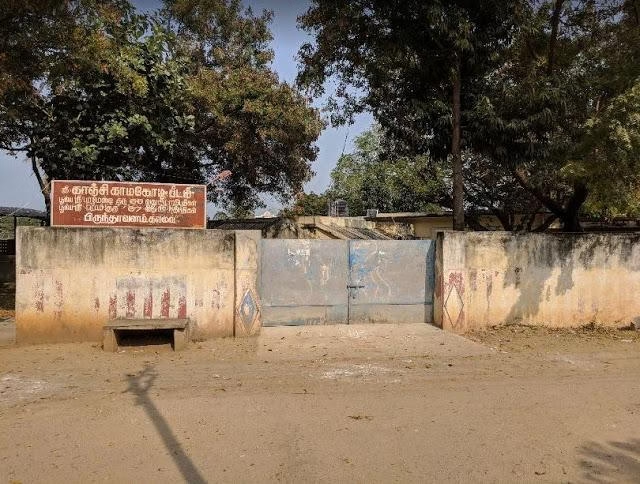
The Kanchi Kamakoti Peetam in Kalavai, Vellore, stands not merely as a stone structure but as a living embodiment of the Guru-Shishya Parampara (teacher-disciple lineage). While the primary seat of the matha is in Kanchipuram, the Kalavai branch holds a unique and profound spiritual potency, often referred to by devotees as the “Karma Sthala” (place of action/destiny).
Primary Deity and Form
The presiding deity of the Peetam is Kanchi Kamakoti, a form of Shiva-Shakti (Ardhanarishvara form) symbolizing the fusion of cosmic energy. In the Kalavai context, the “Deity” is often spiritually identified with the Adhi Shanmuga form. However, the spiritual essence here is deeply tied to the Kanchi Kamakoti lineage itself.
Phalaśruti: Why Devotees Visit
Devotees flock to Kalavai for specific spiritual benefits, rooted in the legends of the 68th Acharya:
- Cleansing Ancestral Karma: The presence of the Adhistanams (memorial shrines) of the 66th and 67th Acharyas makes this a powerful site for Pitru Tarpana and healing ancestral lineage issues.
- Guru Kripa: It is believed that the 68th Acharya, Sri Chandrasekarendra Saraswathi Swamiji (Mahaperiyava), attained his Sanyasa Diksha here. Praying here is said to grant wisdom and protection.
- Removal of Obstacles: The miraculous legend of the Tulsi plant growing from the stone where the initiation took place signifies the presence of the Guru even in physical absence, aiding in removing Vighnas (obstacles).
Historical Origins & Scriptural Legend
Foundations of the Matha
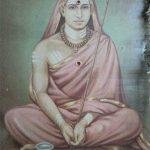
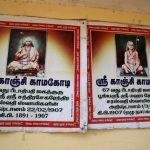
While the Kanchi Kamakoti Peetam dates back to ancient times, the Kalavai branch gained prominence through the recent history of the Mutt. It houses the Adhistanams (memorial stones) of the 66th (Sri Chandrasekarendra Saraswathi VII) and 67th (Sri Mahadevendra Saraswathi V) Pontiffs. The 68th Pontiff, revered as Mahaperiyava, was ordained as the Peetathipathi here.
The Legend of 1906: The 68th Ascension
According to temple records and oral tradition, the events of 1906 are central to the spiritual history of Kalavai.
“Tradition holds that when the 67th Peetathipathi (Sri Mahadevendra Saraswathi V) entered Maha Samadhi, the Paramacharya was at Kanchipuram. A hereditary Maistry of the Kalavai Mutt sought him out and escorted him separately from his family. Upon arrival in Kalavai, the 67th Peetathipathi waited only seven days—until the young Swaminathan (the pre-monastic name of Mahaperiyava) arrived—before attaining Siddhi (final liberation).”
The Miracle of the Tulsi
The most profound legend associated with Kalavai is the initiation ceremony. Since the 67th Acharya had passed, there was no living Guru to perform the initiation. The young Swaminathan sat on a stone slab between the two previous Gurus’ Adhistanams. He was ordained by Aadi Sankara himself (said to be the miracle of the lineage). Today, a Tulsi plant grows from the very stone slab where he sat. It is a Swayambhu manifestation (self-manifested), and the plant is considered the physical presence of the Guru.
Architectural Marvels
The Kalavai Kanchi Kamakoti Peetam is a fine example of Dravidian Architecture, characterized by its rustic simplicity and immense spiritual gravity.
Style and Vastu
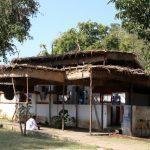
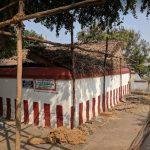
The complex is designed according to traditional Thagashastra (Vastu) principles, aligning the entrance and the sanctum with the rising sun. Unlike the towering Rajagopurams of major temples, the Peetam features a modest, white-washed exterior typical of a Sanyasi abode, focusing inward on the Garbhagriha (sanctum sanctorum).
Notable Features
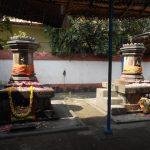
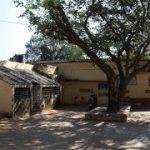
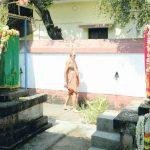
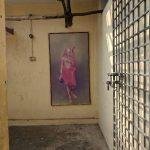
- The Adhistanams: Located in a serene, enclosed courtyard, these memorials are built of traditional stone and offer a space for silent meditation.
- The Tulsi Vana: The sanctity of the stone slab where the 68th Peetathipathi took Sanyasa is the spiritual center of the matha.
- The Prakaram: The inner corridors house images of various Alwars and Nayanmars, guiding the devotee through the lineage of Tamil Saivism.
Darshan & Ritual Logistics
Timings for the Kalavai Peetam are generally consistent, but visitors are advised to call ahead during major festivals. The matha follows traditional Agni rituals.
| Activity | Timings (2026 Schedule) |
|---|---|
| Morning Darshan | 6:00 AM – 12:00 PM |
| Afternoon Break | 12:00 PM – 4:00 PM |
| Evening Darshan | 4:00 PM – 8:00 PM |
| Special Abhishekam | Daily: 7:00 AM & 6:00 PM |
Seva Details & Online Booking
The Peetam administers specific Sevas dedicated to the Guru Parampara. While traditional booking is done in person, the Kanchi Kamakoti Peetam administration facilitates offerings.
- Guru Puja: Performed at the Adhistanams.
- Vishnu Sahasranama/Chandi Homam: Requires prior notice (3 days).
- Online Seva: Devotees can perform Abhishekam and Archana remotely through the official Kanchi Peetam website or by contacting the Kalavai branch directly.
2026 Festival Calendar (Highlights)
- Jan 2026 (Pongal): Special Pongal Abhishekam and Annadhanam.
- Feb 2026 (Thai Poosam): Major festival in Kalavai. Expect large crowds; Matha remains open until 10 PM.
- Aug 2026 (Gokulashtami): Celebrations of the birth of Lord Krishna.
- Nov 2026 (Karthigai Deepam): Lighting of lamps at the Adhistanam courtyard.
Practical Visitor Guidance
Dress Code & Etiquette
As a Matha and traditional temple, modesty is mandatory.
- Men: Dhoti (or pants with a shirt, though Dhoti is preferred for rituals).
- Women: Saree, Salwar Kameez, or traditional attire.
- Photography: Strictly prohibited inside the sanctum and near the Adhistanams. Casual photography in the outer courtyard may be allowed with permission; ask the Matha caretaker first.
- Mobile Phones: Phones should be kept on silent. Lockers are generally not available in the matha itself; please leave valuables in your vehicle.
Crowd Management & Seasons
- Best Time to Visit: Early morning (6:00 AM – 8:00 AM) for the most serene experience.
- Summer (March – May): Kalavai can get very hot. Carry a water bottle and an umbrella. The temple provides drinking water.
- Monsoon (Oct – Dec): Roads to Kalavai can be slippery; drive cautiously.
Pilgrimage Connectivity
How to Reach
Kalavai is a historic town in Vellore District, well-connected by road but requires planning.
- By Air: Chennai International Airport (MAA) is the nearest airport, located approximately 100 km away. Taxis are available directly to Kalavai.
- By Train: The nearest major railway junction is Vellore Katpadi Junction (VLR) (approx 40 km). Alternatively, Ranipet (RPT) (24 km) is a smaller station.
- By Road: Kalavai is accessible via the Chennai-Bangalore Highway (NH 75). Take the diversion at Karai/Kalavai Koot Road. It is 24 km from Arcot and 39 km from Kanchipuram.
Nearby Sacred Sites
Extend your pilgrimage to these significant locations near Kalavai:
- Kailasanathar Temple, Kalavai: An ancient cave temple dedicated to Lord Shiva, located within walking distance of the Matha.
- Kanchi Kamakoti Peetam, Kanchipuram: The main seat of the Matha, 40 km away, housing the main shrine of Goddess Kamakshi.
- Arcot Aadhi Varaha Temple: Located 23 km away, dedicated to Lord Varaha (Boar avatar of Vishnu), significant for overcoming fear.
Frequently Asked Questions (FAQ)
1. Is there a VIP darshan entry available?
As a Matha primarily, VIP entry is not defined as in commercial temples. However, elderly devotees and those with specific medical needs are usually allowed direct entry by informing the Mutt Manager at the gate.
2. What is the significance of the Tulsi plant in the Matha?
The Tulsi plant growing from the stone slab is revered as the physical manifestation of Mahaperiyava (the 68th Peetathipathi). Devotees are not allowed to pluck leaves from this specific plant; offerings are placed around it.
3. Are there accommodation facilities in the Matha?
The Kalavai Matha has limited guest rooms for devotees. It is highly recommended to book in advance through the Kalavai Matha office contact number. Alternatively, Vellore (40 km) and Arcot (23 km) offer hotels and lodges.
4. Can we perform last rites or Shradh ceremonies here?
Yes, the Kalavai Peetam is a Sthala highly suited for Shradh and Pitru Tarpanam due to the presence of the Adhistanams of the Gurus. Priests are available to perform rituals for the departed souls of the devotee’s ancestors.
5. Is the temple wheelchair accessible?
The outer courtyards are accessible by wheelchair. However, the inner sanctum and the Adhistanam area have traditional stone steps. Assistance is required for wheelchair users to navigate these areas.
Recent Posts

ओ सांवरे तूने ही मुझको संभाला – Lyrics & Meaning
ओ सांवरे तूने ही मुझको संभाला – A Prayer to Shyam Origin & Spiritual Essence Why This Bhajan Resonates Devotees chant this when overwhelmed by life’s storms—the refrain ‘तूने ही मुझको संभाला’ is the soul’s sigh of relief: “You…

कथा ये है महाराज मेरे की – Lyrics & Meaning
कथा ये है महाराज मेरे की छत्रपति संभाजी महाराज – A Prayer to Chhatrapati Sambhaji Maharaj Origin & Spiritual Essence Why This Bhajan Resonates Devotees chant this when their spirit feels tested—its powerful refrain “महाराज मेरे” is a soul’s…

Rigveda Samhita Yathartha Anuvada (ऋग्वेद संहिता यथार्थ अनुवाद) – Complete Set with Anvayartha & Hindi/English Translation
The Rigveda is the oldest surviving scripture of humanity and the foundational text of Sanātana Dharma. For serious students, scholars, UPSC aspirants studying ancient Indian history, Sanskrit learners, and spiritual seekers, a precise and grammatically structured translation is indispensable.…

आना भी अकेला है जाना भी अकेला है – Lyrics & Meaning | BharatTemples
आना भी अकेला है जाना भी अकेला है – A Prayer to the Divine Witness Origin & Spiritual Essence Why This Bhajan Resonates Devotees turn to this bhajan in moments of deep reflection—when life’s attachments begin to ache. The…

माता शेरावाली के द्वार जो भी जाता है – Lyrics & Meaning
माता शेरावाली के द्वार जो भी जाता है – A Prayer to Maa Sherawali Origin & Spiritual Essence Why This Bhajan Resonates Devotees turn to this bhajan in times of fear or uncertainty—its promise that no one leaves Maa’s…

मार लेना सपणी उबार लेणा भवरा – Lyrics & Meaning
मार लेना सपणी उबार लेणा भवरा – A Prayer to the Divine Beloved Origin & Spiritual Essence Why This Bhajan Resonates Devotees chant this in moments of deep vulnerability—its cry of “मार लेना सपणी, उबार लेणा भवरा” is the…

हमें श्याम सुंदर भरोसा तुम्हारा – Lyrics & Meaning
हमें श्याम सुंदर भरोसा तुम्हारा – A Prayer to Shyam Sundar Origin & Spiritual Essence Why This Bhajan Resonates Devotees chant this when feeling alone—its refrain ‘de do sahara’ is the soul’s cry for divine support. Lyrics in Hindi…

Mere Satguru Ne Di Thi Davai Lyrics in Hindi & Meaning
Mere Satguru Ne Di Thi Davai: Invoking the Guru’s Liberating Wisdom This soul-stirring bhajan venerates the Satguru (True Spiritual Master) as the divine physician who dispenses the only remedy for life’s deepest sufferings. Composed by Sant Karmaveer Tufani, it…

Janm Diyo Thari Maa Dukh Dekhiyo Lyrics in Hindi & Meaning
जन्म दियो थारी माँ दुख देखियो (Maa’s Grief Upon Birthing You) This soul-stirring Chetavani Bhajan (admonitory hymn) is addressed to the Divine Mother (Maa) – a call for repentance when children forget their filial duties in the dark age…
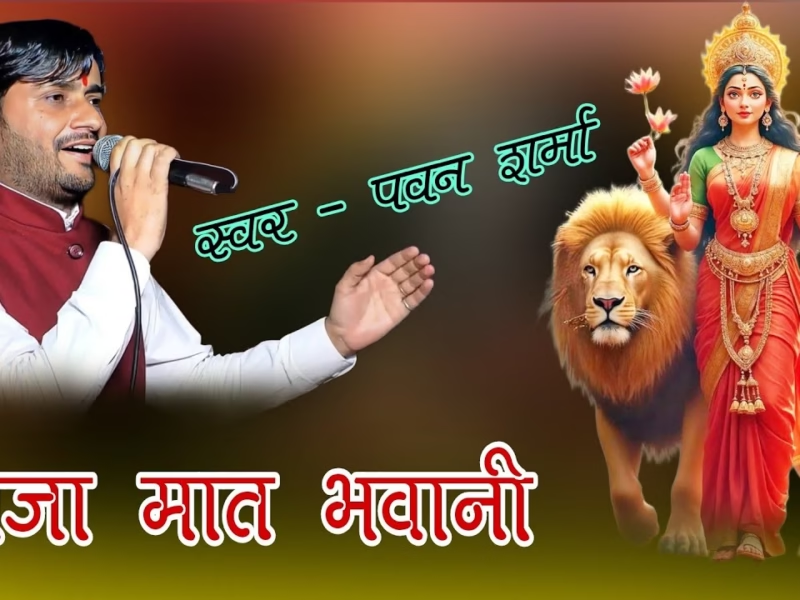
Bhadi Sabha Mein Thane Manaun Lyrics in Hindi & Meaning
Bhadi Sabha Mein Thane Manaun: Invoking the Spear-Wielding Mother Mata Bhawani (श्री ज्वाला भवानी), the fiery manifestation of Shakti worshipped as the Protector of Dharma in Her Dhaulagarh sanctum. Origin & Spiritual Essence Composed in Rajasthani folk tradition by…