
Contents
Introduction & Spiritual Essence
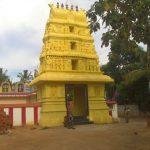
The Karavilagam Krishna Temple, situated in the heart of Marthandam, Kanyakumari District, is a sanctuary of devotion dedicated to Lord Krishna (an avatar of Lord Vishnu). Unlike many ancient shrines where the deity is a later addition, this temple is revered for the Swayambhu (self-manifested) nature of the deity. The term “Karavilagam” itself is deeply rooted in local folklore, often associated with the coral-like structure of the region and the divine presence residing within it.
Phalaśruti (Spiritual Benefits): Devotees flock to this temple seeking blessings for family harmony and relief from Rahu-Ketu doshas (planetary afflictions). It is widely believed that performing specific rituals here helps cleanse ancestral karma, ensuring peace for forefathers and prosperity for the living. The primary deity is Lord Krishna, enshrined as a Murti that radiates serenity, often depicted holding the flute, symbolizing the call of the divine soul.
Historical Origins & Scriptural Legend
While specific inscriptional evidence dating the temple to a single dynasty is sparse in modern records, the architecture and oral traditions suggest a history spanning several centuries. The temple structure and its sanctity have been preserved and renovated by the local community and the Travancore Royal Family, who were prominent patrons of the arts and spirituality in this region.
Scriptural References: According to local legends, the Sthala Purana narrates the story of a pious merchant who worshipped Lord Vishnu on these very grounds. It is said that the Lord appeared before him in the form of a young Krishna (Balakrishna) amidst the Karavila (coral) groves.
Temple records indicate that the current structure was standardized during the early 19th century, under the patronage of local chieftains and the administrative machinery of the erstwhile Travancore kingdom, which oversaw Kanyakumari before its integration into Tamil Nadu. The temple stands as a testament to the region’s syncretic culture, blending Kerala and Tamil architectural sensibilities.
Architectural Marvels
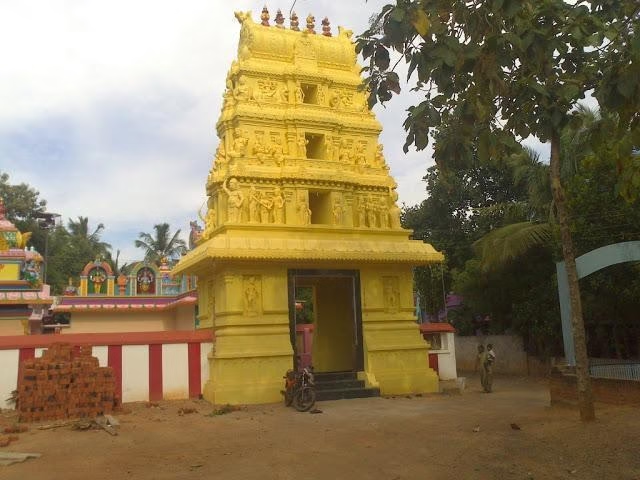
The Karavilagam Krishna Temple is a quintessential example of the Dravidian architectural style. Unlike the towering Nagara style of North India, this temple emphasizes horizontal spread and a layered, pyramid-like Gopuram (gateway tower).
- The Sanctum Sanctorum (Garbhagriha): The inner sanctum houses the central deity, Lord Krishna. The layout follows Vastu Shastra principles, aligning the shrine with cosmic energies. The sanctum is designed to ensure that the first rays of the sun (Surya) touch the deity’s feet during certain equinoxes.
- Mandapas: The temple features several Mandapas (pillared halls) used for rituals, music, and dance. The ceilings are adorned with intricate carvings depicting scenes from the Puranas, specifically the Bhagavata Purana (the life of Krishna).
- Artistry: The Shikhara (dome) is minimal yet elegant, characteristic of Kanyakumari region temples. The pillars are carved with motifs of Yalis (mythical creatures) and floral patterns, showcasing the high level of craftsmanship prevalent during the construction era.
Note: While specific ASI/UNESCO status is not listed for this specific shrine, it falls under the purview of the Hindu Religious and Charitable Endowments (HR&CE) Department of Tamil Nadu, ensuring its preservation.
Darshan & Ritual Logistics
Visiting the Karavilagam Krishna Temple requires an understanding of the daily liturgical cycle. The temple follows standard South Indian timings, opening early in the morning and closing after the night rituals.
Daily Timings
Please note: Temple timings are subject to change during festival seasons. It is advisable to call ahead.
| Session | Timings | Description |
|---|---|---|
| Morning | 6:00 AM – 12:00 PM | Includes Opening, Abhishekam, and Archana |
| Afternoon | 12:00 PM – 4:00 PM | Temple Closed (Rest period for the Deity) |
| Evening | 4:00 PM – 8:00 PM | Darshan closes after Deeparadhana |
Key Sevas & Online Booking
Devotees can participate in various Sevas (ritual services) to deepen their spiritual connection. With the digitization of temple services, many can be booked online.
- Abhishekam: The ritual bathing of the deity with milk, honey, and sandalwood paste. Best performed on Sri Krishna Jayanthi or Ekadashi days.
- Archana: Chanting the names of the Lord. Personal or family names can be recited.
- Thulabharam: Offering commodities (rice, sugar) weighing equivalent to the devotee.
Booking: While local on-site booking is prevalent, visit the Tamil Nadu HR&CE Department website or the local temple office to confirm online availability for 2026.
2026 Festival Calendar
Plan your visit around these major celestial events:
- January (Pongal): Special Alankaram and Pot Rice offering.
- March (Meenam): Laksha Deepam (Lakh Lamps) and Brahmotsavam.
- August (Krishna Janmashtami): The most significant festival here. The temple remains open throughout the night with special prayers and cultural programs.
- November (Deepavali): Early morning Nataraja Darshan and Oil Abhishekam.
Practical Visitor Guidance
To ensure a smooth Darshan experience, adhere to the following guidelines:
- Dress Code: Traditional attire is mandatory. Men must wear Dhotis (white or colored) with or without shirts. Women are required to wear Saree, Half-Saree, or Salwar Kameez. Strictly no shorts, trousers, or modern casual wear allowed inside the sanctum.
- Photography & Mobiles: Photography is strictly prohibited inside the sanctum sanctorum. Mobile phones are allowed but must be switched to silent mode. Use the mobile locker facilities provided at the entrance.
- Crowd Management:
- Best Time: Weekday mornings (Tuesday and Friday are auspicious but crowded). Avoid weekends and festival evenings if seeking a quiet Darshan.
- Seasonal Advice: Marthandam can be humid. In May and June, carry a water bottle and a handkerchief. The temple provides free water (Theertham) in the waiting hall.
- Accessibility: The temple has ramps for wheelchair access to the outer halls, but the inner sanctum is narrow and requires assistance.
Pilgrimage Connectivity
Located in Marthandam (also known as Thoduvetty), the temple is a central landmark.
How to Reach
- By Road: Karavilagam Temple is approximately 2 km from Marthandam Bus Stand (Central Bus Stand). Marthandam lies on the NH 66 (formerly NH 47) connecting Trivandrum and Nagercoil. Auto-rickshaws are readily available from the bus stand and nearby Kuzhithurai.
- By Rail: The nearest major railway junction is Kuzhithurai (approx. 4 km), which is a stop for most trains between Trivandrum and Kanyakumari. Alternatively, Nagercoil Junction is 27 km away.
- By Air: The nearest airport is Trivandrum International Airport (TRV) in Kerala, approximately 50 km from Marthandam.
Nearby Sacred Sites (The Pilgrimage Circuit)
- Thiruvattar Adikesava Perumal Temple: Located 7 km away. A massive temple complex dedicated to Lord Vishnu, surrounded by three rivers.
- Udayagiri Mahadeva Temple: 12 km from Marthandam. Famous for the Rudra Sthapathi (Lord Shiva) as the main deity and the Gaja Sauri (Elephant-faced Shiva).
- Kanyakumari Amman Temple: The southernmost tip of India (48 km). Essential for a complete pilgrimage circuit, dedicated to Goddess Kanyakumari.
Frequently Asked Questions (FAQ)
1. Is there a VIP darshan entry available?
While there is no separate VIP entry like in Tirupati, devotees who book special Sevas (like Abhishekam or Archana) are accorded priority during the ritual times. It is recommended to book these Sevas in advance to bypass general queues.
2. What are the parking facilities like?
Karavilagam Temple has a dedicated two-wheeler parking area near the entrance. Four-wheeler parking is limited on the main road due to the narrow market lane. It is advisable to park near the Marthandam Bus Stand (paid parking) and take an auto-rickshaw to the temple.
3. Can we carry Prasadam from outside?
Outside food is generally not allowed inside the temple premises. However, you can offer items like Tulsi leaves, bananas, or coconuts at the entrance counter for the priest to offer to the deity. The temple kitchen serves simple Prasadam (curd rice or Pongal) during noon and evening hours.
4. Is the temple open on all days?
Yes, the temple is open year-round. However, the sanctum may close for a brief period on days of solar or lunar eclipses according to Hindu tradition. Always check local announcements.
5. What is the significance of the name “Karavilagam”?
Etymologically, it is believed to derive from “Karavila” (a type of wild vine or medicinal plant) that might have been abundant in the region. Alternatively, some folklore connects it to the reddish soil (resembling coral) found in Marthandam, known for its mineral richness.

Recent Posts

ओ सांवरे तूने ही मुझको संभाला – Lyrics & Meaning
ओ सांवरे तूने ही मुझको संभाला – A Prayer to Shyam Origin & Spiritual Essence Why This Bhajan Resonates Devotees chant this when overwhelmed by life’s storms—the refrain ‘तूने ही मुझको संभाला’ is the soul’s sigh of relief: “You…

कथा ये है महाराज मेरे की – Lyrics & Meaning
कथा ये है महाराज मेरे की छत्रपति संभाजी महाराज – A Prayer to Chhatrapati Sambhaji Maharaj Origin & Spiritual Essence Why This Bhajan Resonates Devotees chant this when their spirit feels tested—its powerful refrain “महाराज मेरे” is a soul’s…

Rigveda Samhita Yathartha Anuvada (ऋग्वेद संहिता यथार्थ अनुवाद) – Complete Set with Anvayartha & Hindi/English Translation
The Rigveda is the oldest surviving scripture of humanity and the foundational text of Sanātana Dharma. For serious students, scholars, UPSC aspirants studying ancient Indian history, Sanskrit learners, and spiritual seekers, a precise and grammatically structured translation is indispensable.…

आना भी अकेला है जाना भी अकेला है – Lyrics & Meaning | BharatTemples
आना भी अकेला है जाना भी अकेला है – A Prayer to the Divine Witness Origin & Spiritual Essence Why This Bhajan Resonates Devotees turn to this bhajan in moments of deep reflection—when life’s attachments begin to ache. The…

माता शेरावाली के द्वार जो भी जाता है – Lyrics & Meaning
माता शेरावाली के द्वार जो भी जाता है – A Prayer to Maa Sherawali Origin & Spiritual Essence Why This Bhajan Resonates Devotees turn to this bhajan in times of fear or uncertainty—its promise that no one leaves Maa’s…

मार लेना सपणी उबार लेणा भवरा – Lyrics & Meaning
मार लेना सपणी उबार लेणा भवरा – A Prayer to the Divine Beloved Origin & Spiritual Essence Why This Bhajan Resonates Devotees chant this in moments of deep vulnerability—its cry of “मार लेना सपणी, उबार लेणा भवरा” is the…

हमें श्याम सुंदर भरोसा तुम्हारा – Lyrics & Meaning
हमें श्याम सुंदर भरोसा तुम्हारा – A Prayer to Shyam Sundar Origin & Spiritual Essence Why This Bhajan Resonates Devotees chant this when feeling alone—its refrain ‘de do sahara’ is the soul’s cry for divine support. Lyrics in Hindi…

Mere Satguru Ne Di Thi Davai Lyrics in Hindi & Meaning
Mere Satguru Ne Di Thi Davai: Invoking the Guru’s Liberating Wisdom This soul-stirring bhajan venerates the Satguru (True Spiritual Master) as the divine physician who dispenses the only remedy for life’s deepest sufferings. Composed by Sant Karmaveer Tufani, it…

Janm Diyo Thari Maa Dukh Dekhiyo Lyrics in Hindi & Meaning
जन्म दियो थारी माँ दुख देखियो (Maa’s Grief Upon Birthing You) This soul-stirring Chetavani Bhajan (admonitory hymn) is addressed to the Divine Mother (Maa) – a call for repentance when children forget their filial duties in the dark age…
Bhadi Sabha Mein Thane Manaun Lyrics in Hindi & Meaning
Bhadi Sabha Mein Thane Manaun: Invoking the Spear-Wielding Mother Mata Bhawani (श्री ज्वाला भवानी), the fiery manifestation of Shakti worshipped as the Protector of Dharma in Her Dhaulagarh sanctum. Origin & Spiritual Essence Composed in Rajasthani folk tradition by…