Karni Mata Temple Bikaner: History, Darshan Timings & Guide
Receive daily temple updates, divine darshan, and morning bhajans directly on WhatsApp.
Contents
- 1 Introduction & Spiritual Essence of Karni Mata Temple
- 2 Historical Origins & Scriptural Legend
- 3 Architectural Marvels
- 4 Darshan & Ritual Logistics (2026 Schedule)
- 5 Practical Visitor Guidance
- 6 Pilgrimage Connectivity
- 7 Frequently Asked Questions (FAQs)
Introduction & Spiritual Essence of Karni Mata Temple
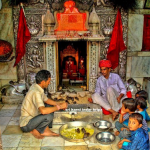
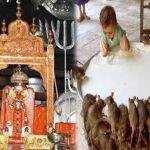
Karni Mata Temple, located in Deshnok approximately 30 kilometers from Bikaner, Rajasthan, is one of the most distinctive pilgrimage sites in India. Dedicated to Karni Mata, a revered female warrior sage and an incarnation of Goddess Durga, the temple is famously known as the “Temple of Rats” or the Kabbah Temple. Unlike any other temple in the world, this sacred site is home to over 25,000 black rats (kabbas), which roam freely within the complex. For devotees, these rats are not pests but holy manifestations of the Goddess and her lineage, making a visit here a unique spiritual experience.
Primary Deity & Form: The deity worshipped here is Karni Mata, depicted as a four-armed figure holding a trishul (trident). She is considered the official deity of the royal families of Bikaner and Jodhpur.
Phalaśruti (Spiritual Benefits): Why do millions visit annually? Devotees believe that the rats are the reincarnated family members of Karni Mata. Protecting them and consuming Prasad (offered food) that has been nibbled on by the white rats is considered a supreme blessing and a method to cleanse ancestral karma. It is believed that the Goddess grants protection, wealth, and prosperity to her devotees.
Historical Origins & Scriptural Legend
The history of the Karni Mata Temple is a blend of factual historical lineage and profound mythology. While the current structure is relatively modern, the spiritual roots run deep into the history of Rajasthan.
Historical Timeline:
- 15th–20th Century: The temple’s spiritual importance grew over centuries, but the magnificent marble and stone structure seen today was completed in the early 20th century (c. 1900s).
- Builders: The temple was constructed under the patronage of Maharaja Ganga Singh of Bikaner, a visionary ruler who ensured the temple’s architectural grandeur matched its spiritual significance. Later, in 1999, Kundanlal Verma of Karni Jewellers added further enhancements, including the famous silver doors.
📖 Related: Waneshwar Mahadev Temple Kanpur: History, Darshan Timings & Guide
The Legend of Reincarnation (Sthala Purana):
According to local tradition, the temple follows the life of Karni Mata (1387–1538). The most potent legend involves her stepson, Laxman, who drowned in a water tank in Kapil Sarovar while attempting to drink. When Karni Mata implored Yama (the God of Death) to revive him, Yama relented but decreed that Laxman and all of Karni Mata’s male descendants would be reincarnated as rats (kabbas). Thus, caring for these animals is considered a direct service to the Goddess herself.
Architectural Marvels
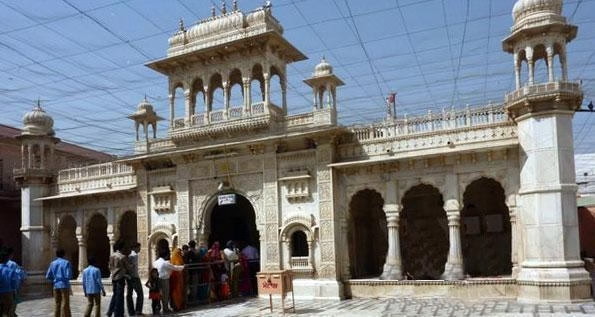
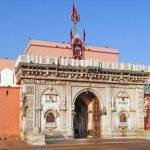
The temple is a stunning example of Mughal architecture, characterized by its symmetrical design, marble carvings, and ornate ornamentation. It stands as a testament to the craftsmanship of the early 20th century.
Key Architectural Features:
- The Marble Facade: The exterior is adorned with intricate marble work, providing a pristine white contrast to the desert landscape of Bikaner.
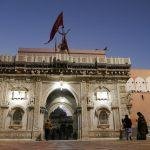
- Silver Doors: The main entry features magnificent solid silver doors. These were donated by Maharaja Ganga Singh and depict panels illustrating various legends of the Goddess.
- Inner Sanctum: The image of Karni Mata is enshrined in the sanctum sanctorum, protected by these silver gates.
- Marble Carvings: The interior walls feature detailed marble carvings that narrate stories from the local folklore and scriptures.
While the temple is not a UNESCO World Heritage site, it is a significant protected monument maintained by the temple trust and local authorities, preserving the legacy of the Bikaner royal family.
karni-mata-temple-deshnoke-bikaner-temples-m4tfplh
maxresdefault (70), Karni Mata Temple, Bikaner, Rajasthan
karni-mata-rat-temple-entrance-night
main-qimg-53684c1315b7050ae91af038e74faeb4
Darshan & Ritual Logistics (2026 Schedule)
Planning your visit requires understanding the daily rituals and specific timings. The temple remains open for nearly 24 hours on certain days, accommodating devotees from all corners of the world.
Daily Timings
| Darshan Session | Timing | Notes |
|---|---|---|
| Morning Darshan | 05:00 AM – 1:00 PM | Includes morning Aarti and rituals. |
| Afternoon Break | 01:00 PM – 03:00 PM | Temple closed for cleaning and rest. |
| Evening Darshan | 03:00 PM – 11:00 PM | Includes evening Aarti and Bhog offerings. |
| Midnight Darshan | 11:00 PM – 04:00 AM | Available on specific auspicious days (e.g., Sunday, Tuesday). |
📖 Related: Ramanathaswamy Temple Rameswaram: History, Darshan Timings & Guide
Key Sevas & Online Booking
Devotees can book several Sevas (ritual services) to offer at the temple. The primary rituals include:
- Abhishekam: Ritual bathing of the deity with milk, honey, and ghee.
- Archana: Chanting of hymns and offering flowers.
- Rat Offering: Donating food for the kabbas (rats).
For the convenience of devotees, the temple trust has streamlined the online seva booking process. You can visit the official website of the Shri Deshnok Karni Mata Temple Trust (or search for “Karni Mata Temple online donation”) to book rituals in advance. This is highly recommended during festival seasons to avoid queues.
2026 Festival Calendar (Key Dates)
Plan your pilgrimage around these major festivals for a heightened spiritual atmosphere:
- Navratri:
Chaitra Navratri: March 30 – April 7, 2026
Shardiya Navratri: September 22 – October 1, 2026
Note: The temple is extraordinarily crowded during these 9 days; special night-long darshans are held. - Karni Mata Jayanti: April 14, 2026 (Phalgun Shukla Chaturthi). A grand procession is held in Deshnok.
- Diwali: October 21, 2026. The temple is illuminated with thousands of earthen lamps (diyas) and rats are offered sweets and milk.
Practical Visitor Guidance
To ensure a safe and respectful visit, adhering to the temple protocols is essential.
Rules & Regulations
- Dress Code: Modest attire is mandatory. Men should wear shirts and long trousers; women should wear sarees, salwar kameez, or skirts. Avoid shorts and sleeveless tops.
- Photography: Photography is strictly prohibited inside the inner sanctum and the main prayer hall. You may photograph the outer courtyards and the silver doors, but be mindful of the devotees’ privacy.
- Footwear: You must remove your shoes before entering the temple complex. A designated shoe storage facility is available for a nominal fee.
- Mobile Phones: Mobile phones must be kept on silent mode. A mobile locker facility is available at the entrance if you wish to store your device.
Crowd Management & Seasonal Advice
- Best Hours to Visit: To avoid the peak rush, visit between 10:00 AM and 12:00 PM or after 8:00 PM. Early morning (5:00 AM) is ideal for a serene Darshan.
- Seasonal Tips: Bikaner experiences extreme weather. Summers (April–June) are scorching; carry a water bottle, sunglasses, and a hat. Winters (November–February) are pleasant but chilly at night—carry a light jacket.
📖 Related: Theerthapaleeswarar Temple History & Darshan Timings Guide
Pilgrimage Connectivity
Karni Mata Temple is well-connected to major cities in Rajasthan and North India.
How to Reach
- By Air: The nearest airport is Jodhpur Airport (JDH), approximately 165 km away. Bikaner also has a small domestic airport (BKB), but connectivity is limited.
- By Rail: Bikaner Junction (BKN) is the primary railway station, well-connected to Delhi, Mumbai, and Jaipur. From the station, hire a taxi or take a bus to Deshnok (30 km, ~45 mins).
- By Road: The temple is located on NH 89. Regular buses and taxis are available from Bikaner. Self-drive visitors can park at the designated parking lots near the temple entrance.
Nearby Sacred Sites
Enhance your pilgrimage by visiting these nearby attractions in Bikaner:
- Junagarh Fort: A historic fort showcasing a blend of Mughal and Rajput architecture.
- Lalgarh Palace: A majestic architectural marvel built by Maharaja Ganga Singh.
- Bhandasar Jain Temple: Known for its intricate artwork and gold leaf paintings.
Frequently Asked Questions (FAQs)
Is there a VIP darshan entry available?
Yes, the temple trust offers a VIP pass for faster darshan, typically priced around ₹100–₹200 per person. However, during peak Navratri season, these passes may have limited availability. It is advisable to purchase them directly from the counter upon arrival.
Is it safe to walk barefoot among the rats?
Yes, it is generally safe. The marble floors are cleaned regularly, and the rats are not aggressive. However, visitors are advised to walk carefully and avoid stepping on the rats. Note that the rats are considered sacred; harming them is strictly prohibited.
What is the significance of white rats in the temple?
White rats are extremely rare (about 20 out of 25,000) and are considered the most auspicious. They are believed to be the reincarnation of Karni Mata herself and her sons. Spotting a white rat is considered a sign of immense blessings and good fortune.
Is there a dress code for the temple?
Yes, strict dress code is enforced. Both men and women must cover their shoulders and knees. Clothing must be clean and respectable.
Can we book accommodations near the temple?
Most pilgrims prefer staying in Bikaner, which has a wide range of hotels. However, there are a few guesthouses and Dharamshalas in Deshnok specifically for pilgrims visiting the temple.