
Contents
- 1 The Divine Warrior: A Pilgrim’s Guide to Kartikeya Temple, Kurukshetra
The Divine Warrior: A Pilgrim’s Guide to Kartikeya Temple, Kurukshetra
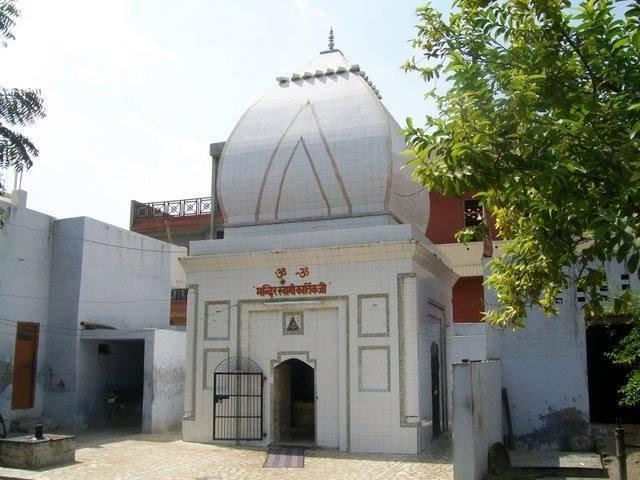
Nestled within the sacred geography of Kurukshetra in Haryana, the Kartikeya Temple in Pehowa stands as a silent sentinel of ancient history and spiritual vitality. Dedicated to Lord Kartikeya, the eldest son of Lord Shiva and Goddess Parvati and the Commander-in-Chief of the celestial armies, this temple offers a unique pilgrimage experience distinct from the grandeur of other North Indian shrines. For the devotee, this is not merely a structure of stone but a living portal to the divine grace of Skanda.
| Date built: | – |
|---|---|
| Deity: | – |
| Architectural style: | Nagara Style |
| Major festivals | Sarasvati Mahotsav, Maha Shivaratri |
| Locale: | Pehowa |
| District:: | Kurukshetra |
| Address: | – |
| Phone | – |
1. Introduction & Spiritual Essence
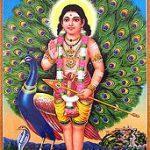
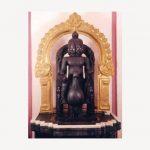
The presiding deity of this shrine is Kartikeya (also known as Skanda, Subrahmanya, or Murugan). Unlike the popular South Indian conception of the deity as a youthful warrior, the Kartikeya of Pehowa is often depicted in a serene, seated form, representing wisdom and spiritual power.
The Phalaśruti: Why Devotees Visit
According to scriptural tradition, the Skanda Purana holds supreme authority in this region. Devotees visit the Kartikeya Temple in Kurukshetra for specific spiritual benefits:
- Ancestral Liberation: Rituals performed here, particularly Shraddha and Tarpana, are believed to pacify the ancestors and cleanse Pitra Dosha (ancestral karma).
- Removal of Obstacles: As the commander of the divine forces, Lord Kartikeya grants protection from external enemies and internal obstacles like fear and confusion.
- Marital Harmony: Couples often visit to pray for a compatible partner and a harmonious married life.
2. Historical Origins & Scriptural Legend
The temple’s roots are steeped in the antiquity of the Mahabharata era, yet its current structure reflects the patronage of subsequent dynasties.
Scriptural Foundations
The temple is intrinsically linked to the Skanda Purana, one of the 18 major Puranas. According to the scriptures, this region of Kurukshetra is where Lord Kartikeya was raised by the Krittikas (the Pleiades star cluster). The temple marks a spot where the divine energy of the deity solidified during his campaigns against the demon Tarakasura.
Historical Patronage:
- The Yaudheyas: An ancient republican clan in Punjab/Haryana, this clan minted coins bearing the image of Skanda, indicating a strong military cult around Kartikeya in this region.
- The Guptas: While the temple has seen renovations, the architectural sensibility retains elements from the Gupta era, known for the “golden age” of temple architecture.
- The Kushanas: Historians suggest trade routes facilitated the spread of Kartikeya worship from Peshawar (Kushana stronghold) down to Pehowa.
3. Architectural Marvels
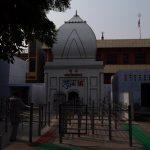
The Kartikeya Temple is a prime example of the Nagara style of temple architecture, which is prevalent in North India. Unlike the Dravida style of the South, which features pyramidal towers, the Nagara style is defined by its soaring, beehive-shaped Shikhara (tower).
Vastu Shastra & Structure
The temple layout follows strict Vastu principles, oriented towards the east to welcome the rising sun (Surya) and the energy of beginnings.
- The Shikhara: The spire rises above the sanctum, symbolizing the connection between the earthly realm and the celestial planes. It is adorned with amalakas (stone disks) and kalashas (finials).
- Garbhagriha (Sanctum): The inner sanctum houses the main deity. The sanctum is typically square and dark to focus the mind inward during meditation.
- Mandapa (Hall): A pillared hall allows pilgrims to sit for prayers and circumambulate the sanctum. The pillars often depict carved figures of deities and guardians.
- Sculpture: The exterior walls feature intricate carvings of divine beings, floral motifs, and geometric patterns characteristic of early medieval Indian craftsmanship.
4. Darshan & Ritual Logistics
To facilitate a smooth spiritual journey, the temple administration has structured timings and sevas. While the temple remains a center of local activity, major festivals attract pilgrims from across North India.
Daily Timings
Based on the temple’s seasonal schedule (subject to change for special festivals).
| Session | Timing | Activity |
|---|---|---|
| Morning | 06:00 AM – 12:00 PM | Mangala Aarti, Abhishekam |
| Midday | 12:00 PM – 04:00 PM | Resting Period (Sanctum closed for cleaning) |
| Evening | 04:00 PM – 08:00 PM | Sandhya Aarti, Darshan |
Key Sevas & Online Booking
Devotees can book specific rituals to deepen their engagement with the deity. While on-site booking is available, the Haryana Tourism Board and local priest associations are increasingly digitizing these services.
- Abhishekam: Ritual bathing of the deity with milk, honey, and ghee. Best performed on Tuesdays.
- Archana: Recitation of the 108 names of Kartikeya.
- Vratam: A specialized fasting ritual often performed for wish fulfillment.
Note: For “Online Seva Booking,” check the official Haryana Tourism portal or inquire at the temple office upon arrival. Carry the booking receipt for priority entry.
2026 Festival Calendar (Key Dates)
- Thaipusam / Kartikeya Jayanti: January 2026 (Date varies by Tamil Calendar). A major festival celebrating the birth of the deity.
- Maha Shivaratri: February 26, 2026. Since Kartikeya is the son of Shiva, this day is celebrated with special prayers.
- Vaikasi Visakam: May/June 2026. The full moon day in the Tamil month of Vaikasi, marking the birth of Skanda.
- Sarasvati Mahotsav: During Navratri. Located near the Sarasvati River bed, this festival sees significant footfall.
5. Practical Visitor Guidance
Visiting a heritage site in Haryana requires preparation to ensure a comfortable and respectful experience.
Code of Conduct & Dress Code
- Attire: Traditional Indian clothing (Saree, Kurta-Pajama) is recommended. Modest clothing is mandatory—avoid shorts and tank tops.
- Footwear: Shoes must be removed outside the main entrance. Use the paid cloakroom for safekeeping.
- Photography: Photography is generally allowed in the outer courtyards but strictly prohibited inside the Sanctum Sanctorum.
- Electronics: Mobile phones are allowed but must be on silent mode. Some areas may require lockers for expensive cameras.
Crowd Management & Seasonal Advice
- Best Hours: Visit between 6:00 AM and 8:00 AM for a peaceful darshan. The evening Aarti (6:00 PM) is spiritually vibrant but crowded.
- Peak Seasons: Avoid weekends during Maha Shivaratri and Navratri unless attending for specific rituals.
- Summer (May-June): Haryana experiences high temperatures. Carry a water bottle, cover your head with a scarf, and wear sunglasses.
- Accessibility: The temple has ramps for wheelchair access, though the inner sanctum may be narrow.
6. Pilgrimage Connectivity
The Kartikeya Temple is well-connected via road and rail, making it accessible for pilgrims from Delhi-NCR, Punjab, and neighboring states.
How to Reach
- By Air: The nearest airport is Chandigarh International Airport (approx. 110 km). From there, hire a taxi or take a bus to Pehowa.
- By Rail: The nearest major railway junction is Kurukshetra Junction (approx. 30 km) or Karnal (approx. 35 km). Auto-rickshaws and local buses are available to Pehowa.
- By Road: Pehowa is situated on the Pehowa-Patiala Road (State Highway 8). It is well-connected to the National Highway 44 (Grand Trunk Road).
- Distance from Delhi: Approx. 200 km (4-5 hours drive).
Nearby Sacred Sites (Pilgrimage Circuit)
A trip to Pehowa is often combined with visits to other spiritually significant sites in Kurukshetra:
- Brahma Sarovar: Located in Kurukshetra city, this massive ancient sacred water tank is dedicated to Lord Brahma. It is considered one of the holiest spots for purification rituals.
- Jyotisar: The birthplace of the Bhagavad Gita. It features a chariot sculpture and an ancient banyan tree believed to be a descendant of the original under which Krishna preached to Arjuna.
- Sannihit Sarovar: Believed to be the meeting point of seven holy rivers, this tank is considered equivalent to the sacred Pushkar. Taking a dip here is believed to lead to Moksha.
7. Frequently Asked Questions (FAQ)
What is the historical significance of the Kartikeya Temple in Pehowa?
The temple is believed to date back to the 5th century B.C., with roots in the Skanda Purana. It stands as a testament to the worship of Skanda by ancient clans like the Yaudheyas and Kushanas, making it one of the oldest surviving shrines dedicated to Lord Kartikeya in North India.
Is there a VIP darshan entry available?
While the temple promotes equality, special passes for priority entry can sometimes be arranged through the temple priest or by donating to the temple trust. It is advisable to contact the temple office in advance for details on VIP entry protocols during peak festivals.
What is the best time to visit the temple?
The ideal time to visit Kurukshetra is between October and March when the weather is pleasant and cool. Summers in Haryana can be extremely hot.
Are there accommodation facilities near the temple?
Yes, there are several Dharamshalas and hotels in Pehowa and the larger Kurukshetra district. For a spiritual experience, many pilgrims prefer staying at the Haryana Tourism Hotel (Kurukshetra Panorama & Science Museum complex) or Dharamshalas in Pehowa itself.
What offerings can be made to Lord Kartikeya?
Lord Kartikeya is pleased with offerings of Jaggery, Gur, and Coconuts. Red flowers (symbolizing valor) are considered auspicious. Tuesdays and Fridays are particularly sacred to him.
Photo Gallery
Contact Details
Official Address:
Kartikeya Temple,
Pehowa, Kurukshetra District,
Haryana, India – 136118
For the most current information regarding temple timings and sevas, please refer to the official Haryana Tourism website or the temple management office on-site.
Recent Posts

Shri Kaamkoteeshwar Mandir, Varanasi – History & Significance
In the heart of Kashi, the eternal city of Lord Shiva, where the Ganges flows with celestial grace, stands the Shri Kaamkoteeshwar Mandir. This sacred Sannidhi is not merely a temple but a profound spiritual bridge between the Northern…

ओ सांवरे तूने ही मुझको संभाला – Lyrics & Meaning
ओ सांवरे तूने ही मुझको संभाला – A Prayer to Shyam Origin & Spiritual Essence Why This Bhajan Resonates Devotees chant this when overwhelmed by life’s storms—the refrain ‘तूने ही मुझको संभाला’ is the soul’s sigh of relief: “You…

कथा ये है महाराज मेरे की – Lyrics & Meaning
कथा ये है महाराज मेरे की छत्रपति संभाजी महाराज – A Prayer to Chhatrapati Sambhaji Maharaj Origin & Spiritual Essence Why This Bhajan Resonates Devotees chant this when their spirit feels tested—its powerful refrain “महाराज मेरे” is a soul’s…

Rigveda Samhita Yathartha Anuvada (ऋग्वेद संहिता यथार्थ अनुवाद) – Complete Set with Anvayartha & Hindi/English Translation
The Rigveda is the oldest surviving scripture of humanity and the foundational text of Sanātana Dharma. For serious students, scholars, UPSC aspirants studying ancient Indian history, Sanskrit learners, and spiritual seekers, a precise and grammatically structured translation is indispensable.…

आना भी अकेला है जाना भी अकेला है – Lyrics & Meaning | BharatTemples
आना भी अकेला है जाना भी अकेला है – A Prayer to the Divine Witness Origin & Spiritual Essence Why This Bhajan Resonates Devotees turn to this bhajan in moments of deep reflection—when life’s attachments begin to ache. The…

माता शेरावाली के द्वार जो भी जाता है – Lyrics & Meaning
माता शेरावाली के द्वार जो भी जाता है – A Prayer to Maa Sherawali Origin & Spiritual Essence Why This Bhajan Resonates Devotees turn to this bhajan in times of fear or uncertainty—its promise that no one leaves Maa’s…

मार लेना सपणी उबार लेणा भवरा – Lyrics & Meaning
मार लेना सपणी उबार लेणा भवरा – A Prayer to the Divine Beloved Origin & Spiritual Essence Why This Bhajan Resonates Devotees chant this in moments of deep vulnerability—its cry of “मार लेना सपणी, उबार लेणा भवरा” is the…

हमें श्याम सुंदर भरोसा तुम्हारा – Lyrics & Meaning
हमें श्याम सुंदर भरोसा तुम्हारा – A Prayer to Shyam Sundar Origin & Spiritual Essence Why This Bhajan Resonates Devotees chant this when feeling alone—its refrain ‘de do sahara’ is the soul’s cry for divine support. Lyrics in Hindi…

Mere Satguru Ne Di Thi Davai Lyrics in Hindi & Meaning
Mere Satguru Ne Di Thi Davai: Invoking the Guru’s Liberating Wisdom This soul-stirring bhajan venerates the Satguru (True Spiritual Master) as the divine physician who dispenses the only remedy for life’s deepest sufferings. Composed by Sant Karmaveer Tufani, it…

Janm Diyo Thari Maa Dukh Dekhiyo Lyrics in Hindi & Meaning
जन्म दियो थारी माँ दुख देखियो (Maa’s Grief Upon Birthing You) This soul-stirring Chetavani Bhajan (admonitory hymn) is addressed to the Divine Mother (Maa) – a call for repentance when children forget their filial duties in the dark age…