
Contents
Introduction & Spiritual Essence
Nestled in the spiritual landscape of Vellore District, the Karuppuleeswarar Temple in Gudiyatham stands as a testament to Dravidian architectural brilliance and ancient Shaivite devotion. Dedicated to Lord Shiva, this temple is revered not just for its historical lineage but for the profound spiritual energy it radiates.
Primary Deity and Significance
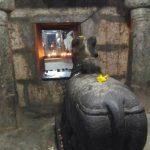
The presiding deity is Karuppuleeswarar, also venerated as Bala Saarduleeswarar (meaning “Baby Tiger Lord”). He is a Swayambhu (self-manifested) Lingam. The consort, Shivagama Sundari (Amman), is enshrined in a separate sanctum. The name “Bala Saarduleeswarar” connects deeply to the legend of the sage Koundinya, symbolizing the harmonious coexistence of the fierce (Tiger) and the serene (Baby) aspects of divinity.
Phalaśruti: The Boon of Visiting
Devotees flock to this ancient shrine seeking relief from negative planetary influences and ancestral afflictions. It is widely believed that offering prayers here helps in cleansing ancestral karma and bringing peace to departed souls. The temple is particularly potent for those seeking courage (symbolized by the tiger) and protection from legal disputes and hidden enemies.
Historical Origins & Scriptural Legend
Archaeological Timeline and Royal Patronage
According to temple records and local archaeological assessments, the structure dates back approximately 1,000 years, placing its origins firmly in the Chola era. Inscriptions found within the temple complex reference Chola King Kulothunga I, who reportedly donated 90 goats for the temple’s maintenance and oil lamps. Centuries later, the Vijayanagara Kings renovated the structure, adding pillared halls and fortifications. The temple is a living monument representing the confluence of Chola and Vijayanagara dynasties.
The Legend of Koundinya Rishi
Tradition holds that this temple was the abode of the great sage Koundinya Muni. The river flowing through Gudiyatham is named the Koundinya Maha Nadhi in his honor. Legend narrates that the sage performed intense penance here to please Lord Shiva. The Lord, pleased by the austerity, manifested as the Bala Saarduleeswarar (a tiger-vahana form) to grant the sage’s boons. This makes the site a powerful center for spiritual seekers and those wishing to overcome obstacles through devotion.
Architectural Marvels
Dravidian Style and Vastu
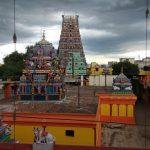
The temple exemplifies the classical Dravidian style of architecture. It follows traditional Vastu Shastra principles, with the sanctum sanctorum (Garbhagriha) aligned to allow natural light to illuminate the deity during specific times of the year. The complex is enclosed by a massive compound wall, typical of temple fortifications from the Vijayanagara period.
Notable Features
- Simha Kulam (Lion Tank): A significant water reservoir attached to the temple, used for ritual purification before darshan.
- Artistic Sculptures: The pillars in the Maha Mandapa feature intricate carvings depicting deities from the Hindu pantheon and scenes from Puranic lore.
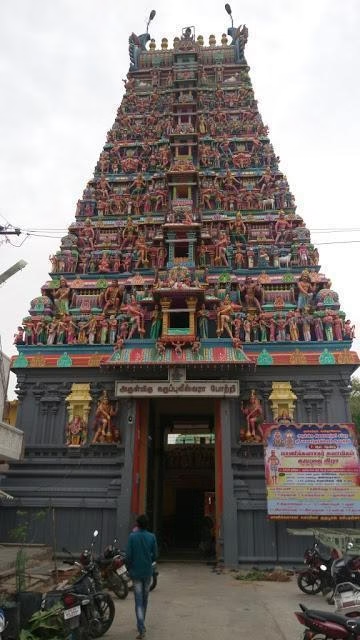
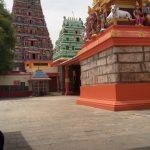
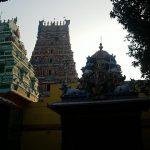
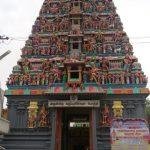
- Raja Gopuram: The main tower serves as a landmark visible from the town center, adorned with stucco figures that are painted in vibrant colors.
Darshan & Ritual Logistics
Daily Timings
Timings are subject to change during festival seasons. Devotees are advised to verify with the temple administration prior to travel.
| Session | Timing | Details |
|---|---|---|
| Morning Darshan | 6:00 AM – 12:00 PM | Opens with Vishwaroopa Darshanam |
| Afternoon Closure | 12:00 PM – 4:00 PM | Deity rests (Maha Deeparadhana) |
| Evening Darshan | 4:00 PM – 8:00 PM | Closes with Palliyarai Pooja |
Key Sevas and Offerings
- Abhishekam: Performed with milk, honey, and sandalwood paste. Best performed on Mondays.
- Archana: Personalized prayers offered in the name of the devotee.
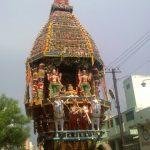
- Ther Thiruvizha (Car Festival): The most significant annual event, usually falling in the Tamil month of Panguni (March/April).
2026 Festival Calendar (Projected)
- Pradosham: 1st and 3rd Saturdays of every month (Evening hours).
- Maha Shivaratri: February 26, 2026. Special all-night darshan.
- Aadi Perukku: August 3, 2026. Celebrated with special Abhishekam on the banks of Koundinya River.
- Car Festival (Ther Thiruvizha): Expected April 12, 2026 (Subject to Tamil calendar confirmation).
Online Seva Booking
While specific online portals for this local temple may be limited, devotees can often book general entry passes through the Tamil Nadu Tourism Department or local platforms. For specific Sevas (Abhishekam/Archana), it is recommended to contact the temple office directly at least 24 hours in advance.
Practical Visitor Guidance
Dress Code and Etiquette
Traditional attire is mandatory. Men should wear dhotis or formal trousers with shirts; women should wear sarees, salwars, or churidars. Western casual wear (shorts, skirts, sleeveless tops) is strictly prohibited inside the sanctum.
Photography and Mobiles
- Photography: Strictly prohibited inside the inner sanctum and during pooja rituals.
- Mobile Lockers: Available near the entrance for electronic devices that are not permitted inside.
Crowd Management
- Best Time to Visit: Tuesday and Friday mornings are usually less crowded compared to Mondays.
- Seasonal Advice: Summers (April–June) in Vellore are harsh; carry water bottles and an umbrella. The temple pond offers a cool respite during cooler months.
Pilgrimage Connectivity
How to Reach
The temple is located in the Nellorepet locality of Gudiyatham.
- By Air: Nearest airport is Chennai International Airport (MAA), approximately 170 km away.
- By Rail:
- Melalathur Railway Station: 5 km (Nearest)
- Gudiyattam Railway Station: 7 km
- Vellore Cantt Station: 34 km
- By Road: Located on the Bangalore Highway (NH 75). One must take a right turn at Pallikonda and travel approximately 12 km to reach Gudiyatham.
Nearby Sacred Sites (Pilgrimage Circuit)
- Virinchipuram Temple: Located about 15 km away, famous for the Kailasanathar Temple and its association with the legend of Parvati.
- Sholinghur Narasimha Swamy Temple: Approximately 40 km from Gudiyatham, a prominent hill temple dedicated to Lord Narasimha.
- Jalakanteswarar Temple, Vellore: Located 35 km away, known for its unique floating island structure.
Frequently Asked Questions (FAQs)
Is there a VIP Darshan entry available?
Currently, the Karuppuleeswarar Temple does not have a formal online VIP booking system like major state-run temples. However, priority entry is often granted to elderly citizens and those with special medical needs upon request at the ticket counter.
What is the significance of the “Bala Saarduleeswarar” name?
It translates to “The Lord of the Baby Tiger.” This form represents Lord Shiva’s aspect as the guardian of the sage Koundinya, symbolizing protection and the taming of wild instincts through spiritual discipline.
Is the temple accessible for differently-abled devotees?
While the inner sanctum requires climbing steps, the temple management has facilitated ramps in the outer prakaram (corridor) to assist wheelchair users and senior citizens up to the main hall.
Where can I stay in Gudiyatham?
Gudiyatham offers limited lodges and guest houses. For better accommodation options, it is advisable to stay in Vellore (35 km), which has numerous hotels ranging from budget to 3-star categories.
Are non-Hindus allowed inside?
Similar to most ancient Shiva temples in Tamil Nadu, entry is generally restricted to Hindus only. Please respect these religious customs.
Photo Gallery


Contact Details
Karuppuleeswarar Temple Trust
Nellorepet, Gudiyatham, Vellore District
Tamil Nadu, India
Recent Posts

Shri Kaamkoteeshwar Mandir, Varanasi – History & Significance
In the heart of Kashi, the eternal city of Lord Shiva, where the Ganges flows with celestial grace, stands the Shri Kaamkoteeshwar Mandir. This sacred Sannidhi is not merely a temple but a profound spiritual bridge between the Northern…

ओ सांवरे तूने ही मुझको संभाला – Lyrics & Meaning
ओ सांवरे तूने ही मुझको संभाला – A Prayer to Shyam Origin & Spiritual Essence Why This Bhajan Resonates Devotees chant this when overwhelmed by life’s storms—the refrain ‘तूने ही मुझको संभाला’ is the soul’s sigh of relief: “You…

कथा ये है महाराज मेरे की – Lyrics & Meaning
कथा ये है महाराज मेरे की छत्रपति संभाजी महाराज – A Prayer to Chhatrapati Sambhaji Maharaj Origin & Spiritual Essence Why This Bhajan Resonates Devotees chant this when their spirit feels tested—its powerful refrain “महाराज मेरे” is a soul’s…

Rigveda Samhita Yathartha Anuvada (ऋग्वेद संहिता यथार्थ अनुवाद) – Complete Set with Anvayartha & Hindi/English Translation
The Rigveda is the oldest surviving scripture of humanity and the foundational text of Sanātana Dharma. For serious students, scholars, UPSC aspirants studying ancient Indian history, Sanskrit learners, and spiritual seekers, a precise and grammatically structured translation is indispensable.…

आना भी अकेला है जाना भी अकेला है – Lyrics & Meaning | BharatTemples
आना भी अकेला है जाना भी अकेला है – A Prayer to the Divine Witness Origin & Spiritual Essence Why This Bhajan Resonates Devotees turn to this bhajan in moments of deep reflection—when life’s attachments begin to ache. The…

माता शेरावाली के द्वार जो भी जाता है – Lyrics & Meaning
माता शेरावाली के द्वार जो भी जाता है – A Prayer to Maa Sherawali Origin & Spiritual Essence Why This Bhajan Resonates Devotees turn to this bhajan in times of fear or uncertainty—its promise that no one leaves Maa’s…

मार लेना सपणी उबार लेणा भवरा – Lyrics & Meaning
मार लेना सपणी उबार लेणा भवरा – A Prayer to the Divine Beloved Origin & Spiritual Essence Why This Bhajan Resonates Devotees chant this in moments of deep vulnerability—its cry of “मार लेना सपणी, उबार लेणा भवरा” is the…

हमें श्याम सुंदर भरोसा तुम्हारा – Lyrics & Meaning
हमें श्याम सुंदर भरोसा तुम्हारा – A Prayer to Shyam Sundar Origin & Spiritual Essence Why This Bhajan Resonates Devotees chant this when feeling alone—its refrain ‘de do sahara’ is the soul’s cry for divine support. Lyrics in Hindi…

Mere Satguru Ne Di Thi Davai Lyrics in Hindi & Meaning
Mere Satguru Ne Di Thi Davai: Invoking the Guru’s Liberating Wisdom This soul-stirring bhajan venerates the Satguru (True Spiritual Master) as the divine physician who dispenses the only remedy for life’s deepest sufferings. Composed by Sant Karmaveer Tufani, it…

Janm Diyo Thari Maa Dukh Dekhiyo Lyrics in Hindi & Meaning
जन्म दियो थारी माँ दुख देखियो (Maa’s Grief Upon Birthing You) This soul-stirring Chetavani Bhajan (admonitory hymn) is addressed to the Divine Mother (Maa) – a call for repentance when children forget their filial duties in the dark age…