Kattalai Amman Temple History and Darshan Timings: A Complete Guide

Receive daily temple updates, divine darshan, and morning bhajans directly on WhatsApp.
Contents
- 1 Kattalai Amman Temple, Perumchilampu: The Definitive Pilgrimage Guide
- 1.1 Introduction & Spiritual Essence
- 1.2 Historical Origins & Scriptural Legend
- 1.3 Architectural Marvels
- 1.4 Darshan & Ritual Logistics (2026 Guide)
- 1.5 Practical Visitor Guidance
- 1.6 Pilgrimage Connectivity
- 1.7 Frequently Asked Questions (FAQ)
- 1.8 Photo Gallery
- 1.9 How to Reach
- 1.10 Contact Details
Kattalai Amman Temple, Perumchilampu: The Definitive Pilgrimage Guide
Kattalai Amman Temple, Perumchilampu, Vellimalai, Kalkulam, Kanyakumari
| Date built: | – |
|---|---|
| Deity: | Kattalai Amman |
| Architectural style: | Dravidian architecture |
| Major festivals | – |
| Locale: | Perumchilampu, Vellimalai, Kalkulam |
| District:: | Kanyakumari |
| Address: | – |
| Phone | – |
Original Source: https://tamilnadu-favtourism.blogspot.com/2017/09/kattalai-amman-temple-perumchilampu.html
Kattalai Amman Temple is a Hindu Temple in Perumchilampu area in Vellimalai Village in Kalkulam Taluk in Kanyakumari District of Tamilnadu. The temple is located in the village, surrounded by mountains and canals. The temple was known originally as Irumpudayaan Kandan Sasthan kovil.
Introduction & Spiritual Essence
Perched amidst the lush greenery and rugged topography of the Kanyakumari district, the Kattalai Amman Temple (also revered as the Irumpudayaan Kandan Sasthan Kovil) stands as a beacon of faith in Perumchilampu. While the temple is dedicated primarily to Kattalai Amman, a fierce and protective form of the Goddess (Shakti), the complex serves as a holistic spiritual hub for the local Elur Chetty community and pilgrims across Tamil Nadu.
Phalaśruti: Why Devotees Visit
According to local belief, the presiding deity, Kattalai Amman, is the granter of boons (Vara Prapthi) and the remover of obstacles. Devotees believe that worshipping here helps in:
- Cleansing Ancestral Karma: It is considered a potent site for performing rites for ancestors, particularly due to the presence of the Nagamman (Snake Goddess) shrine, which is traditionally linked to lineage (Kula Deivam) worship.
- Protection from Evil: The Goddess is believed to shield devotees from negative energies.
- Resolution of Legal & Financial Disputes: As “Kattalai” refers to the laws of the state or administration, worshipping here is said to aid in overcoming legal hurdles.
Historical Origins & Scriptural Legend
Ancient Roots
The exact origin date of the Kattalai Amman Temple is not recorded in stone inscriptions, but archaeological evidence suggests it has been a site of worship for over 1,000 years. The original shrine was a modest structure surrounded by dense wild bushes. Tradition holds that the site was originally known as the Irumpudayaan Kandan Sasthan Kovil, a name derived from local folklore regarding the chieftain or deity associated with iron (Irumpu).
📖 Related: Soundara Narayana Perumal Temple: History, Darshan Timings & Guide
The 1981 Renovation
For centuries, the temple remained a rustic sanctuary. The current architectural complex was constructed in 1981, marking a significant renewal of the site. The first Amman Kudai Vizha (the annual canopy ceremony) was successfully conducted on November 9, 1981 (corresponding to the 24th of Aippasi, 1157 in the Tamil Calendar).
Scriptural Context
While specific Vedic references are localized, the temple’s legends align with the Sthala Purana traditions of Kanyakumari. The enduring presence of the Nagamman (Snake Goddess) shrine—the only structure remaining from the original ancient complex—ties the temple to pre-Vedic totem worship of serpents (Nagas), which is deeply rooted in the Dravidian spiritual landscape.
Architectural Marvels
Dravidian Style & Vastu
The temple showcases classic Dravidian architecture adapted to its hilly geography. The complex is divided into two main campuses: the main temple housing the primary deities and the surrounding sanctuary area.
Notable Features
- The Nagamman Temple: Preserved from the original construction, this shrine is a testament to the temple’s ancient lineage. It is fully stone-structured and creates a distinct spiritual vibration.
- The Central Lamp Post (Deepastambha): A key feature remaining from the original temple, serving as a focal point during evening rituals.
- Ootrakuzhi (Sacred Spring): A natural spring within the complex where fresh water flows year-round, utilized for ritual purification before darshan.
- Irumpudayaan Kulam: The temple tank. Legend states that in ancient times, iron was melted and poured into this pond, giving the locale its name.
While the temple is not classified under ASI or UNESCO heritage sites, its unique integration with the natural rock formations and surrounding forests makes it an architectural gem of the Kalkulam region.
Darshan & Ritual Logistics (2026 Guide)
To ensure a seamless darshan experience, pilgrims are encouraged to plan their visit around the daily rituals. The temple follows the standard Tamil Nadu temple timings, but adjustments are made for festivals.
Daily Darshan Timings
| Session | Timing | Description |
|---|---|---|
| Morning | 6:00 AM – 11:00 AM | Morning Abhishekam & Archana |
| Afternoon | 11:00 AM – 4:30 PM | Temple Closed |
| Evening | 4:30 PM – 8:00 PM | Deeparadhana & Night Puja |
Key Sevas & Online Booking
The temple administration offers various Sevas. While physical bookings are available at the counter, online portals (Tamil Nadu HR & CE Department) generally facilitate advance bookings for major festivals.
- Abhishekam: Performed with milk, honey, and sandalwood paste. Best time: Morning hours.
- Archana: Individual and family archanas are available in the name of the head of the family.
- Special Darshan: Available for the elderly and differently-abled.
📖 Related: Vaitheeswaran Temple History and Darshan Timings | Pillaipakkam, Kanchipuram
2026 Major Festival Calendar
Based on the traditional Aippasi Revathi Nakshatra cycle, the following are the tentative key dates for 2026:
- Chithirai Thiruvizha (April 2026): Celebration of the Goddess’s celestial marriage.
- Navaratri (September – October 2026): Nine nights of devotion with special lighting and Golu display.
- Aippasi Revathi Kudai Vizha (October – November 2026): Primary Annual Festival.
Note: The main festival falls on the Revathi Nakshatra in the month of Aippasi. This date commemorates the 1981 renovation and is the most vibrant day at the temple.
Practical Visitor Guidance
Visiting Kattalai Amman Temple requires preparation due to its location in the Vellimalai hills.
Code of Conduct & Essentials
- Dress Code: Traditional attire is mandatory. Men must wear dhotis or pants with shirts (no t-shirts). Women must wear sarees, salwar kameez, or long skirts.
- Photography: Photography is strictly prohibited inside the inner sanctum (Garbhagriha). The complex allows photography of the architecture and surroundings, but respect the privacy of the worshippers.
- Mobile Lockers: Due to the temple’s rural setting, electronic lockers are not available. It is advisable to leave valuables in your vehicle.
- Footwear: There is a designated shoe-keeping facility (often managed by volunteers) near the entrance. A nominal fee is usually charged.
Crowd Management & Seasonal Advice
- Best Time to Visit: 6:30 AM (opening) offers the most serene darshan. Avoid weekends and festival days if you prefer a quiet experience.
- Seasonal Tips:
- May – June (Summer): Kanyakumari gets hot and humid. Carry a water bottle, umbrella, and electrolyte packets. Wear light cotton fabrics.
- November – January (Winter): The pleasant season. Evenings can be cool due to the elevation near Vellimalai hills.
- Monsoon (October): Carry rain gear; the path to the temple can become slippery.
Pilgrimage Connectivity
How to Reach
The temple is located in Perumchilampu, Vellimalai, accessible via state highways.
- By Air: The nearest airport is Trivandrum International Airport (TRV), located approximately 70 km away. From the airport, hire a taxi to Vellimalai.
- By Rail: The nearest railway station is Eraniel (ERL) (approx. 8 km). Alternatively, Nagercoil Junction (Ncj) (14 km) offers better connectivity to major cities.
- By Road: The temple is roughly 14 km from Padmanabhapuram and 30 km from Kanyakumari. It is accessible via the State Highway connecting Padmanabhapuram to the Vellimalai hills.
📖 Related: Mahadevar Temple Mahadevamalai: History, Darshan Timings & Guide
Nearby Sacred Sites
Enhance your pilgrimage circuit by visiting these nearby landmarks:
- Thanumalayan Temple (Suchindram): Located about 20 km away, famous for its musical pillars and monolithic Hanuman statue.
- Kumarakoil (Thirunageswaram): A major Shiva temple known for Rahu Kalam worship, located within a 30 km radius.
- Padmanabhapuram Palace: The historical seat of the Travancore kings, offering a glimpse into Dravidian architectural history (14 km away).
Frequently Asked Questions (FAQ)
1. What is the history of the Kattalai Amman Temple renovation?
The current structure of the Kattalai Amman Temple was built in 1981. Prior to this, the site existed for over a millennium as a small shrine dedicated to the Nagamman (Snake Goddess). The first grand festival (Kudai Vizha) was held in November 1981.
2. How can I book Seva or Abhishekam online?
While specific online booking for this smaller temple might be limited compared to major temples like Meenakshi Amman, you can check the Tamil Nadu Hindu Religious and Charitable Endowments (HR & CE) website or inquire at the temple office for current digital payment options.
3. Is there VIP darshan entry available?
The temple generally prioritizes darshan for the elderly, pregnant women, and differently-abled devotees. There is no specific paid VIP entry, maintaining the temple’s community-centric nature. However, during the Aippasi festival, special queues are managed by volunteers.
4. What is the significance of the Irumpudayaan Kulam?
The temple pond, known as Irumpudayaan Kulam, holds historical significance. Legend dictates that iron was melted and poured into this pond in ancient times, symbolizing strength and permanence. It is used for ritual purification and water offerings.
5. Are there accommodation facilities near the temple?
Due to the temple’s location in Vellimalai (a hilly, rural area), there are no hotels directly adjacent to the temple. It is recommended to stay in Nagercoil or Kanyakumari (15-30 minutes drive), which offer a wide range of hotels and guest houses.
Photo Gallery
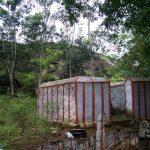
others-1-063, Kattalai Amman Temple, Perumchilampu, Vellimalai, Kalkulam, Kanyakumari
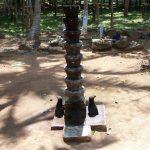
100_0172, Kattalai Amman Temple, Perumchilampu, Vellimalai, Kalkulam, Kanyakumari
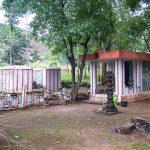
800px-Kattalaitemple, Kattalai Amman Temple, Perumchilampu, Vellimalai, Kalkulam, Kanyakumari
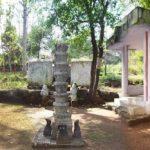
kovil-pan, Kattalai Amman Temple, Perumchilampu, Vellimalai, Kalkulam, Kanyakumari
How to Reach
Vellimalai is located about 14 Kms from Padmanabhapuram, 14 Kms from Nagercoil, 30 Kms from Kanyakumari, 12 Kms from Thuckalay, 8 Kms from Eraniel and 70 Kms from Thiruvananthapuram. Nearest Railway Station is located at Eraniel and Nearest Airport is located at Thiruvananthapuram.
Contact Details
Official Address: Kattalai Amman Temple, Perumchilampu, Vellimalai, Kalkulam, Kanyakumari District, Tamil Nadu, India.
Note: As specific contact numbers for smaller shrines are subject to change, it is advisable to contact the local HR & CE office in Kalkulam or Nagercoil for verified contact details.