
Contents
Introduction & Spiritual Essence
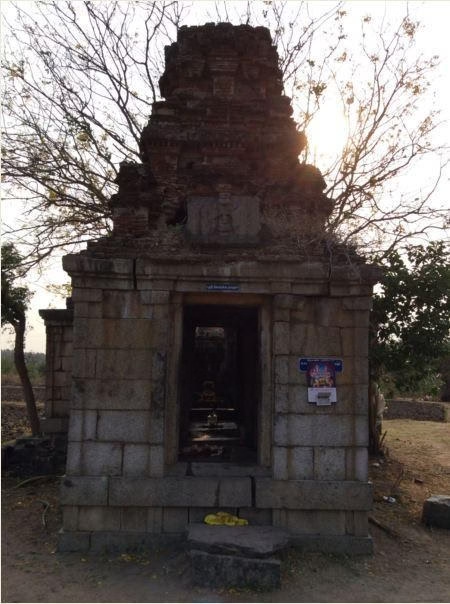
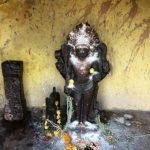
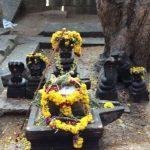
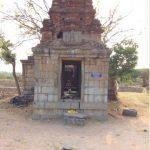
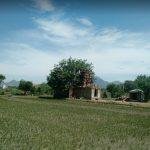
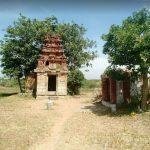
Nestled amidst the serene paddy fields of Theroor village near Kanyakumari, the Korakkar Siddhar Temple stands as a unique testament to the fusion of Siddha mysticism and Shaivite devotion. While the temple complex is modest, its spiritual resonance is profound. The primary deity worshipped here is Lord Shiva, revered as Yogeeswarar, embodying the state of a supreme Yogi. Alongside the central Shiva Lingam, the temple houses shrines dedicated to the legendary Siddhar Korakkar, Kala Bhairava, and Nagars.
Phalaśruti (Spiritual Benefits): Devotees visit this sanctum not merely for general blessings but specifically to honor the lineage of the Siddhas. It is believed that worshipping Korakkar alongside Yogeeswarar grants the devotee Siddhi (spiritual attainment) and healing. According to local tradition, circumambulating the inner sanctum here aids in resolving ancestral karma, particularly those related to planetary afflictions, offering a path to inner peace and physical well-being.
Historical Origins & Scriptural Legend
The history of the Korakkar Siddhar Temple is a tapestry of oral folklore rather than rigid stone inscriptions. Unlike grand dynastic temples, this shrine is believed to have originated from the meditation spots of the Siddhas—enlightened yogis who traversed the Western Ghats.
The Legend of Korakkar: According to sthala purana (local legends), Korakkar was a prominent Siddhar, a disciple of the great Agathiar (Agastya) and Bogar. He is renowned for his mastery in medicine (Marunthu), alchemy, and yoga. The temple is located just 1.3 km from Theroor village, aligning with the landscape described in Korakkar’s poetic works like Korakkar Malai Vagatam. Tradition holds that this site was one of Korakkar’s primary Sadhana Peethams (sites of intense spiritual practice).
Though the exact date of construction remains unrecorded in official epigraphy, the architectural style suggests a layout consistent with Dravidian temple traditions, preserved by local faith rather than royal patronage. The temple is currently maintained by the Hindu Religious and Charitable Endowments (HR&CE) Department of Tamil Nadu.
Architectural Marvels
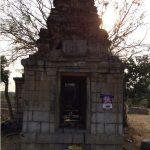
The temple exemplifies the Dravidian architectural style, characterized by its simplicity and alignment with nature. Situated against the backdrop of the Western Ghats, the structure avoids the towering gopurams found in larger temples, instead offering a humble, inviting vibe typical of Siddhar shrines.
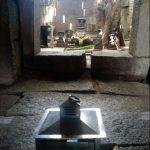
- The Sanctum (Garbhagriha): The inner shrine houses the Swayambhu (self-manifested) Shiva Lingam of Yogeeswarar. The sanctum is designed to absorb the natural acoustics of the surrounding fields, enhancing the meditative atmosphere.
- Mandapas: A pillared hall allows devotees to sit for extended meditation. The flooring is traditional stone, polished by years of devotees performing Pradakshina (circumambulation).
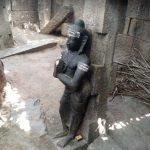
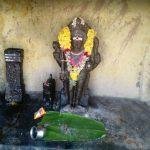
- Sculptural Details: Despite its small size, the temple features intricate carvings of the Elephant God (Ganesha) and the Fierce Guardian (Kala Bhairava). The idol of Korakkar is distinct, often depicted in a meditative posture with his characteristic walking staff.
- Setting: The temple is a rare example of Rural Sacred Architecture, where the boundary between the built environment and the natural landscape (paddy fields and hills) is porous.
While it does not hold a UNESCO heritage status, it is a protected monument under the purview of the Tamil Nadu State Archaeology Department.
Darshan & Ritual Logistics
The rituals at Korakkar Siddhar Temple blend standard Shaivite practices with unique Siddha traditions. The daily Pooja schedule is strictly followed.
Daily Timings
| Day | Morning Session | Evening Session |
|---|---|---|
| Monday – Sunday | 08:00 AM – 12:00 PM | 04:00 PM – 06:30 PM |
Key Sevas and Offerings
Devotees can participate in several specific sevas dedicated to the deity:
- Abhishekam (Sacred Bath): Performed with milk, honey, and sandalwood paste. It is believed to cure ailments and cleanse negative energy.
- Korakkar Archana: A special recitation of the Siddhar’s hymns alongside Shiva’s name.
- Milk Abhishekam for Naga (Snake) Shrines: Highly recommended for those facing Sarpa Dosha or marital delays.
Online Seva Booking (2026 Guidelines)
For the convenience of devotees, the Tamil Nadu HR&CE Department offers online booking for special darshans and abhishekams.
Click here to Book Seva Online
2026 Festival Schedule
Assuming the current year is 2026, the following major dates are recommended for pilgrimage visits:
- Ardra Darshanam: June 2026 (Celebrating the cosmic dance of Shiva).
- Korakkar Jayanthi: January 2026 (Specific dates based on the Tamil month of Thai).
- Maha Shivaratri: February 26, 2026 (Night-long vigil and special abhishekam).
- Pradosham: Bi-monthly events (Highly auspicious for Shiva devotees).
Practical Visitor Guidance
Due to the temple’s location in a rural setting, visitors are advised to plan accordingly.
- Dress Code: Traditional attire is mandatory. Men must wear Dhoti or formal trousers with a shirt; women should wear Saree or Salwar Kameez. Avoid shorts and sleeveless tops.
- Photography & Electronics: Photography is generally discouraged inside the sanctum to maintain the sanctity of the space. Mobile phones should be switched to silent mode.
- Crowd Management:
- Best Time to Visit: Monday mornings see fewer crowds compared to Sundays.
- Seasonal Advice: During the summer months (March–June), carry water and a hat, as the temple grounds are exposed to direct sunlight. Monsoon (July–September) offers a lush backdrop but requires an umbrella.
- Accessibility: The temple entrance is step-free, but the surrounding paths are uneven dirt tracks. Senior citizens may require assistance.
Pilgrimage Connectivity
How to Reach
The Korakkar Siddhar Temple is located in Theroor Village, approximately 10 km from Nagercoil.
- By Air: The nearest airport is Trivandrum International Airport (TRV), located about 82 km away. Taxis and buses are available from the airport to Nagercoil.
- By Rail: The nearest major railway junction is Nagercoil Junction (approx. 10 km). From there, local buses or auto-rickshaws can take you to Theroor.
- By Road: The temple is accessible via the NH 44 (formerly NH 47). From Nagercoil, take the road towards Suchindram and turn towards Theroor village.
Nearby Sacred Sites
Extend your pilgrimage by visiting these nearby spiritual centers:
- Suchindram Thanumalayan Temple: Located just 5 km away, famous for its musical pillars and the 13-foot Hanuman statue.
- Kumarakovil Temple: A beautiful temple dedicated to Lord Murugan situated on a hill, about 20 km from Theroor.
- Vadiveeswaram Temple: Another ancient Shiva temple located 8 km away, rich in Dravidian heritage.


Frequently Asked Questions (FAQ)
1. Is there a VIP darshan entry?
No, the Korakkar Siddhar Temple follows a traditional egalitarian approach. There is no specific VIP entry; all devotees are allowed equal time in the sanctum. However, during peak festivals, a special Sheervalam (queue) system is utilized.
2. What is the best way to perform the online seva booking?
You can visit the official Tamil Nadu Tourism or HR&CE website. Search for “Korakkar Siddhar Temple” or enter the location “Theroor”. Select the desired seva (e.g., Milk Abhishekam) and pay via credit/debit card. Carry a printout or digital copy of the receipt to present at the temple office.
3. Are Siddhas idols worshipped in the temple?
Yes. While the main deity is Yogeeswarar (Shiva), the temple is unique because it houses a distinct idol for Korakkar Siddhar. It is one of the few temples where a Siddhar is given a sanctum status comparable to the presiding deity.
4. Is the temple open for night darshan?
Generally, the temple closes by 6:30 PM. However, on specific festival days like Maha Shivaratri and Pradosham, night darshan is permitted until late evening. Please check the local panchangam or HR&CE notifications for exact timings.
5. What are the accommodation options near the temple?
Basic lodging is available in Theroor village. However, for better amenities, it is recommended to stay in Nagercoil (10 km) or Kanyakumari (18 km), which have a wide range of hotels and guest houses.
Recent Posts

Shri Kaamkoteeshwar Mandir, Varanasi – History & Significance
In the heart of Kashi, the eternal city of Lord Shiva, where the Ganges flows with celestial grace, stands the Shri Kaamkoteeshwar Mandir. This sacred Sannidhi is not merely a temple but a profound spiritual bridge between the Northern…

ओ सांवरे तूने ही मुझको संभाला – Lyrics & Meaning
ओ सांवरे तूने ही मुझको संभाला – A Prayer to Shyam Origin & Spiritual Essence Why This Bhajan Resonates Devotees chant this when overwhelmed by life’s storms—the refrain ‘तूने ही मुझको संभाला’ is the soul’s sigh of relief: “You…

कथा ये है महाराज मेरे की – Lyrics & Meaning
कथा ये है महाराज मेरे की छत्रपति संभाजी महाराज – A Prayer to Chhatrapati Sambhaji Maharaj Origin & Spiritual Essence Why This Bhajan Resonates Devotees chant this when their spirit feels tested—its powerful refrain “महाराज मेरे” is a soul’s…

Rigveda Samhita Yathartha Anuvada (ऋग्वेद संहिता यथार्थ अनुवाद) – Complete Set with Anvayartha & Hindi/English Translation
The Rigveda is the oldest surviving scripture of humanity and the foundational text of Sanātana Dharma. For serious students, scholars, UPSC aspirants studying ancient Indian history, Sanskrit learners, and spiritual seekers, a precise and grammatically structured translation is indispensable.…

आना भी अकेला है जाना भी अकेला है – Lyrics & Meaning | BharatTemples
आना भी अकेला है जाना भी अकेला है – A Prayer to the Divine Witness Origin & Spiritual Essence Why This Bhajan Resonates Devotees turn to this bhajan in moments of deep reflection—when life’s attachments begin to ache. The…

माता शेरावाली के द्वार जो भी जाता है – Lyrics & Meaning
माता शेरावाली के द्वार जो भी जाता है – A Prayer to Maa Sherawali Origin & Spiritual Essence Why This Bhajan Resonates Devotees turn to this bhajan in times of fear or uncertainty—its promise that no one leaves Maa’s…

मार लेना सपणी उबार लेणा भवरा – Lyrics & Meaning
मार लेना सपणी उबार लेणा भवरा – A Prayer to the Divine Beloved Origin & Spiritual Essence Why This Bhajan Resonates Devotees chant this in moments of deep vulnerability—its cry of “मार लेना सपणी, उबार लेणा भवरा” is the…

हमें श्याम सुंदर भरोसा तुम्हारा – Lyrics & Meaning
हमें श्याम सुंदर भरोसा तुम्हारा – A Prayer to Shyam Sundar Origin & Spiritual Essence Why This Bhajan Resonates Devotees chant this when feeling alone—its refrain ‘de do sahara’ is the soul’s cry for divine support. Lyrics in Hindi…

Mere Satguru Ne Di Thi Davai Lyrics in Hindi & Meaning
Mere Satguru Ne Di Thi Davai: Invoking the Guru’s Liberating Wisdom This soul-stirring bhajan venerates the Satguru (True Spiritual Master) as the divine physician who dispenses the only remedy for life’s deepest sufferings. Composed by Sant Karmaveer Tufani, it…

Janm Diyo Thari Maa Dukh Dekhiyo Lyrics in Hindi & Meaning
जन्म दियो थारी माँ दुख देखियो (Maa’s Grief Upon Birthing You) This soul-stirring Chetavani Bhajan (admonitory hymn) is addressed to the Divine Mother (Maa) – a call for repentance when children forget their filial duties in the dark age…