Lakshmi Narasimhar Temple Maraimalai Nagar: History, Darshan Timings & Guide
Receive daily temple updates, divine darshan, and morning bhajans directly on WhatsApp.
Contents
- 1 Lakshmi Narasimhar Temple, Maraimalai Nagar: A Definitive Pilgrimage Guide
- 1.1 1. Introduction & Spiritual Essence
- 1.2 2. Historical Origins & Scriptural Legend
- 1.3 3. Architectural Marvels
- 1.4 4. Darshan & Ritual Logistics (2026 Update)
- 1.5 5. Practical Visitor Guidance
- 1.6 6. Pilgrimage Connectivity
- 1.7 7. Frequently Asked Questions (FAQ)
- 1.8 Photo Gallery
- 1.9 Contact Details
Lakshmi Narasimhar Temple, Maraimalai Nagar: A Definitive Pilgrimage Guide
Author: Lead Heritage Architect, bharattemples.com | Date: June 2026
Hidden in the spiritual landscape of Kanchipuram district lies a sanctuary that bridges the ancient Pallava era with modern devotion. The Lakshmi Narasimhar Temple in Maraimalai Nagar is not merely a structure built in the 1990s; it houses a Swayambhu (self-manifested) idol estimated to be over 1,300 years old. This guide serves as your spiritual compass, engineered for the modern pilgrim while honoring the timeless traditions of Agama Sastra and Vedic legends.
1. Introduction & Spiritual Essence
The Primary Deity: Lakshmi Narasimhar
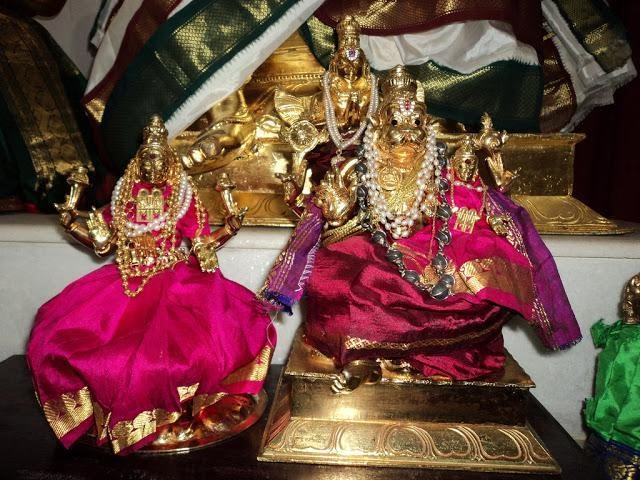
The temple is dedicated to Lord Vishnu in his fierce yet benevolent avatar as Narasimha, accompanied by his consort Lakshmi (locally revered as Anandavalli Thayar). Unlike traditional temples where the deities are placed separately, here Lord Narasimha and Goddess Lakshmi are enshrined together in the sanctum, symbolizing the inseparable union of cosmic power and abundance.
Phalaśruti: Why Visit?
According to temple records and the sthala purana, the primary benefit of darshan here is the removal of Pitru Dosha (ancestral karmic debts). Devotees believe that:
– Worshipping here cleanses ancestral karma and liberates forefathers.
– Lord Narasimha acts as a Karya Siddhi (remover of obstacles) for devotees facing legal disputes or delayed marriages.
– The presence of the ancient Pallava idol radiates a potent vibration specifically for mental peace and courage.
📖 Related: Hari Muktheeswarar Temple History and Darshan Timings | Ariyamangai Guide
2. Historical Origins & Scriptural Legend
The Pallava Connection & Excavation
While the temple structure was consecrated in the 1990s, the spiritual lineage dates back to the Pallava dynasty. The presiding Moolavar (main deity) was excavated in 1990 in the presence of the then District Collector of Chengalpet and Archaeological authorities. Carbon dating and stylistic analysis suggest the idol dates back approximately 1,300 years, characteristic of early Dravidian sculptural art.
The Sthala Purana: A Divine Dream
Tradition holds that the temple’s origin began with a divine vision. The deity appeared in the dream of Priest Srinivasa Raghavan and his wife, Choodamani Ammal. In the dream, Lord Narasimha directed them to the exact spot where the idol lay buried underground.
Mythological Roots
Local legends claim that the idol was originally worshipped by the sage Vishwamitra during his tenure as King Kausika—a period spanning the Treta Yuga. The temple construction was later completed by the priestly family in strict accordance with the Agama Sastras dictated by Sage Bhrigu (Dwapara Yuga), ensuring the sanctity of the energy flows.
3. Architectural Marvels
Dravidian Style & Vastu Shastra
The temple follows the classic Dravidian architectural style. The structure is built on a four-ground plot in Vivekananda Nagar. A distinctive Vastu feature is the basement, which contains 248 chakras (sacred geometric patterns) that form the foundation of the Moolasthanam (primary energy center).
The Sanctum Layout
The sanctum sanctorum houses:
1. Satyagnana Perumal (Lakshmi Narasimhar) & Anandavalli Thayar.
2. Ardhamandapam (front hall) immediately surrounding the Moolasthanam.
3. While the temple is relatively modern in construction, the adherence to Agamic rules ensures the flow of energy is potent and traditional.
📖 Related: Periya Nayagi Amman Temple, Palani: History, Darshan Timings & Complete Guide
4. Darshan & Ritual Logistics (2026 Update)
Daily Timings
Based on standard temple schedules and 2026 adjustments:
| Session | Timing |
|---|---|
| Morning Darshan | 6:00 AM – 11:00 AM |
| Afternoon Break | 11:00 AM – 4:30 PM |
| Evening Darshan | 4:30 PM – 8:30 PM |
Key Sevas & Online Booking
Devotees can participate in various sevas. While the temple is managed by the hereditary trust, many services are coordinated through regional temple portals.
- Abhishekam: Performed on Tuesdays and Fridays. Special ingredients include sandalwood paste, milk, and honey.
- Archana: Can be performed daily with specific mantras for Pitru Tarpanam.
- Online Booking: Currently, direct booking is managed locally. However, devotees are advised to check the HRCE (Hindu Religious and Charitable Endowments) Department Tamil Nadu portal or contact the temple office directly for the latest online seva integration scheduled for late 2026.
2026 Major Festival Dates
- Narasimha Jayanthi: May 12, 2026 (Special Abhishekam and Sahasranama Archana).
- Pavitrotsavam: June 15–17, 2026 (Purification ritual).
- Brahmotsavam: November 2026 (Dates vary by the Tamil calendar).
5. Practical Visitor Guidance
Etiquette & Dress Code
As this is a traditional temple following Agamic rules, visitors must adhere to a strict dress code.
– Men: Dhoti or formal trousers with a shirt. Avoid shorts.
– Women: Saree, Salwar Kameez, or traditional skirt and blouse.
– Electronics: Photography is strictly prohibited inside the sanctum. Mobile lockers are generally provided at the entrance; please utilize them.
Crowd Management & Best Hours
Located near the bustling NH-45 and Ford Car Factory, the temple sees moderate traffic.
– Best Time to Visit: Weekday mornings (7:00 AM) are ideal for a peaceful darshan.
– Seasonal Advice: Tamil summers (April–June) are humid. Carry a water bottle and an umbrella. During Margazhi (Dec–Jan), the temple is lively with musical renditions but can be crowded.
Accessibility
The temple features a ramp for wheelchair access at the entrance, though the inner sanctum has traditional steps.
6. Pilgrimage Connectivity
How to Reach
By Road: The temple is located directly off NH-45 (Chennai–Villupuram Highway), approximately 50 km from Chennai. It is opposite the Ford Car Factory in Maraimalai Nagar.
By Rail: The nearest railway station is Maraimalai Nagar, which is well-connected to Tambaram and Chengalpet.
By Air: Chennai International Airport (MAA) is the nearest airport, roughly 40 km away.
📖 Related: Chenganmaaleeswarar Temple, Chenganmaal: History, Darshan Timings & Guide
Nearby Sacred Sites
Enhance your pilgrimage by visiting these nearby temples:
1. Ekambareswarar Temple (Kanchipuram): A mere 30-minute drive; one of the Pancha Bhoota Stalas (Earth element).
2. Ulagalantha Perumal Temple (Kanchipuram): Dedicated to Vishnu’s Trivikrama avatar.
3. Kailasanathar Temple: The oldest structural temple in Kanchipuram, showcasing classic Pallava architecture.
7. Frequently Asked Questions (FAQ)
Is there a VIP Darshan entry?
Currently, the temple does not have a dedicated VIP entry gate. All devotees are treated equally. However, donations for sevas can facilitate priority access during non-peak hours.
Can I carry food inside?
Prasadam (offering) is usually distributed outside the sanctum. While carrying personal water is allowed, eating inside the temple premises is discouraged. The temple trust occasionally organizes Annadhanam (free meal service) on special festival days.
Is the temple open on all days?
Yes, the temple remains open on all days. However, it is advisable to check with the office (044-27453204) on major public holidays or during extreme weather conditions.
What is the significance of the 248 chakras?
The 248 chakras engraved on the basement foundation are geometric energy focal points. According to Agamic texts, these help concentrate the spiritual energy of the Moolasthanam, ensuring the idol remains a powerful conduit for divine grace.
Is parking available?
There is a limited parking area adjacent to the temple. Due to the location on NH-45, visitors are advised to arrive early to secure parking spots. Public buses frequently stop right in front of the temple.
Photo Gallery
Chakrathazhwar
Anjaneyar, Garudan and Brugu Maharishi
Moolavar & Uthsavar
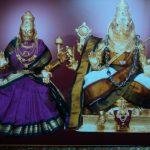
5620416020_a14548079e_b, Lakshmi Narasimhar Temple, Maraimalai Nagar, Kanchipuram
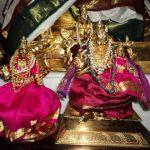
Uthsavathigal
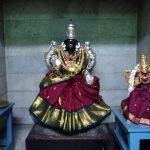
Thaayar
Thaayar Sannadhi
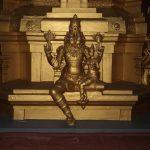
Perumal Vimanam
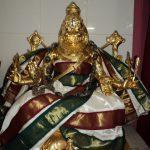
Uthsavathiga
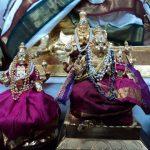
Uthsavathigal
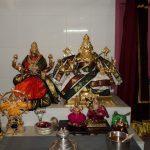
Uthsavathigal
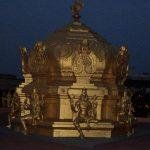
Perumal Vimanam
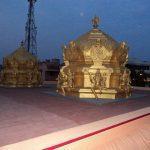
Perumal & Thaayar Vimanam
Contact Details
Lakshmi Narasimha Swamy Temple
Plot # 138, Door No # 22,
Vivekananda Nagar,
Maraimalai Nagar Post
Kanchipuram District
Tamil Nadu – 603209
Phone: (044) 27453204
Original Source Reference: tamilnadu-favtourism.blogspot.com