Lakshmi Narayan Temple Delhi: History, Darshan Timings & Guide

Receive daily temple updates, divine darshan, and morning bhajans directly on WhatsApp.
Contents
- 1 Introduction & Spiritual Essence
- 2 Historical Origins & Scriptural Legend
- 3 Architectural Marvels
- 4 Darshan & Ritual Logistics
- 5 Practical Visitor Guidance
- 6 Pilgrimage Connectivity
- 7 Photo Gallery
Introduction & Spiritual Essence
The Lakshmi Narayan Temple complex, often affectionately referred to as the Birla Mandir or the Chhatarpur Mandir, stands as a colossal sanctuary of devotion in the heart of South Delhi. While the name suggests a focus on Lakshmi and Narayan, the central presiding deity is the fierce and benevolent Goddess Katyayani, a manifestation of Shakti. This temple is not merely a structure but a living spiritual ecosystem spanning over 70 acres, making it one of the largest temple complexes in North India.
Spiritual Significance: Devotees flock here to seek blessings from Goddess Katyayani, particularly for marital harmony, prosperity, and the removal of obstacles. The temple is unique in its syncretic architectural style, blending the grandeur of South Indian Dravidian Gopurams with the intricate craftsmanship of North Indian Nagara shikharas. This blend symbolizes the unity of diverse Hindu traditions.
Phalaśruti (The Fruits of Visiting): According to temple lore and devotional beliefs, worshipping Goddess Katyayani at this specific site helps cleanse ancestral karma and grants devotees the strength to overcome life’s adversities. During Navratra, the spiritual energy is said to be at its peak, fulfilling the sincere wishes of pilgrims who undertake the pilgrimage to this divine abode.
Historical Origins & Scriptural Legend
Builders: This magnificent complex was envisioned and constructed by the Birla family, renowned industrialists and philanthropists who have built several iconic temples across India. The foundation was laid to preserve the ancient Vedic traditions in the rapidly modernizing capital.
Scriptural Context: While the temple pays homage to the pan-Indian Lakshmi-Narayan duo, the specific idol of Goddess Katyayani is deeply rooted in the Devi Mahatmya and the Durga Saptashati. Katyayani is the sixth avatar of Durga, born from the hermitage of Sage Katyayana.
📖 Related: Sai Baba Temple Delhi: History, Darshan Timings & Complete Guide
Sthala Purana (Local Legend): Tradition holds that the land where the temple stands was once a dense forest area near the ancient village of Chhatarpur. It is believed that Goddess Katyayani appeared here in a dream to the local villagers and the visionaries of the Birla family, instructing them to establish her idol in a place where the energy of the earth (Bhoomi) and the sky (Dyaus) meet. The complex was expanded significantly in 1988, adding the taller spires and the expansive marble courtyards seen today.
Architectural Marvels
The architecture of the Lakshmi Narayan Temple is a testament to the Nagara style, infused with South Indian temple aesthetics (Dravida influence). The complex is entirely constructed of white marble and red sandstone, sourced from Rajasthan.
Key Features:
- The Gopuram: Unlike traditional North Indian temples that have a smaller entrance, the main entrance features a towering Gopuram (gateway tower) typical of South Indian temples, rising high above the tree line.
- The Sanctum (Garbhagriha): The inner sanctum houses the black stone idol of Goddess Katyayani, adorned with silver ornaments. Adjacent to it are shrines for Lord Shiva, Lord Ganesha, and Lord Hanuman.
- The 100-Foot Hanuman: A major attraction is the colossal statue of Lord Hanuman standing at 100 feet, located within the complex. This statue is designed with intricate detailing and is a focal point for devotees.
- Mandapas: The temple features several Mandapas (halls) with pillared corridors. The ceiling of the main Mandapa is painted with scenes from Hindu mythology, similar to the mural art found in the Bhim Betka caves.
The complex is designed according to the principles of Vastu Shastra, ensuring that the flow of energy guides the devotee from the chaotic outer world into the serene inner sanctum.
Darshan & Ritual Logistics
Visiting this temple requires an understanding of its daily schedule and ritual offerings. The temple is highly active during festivals, particularly Navratra (Chaitra and Shardiya), when footfall exceeds 1 lakh devotees per day.
📖 Related: ISKCON Temple Delhi: Radha Parthasarathi History, Timings & Darshan Guide
Daily Timings
| Darshan Type | Timings |
|---|---|
| Morning Darshan | 5:00 AM – 11:00 AM |
| Mid-day Break | 11:00 AM – 4:00 PM |
| Evening Darshan | 4:00 PM – 9:00 PM |
| Shayan Aarti | 9:00 PM (Closing) |
Key Sevas & Online Booking
Devotees can perform specific Sevas (ritual services) to deepen their spiritual experience. For the year 2026, the temple management has streamlined digital bookings.
- Abhishekam: Ritual bathing of the deity. Performed in the morning (6:00 AM – 7:00 AM). Requires advance booking.
- Archana (Pushpanjali): Offering of flowers and chanting of names. Available throughout the day.
- Special Navratra Pujas: For 2026, Chaitra Navratra (April) and Shardiya Navratra (October) will have special ticketed entry for the main deity.
Online Booking: To avoid long queues, use the official website (bharattemples.com links) or the designated temple portal for ‘Chhatarpur Mandir Seva’. Look for the ‘E-Puja’ section.
Practical Visitor Guidance
To ensure a smooth visit, please adhere to the following guidelines. The temple administration is strict regarding decorum.
- Dress Code: Traditional attire is preferred. Men should wear dhoti/kurta or trousers and shirts. Women should wear sarees, salwar kameez, or long skirts. Avoid shorts and sleeveless tops.
- Photography: Photography is allowed in the outer complex and gardens, but strictly prohibited inside the Garbhagriha (main sanctum) and near the 100-ft Hanuman statue.
- Mobile Lockers: The temple provides free electronic lockers at the entrance for mobile phones and bags. It is mandatory to deposit electronic items before entering the main shrine.
- Crowd Management:
- Best Hours: 6:00 AM – 8:00 AM (Morning) or 5:00 PM – 7:00 PM (Evening).
- Weekends: Avoid Saturday and Sunday afternoons.
- Seasonal Advice: Delhi summers (May-June) are scorching. The outer complex is open to the sun; carry a water bottle (allowed) and use the shaded Mandapas for rest.
Pilgrimage Connectivity
How to Reach: The temple is located in the Chhatarpur area of South Delhi, well-connected by road and metro.
- By Metro (Easiest Option): Take the Yellow Line to Chhatarpur Metro Station. The temple is approximately 2 km from the station. Shuttle rickshaws and e-rickshaws are available every minute.
- By Road: Located off M.G. Road (Near Gole Market). It connects easily to NH-48 (Delhi-Jaipur Highway).
- By Air: The nearest airport is Indira Gandhi International Airport (DEL), roughly 20 km away (30-45 mins drive).
📖 Related: Nili Chhatri Temple: History, Darshan Timings & Complete Guide
Nearby Sacred Sites (Pilgrimage Circuit):
- Qutub Minar Complex: A UNESCO World Heritage site located just 4 km away, showcasing the blend of Indo-Islamic architecture.
- Sri Kalyana Venkateswara Temple: An authentic South Indian style temple dedicated to Lord Balaji, located in Sainik Farms (approx. 5 km).
- Terminal 3 Airport Temple: A small shrine for a quick prayer before departure.
Frequently Asked Questions (FAQ)
1. Is there a VIP darshan entry at Chhatarpur Mandir?
Yes, the temple offers a special entry pass for senior citizens and differently-abled devotees. However, for general VIP entries, prior written permission from the temple administration office is required 48 hours in advance.
2. Can I carry my own Prasad inside?
Outside food items are not allowed inside the main temple complex. However, dry fruits and packaged sweets can be taken, but it is recommended to purchase Prasad from the authorized counters inside the complex to support the temple.
3. Is the temple accessible for wheelchairs?
Yes, the main courtyard and ground floor of the temple are wheelchair accessible. Ramps are provided at all major entry points.
4. What is the best time to visit to avoid crowds?
The best time to visit is early morning on a weekday (Tuesday to Thursday). During festivals (Navratra), crowds are massive, so visiting during the first or last hour of Darshan is advised.
5. Is there a facility for shoe storage?
Yes, free shoe storage is available at the entrance, separate from the paid locker facilities. Keep your ticket safe to retrieve your footwear.
Photo Gallery
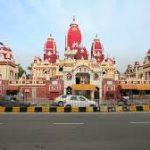
Lakshmi, Lakshmi Narayan Temple, Delhi
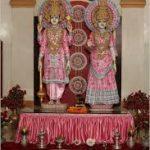
Lakshmi Narayan Temple, Del, Lakshmi Narayan Temple, Delhi

Lakshmi Narayan Temple, D, Lakshmi Narayan Temple, Delhi
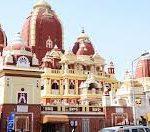
Lakshmi Narayan Temple, Lakshmi Narayan Temple, Delhi
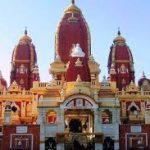
Lakshmi Narayan Temple, De, Lakshmi Narayan Temple, Delhi