Leaning Temple of Huma: History, Darshan Timings & Complete Pilgrimage Guide
Receive daily temple updates, divine darshan, and morning bhajans directly on WhatsApp.
Contents
- 1 Introduction & Spiritual Essence: The Leaning Miracle of Huma
- 2 Historical Origins & Scriptural Legend
- 3 Architectural Marvels: The Mystery of the Tilt
- 4 Darshan & Ritual Logistics
- 5 Practical Visitor Guidance
- 6 Pilgrimage Connectivity
- 7 Frequently Asked Questions (FAQs)
- 7.1 1. Is the lean of the temple safe for devotees?
- 7.2 2. Is there a VIP darshan entry available?
- 7.3 3. Can I offer milk or water to the Shiva Lingam?
- 7.4 4. What is the entry fee for the temple?
- 7.5 5. Where can I stay in Sambalpur or Huma?
- 7.6 6. Why is the pinnacle perpendicular if the temple leans?
Introduction & Spiritual Essence: The Leaning Miracle of Huma
The Leaning Temple of Huma (Kutila Shiva) stands as a singular architectural anomaly and a profound spiritual beacon in the heart of Odisha. Located in the tranquil village of Huma, approximately 23 kilometers south of Sambalpur on the banks of the mighty Mahanadi river, this temple is dedicated to Lord Shiva.
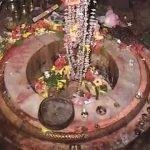
While the structure physically leans, drawing the eyes of visitors worldwide, the spiritual pull is even stronger. The presiding deity is locally known as Kuma Kedar or Kutila Shiva. Unlike the fixed Shivalinga found in most temples, the Lingam here is positioned centrally at the base, allowing it to move slightly and rest against the inner wall, contributing to the temple’s mystique.
Phalaśruti: Why Devotees Visit
Devotees believe that a sincere darshan at the Leaning Temple fulfills desires and grants spiritual merit. According to local belief and oral tradition, the temple holds the power to:
- Cleanse Ancestral Karma: Performing rituals here is believed to alleviate the negative impacts of past deeds and pacify ancestors.
- Remove Obstacles: Lord Shiva in this form is worshipped as the remover of difficulties (Vighnaharta).
- Bestow Stability: Paradoxically, the leaning structure represents divine strength, helping devotees find inner balance amidst life’s tilts.
Historical Origins & Scriptural Legend
The history of the Leaning Temple is a blend of documented royal patronage and mystical folklore.
Architectural Patrons and Renovations
According to temple records and historical accounts, the original structure was established by the Ganga Vamsi Emperor Anangabhima Deva-III. However, the current form of the temple is largely attributed to the Chauhan Dynasty of Sambalpur.
- Construction: King Baliar Singh (1660–1690 AD), the fifth Chauhan king of Sambalpur, rebuilt or renovated the main temple.
- Expansion: The surrounding smaller shrines were constructed during the reign of King Ajit Singh (1766–1788 AD).
📖 Related: Mukteshwar Mahadev Temple History & Darshan Timings | Complete Guide
Scriptural Legend and Sthala Purana
The local lore, or Sthala Purana, surrounding Huma is deeply devotional. Tradition holds that a simple milkman (Gauda) used to cross the Mahanadi daily to graze his cattle. He would offer a portion of his milk to a specific rock formation on the riverbank. Miraculously, the rock would consume the milk every single day.
Curious and amazed by this phenomenon, the villagers excavated the site and discovered a natural Shivalingam. Realizing the divine presence, they constructed the temple around the deity. Over centuries, the temple structure began to lean, yet the idol remained firm, solidifying its reputation as a site of divine intervention.
Architectural Marvels: The Mystery of the Tilt
The temple is a testament to the Kalinga style of architecture, though it displays unique characteristics that set it apart from typical Nagara or Dravida styles prevalent in India.
The Unique Lean
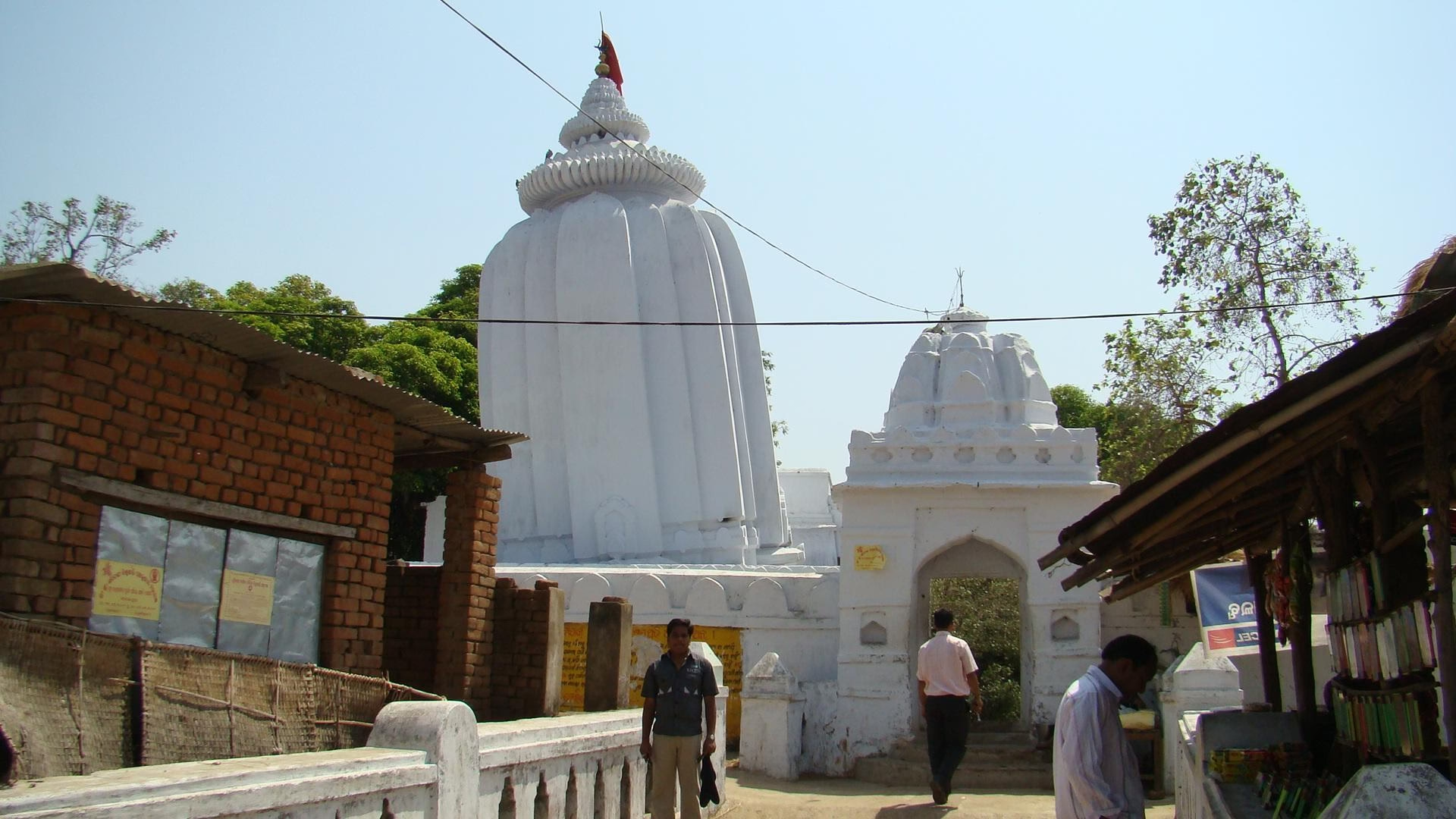
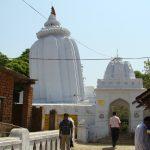
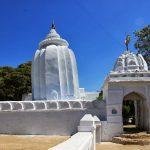
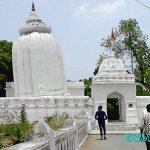
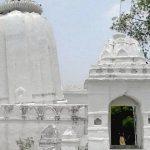
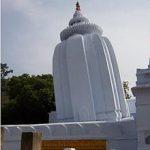
The most striking feature is the inclination of the main temple, which leans to the southeast. Interestingly, the small shrines of Bhairavi Devi (to the left) and Bhairo (Bhairava) (to the right) also lean, but in different directions. This creates a mesmerizing visual symmetry within the complex.
While the exact reason for the tilt remains a subject of geological study, theories include:
- Subterranean Displacement: Uneven settling of the rocky bed beneath the temple.
- Hydraulic Pressure: The swelling and shrinking of the clay soil during the dry and wet seasons of the Mahanadi.
- Design: Some experts suggest the lean was intentional to counteract the strong winds blowing from the river, though this is debated.
Sculptural Details
The temple base and walls feature intricate carvings of deities and floral motifs. The sanctum houses the Lord Shiva Lingam, which rests against the inner wall rather than the floor. The Mandapa (pillared hall) is spacious, allowing devotees to gather during festivals.
Darshan & Ritual Logistics
Planning your visit requires understanding the daily schedule and the sevas (services) offered. Below are the standard timings; however, it is advisable to confirm closer to your visit as timings may shift slightly based on seasonal variations and local festivals.
| Darshan / Ritual | Timing | Details |
|---|---|---|
| Temple Opening | 06:00 AM | Deity wakes up, morning Aarti begins. |
| Morning Darshan | 06:00 AM – 12:00 PM | Regular darshan for devotees. |
| Midday Break | 12:00 PM – 03:00 PM | Temple remains closed. |
| Evening Darshan | 03:00 PM – 09:00 PM | Regular darshan resumes. |
| Shayan Aarti | 09:00 PM | Closing ritual. |
📖 Related: Julfa Mata Temple Nangal: History, Timings & Complete Guide
Key Sevas and Online Booking
While traditional on-site booking is available, the Odisha government and the Temple Trust are increasingly digitizing services for 2026.
- Abhishekam: Ritual bathing of the Shiva Lingam. Best performed during the morning slot (07:00 AM – 08:00 AM).
- Archana: Recitation of names (108 names of Lord Shiva). Available throughout the day.
- Online Booking: Visit the official Odisha Temple Trust portal (e.g., eservices.templesofodisha.gov.in) to book specific sevas in advance. Look for the “Leaning Temple Huma” section.
2026 Major Festival Dates
Visiting during festivals offers a vibrant spiritual atmosphere, though crowds are significantly larger.
- Maha Shivaratri: February 26, 2026. This is the primary festival here, marked by special Jagaran (night-long vigil), cultural processions, and grand Maha Abhishekam.
- Navaratri: March 27 – April 4, 2026. While primarily a Durga festival, special offerings are made to Bhairavi Devi within the complex.
- Kartik Purnima: November 5, 2026. Devotees take holy dips in the Mahanadi before visiting the temple.
Practical Visitor Guidance
To ensure a respectful and smooth visit, please adhere to the following guidelines.
Code of Conduct and Dress Code
As a place of active worship, modesty is paramount.
- Attire: Men should wear dhotis or long trousers; women should wear sarees or full-length skirts/dresses. Avoid shorts and sleeveless tops.
- Footwear: Shoes must be removed at the designated stands outside the temple complex. Security tokens are usually provided.
- Photography: Photography is generally permitted in the outer courtyards but is strictly prohibited inside the sanctum sanctorum (Garbhagriha).
- Mobile Phones: Usage is discouraged inside the inner sanctum. Please use the mobile lockers available near the ticket counter if needed.
Crowd Management & Seasonal Advice
- Best Time to Visit: The ideal months are November to February. The weather is cool, and the Mahanadi is picturesque.
- Monsoon Caution: During July–September, the Mahanadi swells. While the temple is safe, travel logistics from Sambalpur can be affected by river levels.
- Summer Advice: In May, temperatures rise. Carry a water bottle; staying hydrated is essential while queuing for darshan.
Pilgrimage Connectivity
How to Reach
Huma is well-connected by road to major hubs in Odisha.
- By Air: The nearest airport is Veer Surendra Sai Airport (Jarsugula), approximately 60 km away. Bhubaneswar Airport (BBI) is the major international gateway, about 300 km away.
- By Rail: The nearest major railway junction is Sambalpur Junction (SBP), approximately 23 km from Huma. Auto-rickshaws and taxis are readily available from the station.
- By Road: Huma is located on the NH535. Private taxis and buses ply frequently from Sambalpur Badamahal (Baramahal) to Huma.
📖 Related: Durgiana Temple Amritsar: History, Darshan Timings & Complete Guide (2026)
Nearby Sacred Sites
Extend your pilgrimage by visiting these nearby destinations:
- Gandhamardan Parbat (Barapahar): Located near Bargarh (approx. 50 km from Sambalpur), this hill is home to the ancient Preserver Temple and is steeped in Jain and Hindu history.
- Samaleswari Temple (Sambalpur): The historic abode of Goddess Samaleswari, the reigning deity of Sambalpur, located on the banks of the Mahanadi upstream.
- Hirakud Dam: One of the longest earthen dams in the world. While not a temple, it holds the spiritual significance of controlling the Mahanadi’s fury.
hqdefault (48), Leaning Temple of Huma, Sambalpur, Odisha
Huma_Leaning_Temple-04, Leaning Temple of Huma, Sambalpur, Odisha
IMG_9989 aa copy blog, Leaning Temple of Huma, Sambalpur, Odisha
Leaning Temple of Huma, Sambalpur, Odisha
1-660×330, Leaning Temple of Huma, Sambalpur, Odisha
220px-Huma_SBP, Leaning Temple of Huma, Sambalpur, Odisha
Frequently Asked Questions (FAQs)
1. Is the lean of the temple safe for devotees?
Yes, absolutely. Although the structure leans visibly, the foundation is stable. The tilt has remained constant for decades, and the Archaeological Survey of India (ASI) and local authorities ensure the structural integrity is maintained regularly.
2. Is there a VIP darshan entry available?
Currently, the Leaning Temple of Huma operates on a general darshan basis. There is no formal VIP entry system. However, purchasing a special Archana ticket allows you to perform the ritual, which often provides a closer view of the deity with less queue time compared to the general free darshan line.
3. Can I offer milk or water to the Shiva Lingam?
Yes. Devotees can purchase small pots of milk or water from stalls outside the temple to offer during Abhishekam. However, due to crowd restrictions, these offerings are often performed by the temple priests collectively during specific hours (usually morning and evening Aarti).
4. What is the entry fee for the temple?
General entry to the temple is free for all devotees. There is a nominal charge (approx. INR 5-10) for keeping shoes at the designated counter, and fees for specific Sevas (pujas) are separate.
5. Where can I stay in Sambalpur or Huma?
Accommodation options are available in Sambalpur (23 km away), ranging from budget lodges to mid-range hotels. Government circuit houses and private hotels near Badamahal or the Sambalpur town center are the best bases for visiting Huma.
6. Why is the pinnacle perpendicular if the temple leans?
While the main structure (the body) of the temple leans towards the southeast, the Amalaka (the crown or pinnacle at the top) remains vertical. This optical illusion is part of the temple’s unique structural engineering and is a visual highlight for visitors.