
Contents
- 1 Malinithan, Arunachal Pradesh: A Definitive Pilgrimage Guide
Malinithan, Arunachal Pradesh: A Definitive Pilgrimage Guide
1. Introduction & Spiritual Essence
Perched on the northern banks of the mighty Brahmaputra River, amidst the serene landscapes of Likabali in the Lower Siang district, lies Malinithan. This archaeological site is not merely a ruin; it is a sacred testament to the ancient confluence of Vedic culture and the vibrant traditions of Northeast India.
The Primary Deity:
While the temple lies in ruins, the spiritual energy remains palpable. The chief deity worshipped here is believed to be Shakthi Durga, also revered locally in the syncretic form of Kechai-Khaiti. She is the embodiment of divine feminine power (Shakti), and the temple serves as a hallowed ground for her worship.
Phalaśruti: Why Devotees Visit
According to local tradition and the spiritual significance of the site, devotees visit Malinithan for specific blessings:
- Removal of Obstacles: Worshipping the Shakthi form here is believed to dissolve karmic blockages and grant success in endeavors.
- Ancestral Peace: The sanctity of the ruins makes it a potent site for performing rites that bring peace to ancestors.
- Protection: Devotees seek the protective shield of Goddess Durga against negative energies and adversities.
2. Historical Origins & Scriptural Legend
The history of Malinithan is a narrative of devotion carved in granite, a material rare for the region but distinct to this structure.
The Builders and the Era
According to temple records and archaeological studies, the temple was constructed in the early 15th century (circa 14th to 15th centuries). It stands as a monument from the period of the Chutiya Kingdom, a powerful medieval kingdom that ruled large parts of present-day Assam and Arunachal Pradesh.
The temple is historically attributed to Chutiya King Lakshminarayan. This era marked a significant phase of Brahminical settlement in the region, where the king offered land grants to priests to establish Vedic culture in the Himalayan foothills.
Scriptural & Local Legends
While the Sthala Purana (local oral tradition) is deeply rooted in indigenous beliefs, the architectural style suggests a transition from brick-based indigenous styles to the granite-laden Nagara style influenced by Aryan contact.
Tradition holds that the site was a vibrant center of Shakthi worship before the kingdom’s decline. The temple was later abandoned due to unknown historical shifts, leaving the ruins to be reclaimed by nature until excavations brought them back to light.
3. Architectural Marvels
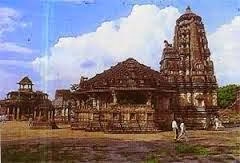
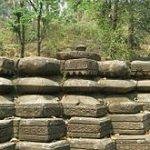
Malinithan is an architectural anomaly in the Northeast, built primarily with granite stones rather than the traditional brick and wood found in other regional temples.
Style and Vastu
The structure exhibits the classic Nagara style of temple architecture, characterized by a towering spire (shikhara) and intricate carvings. From a Vastu Shastra perspective, the temple is strategically positioned on a hill rising 21 meters (69 ft) above the plains. This elevation allows devotees to absorb the panoramic energy of the Brahmaputra River flowing south of the temple.
Notable Features
Excavations have revealed several sculptural marvels:
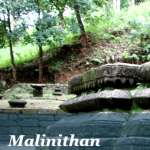
- Exquisite Sculptures: Remains of carved elephants, lions, and floral motifs adorn the stone pillars.
- Granite Construction: The use of granite was a deliberate, labor-intensive choice, symbolizing the permanence of faith in a turbulent era.
4. Darshan & Ritual Logistics
Unlike active temples in major cities, Malinithan is an archaeological site managed by the state. However, the local community ensures that worship continues, especially during major festivals.
Daily Timings
| Session | Timings |
|---|---|
| Morning | 09:00 AM – 12:00 PM |
| Evening | 02:00 PM – 05:00 PM |
| Note: Timings may vary during festivals. The site is open all days of the week. | |
Sevas and Online Booking
As the temple is under state archaeology, regular archana and abhishekam are conducted by local priests. While a centralized online seva booking system is not strictly required for daily darshan, special arrangements can be made via the District Administrative Office for large groups.
2026 Festival Dates
Major festivals revolve around the Goddess. Key dates for 2026 include:
- Navaratri (Spring): April 2 – April 10, 2026
- Navaratri (Autumn): September 22 – October 1, 2026
- Diwali: October 21, 2026
5. Practical Visitor Guidance
Dress Code and Etiquette
Visitors are expected to dress modestly. As the temple sits on a rocky hill, comfortable footwear is recommended, though shoes must be removed before climbing the main stone platform. Photography is permitted and encouraged to capture the ruins, but videography may require prior permission.
Crowd Management
Best Hours: Weekday mornings (09:00 AM – 11:00 AM) offer the most serene experience. Weekend afternoons can see increased local tourism.
Seasonal Advice:
- Summer (May–June): The plains get hot. Carry water bottles and headwear.
- Monsoon: The Brahmaputra basin receives heavy rain. Exercise caution on the stairs.
6. Pilgrimage Connectivity
How to Reach Malinithan
- By Air: The nearest airport is Lilabari Airport (North Lakhimpur) in Assam, approximately 50 km away. From there, hire a taxi to Likabali.
- By Rail: The nearest major railway station is North Lakhimpur (Assam).
- By Road: Malinithan is well-connected via the Trans-Arunachal Highway (NH 13). It is located just outside the town of Likabali.
Nearby Sacred Sites
Extend your pilgrimage circuit with these nearby destinations:
- Ita Fort (Itanagar): A massive fort built over millions of bricks, symbolizing the power of the Chutiya and later the Ahom dynasties.
- Ranganath Temple (Itanagar): A serene Vishnu temple known for its architectural similarity to the South Indian style.
- Gomsi (West Siang): An ancient fort and archaeological site located further upstream on the Brahmaputra.
7. Frequently Asked Questions (FAQs)
Is there a VIP darshan entry at Malinithan?
As an archaeological site, there is no formal VIP darshan mechanism. However, prior intimation to the District Tourism Officer may facilitate smoother access for large delegations or dignitaries.
What is the best time of year to visit?
The ideal time to visit is between October and March. The weather is cool and pleasant, and the river views are at their clearest.
Are there accommodation facilities nearby?
Basic hotels and government guest houses are available in Likabali and North Lakhimpur (just across the river in Assam). For luxury accommodations, Itanagar (approx. 100 km away) is recommended.
Is the temple accessible for senior citizens?
The ruins are situated on a hill. While steps lead up to the site, it can be challenging for those with mobility issues. Wheelchair access is currently not available.
What makes Malinithan unique compared to other Arunachal temples?
Unlike the wooden or brick structures typical of the region, Malinithan is built entirely of granite, signifying a distinct architectural shift influenced by Aryan contact and the Chutiya dynasty’s specific construction techniques.

Contact Details
Official Address:
Malinithan Temple Site,
Likabali, Lower Siang District,
Arunachal Pradesh, India.
For tourism inquiries, please contact the District Administration, Lower Siang.
Recent Posts

Shri Kaamkoteeshwar Mandir, Varanasi – History & Significance
In the heart of Kashi, the eternal city of Lord Shiva, where the Ganges flows with celestial grace, stands the Shri Kaamkoteeshwar Mandir. This sacred Sannidhi is not merely a temple but a profound spiritual bridge between the Northern…

ओ सांवरे तूने ही मुझको संभाला – Lyrics & Meaning
ओ सांवरे तूने ही मुझको संभाला – A Prayer to Shyam Origin & Spiritual Essence Why This Bhajan Resonates Devotees chant this when overwhelmed by life’s storms—the refrain ‘तूने ही मुझको संभाला’ is the soul’s sigh of relief: “You…

कथा ये है महाराज मेरे की – Lyrics & Meaning
कथा ये है महाराज मेरे की छत्रपति संभाजी महाराज – A Prayer to Chhatrapati Sambhaji Maharaj Origin & Spiritual Essence Why This Bhajan Resonates Devotees chant this when their spirit feels tested—its powerful refrain “महाराज मेरे” is a soul’s…

Rigveda Samhita Yathartha Anuvada (ऋग्वेद संहिता यथार्थ अनुवाद) – Complete Set with Anvayartha & Hindi/English Translation
The Rigveda is the oldest surviving scripture of humanity and the foundational text of Sanātana Dharma. For serious students, scholars, UPSC aspirants studying ancient Indian history, Sanskrit learners, and spiritual seekers, a precise and grammatically structured translation is indispensable.…

आना भी अकेला है जाना भी अकेला है – Lyrics & Meaning | BharatTemples
आना भी अकेला है जाना भी अकेला है – A Prayer to the Divine Witness Origin & Spiritual Essence Why This Bhajan Resonates Devotees turn to this bhajan in moments of deep reflection—when life’s attachments begin to ache. The…

माता शेरावाली के द्वार जो भी जाता है – Lyrics & Meaning
माता शेरावाली के द्वार जो भी जाता है – A Prayer to Maa Sherawali Origin & Spiritual Essence Why This Bhajan Resonates Devotees turn to this bhajan in times of fear or uncertainty—its promise that no one leaves Maa’s…

मार लेना सपणी उबार लेणा भवरा – Lyrics & Meaning
मार लेना सपणी उबार लेणा भवरा – A Prayer to the Divine Beloved Origin & Spiritual Essence Why This Bhajan Resonates Devotees chant this in moments of deep vulnerability—its cry of “मार लेना सपणी, उबार लेणा भवरा” is the…

हमें श्याम सुंदर भरोसा तुम्हारा – Lyrics & Meaning
हमें श्याम सुंदर भरोसा तुम्हारा – A Prayer to Shyam Sundar Origin & Spiritual Essence Why This Bhajan Resonates Devotees chant this when feeling alone—its refrain ‘de do sahara’ is the soul’s cry for divine support. Lyrics in Hindi…

Mere Satguru Ne Di Thi Davai Lyrics in Hindi & Meaning
Mere Satguru Ne Di Thi Davai: Invoking the Guru’s Liberating Wisdom This soul-stirring bhajan venerates the Satguru (True Spiritual Master) as the divine physician who dispenses the only remedy for life’s deepest sufferings. Composed by Sant Karmaveer Tufani, it…

Janm Diyo Thari Maa Dukh Dekhiyo Lyrics in Hindi & Meaning
जन्म दियो थारी माँ दुख देखियो (Maa’s Grief Upon Birthing You) This soul-stirring Chetavani Bhajan (admonitory hymn) is addressed to the Divine Mother (Maa) – a call for repentance when children forget their filial duties in the dark age…