
Contents
Introduction & Spiritual Essence
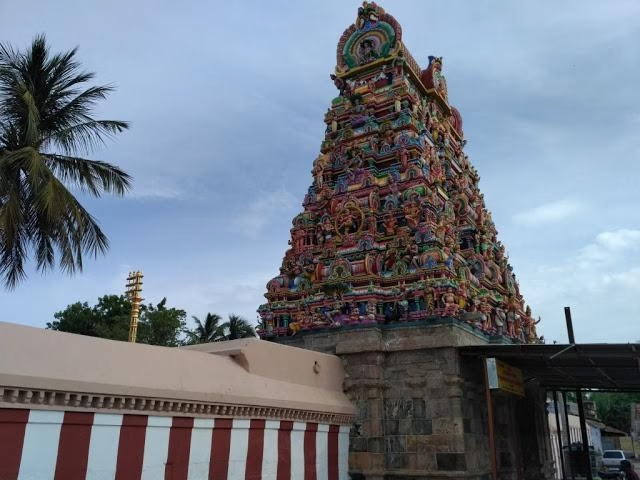
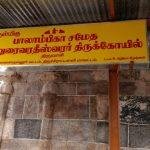
Located on the serene northern banks of the Kollidam River in Thiruvasi, Manachanallur, the Matrurai Varadeeswarar Temple stands as a beacon of ancient Saivite heritage. Dedicated to Lord Shiva, known here as Maatrurainathar (also revered as Sameevaneswarar, Brahmapureeswarar, and Matrurai Varadeeswarar), this temple is the 116th of the 275 Devaram Padal Petra Shiva Sthalams. The presiding deity is a self-manifested (Swayambhu) lingam, radiating immense spiritual energy.
Phalaśruti (Spiritual Benefits): Devotees throng this shrine seeking specific divine blessings. It is renowned as a powerful Parihara Sthalam for curing ailments such as stomach illnesses, nervous weakness, epilepsy, and paralysis. Worshipping the Sarpa Nataraja here for 45 days is believed to alleviate these conditions. Furthermore, the temple is considered equivalent to a pilgrimage to Kasi (Varanasi); performing specific rituals here, such as offering Sweet Pongal on Mondays, yields the same merit as bathing in the Ganges. For those facing Balarishta Dosham (childhood afflictions) or obstacles in marriage proposals, praying to the Goddess here for five consecutive Fridays brings relief.
Historical Origins & Scriptural Legend
Historical Timeline: This Dravidian architectural marvel was not built in a single era but expanded over centuries by various dynasties, including the Great Raja Raja Cholan I, Sundara Pandian, Kulothunga Cholan I, and Krishna Deva Rayar. Stone inscriptions within the temple complex date back to 1253 AD, recording the generous donations of paddy by the Hoysala King Veera Someswaran, who ruled from Samayapuram.
Scriptural & Oral Legends:
- The Golden Touch (Mattru Urai Nathar): According to Saivite lore, the poet-saint Sundarar once prayed here for gold to feed his followers. Lord Shiva initially remained silent, prompting Sundarar to sing a verse doubting the Lord’s existence. Shiva immediately provided the gold. When Sundarar tested the purity, Lord Shiva appeared as a goldsmith, accompanied by Lord Vishnu as the assessor, confirming the divine touch. Hence, the name Mattru Urai Nathar.
- Sarpa Nataraja: Tradition holds that Saint Tirugnanasambandar visited this place and cured the daughter of the Kolli Mazhavan (a local king) who was suffering from snakebite venom. As the Saint sang the Thunivar Thingal pathigam, Lord Shiva performed a cosmic dance atop a serpent to extract the poison, creating the unique form of Sarpa Nataraja.
- The Wedding: Local legends narrate the story of a childless devotee, Kamalan, who found a baby in a lotus. When she grew up, she refused mortal marriage, desiring only Lord Shiva. Shiva appeared as a groom, and the celestial wedding took place here. The river Silambu (now Panguni) is believed to have originated from the anklet thrown by the Goddess during this divine event.
Architectural Marvels
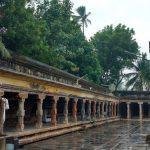
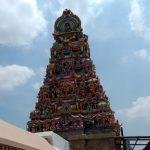
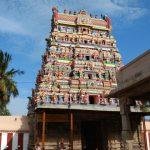
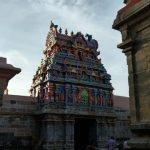
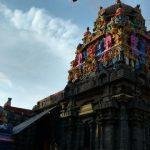
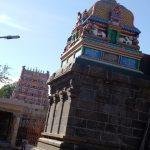
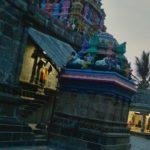
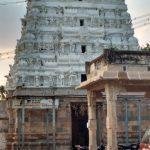
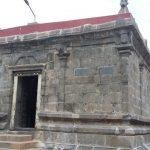
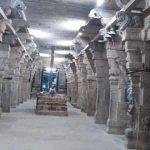
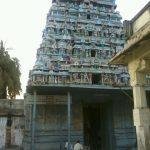
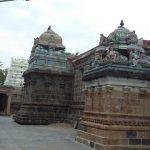
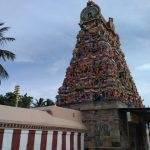
The temple exhibits classic Dravidian architecture with a modest yet historically significant structure. The inner sanctum houses the Swayambhu lingam, while the temple tank is located on the northern side.
Notable Sculptures & Shrines:
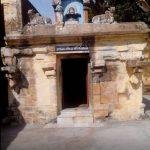
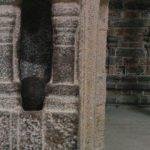
The most significant feature is the rare idol of Sarpa Nataraja (Lord Nataraja dancing on a serpent, his hair tied), a visual representation of the legend of Saint Sambandar. The complex also houses shrines for the Goddesses Balambigai and Bala Soundary. The temple’s walls are adorned with intricate carvings depicting the legends of Sundarar and the divine wedding.
Darshan & Ritual Logistics
The temple is open daily for devotees. Below is the schedule for standard opening hours and pooja timings.
| Timing Type | Time |
|---|---|
| Morning Darshan | 07:00 AM – 12:00 PM |
| Evening Darshan | 04:30 PM – 07:30 PM |
| Daily Pooja Rituals | |
| Kaala Santhi | 08:00 AM |
| Uchi Kaalam | 11:30 AM |
| Sayaratchai (Evening) | 05:00 PM |
| Arthajamam (Closing) | 07:30 PM |
Key Sevas & Online Booking
Currently, specific online seva booking for Matrurai Varadeeswarar Temple is best coordinated directly via the contact numbers provided below, as it is a local temple trust. Key offerings include:
- Vanni Leaf Archana: Highly recommended for relief from snake bites, epilepsy, and stomach ailments.
- Abhishekam: Performed on Pradosham days.
- Deepa Aradhana: Lighting lamps with Iluppai oil for family welfare.
2026 Festival Calendar (Specific Dates)
While exact lunar dates vary, these festivals fall in the following months in 2026:
- Thai Poosam: January/February 2026
- Vaikasi Brahmmotsavam: May/June 2026 (11-day grand festival)
- Margazhi Tiruvadhirai: December 2025/January 2026 (Arudra Darshan)
- Thirukarthikai: November/December 2026
Practical Visitor Guidance
Dress Code: Traditional attire is mandatory. Men should wear dhotis or trousers with a shirt; women should wear sarees, half-sarees, or churidars.
Photography & Mobiles: Photography is strictly prohibited inside the inner sanctum. It is advisable to deposit mobile phones and cameras in lockers (if available) or switch them off before entering the temple to maintain the sanctity of the space.
Crowd Management: This is a relatively peaceful temple compared to larger shrines in Trichy. However, during Pradosham and the Brahmmotsavam in May/June, crowds are significant. The best time for a quiet darshan is early morning (7:00 AM – 9:00 AM). Carry drinking water, especially during the summer months of April and May.
Accessibility: The temple complex is on a single level, but the surrounding pathways can be dusty. Visitors with mobility issues should plan accordingly.
Pilgrimage Connectivity
How to Reach Matrurai Varadeeswarar Temple
By Road: The temple is located in Thiruvasi village, accessible via the Trichy–Salem route (via Ayyanpalayam). It is approximately 16 km from Trichy Central Bus Stand and 11 km from Chatiram Bus Station. Bus routes 60 and 40 from Trichy Town pass through this village. From the bus stop, it is a short walk to the temple.
By Train: The nearest railway station is Uthamar Kovil Railway Station (approx. 5 km). Major junctions include Srirangam (9 km) and Trichy Junction (20 km).
By Air: The nearest airport is Trichy International Airport, located approximately 21 km away.
Nearby Sacred Sites (Pilgrimage Circuit)
Extend your spiritual journey with these nearby temples:
- Uthamar Kovil (3 km): Known as the “Thirukkazhukundram” of the North. A rare temple where Brahma, Vishnu, and Shiva reside in a single complex.
- Thiruvanaikaval (Jambukeswarar Akilandeswari Temple) (9 km): One of the Pancha Bhoota Stalam (Water element) and a UNESCO World Heritage site contender.
- Samayapuram Mariamman Temple (12 km): A major shrine dedicated to Goddess Mariamman, frequented for healing powers.
Frequently Asked Questions (FAQs)
1. Is there a VIP Darshan entry available?
As a local heritage temple, Matrurai Varadeeswarar Temple does not have a formal VIP entry system like large corporate temples. Darshan is open to all devotees equally. However, contacting the temple trust ahead of major festivals may facilitate smoother access during peak hours.
2. What is the significance of the Sarpa Nataraja shrine?
The Sarpa Nataraja is a unique depiction where Lord Nataraja dances atop a serpent with his hair tied. This form is believed to have manifested when Saint Tirugnanasambandar cured a princess bitten by a snake. It is a potent site for those suffering from poison-related illnesses, snake phobias, and nervous disorders.
3. How is this temple equivalent to Kashi (Varanasi)?
According to local legends and the Phalaśruti, offering Sweet Pongal to the Lord on Mondays and sprinkling the received holy water on oneself is believed to yield the same spiritual merit as bathing in the Ganges at Kashi. The river Silambu (now Panguni) is also linked to this legend.
4. What are the contact numbers for the temple trust?
You can reach the temple trust or the Executive Officer at the following numbers: +91 94436 92138 / 98656 64870 / 9786905159. For specific seva inquiries, calling during morning hours is recommended.
5. Can I perform the Vanni Leaf Archana myself?
While specific archanas are performed by the temple priests, devotees can bring Vanni leaves and offer them to the Lord during darshan. To perform a specific ritual for curing ailments (covering 45 days), it is best to consult the resident priest upon arrival.
Recent Posts

Shri Kaamkoteeshwar Mandir, Varanasi – History & Significance
In the heart of Kashi, the eternal city of Lord Shiva, where the Ganges flows with celestial grace, stands the Shri Kaamkoteeshwar Mandir. This sacred Sannidhi is not merely a temple but a profound spiritual bridge between the Northern…

ओ सांवरे तूने ही मुझको संभाला – Lyrics & Meaning
ओ सांवरे तूने ही मुझको संभाला – A Prayer to Shyam Origin & Spiritual Essence Why This Bhajan Resonates Devotees chant this when overwhelmed by life’s storms—the refrain ‘तूने ही मुझको संभाला’ is the soul’s sigh of relief: “You…

कथा ये है महाराज मेरे की – Lyrics & Meaning
कथा ये है महाराज मेरे की छत्रपति संभाजी महाराज – A Prayer to Chhatrapati Sambhaji Maharaj Origin & Spiritual Essence Why This Bhajan Resonates Devotees chant this when their spirit feels tested—its powerful refrain “महाराज मेरे” is a soul’s…

Rigveda Samhita Yathartha Anuvada (ऋग्वेद संहिता यथार्थ अनुवाद) – Complete Set with Anvayartha & Hindi/English Translation
The Rigveda is the oldest surviving scripture of humanity and the foundational text of Sanātana Dharma. For serious students, scholars, UPSC aspirants studying ancient Indian history, Sanskrit learners, and spiritual seekers, a precise and grammatically structured translation is indispensable.…

आना भी अकेला है जाना भी अकेला है – Lyrics & Meaning | BharatTemples
आना भी अकेला है जाना भी अकेला है – A Prayer to the Divine Witness Origin & Spiritual Essence Why This Bhajan Resonates Devotees turn to this bhajan in moments of deep reflection—when life’s attachments begin to ache. The…

माता शेरावाली के द्वार जो भी जाता है – Lyrics & Meaning
माता शेरावाली के द्वार जो भी जाता है – A Prayer to Maa Sherawali Origin & Spiritual Essence Why This Bhajan Resonates Devotees turn to this bhajan in times of fear or uncertainty—its promise that no one leaves Maa’s…

मार लेना सपणी उबार लेणा भवरा – Lyrics & Meaning
मार लेना सपणी उबार लेणा भवरा – A Prayer to the Divine Beloved Origin & Spiritual Essence Why This Bhajan Resonates Devotees chant this in moments of deep vulnerability—its cry of “मार लेना सपणी, उबार लेणा भवरा” is the…

हमें श्याम सुंदर भरोसा तुम्हारा – Lyrics & Meaning
हमें श्याम सुंदर भरोसा तुम्हारा – A Prayer to Shyam Sundar Origin & Spiritual Essence Why This Bhajan Resonates Devotees chant this when feeling alone—its refrain ‘de do sahara’ is the soul’s cry for divine support. Lyrics in Hindi…

Mere Satguru Ne Di Thi Davai Lyrics in Hindi & Meaning
Mere Satguru Ne Di Thi Davai: Invoking the Guru’s Liberating Wisdom This soul-stirring bhajan venerates the Satguru (True Spiritual Master) as the divine physician who dispenses the only remedy for life’s deepest sufferings. Composed by Sant Karmaveer Tufani, it…

Janm Diyo Thari Maa Dukh Dekhiyo Lyrics in Hindi & Meaning
जन्म दियो थारी माँ दुख देखियो (Maa’s Grief Upon Birthing You) This soul-stirring Chetavani Bhajan (admonitory hymn) is addressed to the Divine Mother (Maa) – a call for repentance when children forget their filial duties in the dark age…