
Contents
Introduction & Spiritual Essence
Nestled in the tranquil village of Kadambathur, Thiruvallur District, the Muktheeswarar Temple stands as a beacon of ancient spirituality and Dravidian heritage. Dedicated to Lord Shiva, this sacred site is revered by devotees seeking Mukti—liberation from the cycle of birth and death. Here, the presiding deity, Muktheeswarar (the Bestower of Liberation), is worshipped in his formless yet benevolent Swayambhu lingam.
The temple is also home to the divine consort, Goddess Pagal Amman (also known as Gnanambikai). The primary spiritual benefit, or Phalaśruti, of visiting this temple is believed to be the cleansing of ancestral karma and the attainment of mental clarity. Devotees visit to offer prayers for the peace of departed souls and to resolve lingering familial disputes, invoking the grace of Lord Shiva for ultimate liberation.
Historical Origins & Scriptural Legend
While specific dating of the initial construction is difficult to pinpoint without exhaustive records, the architectural motifs suggest a history spanning several centuries, likely influenced by the Vijayanagara or Nayak periods that saw extensive temple patronage in the Thiruvallur region. Tradition holds that this site has been a center of worship since the early medieval era.
According to local Stala Purana (oral legend), the region of Kadambathur is deeply connected to the lore of the Kadamba tree, which is often associated with Lord Brahma and Lord Shiva in Vedic texts. The temple is said to be located on a Merkaba (energy field) grid, making it a powerful spot for meditation. The name “Muktheeswarar” itself signifies the lord who grants salvation, a title derived from the Sanskrit root Mukti. While direct references in major Puranas are specific to local adaptations, the temple architecture aligns with the Pancharathram system (five modes of worship) standard in Shiva temples of Tamil Nadu.
Architectural Marvels
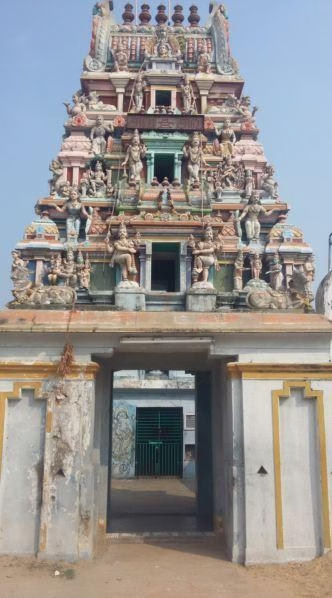
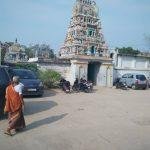
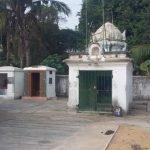
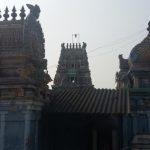
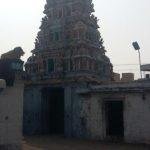
The Muktheeswarar Temple is a classic example of Dravidian architecture, characterized by its towering gopurams (gateway towers) and intricate stone carvings.
- The Sanctum (Garbhagriha): The innermost shrine houses the Swayambhu lingam. Unlike structural temples, this natural formation is revered as the self-manifested form of Shiva.
- Prakaram (Circumambulatory Path): The temple features a spacious outer corridor that allows devotees to perform Pradakshina (circumambulation). The stone pillars here are adorned with carvings of deities, musicians, and celestial figures.
- Vimana: The tower above the sanctum exhibits the stepped pyramidal style typical of Tamil Nadu temples, designed according to Vastu Shastra principles to channel cosmic energy.
- Mandapas: The temple includes a Maha Mandapa (great hall) supported by massive stone pillars, used for conducting rituals and housing the Nandi (bull vehicle of Shiva) which faces the sanctum.
Darshan & Ritual Logistics
Devotees can participate in various Sevas (ritual services) throughout the year. The atmosphere is particularly vibrant during the early morning and evening worship times.
Daily Temple Timings
| Session | Timing |
|---|---|
| Morning Darshan | 06:00 AM – 12:00 PM |
| Afternoon Break | 12:00 PM – 04:30 PM |
| Evening Darshan | 04:30 PM – 08:00 PM |
Key Sevas & Online Booking
Popular rituals include:
- Abhishekam: Ritual bathing of the lingam with water, milk, honey, and sandalwood paste. Performed during morning hours.
- Archana: Personalized chanting of names for family well-being.
- Rudra Homam: A fire ritual for purification (typically performed on request).
Online Booking: While the temple is largely managed by local trusts, devotees seeking advanced booking for special homams or the annual Brahmotsavam should contact the Executive Officer, Hindu Religious & Charitable Endowments (HR&CE) Department, Thiruvallur. General sevas can be booked directly at the temple counter.
2026 Festival Calendar (Panchangam)
Plan your visit around these major festivities:
- Pradosham (Twilight Worship): Every 13th day of the lunar fortnight. Upcoming in 2026: Jan 10, Jan 24, Feb 8, Feb 22.
- Shivaratri: February 26, 2026 (Maha Shivaratri celebrations).
- Aadi Perukku: August 2, 2026 (River worship ceremony).
- Arudra Darshanam: January 6, 2026 (Celebrating the cosmic dance of Shiva).
Practical Visitor Guidance
To ensure a smooth and respectful visit, please adhere to the following guidelines:
- Dress Code: Traditional attire is mandatory. Men should wear dhotis or formal trousers with shirts; women should wear sarees, salwar kameez, or churidars. Avoid shorts and sleeveless tops.
- Photography: Photography is strictly prohibited inside the inner sanctum (Garbhagriha). You may take photos in the outer courtyards and Mandapas without flash.
- Mobile & Electronics: Using mobile phones inside the sanctum is forbidden. Many temples provide a free locker service; utilize it to store valuables before entering.
- Accessibility: The temple floor is stone-paved. While there are no elevators, the main sanctum is accessible for those who can walk a few steps. Elderly visitors may request assistance from the temple priests.
Crowd Management & Best Times
As a local hub, the temple sees crowds on weekends and Mondays. For a tranquil Darshan, visit on a weekday (Tuesday or Wednesday) between 10:00 AM and 11:30 AM. During the peak summer months (April–May), Tamil Nadu temperatures rise; carry a water bottle and wear light cottons. The cooler months of November to February offer the most pleasant weather for a pilgrimage.
Pilgrimage Connectivity
Kadambathur is well-connected by rail and road, making it an accessible destination for devotees from Chennai and surrounding districts.
How to Reach
- By Air: Chennai International Airport (MAA) is approximately 58 km away. Taxis are available from the airport.
- By Train: Kadambathur Railway Station is the closest stop, just 250 meters from the temple. It lies on the Chennai Central–Arakkonam line. Alternatively, Thiruvallur Railway Station is 9 km away.
- By Road: The temple is located just off the Thiruvallur – Kadambathur main road. It is 9 km from Thiruvallur. From Chennai, take the NH16 (Chennai–Bangalore Highway) via Sriperumbudur and turn towards Thiruvallur.
Nearby Sacred Sites
Extend your spiritual journey by visiting these nearby temples:
- Padavaneeswarar Temple, Thiruvallur: Located 9 km away, famous for Lord Padavaneeswarar (Kailasanathar) and the legend of the divine mongoose.
- Thiruvalangadu Vadaranyeswarar Temple: A 13 km drive to one of the seven “Saptha Veda Lingam” sites, known for its massive Nandi statue and Veerattaneswarar form of Shiva.
- Vedanarayana Perumal Temple, Nagalapuram: Located roughly 25 km away, a famous Vishnu temple associated with the legend of the calves of the Gopikas.
Frequently Asked Questions (FAQ)
1. Is there a VIP Darshan entry available?
The temple follows a general queue system for all devotees to maintain equality. However, for elderly citizens or those with medical conditions, special arrangements can be requested at the temple office upon arrival.
2. What are the accommodation options in Kadambathur?
Basic lodging is available in Kadambathur. For more comfortable stays with AC and amenities, it is recommended to book hotels in Thiruvallur (9 km) or Chennai (59 km).
3. Is non-vegetarian food allowed near the temple?
This is a sacred Hindu temple, and the entire village of Kadambathur follows a strict vegetarian culture. Devotees should consume only vegetarian food (Satvic) while in the vicinity.
4. How far is the temple from the main Thiruvallur bus stand?
The Muktheeswarar Temple is approximately 10 km from the Thiruvallur New Bus Stand. Frequent local buses and share autos are available.
5. Is there any entry fee?
General entry is free. However, tickets must be purchased for special Archana and Abhishekam services at the counter near the entrance.
| Date built: | – |
|---|---|
| Deity: | Muktheeswarar |
| Architectural style: | Dravidian architecture |
| Major festivals | – |
| Locale: | Kadambathur |
| District:: | Thiruvallur |
| Address: | – |
| Phone | – |
Photo Gallery


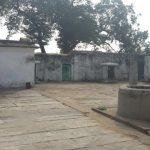
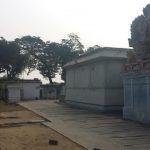
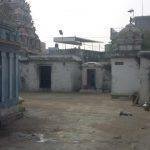
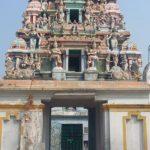
Contact Details
For specific inquiries regarding rituals or administrative matters, please contact the local HR&CE office in Thiruvallur.
Recent Posts

ओ सांवरे तूने ही मुझको संभाला – Lyrics & Meaning
ओ सांवरे तूने ही मुझको संभाला – A Prayer to Shyam Origin & Spiritual Essence Why This Bhajan Resonates Devotees chant this when overwhelmed by life’s storms—the refrain ‘तूने ही मुझको संभाला’ is the soul’s sigh of relief: “You…

कथा ये है महाराज मेरे की – Lyrics & Meaning
कथा ये है महाराज मेरे की छत्रपति संभाजी महाराज – A Prayer to Chhatrapati Sambhaji Maharaj Origin & Spiritual Essence Why This Bhajan Resonates Devotees chant this when their spirit feels tested—its powerful refrain “महाराज मेरे” is a soul’s…

Rigveda Samhita Yathartha Anuvada (ऋग्वेद संहिता यथार्थ अनुवाद) – Complete Set with Anvayartha & Hindi/English Translation
The Rigveda is the oldest surviving scripture of humanity and the foundational text of Sanātana Dharma. For serious students, scholars, UPSC aspirants studying ancient Indian history, Sanskrit learners, and spiritual seekers, a precise and grammatically structured translation is indispensable.…

आना भी अकेला है जाना भी अकेला है – Lyrics & Meaning | BharatTemples
आना भी अकेला है जाना भी अकेला है – A Prayer to the Divine Witness Origin & Spiritual Essence Why This Bhajan Resonates Devotees turn to this bhajan in moments of deep reflection—when life’s attachments begin to ache. The…

माता शेरावाली के द्वार जो भी जाता है – Lyrics & Meaning
माता शेरावाली के द्वार जो भी जाता है – A Prayer to Maa Sherawali Origin & Spiritual Essence Why This Bhajan Resonates Devotees turn to this bhajan in times of fear or uncertainty—its promise that no one leaves Maa’s…

मार लेना सपणी उबार लेणा भवरा – Lyrics & Meaning
मार लेना सपणी उबार लेणा भवरा – A Prayer to the Divine Beloved Origin & Spiritual Essence Why This Bhajan Resonates Devotees chant this in moments of deep vulnerability—its cry of “मार लेना सपणी, उबार लेणा भवरा” is the…

हमें श्याम सुंदर भरोसा तुम्हारा – Lyrics & Meaning
हमें श्याम सुंदर भरोसा तुम्हारा – A Prayer to Shyam Sundar Origin & Spiritual Essence Why This Bhajan Resonates Devotees chant this when feeling alone—its refrain ‘de do sahara’ is the soul’s cry for divine support. Lyrics in Hindi…

Mere Satguru Ne Di Thi Davai Lyrics in Hindi & Meaning
Mere Satguru Ne Di Thi Davai: Invoking the Guru’s Liberating Wisdom This soul-stirring bhajan venerates the Satguru (True Spiritual Master) as the divine physician who dispenses the only remedy for life’s deepest sufferings. Composed by Sant Karmaveer Tufani, it…

Janm Diyo Thari Maa Dukh Dekhiyo Lyrics in Hindi & Meaning
जन्म दियो थारी माँ दुख देखियो (Maa’s Grief Upon Birthing You) This soul-stirring Chetavani Bhajan (admonitory hymn) is addressed to the Divine Mother (Maa) – a call for repentance when children forget their filial duties in the dark age…
Bhadi Sabha Mein Thane Manaun Lyrics in Hindi & Meaning
Bhadi Sabha Mein Thane Manaun: Invoking the Spear-Wielding Mother Mata Bhawani (श्री ज्वाला भवानी), the fiery manifestation of Shakti worshipped as the Protector of Dharma in Her Dhaulagarh sanctum. Origin & Spiritual Essence Composed in Rajasthani folk tradition by…