
Contents
- 1 Nellaiappar Temple Tirunelveli: History, Timings & Pilgrimage Guide
Nellaiappar Temple Tirunelveli: History, Timings & Pilgrimage Guide
Introduction & Spiritual Essence
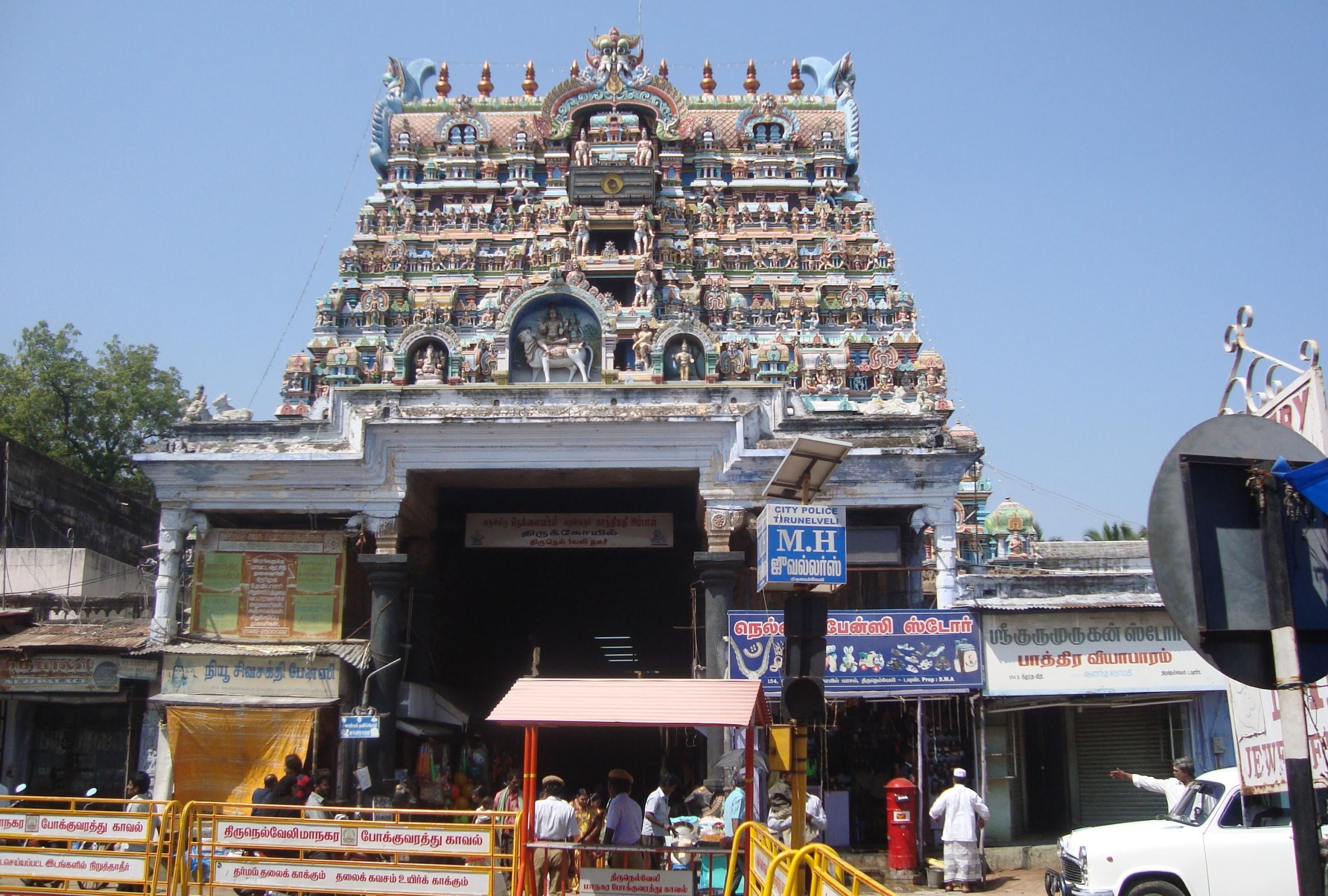
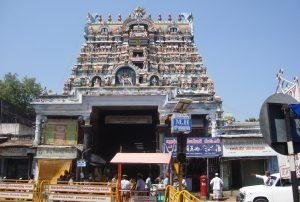
The Nellaiappar Temple, also known as Venuvananathar Temple, stands as a monumental beacon of Shaivism in the heart of Tirunelveli, Tamil Nadu. Dedicated to Lord Shiva (worshipped as Nellaiappar) and his consort Goddess Parvati (revered as Kanthimathi Amman), this temple is one of the most significant Paadal Petra Sthalams—hallowed shrines glorified in the 7th-century Tamil Saiva canonical work, the Tevaram.
The primary deity is a Swayambhu Lingam (self-manifested), adding to the temple’s mystical power. The name “Nellaiappar” translates to “the Lord of the Paddy Fields,” signifying the agricultural abundance of the region and the deity’s benevolence in providing sustenance.
Phalaśruti: The Spiritual Benefits
Devotees flock to Nellaiappar Temple seeking specific blessings and spiritual cleansing:
- Ancestral Liberation: Performing rituals here is believed to cleanse ancestral karma, offering peace to departed souls.
- Relief from Planetary Afflictions: Worshiping the specific form of Shiva here is said to mitigate the malefic effects of planetary positions in one’s horoscope.
- Musical Harmony: The temple is renowned for its “Musical Pillars,” and seeking darshan here is associated with enhancing artistic talents and auditory senses.
- Health & Well-being: Devotees pray here for recovery from prolonged illnesses, as the Amman shrine is particularly potent.

Historical Origins & Scriptural Legend
The history of the Nellaiappar Temple is a testament to the devotion spanning over a millennium. While the origins are ancient, the structure evolved through the patronage of multiple dynasties.
Dynastic Contributions
According to temple records and historical inscriptions:
- Pandya Dynasty: The original sanctum and the musical mandapam were constructed under the Pandyas during the 7th century.
- Pallava & Nayak Influence: The intricate stonework and the massive Gopurams (gateway towers) show influences from the Nayak rulers of Madurai in the 16th century.
- The Chain Mandapam (1647 AD): The temple was originally two separate structures—Nellaiappar and Kanthimathi. It was Thiru Vadamalaiappa Pillaiyan, a devoted sevakar, who united them by constructing the iconic Sangili Mandapam (Chain Mandapam) in 1647.
Scriptural Legend
Tradition holds that the region was originally a dense Venu (Bamboo) forest, earning the name Venuvanam. The local Sthala Purana narrates that Lord Shiva manifested here to bless the Gandharva King who was cursed to lose his divine form. By worshiping the Swayambhu Lingam, the king regained his status, bestowing the name Venuvananathar.
Inscriptions on the temple walls date back to the reign of Rajendra Chola I and Kulasekhara Pandyan, detailing contributions made after victorious battles. The outer walls were fortified using war booty, symbolizing the temple’s resilience.
Architectural Marvels
The Nellaiappar Temple is a masterpiece of Dravidian Architecture. Spread over 14.5 acres, it features concentric rectangular courtyards (prakarams) enclosed by massive walls.
Engineering & Artistry
The temple complex is an ocean of sculptures and stone pillars:
- The Musical Pillars: Located in the Mani Mandapam (Jewel Mandapam), these granite pillars emit distinct musical notes when tapped gently. They represent a pinnacle of ancient acoustic engineering.
- Sangili Mandapam: This hall connects the shrines of Nellaiappar and Kanthimathi, adorned with pillars depicting various deities and floral motifs.
- Virabhadra Statues: Composite columns holding swords and horns, added by Vijayanagara rulers in the early 1500s, are found here and are a hallmark of imperial patronage.
- Nandi Mandapam: Housing a majestic Nandi (bull) statue facing the main Lingam, built in 1654 by Sivanthiappa Nayak.
While not a UNESCO site, the temple is protected and maintained by the Archaeological Survey of India (ASI) and the Hindu Religious and Charitable Endowments Department due to its national heritage value.

Darshan & Ritual Logistics
Temple rituals follow strict Agamic traditions. The daily schedule is designed to accommodate devotees from across the globe.
Daily Timings
Note: Timings may vary slightly during festivals. It is advisable to check the official HR&CE website before travel.
| Session | Timing | Activity |
|---|---|---|
| Morning | 5:00 AM – 12:00 PM | Ushathkalam, Kalasanthi, Ashtachamabham |
| Afternoon | 12:00 PM – 4:00 PM | Temple Closed for Rest |
| Evening | 4:00 PM – 9:00 PM | Sayarakshai, Ardha Jamanam |
Key Sevas & Online Booking
Devotees can book various Sevas (ritual services) online through the official Tamil Nadu HR&CE portal.
- Abhishekam: Performed on specific days. The deity is bathed with holy water, milk, honey, and sandalwood paste.
- Archana: Offering of flowers and recitation of hymns.
- Kanthimathi Amman Abhishekam: Highly revered, performed on Fridays.
- Sangili Mandapam Pooja: A special ritual performed at the connecting hall.
How to Book: Visit the Tamil Nadu Tourism & HRCE portal, search for “Nellaiappar Temple,” and select the desired date and seva.
2026 Major Festival Calendar
- January (Thai Poosam): A grand procession of Lord Nellaiappar and Goddess Kanthimathi.
- March (Panguni Uthram): Significant celestial wedding ceremony of the deities.
- June/July (Aani Brahmotsavam): The most prominent 10-day festival. The final day features the Therottam (Car Festival).
- November (Karthigai Deepam): Lighting of lamps throughout the temple complex.
Practical Visitor Guidance
To ensure a respectful and smooth darshan experience, please adhere to the following guidelines:
Code of Conduct & Essentials
- Dress Code: Traditional attire is mandatory. Men should wear dhotis or pants with shirts (no t-shirts). Women should wear sarees, salwar kameez, or long skirts.
- Photography: Photography is strictly prohibited inside the inner sanctum (Garbhagriha) and the musical mandapam to preserve the sanctity.
- Mobile Phones: Electronic devices should be on silent mode. Storage lockers are available near the entrance for phones and bags (nominal fee applies).
- Accessibility: The temple has ramps for wheelchair access to the main corridors, though the inner sanctum may be challenging during peak hours.
Crowd Management Tips
- Best Time to Visit: Weekday mornings (6:00 AM – 9:00 AM) are least crowded.
- Seasonal Advice:
- Summer (April–June): Tirunelveli becomes extremely hot. Carry a water bottle, wear a hat, and use the provided shade facilities while queuing.
- Monsoon (October–December): Light rain gear is advised.
- Weekends: Expect heavy crowds, especially on Sundays and public holidays. An additional 1-2 hours should be allocated for darshan.

Pilgrimage Connectivity
How to Reach Nellaiappar Temple
- By Air: The nearest airport is Madurai International Airport (IXM), approximately 150 km away. Taxis and buses are available from the airport.
- By Rail: Tirunelveli Junction (TEN) is a major railway station in Southern India, located just 1-2 km from the temple (5-minute auto ride).
- By Road:
- Located on E Car Street, Tirunelveli Town.
- Well connected via National Highway 744 (connecting Madurai to Tirunelveli).
- State buses from major cities like Chennai, Coimbatore, and Trivandrum stop at Tirunelveli Bus Stand.
Nearby Sacred Sites (Pilgrimage Circuit)
- Kuttalam (Courtallam) Waterfalls (60 km): Known as the “Spa of South India,” these waterfalls are believed to have medicinal properties. A popular trekking and bathing spot.
- Alwarthirunagari (30 km): Home to the Adhinatha Perumal Temple, one of the 108 Divya Desams.
- Thirukkurungudi (45 km): The Nambi Rayar Temple, known for its beautiful sculptures and the legend of the Nayanmars.
Frequently Asked Questions (FAQ)
Is there a VIP Darshan entry available?
Yes, the temple offers a special entry darshan for a nominal fee. Additionally, donors who contribute a specific amount to temple development may be eligible for VIP passes. Tickets can be purchased at the counter near the entrance.
What is the significance of the “Chain Mandapam”?
The Sangili Mandapam (Chain Mandapam) is a unique architectural feature built in 1647. It features chains carved from stone connecting pillars, symbolizing the unbreakable bond between Lord Nellaiappar and Goddess Kanthimathi.
Are there accommodation facilities near the temple?
Yes, there are several lodges and choultries run by the HR&CE and private hotels on North Car Street and South Car Street. For a spiritual stay, the Adivaaram Ponnambala Adigalar Aasramam offers basic amenities for pilgrims.
Is the temple open 24/7?
No, the temple follows specific timings (5:00 AM to 9:00 PM). The sanctum is closed to the public during the afternoon interval (12:00 PM – 4:00 PM).
Can I offer my own puja items?
Generally, the temple administration provides standard offerings (milk, fruits, flowers) purchased at the counter. Outside items may not be permitted inside the sanctum to maintain hygiene and standard rituals.
Photo Gallery
How to Reach
Located at: 162, E Car St, Tirunelveli Town, Tirunelveli, Tamil Nadu 627006.
Contact Details
Official Address:
Executive Officer,
Nellaiappar Temple,
Tirunelveli – 627 006.
Phone: +91-462-2342336 (Office)
Recent Posts

Shri Kaamkoteeshwar Mandir, Varanasi – History & Significance
In the heart of Kashi, the eternal city of Lord Shiva, where the Ganges flows with celestial grace, stands the Shri Kaamkoteeshwar Mandir. This sacred Sannidhi is not merely a temple but a profound spiritual bridge between the Northern…

ओ सांवरे तूने ही मुझको संभाला – Lyrics & Meaning
ओ सांवरे तूने ही मुझको संभाला – A Prayer to Shyam Origin & Spiritual Essence Why This Bhajan Resonates Devotees chant this when overwhelmed by life’s storms—the refrain ‘तूने ही मुझको संभाला’ is the soul’s sigh of relief: “You…

कथा ये है महाराज मेरे की – Lyrics & Meaning
कथा ये है महाराज मेरे की छत्रपति संभाजी महाराज – A Prayer to Chhatrapati Sambhaji Maharaj Origin & Spiritual Essence Why This Bhajan Resonates Devotees chant this when their spirit feels tested—its powerful refrain “महाराज मेरे” is a soul’s…

Rigveda Samhita Yathartha Anuvada (ऋग्वेद संहिता यथार्थ अनुवाद) – Complete Set with Anvayartha & Hindi/English Translation
The Rigveda is the oldest surviving scripture of humanity and the foundational text of Sanātana Dharma. For serious students, scholars, UPSC aspirants studying ancient Indian history, Sanskrit learners, and spiritual seekers, a precise and grammatically structured translation is indispensable.…

आना भी अकेला है जाना भी अकेला है – Lyrics & Meaning | BharatTemples
आना भी अकेला है जाना भी अकेला है – A Prayer to the Divine Witness Origin & Spiritual Essence Why This Bhajan Resonates Devotees turn to this bhajan in moments of deep reflection—when life’s attachments begin to ache. The…

माता शेरावाली के द्वार जो भी जाता है – Lyrics & Meaning
माता शेरावाली के द्वार जो भी जाता है – A Prayer to Maa Sherawali Origin & Spiritual Essence Why This Bhajan Resonates Devotees turn to this bhajan in times of fear or uncertainty—its promise that no one leaves Maa’s…

मार लेना सपणी उबार लेणा भवरा – Lyrics & Meaning
मार लेना सपणी उबार लेणा भवरा – A Prayer to the Divine Beloved Origin & Spiritual Essence Why This Bhajan Resonates Devotees chant this in moments of deep vulnerability—its cry of “मार लेना सपणी, उबार लेणा भवरा” is the…

हमें श्याम सुंदर भरोसा तुम्हारा – Lyrics & Meaning
हमें श्याम सुंदर भरोसा तुम्हारा – A Prayer to Shyam Sundar Origin & Spiritual Essence Why This Bhajan Resonates Devotees chant this when feeling alone—its refrain ‘de do sahara’ is the soul’s cry for divine support. Lyrics in Hindi…

Mere Satguru Ne Di Thi Davai Lyrics in Hindi & Meaning
Mere Satguru Ne Di Thi Davai: Invoking the Guru’s Liberating Wisdom This soul-stirring bhajan venerates the Satguru (True Spiritual Master) as the divine physician who dispenses the only remedy for life’s deepest sufferings. Composed by Sant Karmaveer Tufani, it…

Janm Diyo Thari Maa Dukh Dekhiyo Lyrics in Hindi & Meaning
जन्म दियो थारी माँ दुख देखियो (Maa’s Grief Upon Birthing You) This soul-stirring Chetavani Bhajan (admonitory hymn) is addressed to the Divine Mother (Maa) – a call for repentance when children forget their filial duties in the dark age…