

Contents
Introduction & Spiritual Essence
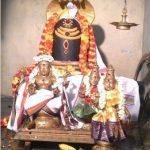
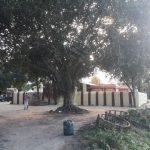
The Niranjeeswarar Temple, situated in the serene village of Chinnamandalai near Thiruvallur, is a sanctum of profound spiritual energy. Dedicated to Lord Shiva, worshipped here as Niranjeeswarar (the Supreme Being without impurities), and the consort Goddess Giri Nayaki, this temple stands as a testament to ancient Dravidian heritage.
Phalaśruti: The Divine Benefits
Devotees flock to this sacred abode seeking blessings for mental clarity and spiritual liberation. According to traditional beliefs, worshipping Niranjeeswarar helps in cleansing ancestral karma and alleviating the malefic effects of planetary positions. It is particularly potent for those seeking wisdom and relief from prolonged ailments, as the deity is believed to radiate healing energies (Arogya)
Historical Origins & Scriptural Legend
While specific inscriptional evidence regarding the exact date of construction is sparse, the architectural style suggests a Chola-era origin, with significant expansions occurring during the Vijayanagara period (circa 14th–16th centuries). The temple is a classical example of early Dravidian architecture, restored by local dynasties who were ardent Shiva devotees.
The Legend of Chinnamandalai
Tradition holds that this hill (Mandalai) was once the abode of a sage who performed intense penance to Lord Shiva. Pleased by his devotion, Shiva manifested as a Swayambhu (self-existent) Lingam at this spot. The name “Niranjeeswarar” signifies the formless, eternal nature of the Lord, untouched by worldly impurities. Local lore suggests that the holy river Ganga once flowed underground here, sanctifying the earth beneath the sanctum.
Architectural Marvels
The temple showcases the grandeur of Dravidian architecture, characterized by its towering gateways and intricate carvings.
Sanctum and Mandapas
The Vimana (tower above the sanctum) features the typical Dravidian tiered style. The inner sanctum houses the Swayambhu Lingam, facing east. The temple complex includes a spacious Mandapa (hall) with granite pillars depicting mythological scenes. The walls are adorned with sculptures of deities, celestial beings, and dancers, reflecting the artistic mastery of the era.
Notably, the temple follows the principles of Vastu Shastra, with the axis perfectly aligned to the east, allowing the first rays of the sun to illuminate the deity during the equinoxes.
Darshan & Ritual Logistics
To ensure a fulfilling spiritual experience, here are the daily schedules and ritual details for 2026.
Daily Temple Timings
| Period | Timings |
|---|---|
| Morning Darshan | 6:00 AM – 12:00 PM |
| Afternoon Break | 12:00 PM – 4:00 PM |
| Evening Darshan | 4:00 PM – 8:00 PM |
Key Sevas & Online Booking
Devotees can book the following rituals. While online booking via the HR&CE portal is standard for major temples, local arrangements can often be made at the counter.
- Abhishekam: Performed daily at 7:00 AM and 6:00 PM.
- Archana: Continuous recitation of names.
- Rudra Homam: Specific Vedic fire rituals.
Note: For online booking, visit the official Tamil Nadu Tourism or HR&CE website closer to your travel date in 2026.
2026 Major Festival Dates
- Maha Shivaratri: February 26, 2026 (Special all-night darshan).
- Arudra Darshan: January 8, 2026 (Celebrating Nataraja).
- Pradosham: 1st and 3rd Saturdays (Evening worship).
- Deepavali: October 21, 2026 (Special lighting).
Practical Visitor Guidance
Code of Conduct & Facilities
- Dress Code: Traditional attire is mandatory. Men: Dhoti or Pants with Shirt; Women: Saree, Salwar, or Kurti.
- Photography: Strictly prohibited inside the sanctum sanctorum. Permitted in the outer praharam (circumambulatory path).
- Electronic Items: Mobile phones and cameras are allowed but should be kept silent. Lockers are available near the entrance.
- Accessibility: The temple has sand/gravel paths; wheelchairs may have difficulty inside the sanctum area. Assistance is available from temple staff.
Crowd Management
Best Hours: Weekday mornings (7 AM – 9 AM) offer the least crowd.
Seasonal Advice: Summers (April–June) in Thiruvallur can be harsh; carry a water bottle and wear protective headgear. Monsoons (Oct–Dec) bring cool weather, ideal for pilgrimage.
Pilgrimage Connectivity
How to Reach
The Niranjeeswarar Temple is well-connected via road and rail.
- By Air: Chennai International Airport (MAA) is the nearest airport, approximately 58 Kms away.
- By Rail: The nearest railway station is Manavur (7 Kms). Alternatively, Thiruvallur Railway Station (20 Kms) offers frequent connections from Chennai.
- By Road: Located off the Chennai–Tirupati Highway (NH 716/SH 58). The temple is about 2.5 Kms from Perambakkam Bus Terminus.
Nearby Sacred Sites (Pilgrimage Circuit)
Enhance your trip by visiting these nearby temples:
- Varadaraja Perumal Temple, Thiruvalangadu (12 Kms): Famous for the “Yagna Varadar” idol.
- Thiruvallur Veeraraghava Swamy Temple (20 Kms): A Divya Desam dedicated to Lord Vishnu.
- Kadambathur Kamakshi Amman Temple (15 Kms): Known for its unique Devi shrine.
Photo Gallery





Frequently Asked Questions (FAQ)
1. Is there a VIP Darshan entry available?
Yes, for a nominal donation fee, VIP darshan tickets are available at the temple counter. This allows you to bypass the general queue during peak hours.
2. Are outside food and prasadam allowed inside?
No, outside food is not permitted inside the sanctum. However, the temple offers free midday meals (Annadanam) for devotees, usually served around 11:30 AM.
3. Is there accommodation available at the temple?
The temple itself is a small shrine and does not have guest rooms. However, travelers can find lodging in Thiruvallur town (20 km) or Perambakkam.
4. What is the best time of year to visit?
November to February is ideal due to the pleasant weather. However, visiting during Maha Shivaratri (February/March) offers a unique devotional atmosphere.
5. Is the temple safe for solo female travelers?
Yes, the area is peaceful and the temple is managed by local authorities. It is advisable to visit during daylight hours.
Contact Details
Address: Niranjeeswarar Temple, Chinnamandalai, Thiruvallur District, Tamil Nadu.
Phone: Contact the local administration or HR&CE office in Thiruvallur for the latest contact numbers.
Recent Posts

Shri Kaamkoteeshwar Mandir, Varanasi – History & Significance
In the heart of Kashi, the eternal city of Lord Shiva, where the Ganges flows with celestial grace, stands the Shri Kaamkoteeshwar Mandir. This sacred Sannidhi is not merely a temple but a profound spiritual bridge between the Northern…

ओ सांवरे तूने ही मुझको संभाला – Lyrics & Meaning
ओ सांवरे तूने ही मुझको संभाला – A Prayer to Shyam Origin & Spiritual Essence Why This Bhajan Resonates Devotees chant this when overwhelmed by life’s storms—the refrain ‘तूने ही मुझको संभाला’ is the soul’s sigh of relief: “You…

कथा ये है महाराज मेरे की – Lyrics & Meaning
कथा ये है महाराज मेरे की छत्रपति संभाजी महाराज – A Prayer to Chhatrapati Sambhaji Maharaj Origin & Spiritual Essence Why This Bhajan Resonates Devotees chant this when their spirit feels tested—its powerful refrain “महाराज मेरे” is a soul’s…

Rigveda Samhita Yathartha Anuvada (ऋग्वेद संहिता यथार्थ अनुवाद) – Complete Set with Anvayartha & Hindi/English Translation
The Rigveda is the oldest surviving scripture of humanity and the foundational text of Sanātana Dharma. For serious students, scholars, UPSC aspirants studying ancient Indian history, Sanskrit learners, and spiritual seekers, a precise and grammatically structured translation is indispensable.…

आना भी अकेला है जाना भी अकेला है – Lyrics & Meaning | BharatTemples
आना भी अकेला है जाना भी अकेला है – A Prayer to the Divine Witness Origin & Spiritual Essence Why This Bhajan Resonates Devotees turn to this bhajan in moments of deep reflection—when life’s attachments begin to ache. The…

माता शेरावाली के द्वार जो भी जाता है – Lyrics & Meaning
माता शेरावाली के द्वार जो भी जाता है – A Prayer to Maa Sherawali Origin & Spiritual Essence Why This Bhajan Resonates Devotees turn to this bhajan in times of fear or uncertainty—its promise that no one leaves Maa’s…

मार लेना सपणी उबार लेणा भवरा – Lyrics & Meaning
मार लेना सपणी उबार लेणा भवरा – A Prayer to the Divine Beloved Origin & Spiritual Essence Why This Bhajan Resonates Devotees chant this in moments of deep vulnerability—its cry of “मार लेना सपणी, उबार लेणा भवरा” is the…

हमें श्याम सुंदर भरोसा तुम्हारा – Lyrics & Meaning
हमें श्याम सुंदर भरोसा तुम्हारा – A Prayer to Shyam Sundar Origin & Spiritual Essence Why This Bhajan Resonates Devotees chant this when feeling alone—its refrain ‘de do sahara’ is the soul’s cry for divine support. Lyrics in Hindi…

Mere Satguru Ne Di Thi Davai Lyrics in Hindi & Meaning
Mere Satguru Ne Di Thi Davai: Invoking the Guru’s Liberating Wisdom This soul-stirring bhajan venerates the Satguru (True Spiritual Master) as the divine physician who dispenses the only remedy for life’s deepest sufferings. Composed by Sant Karmaveer Tufani, it…

Janm Diyo Thari Maa Dukh Dekhiyo Lyrics in Hindi & Meaning
जन्म दियो थारी माँ दुख देखियो (Maa’s Grief Upon Birthing You) This soul-stirring Chetavani Bhajan (admonitory hymn) is addressed to the Divine Mother (Maa) – a call for repentance when children forget their filial duties in the dark age…