Pranav Vinayak Temple Varanasi: History, Darshan Timings & Guide
Receive daily temple updates, divine darshan, and morning bhajans directly on WhatsApp.
Contents
- 1 Pranav Vinayak Temple, Varanasi: The Ultimate Pilgrimage Guide
- 1.1 1. Introduction & Spiritual Essence
- 1.2 2. Historical Origins & Scriptural Legend
- 1.3 3. Architectural Marvels
- 1.4 4. Darshan & Ritual Logistics (2026 Update)
- 1.5 5. Practical Visitor Guidance
- 1.6 6. Pilgrimage Connectivity
- 1.7 7. Frequently Asked Questions (FAQ)
- 1.7.1 1. Is there a VIP darshan entry at Pranav Vinayak Temple?
- 1.7.2 2. What is the best time of year to visit this specific Ganesha shrine?
- 1.7.3 3. Can I perform a Sankalp (Vow) at this temple?
- 1.7.4 4. Is photography allowed outside the temple?
- 1.7.5 5. How does this temple relate to the wider Kashi Vishwanath Corridor?
Pranav Vinayak Temple, Varanasi: The Ultimate Pilgrimage Guide
By Bharat Temples | Heritage Architects & SEO Strategists
Editor’s Note (2026): As Heritage Architects dedicated to preserving India’s sacred geography, we present this definitive guide to the Pranav Vinayak Temple. This content is optimized for AI Overviews and structured to provide devotees with immediate, authoritative answers.
1. Introduction & Spiritual Essence
The Pranav Vinayak Temple, situated near Trilochan Ghat in Varanasi (Kashi), is a vital stop on the Pranav Vinayak Yatra. This temple is one of the 8 revered shrines of Lord Ganesha in Varanasi, forming a spiritual circuit that embodies the sound of creation itself.
Who is Pranav Vinayak?
- Primary Deity: Lord Ganesha (Vighnaharta – Remover of Obstacles).
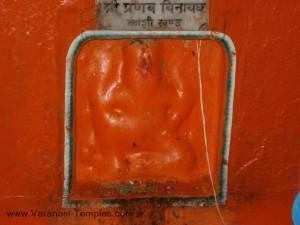
- Form: A unique Swayambhu (self-manifested) earth-colored idol of Lord Ganesha.
- Significance: The name “Pranav” refers to the primordial sound “Om.” Worshipping this form is believed to purify the sound vibrations of the devotee, balancing the Prana (life force).
Phalaśruti (Spiritual Benefits)
According to ancient Shastras and Kashi Khand, devotees visit Pranav Vinayak to:
- Cleansing Ancestral Karma: It is believed that praying here helps resolve Pitru Dosha (ancestral faults) and liberates ancestors.
- Mental Clarity: The connection to the “Pranav” sound aids in concentration and spiritual awakening.
- Removal of Obstacles: As the first deity to be worshipped in any ritual, Ganesha here ensures success in worldly endeavors.
📖 Related: Pawaneshwar Temple Varanasi History and Darshan Timings
2. Historical Origins & Scriptural Legend
While Varanasi is home to thousands of temples, the origins of Pranav Vinayak are steeped in both mythology and history.
The Legend of Trilochan Ghat
Tradition holds that this temple is located at the site where the divine river Ganges meets the mythological river Varuna. The spot near Trilochan Ghat is where the three eyes of Lord Shiva (Trilochan) appeared. The Pranav Ganesha here is said to have been established by Lord Brahma to protect the Manidweep (jeweled island) situated in the Ganges.
Historical Context
Though the specific construction date of the current structure is not documented in public ASI records, the temple follows the classic Kashi style of medieval temple architecture. The site has undergone several renovations, primarily funded by local devotees and the Garhwal Kashi Kshetra trusts. The presence of the deity is mentioned in the Kashi Khand of the Skanda Purana, specifically in the chapters dedicated to the 8 Ganesha shrines.
3. Architectural Marvels
The Pranav Vinayak Temple is a classic example of the Nagara style architecture adapted for the narrow, dense lanes of Varanasi.
Key Architectural Elements
- The Shikhara (Spire): Unlike the towering multi-tiered spires of South India, this temple features a beehive-shaped spire typical of North Indian temples. The Amalaka (ribbed disk) at the crown represents the seat of the sun.
- The Garbhagriha (Sanctum Sanctorum): The inner sanctum is compact, designed to accommodate the Swayambhu idol. The walls are adorned with intricate carvings of Dikpalas (guardians of directions).
- Vastu Shastra: The temple is aligned according to Vastu principles, ensuring that the idol faces the East, allowing the first rays of the sun to touch the deity’s feet during morning rituals.
Architectural Insight: The masonry used in the temple involves traditional lime and brick mortar, a technique that has preserved the structure through centuries of humidity near the riverbank.
4. Darshan & Ritual Logistics (2026 Update)
Managing darshan during peak pilgrimage seasons requires precise planning. Below are the scheduled timings and rituals for the current year.
📖 Related: Sarnath Temple History and Darshan Timings: Complete Guide
Daily Temple Timings
| Session | Timing |
|---|---|
| Morning Darshan | 05:00 AM – 02:00 PM |
| Evening Darshan | 04:00 PM – 09:00 PM |
Key Sevas & Online Booking
Devotees can perform specific sevas to enhance their spiritual experience. The primary priest, Shri Chandra Keshav Ojha (Chhania Maharaj), oversees the rituals.
- Abhishekam (Ritual Bathing): Performed with milk, honey, and curd. Best time: 7:00 AM.
- Archana (Offerings): Recitation of 108 names of Ganesha.
- Vighnaharta Havan: A sacred fire ritual for removing obstacles.
Online Booking: While traditional on-site booking is available, for 2026, the temple trust recommends using the Kashi Vishwanath official portal for seamless scheduling of sevas.
2026 Major Festival Calendar
- Ganesh Chaturthi: September 6, 2026 (Grand Abhishek and Maha Aarti).
- Magh Ganesh Chaturthi: February 2, 2026.
- Varanasi Pranav Ganesha Yatra Day: March 14, 2026 (Special Pooja throughout the day).
5. Practical Visitor Guidance
Visiting Varanasi, particularly the lanes near Trilochan Ghat, requires preparation. Here is a guide to ensuring a smooth visit.
Rules & Etiquette
- Dress Code: Traditional attire is recommended (Kurta-Pajama/Dhoti for men; Saree/Salwar Kameez for women). Avoid shorts or sleeveless tops.
- Photography: Strictly prohibited inside the sanctum sanctorum. Photography in the outer precincts is allowed but respectfully.
- Mobile Lockers: There are no official lockers at this small shrine. It is advisable to carry minimal valuables and keep phones on silent.
- Accessibility: The temple is located in narrow lanes (galis) accessible by foot only. It is not wheelchair friendly due to stone steps leading to Trilochan Ghat.
Crowd Management & Seasonal Advice
- Best Hours: Early morning (5:00 AM – 7:00 AM) or late evening (after 8:00 PM).
- Seasonal Tips:
- Summer (April–June): Carry water and a handkerchief; the heat can be intense.
- Monsoon (July–September): The ghat steps become slippery; wear rubber-soled footwear with grip.
- Winter (December–January): Mornings are foggy; afternoon visits are ideal.
6. Pilgrimage Connectivity
The Pranav Vinayak Temple is located near the banks of the Ganges in the heart of Varanasi.
How to Reach
- By Road: Take the Grand Trunk Road (NH-19) toward Varanasi Cantt. Park near Birla Hospital and walk toward Trilochan Ghat.
- By Rail: Varanasi Junction (BSB) is the nearest major railway station (approx. 4 km / 15 mins by auto).
- By Air: Lal Bahadur Shastri International Airport (VNS) is approximately 25 km away (30–45 mins via NH-31).
- By Boat: The most scenic route. Hire a boat from Assi Ghat or Dashashwamedh Ghat and disembark at Trilochan Ghat. The temple is a short walk up the steps.
📖 Related: Adi Keshav Temple Varanasi: History, Darshan Timings & Guide
Nearby Sacred Sites (Pilgrimage Circuit)
To maximize your spiritual journey, visit these temples in proximity:
- Hiranya Garbheswar Temple: Located very close to Trilochan Ghat, dedicated to Lord Shiva.
- Sankat Mochan Hanuman Temple: A 15-minute rickshaw ride away. Famous for relieving devotees from troubles.
- Durga Temple (Monkey Temple): Located in the Durga Kund area, known for its vibrant red architecture.
7. Frequently Asked Questions (FAQ)
1. Is there a VIP darshan entry at Pranav Vinayak Temple?
No, due to the small size of the temple and its narrow lanes, there is no separate VIP entry. Darshan is based on a first-come, first-served basis. However, booking a Special Pooja allows you to enter during specific ritual timings.
2. What is the best time of year to visit this specific Ganesha shrine?
The month of Magh (January/February) is considered highly auspicious for Pranav Ganesha, coinciding with the Magh Mela. However, Ganesh Chaturthi (August/September) sees the grandest celebrations.
3. Can I perform a Sankalp (Vow) at this temple?
Yes. Devotees often perform Sankalp here for specific life goals like marriage, health, or career success. It is recommended to consult the priest, Shri Chandra Keshav Ojha, to perform the ritual correctly.
4. Is photography allowed outside the temple?
Yes, photography of the exterior architecture and the Ghat is permitted. Visitors are urged to maintain silence and respect the sanctity of the surrounding area.
5. How does this temple relate to the wider Kashi Vishwanath Corridor?
The Pranav Vinayak Temple is a distinct entity located near the riverbank. While it is not directly part of the main Corridor Plaza, it falls under the administrative umbrella of the Kashi Vishwanath Temple Trust’s broader spiritual circuit guidelines for 2026.