Prathiyangara Devi Temple, Moratandi: History, Darshan Timings & Guide
Receive daily temple updates, divine darshan, and morning bhajans directly on WhatsApp.
Contents
- 1 Introduction & Spiritual Essence: The Lion-Headed Guardian
- 2 Historical Origins & Scriptural Legend
- 3 Architectural Marvels
- 4 Darshan & Ritual Logistics
- 5 Practical Visitor Guidance
- 6 Pilgrimage Connectivity
- 7 Frequently Asked Questions (FAQ)
Introduction & Spiritual Essence: The Lion-Headed Guardian
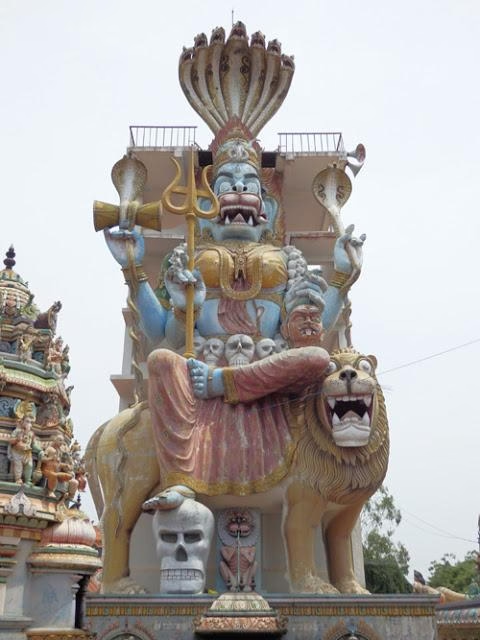
In the spiritual landscape of Tamil Nadu, few forms of the Divine Mother are as awe-inspiring and potent as Prathiyangara Devi. The Prathiyangara Devi Temple in Moratandi, Villupuram, is not merely a place of worship but a powerful center of cosmic energy dedicated to the fierce yet benevolent protector. Here, the Goddess is worshipped in her unique Swayambhu (self-manifested) form.
Primary Deity: The temple is dedicated to Goddess Prathiyangara Devi. Unlike other depictions of the Goddess, here she is depicted with the face of a lion and the body of a woman. This specific form was manifested to restore balance when the fury of Lord Narasimha, the avatar of Vishnu who destroyed the demon Hiranyakasipu, could not be calmed.
Phalaśruti (Benefits of Visiting):
Devotees visit this sanctuary to seek protection from drishti dosha (evil eye) and to remove obstacles in life. Specifically, worshipping Prathiyangara Devi here is believed to:
- Grant Aishwarya Siddhi (prosperity and success).
- Cleanse ancestral karma and pitru dosha.
- Protect devotees from all types of harms and negative energies.
- Bring peace and calmness to agitated minds.
Historical Origins & Scriptural Legend
Scriptural Legend (Sthala Purana):
According to the Skanda Purana and local oral traditions, the legend of this temple centers on the aftermath of the Samudra Manthan (Churning of the Ocean) and the destruction of Hiranyakasipu. When Lord Narasimha killed the demon, his rage (representing the unconquerable power of time) did not subside. The universe trembled, and even Lord Shiva manifested as Sarabeswara to calm Narasimha.
📖 Related: Vana Durgai Amma Temple Palani: History, Darshan Timings & Guide 2026
However, it was the Divine Mother who ultimately succeeded. Goddess Parvati combined the energies of Lakshmi and Saraswati to form Prathiyangara Devi. With the fierce eyes of a lion and holding weapons like the Trishul and Shoolini Durga, she stared into the eyes of Narasimha. Her power was so immense that it absorbed his fury, and he bowed to her. Thus, the term “Prathiyangara” symbolizes the supreme power that responds immediately and decisively.
Architectural Marvels
The temple stands as a testament to the Dravidian style of architecture. The structure is designed according to Vastu Shastra, ensuring the energy flow remains concentrated around the sanctum.
Sanctum Sanctorum (Garbhagriha):
The idol of Prathiyangara Devi is the focal point. Unlike typical sculptures, the Swayambhu murti faces East and is depicted with a terrifying yet protective expression. The Prakaram (circumambulation path) allows devotees to perform rituals in a serene environment. The temple features a traditional Gopuram (gateway tower) and a Mandapa for assembly rituals.
Darshan & Ritual Logistics
Devotees can perform various Sevas (services) to the Goddess. The temple administration facilitates both physical and online bookings for major rituals. As of 2026, the temple follows a strict schedule.
Daily Timings
The temple remains open throughout the day. Please note that the temple remains closed between 01:00 PM and 03:30 PM for the deity’s rest and rituals.
| Session | Timings |
|---|---|
| Morning Darshan | 08:00 AM – 01:00 PM |
| Afternoon Break | 01:00 PM – 03:30 PM |
| Evening Darshan | 03:30 PM – 08:30 PM |
Key Sevas & Online Booking
Special Rituals:
- Prathyangira Homam: Performed every month on Shukla Paksha Ashtami (the 8th day of the waxing moon). This is the most powerful ritual for removing karmic blocks.
- New Moon Pradosham: Special Poojas are performed on every New Moon Day (Amavasya), considered highly auspicious for Prathiyangara Devi.
- Abhishekam: Performed daily during opening hours. Devotees can book this for specific time slots.
📖 Related: Pattarai Perumbudur Murugan Temple: History, Darshan Timings & Guide
Online Seva Booking:
To book Sevas in advance, devotees can utilize the official Tamil Nadu Temple portal or the specific QR code system available at the temple entrance. It is recommended to book the Homam at least 7 days in advance.
2026 Festival Calendar
- Navaratri: October 5 – October 13, 2026 (Grand procession of the Goddess).
- Aadi Perukku: July 24, 2026 (Special Teerthakudi Puja).
- Maha Shivaratri: February 26, 2026 (Combined Puja for Narasimha and Prathiyangara).
Practical Visitor Guidance
Dress Code:
Strict adherence to traditional attire is expected. Men must wear Dhotis or formal trousers with shirts (no vests or shorts). Women are encouraged to wear Sarees, Salwar Kameez, or Chudidars.
Photography & Mobiles:
Photography is strictly prohibited inside the Sanctum Sanctorum. Mobile phones should be switched to silent mode. While there are no paid lockers currently, visitors are advised to carry minimal belongings.
Crowd Management:
- Best Time to Visit: Mornings on weekdays (Tuesday and Saturday are particularly busy).
- Seasonal Advice: Summer months (April–June) can be hot; carry a water bottle. During the monsoon (November–December), ensure you have rain gear.
Pilgrimage Connectivity
How to Reach
The temple is strategically located on NH 32 (Chennai to Nagapattinam Highway), specifically between Tindivanam and Puducherry.
- Nearest Airport: Puducherry Airport (5 km). Chennai International Airport (142 km).
- Nearest Railway Station: Puducherry Railway Station (10 km). Tindivanam Railway Station (37 km).
- By Bus: Buses traveling between Pondicherry and Tindivanam stop at the Moratandi Toll Gate. From there, it is a short walk or auto ride to the temple.
Nearby Sacred Sites (Pilgrimage Circuit)
Enhance your spiritual journey by visiting these nearby energy centers:
- Irumbai Maha Kaleswarar Temple: (5 km) A renowned Shiva temple associated with the sage Manikkavasagar.
- Prathiyangara Devi Temple, Anandavalli Amman Kovil: Located nearby, offering a different aspect of the Goddess.
- Panchavati Anjaneyar Temple: (6 km) Features a towering 20-foot Hanuman statue.
- Moratandi Saneeswarar Temple: (2 km) A temple dedicated to Lord Saturn.
📖 Related: Veeratteswarar Temple Vazhuvur: History, Timings & Complete Guide
Frequently Asked Questions (FAQ)
1. What is the historical significance of Prathiyangara Devi Temple?
Historically, the temple is significant for its association with the pacification of Lord Narasimha’s avatar. According to temple records and oral legends, it serves as a cosmic balance point where the fierce energy of Vishnu’s Narasimha form was neutralized by the Divine Mother’s protection.
2. Is there a VIP Darshan entry available?
While the temple does not have a formal “VIP” pass system like large state-run temples, the Special Darshan ticket can be purchased at the counter. This allows devotees to bypass the general queue during peak hours, typically on weekends and festival days.
3. What is the significance of Prathiyangara Homam?
The Prathiyangara Homam is highly significant for those facing prolonged court cases, debt issues, or mental instability. The homam invokes the Goddess’s energy to destroy inner demons and external threats. It is performed on the Ashtami day of every waxing moon.
4. Can I visit the temple if I am not Hindu?
Yes. The temple is generally open to people of all faiths who come with respect and a seeking heart. However, entry into the inner sanctum may be restricted to Hindus only, depending on the current administration rules.
5. Is there any accommodation available near the temple?
There are limited guest houses managed by the temple. However, the temple is very close to Puducherry (approx. 20 minutes drive), where a wide range of hotels and Ashrams are available for accommodation. Tindivanam also offers budget lodging.