
Contents
Introduction & Spiritual Essence
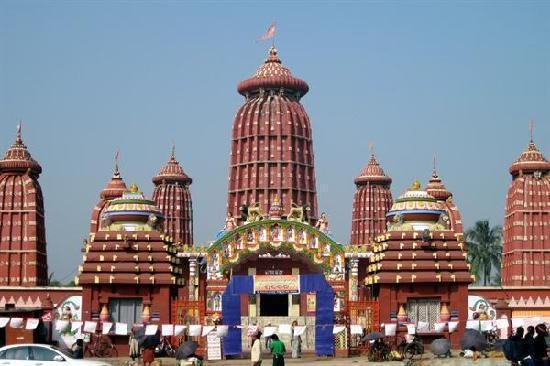
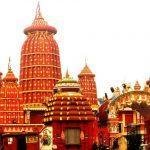
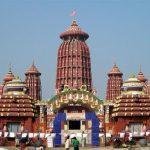
Ram Mandir, located in the bustling heart of Bhubaneswar near Kharavel Nagar and Janpath, is a beacon of devotion to Lord Rama, the seventh avatar of Vishnu. While the sanctum houses the revered images of Lord Rama, Lord Lakshman, and Goddess Sita, the temple complex is a vibrant ecosystem of worship, also sheltering shrines dedicated to Lord Hanuman and Lord Shiva. The towering Shikhara (spire) of the main temple, visible from various points across the capital city, serves as a constant spiritual reminder of the Ramayana’s enduring legacy.
Phalaśruti: The Benefits of Visiting
Devotees flock to this temple seeking the divine grace of Lord Rama, known for upholding Dharma (righteousness). According to temple traditions, a sincere darshan here is believed to cleanse ancestral karma and instill a sense of peace and moral fortitude. Offering prayers to Lord Hanuman within the complex is said to remove obstacles and grant strength, making this a powerful site for holistic spiritual cleansing.
Historical Origins & Scriptural Legend
The Ram Mandir in Bhubaneswar stands as a testament to modern devotional architecture, contrasting the ancient stone temples that define Odisha’s landscape. While specific dynastic records are not attributed to this relatively modern structure, tradition holds that the temple was established by a private trust to serve the spiritual needs of the city’s growing population.
The Sthala Purana (local legend) of this site is intrinsically linked to the epic Ramayana. It is believed that the specific placement of the deities here mirrors the Patitapavana form of Lord Rama, a concept deeply revered in Odisha, symbolizing the upliftment of the fallen. The high rising spire, a defining feature of Odishan temple architecture, was constructed to house the deities in a manner that allows the divine gaze to fall over the entire capital region.
Architectural Marvels
The temple showcases a syncretic blend of traditional Odishan and North Indian Nagara styles of architecture. The massive, whitewashed Shikhara (tower) rises majestically above the complex, adorned with intricate carvings and motifs typical of Hindu temple aesthetics.
- The Sanctum (Garbhagriha): The inner sanctum houses the primary deities—Lord Rama, Sita, and Lakshman—carved from pristine marble and adorned with vibrant clothing and gold ornaments.
- Mandapas: The temple features a spacious Mandapa (pillared hall) for devotees to gather and participate in prayers. The exterior walls are etched with scenes from the Ramayana, serving as a visual narrative for visitors.
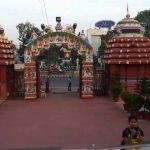
- Auxiliary Shrines: The complex is not limited to the central trio. There are dedicated shrines for Lord Hanuman (often depicted in an Anjaneya form), Lord Shiva, and other community-favored deities like Goddess Durga and Lord Ganesha, reflecting the inclusivity of Hindu worship.
Darshan & Ritual Logistics
To ensure a seamless spiritual experience, the temple Trust has structured daily rituals. The atmosphere shifts from the quiet morning Arati to the vibrant evening prayers.
Daily Timings
| Session | Timings | Activity |
|---|---|---|
| Morning | 06:00 AM – 12:00 PM | Mangala Arati, Shringar, Darshan |
| Afternoon | 12:00 PM – 04:00 PM | Midday Aarti (Raj Bhog), Rest Period |
| Evening | 04:00 PM – 09:00 PM | Sandhya Arati, Shayana Aarti |
*Timings may vary slightly on major festival days or during specific religious events.
Key Sevas and Online Booking
While the Ram Mandir Trust manages local bookings, several services can be arranged through third-party platforms or directly at the temple office.
- Abhishekam: Ritual bathing of the deity with milk, honey, and water. Best performed in the morning hours (7:00 AM – 9:00 AM).
- Archana: Personalized chanting of names. Available throughout the day.
- Bhajans/Kirtans: Evening devotional singing sessions are held, particularly on Fridays and Sundays.
- Online Seva Booking: As of 2026, devotees can inquire about specific Sevas via the temple’s official contact channels or major spiritual tourism platforms. Physical booking at the temple counter remains the primary method for daily rituals.
2026 Major Festival Calendar
- Rama Navami: April 6, 2026 (Birth of Lord Rama – Grand celebration with special Abhishekam).
- Diwali: October 21, 2026 (Annakut offering and special evening lighting).
- Hanuman Jayanti: April 12, 2026 (Special Rudra Abhishekam for Hanuman).
- Janmashtami: August 14, 2026 (Celebrated with great fervor alongside Rama worship).
Practical Visitor Guidance
To maintain the sanctity and order of the temple, visitors are advised to adhere to the following guidelines.
Dress Code and Etiquette
Modest attire is mandatory. Men should wear shirts and trousers/shorts (knee-length); women are requested to wear sarees, salwar kameez, or skirts covering the knees. Avoid leather items inside the sanctum. Photography is generally restricted inside the Garbhagriha, though allowed in the outer courtyards.
Crowd Management and Best Times
Located near Janpath, the temple witnesses heavy crowds during weekends and festivals.
- Best Time to Visit: Tuesday and Thursday mornings are relatively less crowded. Sunday mornings see the highest footfall.
- Seasonal Advice: Bhubaneswar can be humid from March to June. Carry a water bottle (plastic bottles are discouraged; use reusable flasks) and wear light cotton clothing. Monsoons (July-September) bring lush greenery but also rain; an umbrella is essential.
- Facilities: Shoe racks are available for a nominal fee. Mobile lockers are not standard, so it is advisable to travel light. The temple complex is wheelchair accessible on the ground floor, though the inner sanctum has narrow passages.
Pilgrimage Connectivity
How to Reach
Ram Mandir is centrally located in Bhubaneswar, making it easily accessible.
- By Air: Biju Patnaik International Airport (BBI) is approximately 6 km away (15-20 minutes by taxi).
- By Rail: Bhubaneswar Railway Station (BBS) is 3 km from the temple. Auto-rickshaws and ride-sharing services (Uber/Ola) are readily available.
- By Road: The temple is located off NH-16 (formerly NH-5). It is a short distance from the Master Canteen Square and Kharavel Nagar.
Nearby Sacred Sites (Pilgrimage Circuit)
Visitors can combine their trip with other spiritual landmarks in Bhubaneswar:
- Lingaraj Temple: 4 km away. One of the oldest and most significant temples in Odisha, dedicated to Lord Shiva.
- Mukteswar Temple: 4.5 km away. Famous for its ornate archway and intricate stone carvings.
- Khandagiri & Udayagiri Caves: 6 km away. Ancient Jain rock-cut caves offering a blend of spirituality and history.
Photo Gallery
Frequently Asked Questions (FAQ)
Is there a VIP darshan entry at Ram Mandir Bhubaneswar?
Generally, Ram Mandir encourages devotees to wait in the general queue to experience the spiritual atmosphere equally. However, senior citizens, persons with disabilities, and pregnant women are given priority entry. Special passes for large groups or donors may be arranged by contacting the temple management office in advance.
What are the parking facilities available?
Being located in the city center near Kharavel Nagar, on-street parking is limited. There are paid parking lots available within walking distance (approx. 100-200 meters). It is recommended to use public transport or auto-rickshaws during peak hours to avoid traffic congestion.
Is photography allowed inside the temple?
Photography is strictly prohibited inside the inner sanctum (Garbhagriha) and the immediate prayer area. Visitors are permitted to take photos in the outer courtyard and the temple complex exteriors. Drones require prior permission from local authorities.
Are there food facilities available?
While there is no large-scale community kitchen (Annadanam) daily, the temple trust occasionally organizes Prasad distribution during festivals. Several restaurants and street food stalls are available on Janpath and adjacent streets for meals. Strict vegetarianism is observed inside the temple premises.
What is the best way to contact the temple administration?
For general inquiries, devotees can visit the administrative office located within the complex. While specific phone numbers may vary, the temple is situated at Naka Gate Chowk, Khandagiri, Bhubaneswar, Odisha 751030. During major festivals, temporary help desks are set up near the entrance.
Recent Posts

Shri Kaamkoteeshwar Mandir, Varanasi – History & Significance
In the heart of Kashi, the eternal city of Lord Shiva, where the Ganges flows with celestial grace, stands the Shri Kaamkoteeshwar Mandir. This sacred Sannidhi is not merely a temple but a profound spiritual bridge between the Northern…

ओ सांवरे तूने ही मुझको संभाला – Lyrics & Meaning
ओ सांवरे तूने ही मुझको संभाला – A Prayer to Shyam Origin & Spiritual Essence Why This Bhajan Resonates Devotees chant this when overwhelmed by life’s storms—the refrain ‘तूने ही मुझको संभाला’ is the soul’s sigh of relief: “You…

कथा ये है महाराज मेरे की – Lyrics & Meaning
कथा ये है महाराज मेरे की छत्रपति संभाजी महाराज – A Prayer to Chhatrapati Sambhaji Maharaj Origin & Spiritual Essence Why This Bhajan Resonates Devotees chant this when their spirit feels tested—its powerful refrain “महाराज मेरे” is a soul’s…

Rigveda Samhita Yathartha Anuvada (ऋग्वेद संहिता यथार्थ अनुवाद) – Complete Set with Anvayartha & Hindi/English Translation
The Rigveda is the oldest surviving scripture of humanity and the foundational text of Sanātana Dharma. For serious students, scholars, UPSC aspirants studying ancient Indian history, Sanskrit learners, and spiritual seekers, a precise and grammatically structured translation is indispensable.…

आना भी अकेला है जाना भी अकेला है – Lyrics & Meaning | BharatTemples
आना भी अकेला है जाना भी अकेला है – A Prayer to the Divine Witness Origin & Spiritual Essence Why This Bhajan Resonates Devotees turn to this bhajan in moments of deep reflection—when life’s attachments begin to ache. The…

माता शेरावाली के द्वार जो भी जाता है – Lyrics & Meaning
माता शेरावाली के द्वार जो भी जाता है – A Prayer to Maa Sherawali Origin & Spiritual Essence Why This Bhajan Resonates Devotees turn to this bhajan in times of fear or uncertainty—its promise that no one leaves Maa’s…

मार लेना सपणी उबार लेणा भवरा – Lyrics & Meaning
मार लेना सपणी उबार लेणा भवरा – A Prayer to the Divine Beloved Origin & Spiritual Essence Why This Bhajan Resonates Devotees chant this in moments of deep vulnerability—its cry of “मार लेना सपणी, उबार लेणा भवरा” is the…

हमें श्याम सुंदर भरोसा तुम्हारा – Lyrics & Meaning
हमें श्याम सुंदर भरोसा तुम्हारा – A Prayer to Shyam Sundar Origin & Spiritual Essence Why This Bhajan Resonates Devotees chant this when feeling alone—its refrain ‘de do sahara’ is the soul’s cry for divine support. Lyrics in Hindi…

Mere Satguru Ne Di Thi Davai Lyrics in Hindi & Meaning
Mere Satguru Ne Di Thi Davai: Invoking the Guru’s Liberating Wisdom This soul-stirring bhajan venerates the Satguru (True Spiritual Master) as the divine physician who dispenses the only remedy for life’s deepest sufferings. Composed by Sant Karmaveer Tufani, it…

Janm Diyo Thari Maa Dukh Dekhiyo Lyrics in Hindi & Meaning
जन्म दियो थारी माँ दुख देखियो (Maa’s Grief Upon Birthing You) This soul-stirring Chetavani Bhajan (admonitory hymn) is addressed to the Divine Mother (Maa) – a call for repentance when children forget their filial duties in the dark age…