

Contents
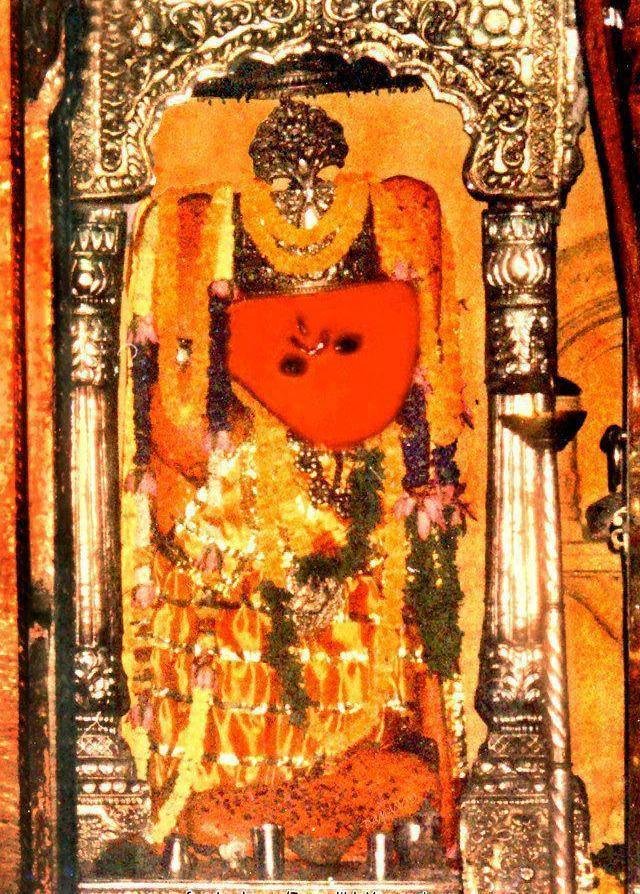
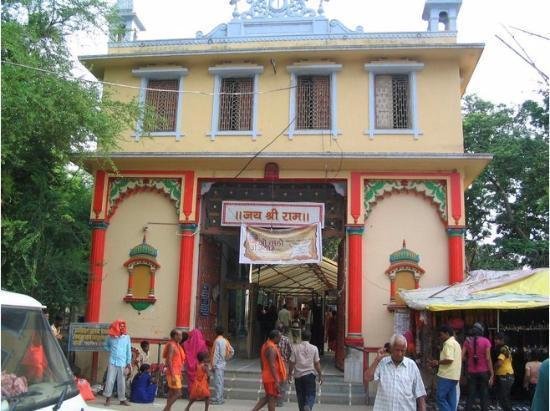
The Sankat Mochan Hanuman Temple stands as a beacon of solace and spiritual strength on the banks of the Assi River in Varanasi. Founded by the revered poet-saint Goswami Tulsidas in the early 1500s, this sacred space is dedicated to Lord Hanuman, celebrated as the “Reliever of Troubles” (Sankat Mochan). Unlike the monolithic deities often found in ancient temples, the iconography here depicts Hanuman facing his beloved Lord Rama, symbolizing eternal vigilance and selfless devotion.
1. Introduction & Spiritual Essence
Primary Deity and Form
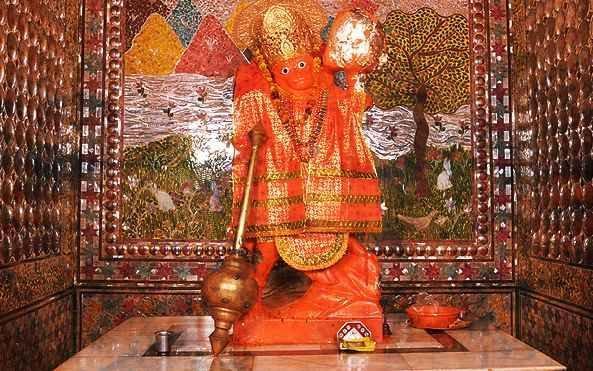
The temple enshrines a four-foot tall brass idol of Lord Hanuman, painted in a vibrant saffron-orange hue and adorned with a fresh marigold garland. The deity faces the sanctum of Lord Rama, embodying the concept of Dasya Bhakti (servitude to the divine). The term “Sankat Mochan” is derived from Sanskrit, meaning “the one who liberates from sufferings.”
Phalaśruti: The Spiritual Benefit
According to Sthala Purana (local lore), Lord Hanuman revealed himself to Tulsidas at this spot. The Phalaśruti (scriptural promise) states that visiting this temple regularly alleviates all fears and diseases. It is particularly powerful for:
- Astrological Remedies: Appeasing Shani (Saturn) and Mangal (Mars) for those with ill-placed planets in their horoscopes.
- Academic & Career Success: Devotees, especially students and professionals, seek blessings for wisdom and removal of obstacles.
- Ancestral Karma: Offering prayers here is believed to cleanse sins (Papa) and liberate ancestors.
2. Historical Origins & Scriptural Legend
The Tulsidas Connection (16th Century)
While the current structure was reinforced in the 18th century, the temple’s spiritual roots trace back to the 1500s. It is widely believed that Goswami Tulsidas, the author of the epic Ramcharitmanas, penned significant portions of this scripture within the temple premises. Tradition holds that Tulsidas had a divine vision of Lord Hanuman here, inspiring the installation of the idol.
Local Traditions and Sthala Purana
A popular legend suggests that Tulsidas was denied entry into the Kashi Vishwanath Temple (the seat of Shiva) due to his devotion to Vishnu. It is said that Hanuman appeared before him and created this site on the banks of the Assi, promising that whoever seeks refuge here will be blessed. Another story narrates that Hanuman defeated the malefic planetary influence of Saturn by swallowing the Sun, and worshipping him grants similar protection.
3. Architectural Marvels
Fusion Style Architecture
The temple exhibits a blend of Nagara style elements with modern renovations. The structure is not merely a place of worship but a complex dedicated to the arts. The Shikhara (spire) is adorned with intricate carvings, though the complex prioritizes spacious Mandapas (halls) over traditional vertical density, allowing thousands of devotees to gather.
Notable Features
- Hanuman Chalisa Hall: A massive hall where devotees recite the Hanuman Chalisa. The walls are adorned with murals depicting scenes from the Ramayana.
- Vedic School: The premises house a Gurukul for the study of Vedas and Sanskrit.
- Assi Ghat Proximity: The temple integrates with the sacred geography of Varanasi, located near the confluence of the Assi stream.
Tulsidas is believed to have written most of the verses of Ramacharitramanas in this temple.
4. Darshan & Ritual Logistics (2026 Updates)
Daily Timings
The temple remains open for the majority of the day, but the Bhog Aarti and Shayan Aarti are the most significant times for darshan.
| Session | Timings | Ritual Details |
|---|---|---|
| Morning Darshan | 5:00 AM – 12:00 PM | Mangala Aarti (5:00 AM), Bhog Aarti (11:30 AM) |
| Afternoon Break | 12:00 PM – 3:30 PM | Deity Rest Period (Sayan) & Prasad Preparation |
| Evening Darshan | 4:00 PM – 11:00 PM | Sandhya Aarti (7:00 PM), Shayan Aarti (10:30 PM) |
Key Sevas & Online Booking
Devotees can book specific Sevas (ritual services) via the official temple trust website (bharattemples.com links to the official trust portal).
- Abhishekam: Ritual bathing of the idol (Morning: 5:30 AM – 6:30 AM).
- Chalisa Path: Recitation of the 40 verses (Evening: 7:00 PM).
- Sunderkand Path: A lengthy recitation for removing obstacles.
- Besan Laddoo Prasad: The temple’s signature offering. Tickets can be purchased at the counter or online for home delivery within India.
Major Festivals in 2026
The temple is a hub of activity, especially during these dates:
- Hanuman Jayanti: Tuesday, April 14, 2026 (Varanasi local time may vary by moon sighting). Expect heavy crowds from early morning.
- Ram Navami: Sunday, April 6, 2026. Celebrated with a special Sunderkand recitation.
- Sankat Mochan Sangeet Samaroh: April 15-22, 2026. A historic classical music festival held annually, attracting national artists. Note: During this week, temple timings may extend later into the night.
- Diwali: October 21, 2026. The temple is illuminated with thousands of earthen lamps.
5. Practical Visitor Guidance
Code of Conduct & Rules
- Dress Code: Modest attire is mandatory. Traditional Indian wear (Kurta-Pajama, Saree, Salwar Kameez) is preferred. Western attire like shorts or sleeveless tops is discouraged.
- Photography: Strictly Prohibited. As per the original temple guidelines, photography is not allowed inside the inner sanctum or the main courtyard. Mobile phones are permitted but should be kept on silent.
- Offerings: Flowers and sweets bought outside are generally not allowed; purity is maintained by selling Prasad (Besan Laddoos) inside.
Crowd Management & Accessibility
- Best Hours: To avoid queues, visit between 9:00 AM and 10:30 AM or after 8:30 PM (excluding Aarti times). Tuesdays and Saturdays are extremely crowded; if possible, visit on a weekday morning.
- Seasonal Advice: Varanasi summers (May-June) are scorching. Carry a water bottle and cover your head. In monsoons (July-August), the Assi river area can be humid; an umbrella is essential.
- Accessibility: The temple has ramps for wheelchair access, though the inner sanctum involves a few steps. The temple trust manages a shoe rack system (token required).
6. Pilgrimage Connectivity
How to Reach
- Airport: Lal Bahadur Shastri International Airport (VNS) is approximately 25 km away. Taxi/Auto-rickshaw takes 45-60 minutes. Fare approx ₹500-800.
- Railway: Varanasi Junction (BSB) is the main railhead, 8 km away. The cab ride takes 25-30 minutes. Auto-rickshaws are plentiful and cost around ₹150-200.
- Road: Connected via NH-19 (formerly NH-2). The temple is located on the Assi Ghat Road, accessible from the Durga Mandir roundabout.
Nearby Sacred Sites (Pilgrimage Circuit)
- Tulsi Manas Temple: Located just 500 meters away, this white marble temple marks the spot where Tulsidas wrote the Ramcharitmanas. Timing: 6 AM – 12 PM, 4 PM – 9 PM.
- Durga Mandir (Durga Kund): A vibrant red 18th-century temple dedicated to Goddess Durga. Timing: 6 AM – 8 PM.
- Kashi Vishwanath Corridor: The newly developed corridor leading to the Jyotirlinga of Lord Shiva. It is approximately 4 km from Sankat Mochan. Timing: 3 AM – 11 PM.
Photo Gallery
7. Frequently Asked Questions (FAQs)
1. Is there a VIP Darshan entry at Sankat Mochan?
The temple trust does not typically offer a paid VIP entry. However, devotees who book specific Sevas like Sahastra Puja or Special Abhishekam in advance get priority access during their scheduled time slot.
2. Can we perform Puja on behalf of ancestors?
Yes, the temple allows Tarpan and Shradh rituals. It is recommended to contact the temple trust office 24 hours in advance to arrange a priest.
3. Where is the best place to stay nearby?
Accommodation options are abundant. For pilgrims, the Dharamshala (guesthouse) run by the temple trust is ideal. Nearby hotels near Assi Ghat or Lanka offer modern amenities. It is advisable to book during festival weeks like Hanuman Jayanti.
4. Is the temple safe for solo female travelers?
Absolutely. The temple premises are heavily guarded, and the crowd is generally respectful. Separate queues are often maintained during peak hours.
5. What is the significance of the Besan Laddoo?
Lord Hanuman is often associated with Bajra (millet) and Besan (gram flour) in folk traditions, symbolizing energy and strength. The temple’s Laddoo is considered Mahaprasad and is believed to bring good health.
Contact Details
Sankat Mochan Hanuman Temple Trust
Assi Ghat, Varanasi, Uttar Pradesh 221005
Official Website: sankatmochan.org (Booking & Donations)
Recent Posts

Shri Kaamkoteeshwar Mandir, Varanasi – History & Significance
In the heart of Kashi, the eternal city of Lord Shiva, where the Ganges flows with celestial grace, stands the Shri Kaamkoteeshwar Mandir. This sacred Sannidhi is not merely a temple but a profound spiritual bridge between the Northern…

ओ सांवरे तूने ही मुझको संभाला – Lyrics & Meaning
ओ सांवरे तूने ही मुझको संभाला – A Prayer to Shyam Origin & Spiritual Essence Why This Bhajan Resonates Devotees chant this when overwhelmed by life’s storms—the refrain ‘तूने ही मुझको संभाला’ is the soul’s sigh of relief: “You…

कथा ये है महाराज मेरे की – Lyrics & Meaning
कथा ये है महाराज मेरे की छत्रपति संभाजी महाराज – A Prayer to Chhatrapati Sambhaji Maharaj Origin & Spiritual Essence Why This Bhajan Resonates Devotees chant this when their spirit feels tested—its powerful refrain “महाराज मेरे” is a soul’s…

Rigveda Samhita Yathartha Anuvada (ऋग्वेद संहिता यथार्थ अनुवाद) – Complete Set with Anvayartha & Hindi/English Translation
The Rigveda is the oldest surviving scripture of humanity and the foundational text of Sanātana Dharma. For serious students, scholars, UPSC aspirants studying ancient Indian history, Sanskrit learners, and spiritual seekers, a precise and grammatically structured translation is indispensable.…

आना भी अकेला है जाना भी अकेला है – Lyrics & Meaning | BharatTemples
आना भी अकेला है जाना भी अकेला है – A Prayer to the Divine Witness Origin & Spiritual Essence Why This Bhajan Resonates Devotees turn to this bhajan in moments of deep reflection—when life’s attachments begin to ache. The…

माता शेरावाली के द्वार जो भी जाता है – Lyrics & Meaning
माता शेरावाली के द्वार जो भी जाता है – A Prayer to Maa Sherawali Origin & Spiritual Essence Why This Bhajan Resonates Devotees turn to this bhajan in times of fear or uncertainty—its promise that no one leaves Maa’s…

मार लेना सपणी उबार लेणा भवरा – Lyrics & Meaning
मार लेना सपणी उबार लेणा भवरा – A Prayer to the Divine Beloved Origin & Spiritual Essence Why This Bhajan Resonates Devotees chant this in moments of deep vulnerability—its cry of “मार लेना सपणी, उबार लेणा भवरा” is the…

हमें श्याम सुंदर भरोसा तुम्हारा – Lyrics & Meaning
हमें श्याम सुंदर भरोसा तुम्हारा – A Prayer to Shyam Sundar Origin & Spiritual Essence Why This Bhajan Resonates Devotees chant this when feeling alone—its refrain ‘de do sahara’ is the soul’s cry for divine support. Lyrics in Hindi…

Mere Satguru Ne Di Thi Davai Lyrics in Hindi & Meaning
Mere Satguru Ne Di Thi Davai: Invoking the Guru’s Liberating Wisdom This soul-stirring bhajan venerates the Satguru (True Spiritual Master) as the divine physician who dispenses the only remedy for life’s deepest sufferings. Composed by Sant Karmaveer Tufani, it…

Janm Diyo Thari Maa Dukh Dekhiyo Lyrics in Hindi & Meaning
जन्म दियो थारी माँ दुख देखियो (Maa’s Grief Upon Birthing You) This soul-stirring Chetavani Bhajan (admonitory hymn) is addressed to the Divine Mother (Maa) – a call for repentance when children forget their filial duties in the dark age…