
Contents
1. Introduction & Spiritual Essence
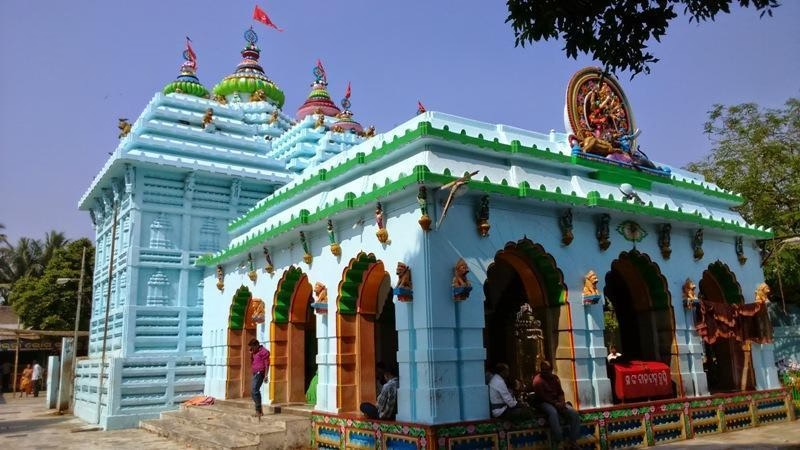
The Sarala Temple, nestled in the serene landscape of Tirtol, Jagatsinghpur, Odisha, is one of the most significant yet under-celebrated centers of spiritual energy in Eastern India. Dedicated to Maa Sarala (also revered as Sarala Chandi), this ancient shrine stands as a unique confluence of Hindu traditions, embodying the patronage of both Vaishnavism and Shaktism.
Unlike most temples where the symbols of these two distinct sects rarely coexist, Sarala Temple is distinguished by the simultaneous use of Vilva Patra (sacred to Lord Shiva) and Tulasi Patra (sacred to Lord Vishnu), symbolizing the unification of divine energies.
Phalaśruti: The Spiritual Benefits
Devotees flock to this temple not merely for blessings, but to seek the grace of Vak Devi, the Goddess of Knowledge and Wisdom. According to tradition, visiting Maa Sarala helps in:
- Cleansing Ancestral Karma: Performing rituals here is believed to liberate the lineage from past burdens.
- Intellectual Enlightenment: As the patroness of arts and literature, devotees pray for clarity of thought and creative inspiration.
- Protection from Evil: The fierce yet benevolent form of Sarala Chandi offers shielding against negative energies.
2. Historical Origins & Scriptural Legend
The origins of the Sarala Temple are steeped in the mists of time, blending verified historical records with compelling oral folklore.
Scriptural & Oral Traditions
According to the Sthala Purana (local legend), the temple’s history traces back to the age of Parashurama. Legend holds that the Goddess was originally carved from stone by the tip of Parashurama’s arrow. While the original shrine is no longer visible, folklore suggests it once stood at Badasarol, where the Ganesha Temple (acting as the southern gate) stands today as a witness to the past.
Historical records indicate that the present structure was built in the 8th Century within the village of Sarola Grama. The temple survived the tumultuous period of Hindu rule ending in 1568 A.D. and the ravages of the legendary figure Kala Chand (Kala Pahada). The current sanctum, approximately 500 years old, was constructed by the Raja of Manijanga.
The Literary Connection
A pivotal figure in the temple’s history is Sidheshwar Parida, a humble farmer and Paika (warrior). It is well-documented that after receiving blessings at this shrine, he transformed into Sarala Das, the celebrated author of the Odisha Mahabharata. This cemented the temple’s reputation as a powerhouse of intellectual and spiritual energy.
Note on Antiquity: Some historians, citing the travels of the Chinese pilgrim Huen Tsang in the 7th century, speculate that the deity may possess Buddhist Tantric roots due to the iconography of the book (wisdom) and bell. However, the prevailing consensus is that Sarala represents the amalgamation of Shaivism, Shaktism, and Tantric practices into a distinct Odia spiritual identity.
3. Architectural Marvels
The temple is a testament to the rich architectural heritage of Odisha, reflecting a traditional style that has evolved over centuries.
Style and Layout
While the temple lacks the towering Shikhara (spire) of the classic Kalinga style, it follows a traditional Pidha Deul layout typical of Odisha’s older shrines. The structure is built atop a raised platform, adhering to Vastu Shastra principles that orient the sanctum towards the east.
Iconography and Sculptures
The presiding deity, Maa Sarala, is depicted with four hands, holding distinct attributes that signify her multifaceted nature:
- The Book: Symbolizing supreme knowledge and the Vedas.
- The Veena (Lute): Representing the harmony of the arts.
- The Hand Bell (Ghanta): Signifying the awakening of consciousness.
- The Weapon: A symbol of her protective, fierce aspect (Chandi).
The temple walls, though modest, feature intricate carvings depicting various forms of Shakti and geometric patterns typical of Odishan craftsmanship.
4. Darshan & Ritual Logistics (2026 Update)
To facilitate a smooth pilgrimage experience, the temple trust has streamlined daily rituals and seva bookings. Below are the detailed timings for 2026.
Daily Timings
| Period | Morning | Evening |
|---|---|---|
| Opening Time | 06:00 AM | 04:00 PM |
| Mangala Alati | 06:30 AM | 07:00 PM |
| Bhoga Offering | 12:00 PM | 07:30 PM |
| Paka Darshan | 01:00 PM | 08:00 PM |
| Closing Time | 02:00 PM | 09:00 PM |
Key Sevas & Online Booking
Devotees can now book specific sevas in advance. The primary services include:
- Abhishekam: Ritual bathing of the deity (performed on Tuesdays and Fridays).
- Archana: Recitation of divine names (available daily).
- Pushpanjali: Flower offering ritual (highly recommended during festivals).
Booking Process: Visit the official Odisha Temple Administration website or the Sarala Temple Trust portal (search: “Sarala Temple Online Seva 2026”) to reserve your slot.
Major Festival Dates 2026
- Maha Shivaratri: February 26, 2026
- Pana Sankranti: April 13, 2026 (Odia New Year)
- Dola Purnima: March 13, 2026
- Chandan Jatra: May 24, 2026 (Chandan Yatra begins on Akshaya Tritiya)
- Ganesh Chaturthi: September 6, 2026
- Sharadiya Durga Puja: October 1–5, 2026
5. Practical Visitor Guidance
To ensure a respectful and comfortable visit, please adhere to the following guidelines:
- Dress Code: Traditional attire is highly encouraged. Men should wear dhotis or trousers and shirts; women should wear sarees, salwar kameez, or formal modest clothing.
- Photography: Photography is strictly prohibited inside the inner sanctum (Garbhagriha). It is permitted in the outer courtyards, but please avoid using flash.
- Mobile Lockers: Small lockers are available near the entrance for electronic devices and leather items, as these are not allowed inside the sanctum.
- Accessibility: The temple complex has stone steps. While ramps are available at the main entrance, wheelchairs may require assistance on the inner pathways.
Crowd Management & Seasonal Tips
The temple sees peak footfall during festivals and weekends.
- Best Hours: For a peaceful darshan, visit between 9:00 AM and 11:00 AM or after 7:00 PM.
- Summer (April–June): Jagatsinghpur gets humid. Carry a reusable water bottle and a light cotton handkerchief.
- Monsoon (July–September): The region receives heavy rainfall. Check local train and road statuses before traveling.
6. Pilgrimage Connectivity
The temple is well-connected by road, rail, and air, making it accessible for pilgrims from across India.
How to Reach
| By Road | The temple is accessible via NH-16 (formerly NH-5). Regular buses ply from Cuttack (Badambadi Bus Stand), Bhubaneswar, and Paradeep. The temple is approx. 40 km from Cuttack and 80 km from Bhubaneswar. |
| By Rail | The nearest major railway station is Cuttack Junction (approx. 40 km). For those seeking closer proximity, the Sarala Road Passenger Halt (near Tentulipada) receives limited passenger trains, mainly the Cuttack-Paradeep line. |
| By Air | The nearest airport is Biju Patnaik International Airport, Bhubaneswar, located approximately 90 km away. Taxis and buses are readily available from the airport to Jagatsinghpur. |
Nearby Sacred Sites (Pilgrimage Circuit)
Enhance your spiritual journey by visiting these nearby attractions:
- Gopa Temple: Located just a few kilometers from Sarala, this temple is dedicated to Lord Krishna and features stunning black stone idols.
- Baladevjew Temple, Kendrapara: Situated about 60 km away, this is one of the most famous temples in Odisha, dedicated to Lord Balabhadra.
- Paradeep Sea Beach: A sacred coastal area where the Mahodadhi (large ocean) meets the Bay of Bengal, ideal for spiritual cleansing.
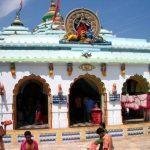
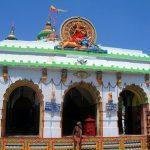
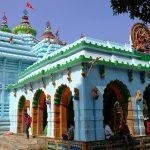
Photo Gallery
7. Frequently Asked Questions (FAQs)
1. Is there a VIP or special entry darshan available?
Yes, the temple administration provides a “Special Darshan” ticket system for devotees who are elderly, pregnant, or have limited time. This can be purchased at the counter near the temple entrance. For major festivals, VIP passes are issued online.
2. Can we carry Prasad from home?
While you can carry simple fruits (bananas, coconuts) for offering, the temple strictly prohibits outside cooked food. It is recommended to accept the temple’s official Prasad (Anna Prasad) after darshan, which is served daily.
3. What is the significance of the Ganesha Temple at Badasarol?
According to local lore, the Badasarol Ganesha temple marks the entrance to the original Sarala Temple site (the old shrine). It is customary for many devotees to offer prayers to Ganesha here before proceeding to the main Sarala Temple.
4. Is the temple open during heavy monsoons?
Generally, yes, as it is a concrete structure. However, during severe cyclonic alerts or extreme weather warnings (common in Odisha in October-November), the temple gates may close temporarily for safety. Always check local news before traveling during the monsoon season.
5. Where can I stay?
The temple trust maintains a guest house (Sarala Seva Sadan) for pilgrims. Additionally, budget hotels and lodges are available in Jagatsinghpur town (15 km away) and Cuttack (40 km away).
Recent Posts

ओ सांवरे तूने ही मुझको संभाला – Lyrics & Meaning
ओ सांवरे तूने ही मुझको संभाला – A Prayer to Shyam Origin & Spiritual Essence Why This Bhajan Resonates Devotees chant this when overwhelmed by life’s storms—the refrain ‘तूने ही मुझको संभाला’ is the soul’s sigh of relief: “You…

कथा ये है महाराज मेरे की – Lyrics & Meaning
कथा ये है महाराज मेरे की छत्रपति संभाजी महाराज – A Prayer to Chhatrapati Sambhaji Maharaj Origin & Spiritual Essence Why This Bhajan Resonates Devotees chant this when their spirit feels tested—its powerful refrain “महाराज मेरे” is a soul’s…

Rigveda Samhita Yathartha Anuvada (ऋग्वेद संहिता यथार्थ अनुवाद) – Complete Set with Anvayartha & Hindi/English Translation
The Rigveda is the oldest surviving scripture of humanity and the foundational text of Sanātana Dharma. For serious students, scholars, UPSC aspirants studying ancient Indian history, Sanskrit learners, and spiritual seekers, a precise and grammatically structured translation is indispensable.…

आना भी अकेला है जाना भी अकेला है – Lyrics & Meaning | BharatTemples
आना भी अकेला है जाना भी अकेला है – A Prayer to the Divine Witness Origin & Spiritual Essence Why This Bhajan Resonates Devotees turn to this bhajan in moments of deep reflection—when life’s attachments begin to ache. The…

माता शेरावाली के द्वार जो भी जाता है – Lyrics & Meaning
माता शेरावाली के द्वार जो भी जाता है – A Prayer to Maa Sherawali Origin & Spiritual Essence Why This Bhajan Resonates Devotees turn to this bhajan in times of fear or uncertainty—its promise that no one leaves Maa’s…

मार लेना सपणी उबार लेणा भवरा – Lyrics & Meaning
मार लेना सपणी उबार लेणा भवरा – A Prayer to the Divine Beloved Origin & Spiritual Essence Why This Bhajan Resonates Devotees chant this in moments of deep vulnerability—its cry of “मार लेना सपणी, उबार लेणा भवरा” is the…

हमें श्याम सुंदर भरोसा तुम्हारा – Lyrics & Meaning
हमें श्याम सुंदर भरोसा तुम्हारा – A Prayer to Shyam Sundar Origin & Spiritual Essence Why This Bhajan Resonates Devotees chant this when feeling alone—its refrain ‘de do sahara’ is the soul’s cry for divine support. Lyrics in Hindi…

Mere Satguru Ne Di Thi Davai Lyrics in Hindi & Meaning
Mere Satguru Ne Di Thi Davai: Invoking the Guru’s Liberating Wisdom This soul-stirring bhajan venerates the Satguru (True Spiritual Master) as the divine physician who dispenses the only remedy for life’s deepest sufferings. Composed by Sant Karmaveer Tufani, it…

Janm Diyo Thari Maa Dukh Dekhiyo Lyrics in Hindi & Meaning
जन्म दियो थारी माँ दुख देखियो (Maa’s Grief Upon Birthing You) This soul-stirring Chetavani Bhajan (admonitory hymn) is addressed to the Divine Mother (Maa) – a call for repentance when children forget their filial duties in the dark age…
Bhadi Sabha Mein Thane Manaun Lyrics in Hindi & Meaning
Bhadi Sabha Mein Thane Manaun: Invoking the Spear-Wielding Mother Mata Bhawani (श्री ज्वाला भवानी), the fiery manifestation of Shakti worshipped as the Protector of Dharma in Her Dhaulagarh sanctum. Origin & Spiritual Essence Composed in Rajasthani folk tradition by…