
Contents
Introduction & Spiritual Essence
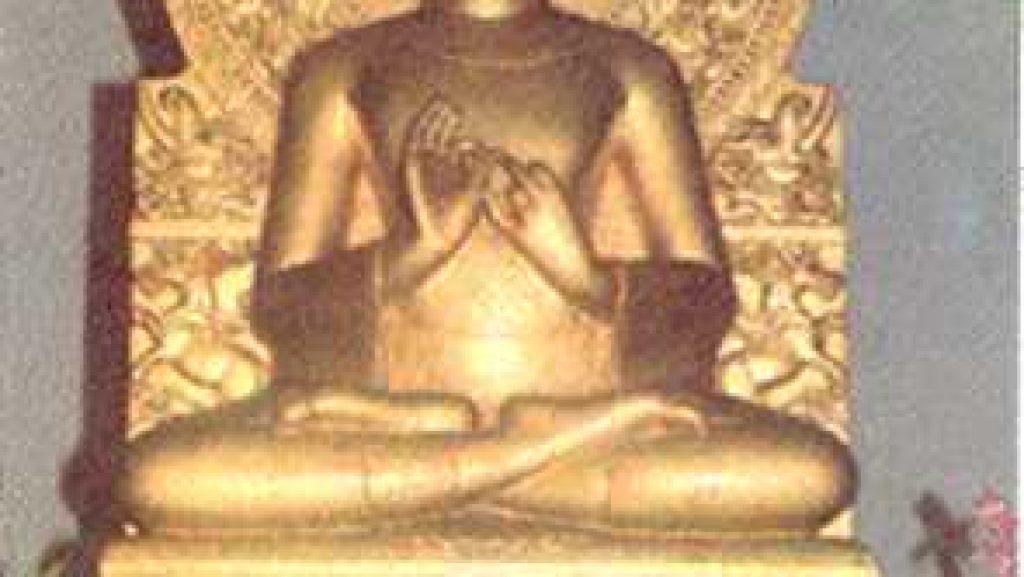
Sarnath, nestled approximately 10 kilometres north-east of Varanasi, stands as one of the most sacred pilgrimage sites in the Buddhist world. It is a place where spirituality resonates through the ancient soil of Uttar Pradesh, specifically at the confluence of the Ganges and the Varuna rivers. Unlike traditional temples where deities are enshrined in murtis, Sarnath is a Sthala (place) of Enlightenment. It is the very ground where Gautama Buddha first taught the Dhamma (the eternal law of truth) following his enlightenment in Bodh Gaya.
The spiritual essence of Sarnath revolves around the Bhavishya Kshetra—the prophecy of the future. Here, the Buddha Sangha (community of monks) came into existence through the enlightenment of Kondanna (the first disciple), marking the birth of the teaching order.
Phalaśruti: Why Devotees Visit
Pilgrims visit Sarnath to accumulate spiritual merit and cleanse ancestral karma. The specific benefits (Phalaśruti) of circumambulating these ancient stupas include:
- Inner Peace and Mindfulness: The vibration of the site where the “Turning of the Wheel of Dharma” occurred assists in deep meditation.
- Cleansing Ancestral Bonds: It is believed that offering prayers at Sarnath helps liberate ancestors from the cycle of rebirth.
- Wisdom and Clarity: As the birthplace of the Buddha’s sermon, it is a powerful site for students and seekers of knowledge.
Historical Origins & Scriptural Legend
The Legend of Sarnath
According to local tradition and Buddhist scriptures, Sarnath was originally known as Mrigadava (Deer Park). Legend holds that the Buddha selected this serene location for his first teaching because it was a sanctuary for wildlife and quiet contemplation. The Chakravartin (Wheel Turners) prophecy states that a Buddha would appear here to begin the cycle of teaching.
Historical Timeline & Builders
- 3rd Century BCE: The Mauryan Emperor Ashoka visited Sarnath and erected the magnificent Ashoka Pillar, inscribing the Dharmachakra Pravartana (the Lion Capital) which today serves as the National Emblem of India.
- 5th Century CE: The celebrated Chinese traveler Fa Hien and later Huen Tsang (7th Century CE) documented the grandeur of over 1,500 monasteries and temples, though many fell to ruin during the Turkish invasions in the 12th century.
- Revival: Excavations by the Archaeological Survey of India (ASI) since the 19th century have restored the sanctity of the site, bringing it back into the global consciousness.
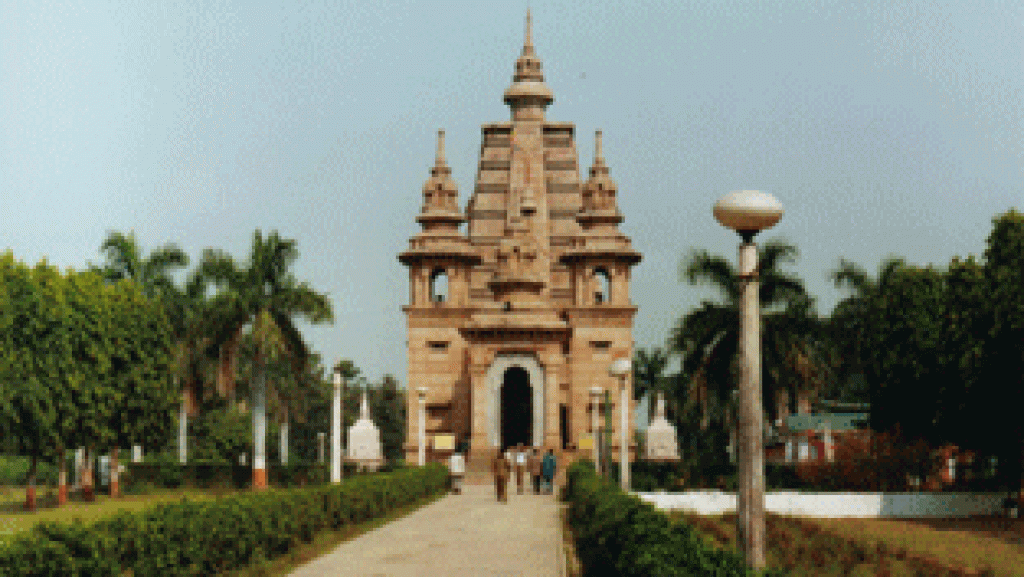
- Chaukhandi Stupa: This is the earliest Buddhist stupa in the complex. Built in the 4th century CE, it marks the spot where the Buddha first met his five disciples. Its unique square base topped by an octagonal tower is a fine example of Gupta Period architecture.
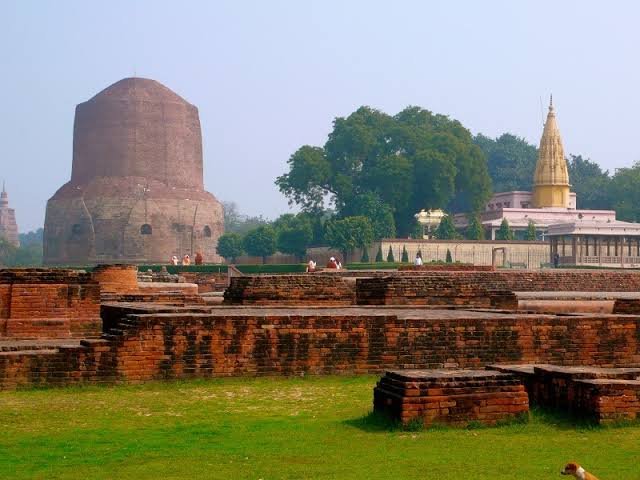
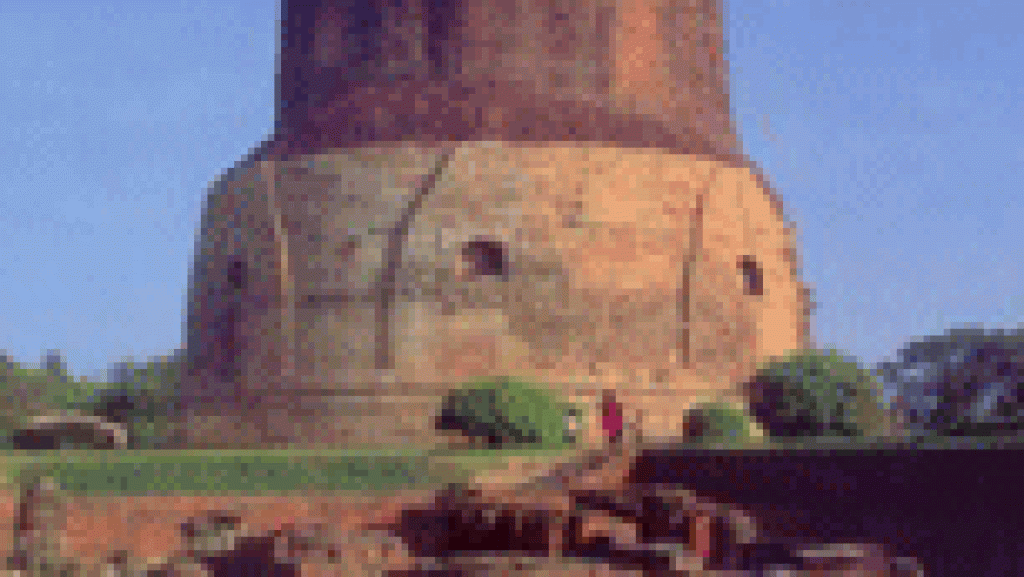
- Dhamekh Stupa: Standing 28.5 metres tall, this cylindrical structure is built of stone and brick. It marks the exact location where the Buddha delivered his first sermon. The stone lattice work at the base is particularly intricate and intricate.
- Monastery Ruins: The sprawling ruins of the Tibetan and Burmese monasteries offer a glimpse into the monastic life that thrived here for centuries.
- Bodhi Tree Prayers: Offer garlands of marigolds at the Bodhi Tree sapling.
- Lighting Lamps (Diya): Lighting oil lamps at the Dhamekh Stupa is a common ritual to dispel ignorance.
- Online Booking: For entry tickets and guided tours, one can visit the official ASI website (asi.payumoney.com). There is no specific “online seva booking” for the main monuments, but tickets can be purchased digitally to avoid queues.
- Buddha Purnima (Vesak): May 12, 2026. The most significant day at Sarnath, celebrating the birth, enlightenment, and death of the Buddha. The entire complex is decorated with lights and flowers.
- Maha Shivaratri: February 26, 2026. A major festival in Varanasi, which results in increased crowds in the surrounding region.
- Kartik Purnima: November 5, 2026. Significant for both Buddhist and Hindu pilgrims.
- Dress Code: Modest attire is strictly required. Shoulders and knees must be covered. Bright, flashy clothing should be avoided to maintain the sanctity of the site.
- Photography: Photography is permitted in the open archaeological complex but is strictly prohibited inside the Sarnath Archaeological Museum (including mobile phones in video mode).
- Shoe Policy: Footwear must be removed before ascending the stairs of the Dhamekh Stupa and inside the Museum. Use the designated free shoe-keeping counters.
- Best Hours: The best time for a quiet Darshan is immediately after opening at 9:00 AM or during the winter months (October–March).
- Seasonal Advice: – Summer (April–June): Temperatures exceed 40°C. Carry a water bottle, umbrella, and wear cotton clothing. – Monsoon (July–September): Humidity is high; carrying a light raincoat is advisable.
- By Air: The nearest airport is Lal Bahadur Shastri International Airport (VNS), Babatpur, located about 30 km from Sarnath. Prepaid taxis and app-based cabs (Uber/Ola) are readily available.
- By Rail: The nearest major railhead is Varanasi Junction (BSB), approximately 12 km away. Sarnath also has its own railway station, Sarnath Railway Station, connected to Varanasi via passenger trains.
- By Road: Sarnath is well connected via NH 31 and NH 7. Regular buses and auto-rickshaws connect Varanasi Cantt to Sarnath (approx. 30-40 min ride).
- Kashi Vishwanath Temple (Varanasi): 10 km away. The abode of Lord Shiva.
- Sankat Mochan Hanuman Temple: 9 km away. Famous for the removal of obstacles.
- Bharat Mata Mandir: 8 km away. A unique temple dedicated to Mother India.
Architectural Marvels
The architecture at Sarnath is a distinct blend of Buddhist Stupa architecture and Indian artistic traditions, reflecting the era’s mastery over stone carving.
Key Structures
The site is protected by the Archaeological Survey of India (ASI) and while it is part of the UNESCO World Heritage Site “The Buddhist Monuments at Sarnath,” it is listed separately from the “Taj Mahal and Agra Fort” complex.
Darshan & Ritual Logistics
Unlike temples with presiding deities, the rituals at Sarnath focus on circumambulation (Parikrama) of the Stupas and meditation. The atmosphere is contemplative rather than liturgical.
Daily Timings
Archaeological Survey of India (ASI) maintains specific visiting hours for the monuments. The Dhamekh Stupa and Museum have synchronized timings.
| Day | Morning Timings | Evening Timings |
|---|---|---|
| Monday – Sunday | 9:00 AM – 12:00 PM | 4:00 PM – 6:00 PM |
| Friday | 9:00 AM – 12:00 PM | 4:00 PM – 6:00 PM |
Note: The Sarnath Museum is closed on Fridays. The temple complex is accessible during daylight hours.
Key Sevas & Offerings
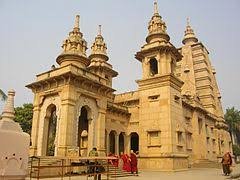
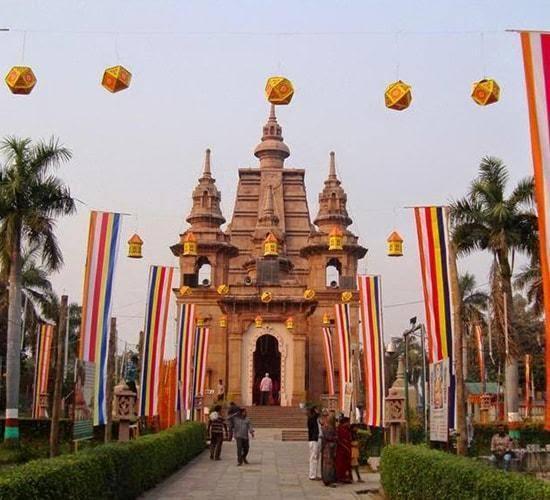
While formal Puja is not the norm here, visitors often perform offerings at the Thai Temple or Mulagandha Kuti Vihara within the complex.
2026 Festival Dates
Plan your visit around these significant Buddhist and Hindu festivals:
Practical Visitor Guidance
Rules and Etiquette
Crowd Management
Pilgrimage Connectivity
How to Reach
Sarnath is easily accessible from Varanasi (Banaras), the spiritual capital of India.
Nearby Sacred Sites (Pilgrimage Circuit)
Frequently Asked Questions (FAQ)
1. Is Sarnath a UNESCO World Heritage Site?
Yes, Sarnath is part of the UNESCO World Heritage Site designated as “The Buddhist Monuments at Sarnath.” It is protected and maintained by the Archaeological Survey of India (ASI).
2. What is the best time to visit Sarnath?
The ideal time to visit is between October and March. The weather is cool and pleasant, making it comfortable to walk through the sprawling archaeological complex. If you wish to witness the grandeur of Buddha Purnima, plan your trip for May.
3. Is there a VIP darshan entry?
As a historical monument, Sarnath does not have a typical “VIP Darshan” line like a functioning deity temple. However, there are separate entry lines for foreign tourists (who pay a higher fee) and domestic visitors (who pay a nominal fee). Students with valid ID cards may receive concessions.
4. Can we visit Sarnath and Varanasi in a single day?
Yes, it is highly feasible. Most pilgrims visit Sarnath in the morning (9 AM – 12 PM) when it is quiet, and then travel to the Kashi Vishwanath Temple and ghats of Varanasi in the late afternoon and evening.
5. Is photography allowed inside the Museum?
No, photography and mobile phones are strictly prohibited inside the Sarnath Archaeological Museum. You must deposit your camera/phone at the counter before entering. Photography is allowed in the open-air ruins (Stupas and Pillars) outside.
Photo Gallery
How to Reach Sarnath
By Air
The nearest airport to Sarnath lies at Varanasi – the cultural capital of India. Varanasi Airport at Babatpur is located about 30 km from Sarnath. It is one of the important domestic airports in India. Almost all public and private airlines in India operate regular flights to and from Varanasi. From Varanasi you can avail direct flights to cities like Delhi, Mumbai, Khajuraho, and others. You can also board flight from Kathmandu to reach Varanasi.
By Train
Sarnath has a railway station of its own, which is connected to Varanasi and Gorakhpur by passenger trains. The nearest railhead to Sarnath is at Varanasi too, which is one of the major railway junctions in the region. Varanasi railway station is connected to the rest of India by a large number of important trains. There are train links from Varanasi to various cities within Uttar Pradesh as well as cities in other parts of India like New Delhi, Mumbai, Kolkata, Agra, Lucknow, Bangalore and Ahmedabad, to name a few.
By Road
Sarnath in Uttar Pradesh is well connected with other parts of the state by decent roadways. The nearest mega terminus from Sarnath lies at Varanasi, about 10 km downtown from Sarnath. Varanasi is well connected by bus with major cities like Lucknow, Bareilly, Kanpur, Allahabad, Agra and Mathura. Regular buses run by Uttar Pradesh State Road Transport Corporation as well as private operators ply from Varanasi to these destinations. Hence, Sarnath is easily accessible by road from Varanasi and other major destinations in Northern India.
Recent Posts

Shri Kaamkoteeshwar Mandir, Varanasi – History & Significance
In the heart of Kashi, the eternal city of Lord Shiva, where the Ganges flows with celestial grace, stands the Shri Kaamkoteeshwar Mandir. This sacred Sannidhi is not merely a temple but a profound spiritual bridge between the Northern…

ओ सांवरे तूने ही मुझको संभाला – Lyrics & Meaning
ओ सांवरे तूने ही मुझको संभाला – A Prayer to Shyam Origin & Spiritual Essence Why This Bhajan Resonates Devotees chant this when overwhelmed by life’s storms—the refrain ‘तूने ही मुझको संभाला’ is the soul’s sigh of relief: “You…

कथा ये है महाराज मेरे की – Lyrics & Meaning
कथा ये है महाराज मेरे की छत्रपति संभाजी महाराज – A Prayer to Chhatrapati Sambhaji Maharaj Origin & Spiritual Essence Why This Bhajan Resonates Devotees chant this when their spirit feels tested—its powerful refrain “महाराज मेरे” is a soul’s…

Rigveda Samhita Yathartha Anuvada (ऋग्वेद संहिता यथार्थ अनुवाद) – Complete Set with Anvayartha & Hindi/English Translation
The Rigveda is the oldest surviving scripture of humanity and the foundational text of Sanātana Dharma. For serious students, scholars, UPSC aspirants studying ancient Indian history, Sanskrit learners, and spiritual seekers, a precise and grammatically structured translation is indispensable.…

आना भी अकेला है जाना भी अकेला है – Lyrics & Meaning | BharatTemples
आना भी अकेला है जाना भी अकेला है – A Prayer to the Divine Witness Origin & Spiritual Essence Why This Bhajan Resonates Devotees turn to this bhajan in moments of deep reflection—when life’s attachments begin to ache. The…

माता शेरावाली के द्वार जो भी जाता है – Lyrics & Meaning
माता शेरावाली के द्वार जो भी जाता है – A Prayer to Maa Sherawali Origin & Spiritual Essence Why This Bhajan Resonates Devotees turn to this bhajan in times of fear or uncertainty—its promise that no one leaves Maa’s…

मार लेना सपणी उबार लेणा भवरा – Lyrics & Meaning
मार लेना सपणी उबार लेणा भवरा – A Prayer to the Divine Beloved Origin & Spiritual Essence Why This Bhajan Resonates Devotees chant this in moments of deep vulnerability—its cry of “मार लेना सपणी, उबार लेणा भवरा” is the…

हमें श्याम सुंदर भरोसा तुम्हारा – Lyrics & Meaning
हमें श्याम सुंदर भरोसा तुम्हारा – A Prayer to Shyam Sundar Origin & Spiritual Essence Why This Bhajan Resonates Devotees chant this when feeling alone—its refrain ‘de do sahara’ is the soul’s cry for divine support. Lyrics in Hindi…

Mere Satguru Ne Di Thi Davai Lyrics in Hindi & Meaning
Mere Satguru Ne Di Thi Davai: Invoking the Guru’s Liberating Wisdom This soul-stirring bhajan venerates the Satguru (True Spiritual Master) as the divine physician who dispenses the only remedy for life’s deepest sufferings. Composed by Sant Karmaveer Tufani, it…

Janm Diyo Thari Maa Dukh Dekhiyo Lyrics in Hindi & Meaning
जन्म दियो थारी माँ दुख देखियो (Maa’s Grief Upon Birthing You) This soul-stirring Chetavani Bhajan (admonitory hymn) is addressed to the Divine Mother (Maa) – a call for repentance when children forget their filial duties in the dark age…