Shri Digambar Jain Lal Mandir, Delhi: History, Timings & Darshan Guide

Receive daily temple updates, divine darshan, and morning bhajans directly on WhatsApp.
Contents
- 1 Introduction & Spiritual Essence
- 2 Historical Origins & Scriptural Legend
- 3 Architectural Marvels
- 4 Darshan & Ritual Logistics
- 5 Practical Visitor Guidance
- 6 Pilgrimage Connectivity
- 7 Photo Gallery
- 8 Frequently Asked Questions (FAQs)
- 8.1 1. Is there a VIP darshan entry at Shri Digambar Jain Lal Mandir?
- 8.2 2. Are non-Jains allowed inside the temple?
- 8.3 3. What is the significance of the red stone used in the construction?
- 8.4 4. Can I carry my own Prasad (offering) for the deity?
- 8.5 5. What are the safety precautions for visitors in the area?
- 9 Address & Contact
Introduction & Spiritual Essence
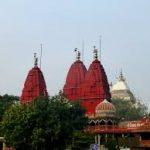
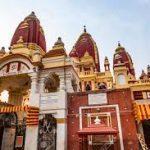
The Shri Digambar Jain Lal Mandir, standing resplendent in its distinctive red sandstone, is not merely a place of worship but the spiritual heart of Old Delhi. Established in 1656 AD, it is the oldest and most significant Jain temple in the capital. While the bustling streets of Chandni Chowk surround it, the temple offers a serene sanctuary dedicated to the 24 Tirthankaras (enlightened teachers) of Jainism.
Primary Deity & Form: The main sanctum houses the idols of Lord Parshvanath (the 23rd Tirthankara) in his black marble form. The temple is also popularly known for housing magnificent idols of Lord Mahavira (24th Tirthankara) and Lord Adinath (1st Tirthankara). Unlike many Hindu temples, the idols here are not “Murtis” meant for ritual consumption but are revered as Pratima—symbolic representations of the pure soul, inspiring devotees toward detachment and asceticism.
Phalaśruti (Spiritual Benefits): Why do devotees visit this ancient sanctuary? According to Jain scriptural tradition, visiting this temple and offering prayers to the Lord Parshvanath idol helps in:
- Cleansing Ancestral Karma: Devotees perform Shraddha ceremonies here to liberate ancestors from the cycle of rebirths.
- Achieving Inner Peace: The vibration of the ancient temple, situated in one of the world’s most chaotic areas, is said to grant immense mental clarity and Shanti (peace).
- Fulfillment of Wishes: Specific prayers (Sankalpa) made to Lord Parshvanath are believed to remove obstacles in one’s path.
Historical Origins & Scriptural Legend
The Rise of the Red Stone: The temple was built in 1656 AD during the reign of the Mughal Emperor Shah Jahan. It was constructed by a wealthy Jain merchant, Lal Das, who gained significant favor within the Mughal court. The choice of red sandstone was strategic; in the walled city of Shahjahanabad, building with sandstone was a privilege reserved for the nobility. By utilizing this material, the Jain community asserted its prestige and secured permission to build a temple right opposite the formidable Red Fort.
📖 Related: Pracheen Shani Mandir, Delhi: History, Darshan Timings & Legend (2026 Guide)
Scriptural References & Sthala Purana: While the temple does not feature in the ancient Puranas, its Sthala Purana (local legend) is deeply tied to the socio-religious fabric of Old Delhi. Tradition holds that the site was chosen for its specific energy alignment, a sanctuary of light amidst the shadows of the walled city. Over the centuries, the temple has undergone restorations to preserve its intricate carvings, yet it remains a testament to the Shvetambara and Digambara traditions coexisting peacefully. Today, it is managed by the Shri Digambar Jain Lal Mandir Trust.
Architectural Marvels
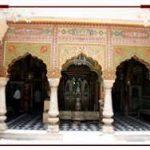
Style & Structure: The temple is a two-storied edifice built in the Indo-Saracenic style, blending Mughal architectural elements with traditional Jain aesthetics. The exterior features the deep red sandstone typical of the Mughal era, while the interior showcases the ornate Maru-Gurjara style influences characterized by lattice work and intricate carving.
The Sanctum & Mandapas:
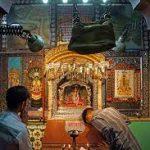
- The Main Shrine: Located on the first floor, the sanctum (Garbhagriha) is modest in size but vast in spiritual energy. The ceiling is adorned with gold leaf work and mirrors.
- The Balcony: The second floor opens to a balcony that offers a unique panoramic view of Chandni Chowk and the Red Fort. This architectural feature allows the pilgrim to observe the worldly chaos from a position of spiritual detachment.
- Sculptures: The temple houses over 50 idols of various Tirthankaras carved from black marble and sandstone. Notable is the Dharamnathji idol, a masterpiece of craftsmanship.
Darshan & Ritual Logistics
Visiting the Lal Mandir requires attention to specific timings and ritual protocols. The temple follows a strict schedule for the opening and closing of the sanctum.
Daily Darshan Timings (2026 Schedule)
| Session | Timings | Notes |
|---|---|---|
| Morning Darshan | 5:30 AM – 11:00 AM | Best time for serene meditation. |
| Midday Closure | 11:00 AM – 5:30 PM | Sanctum closed for cleaning and ritual rest. |
| Evening Darshan | 5:30 PM – 9:30 PM | Illuminated temple view; Aarti times vary. |
| Special Sundays | 7:00 AM – 12:00 PM | Extended hours due to heavy footfall. |
📖 Related: Sai Baba Temple Delhi: History, Darshan Timings & Complete Guide
Key Sevas & Online Booking
While traditional booking is available at the office, the temple trust has digitized most services. Note: As of 2026, all major pujas require online registration via the official temple trust portal.
- Abhishekam (Ritual Bathing): Performed for Lord Parshvanath with milk, honey, and sandalwood paste. Slots: Morning 6:00 AM – 8:00 AM.
- Archana (Chanting of Names): Personalized recitation of the Tirthankara’s attributes. Can be booked online for a specific date.
- Sarvadaivika Seva: A collective prayer for general well-being.
Major 2026 Festival Dates
- Parshvanath Jayanti: March 14, 2026 (Dedicated to the 23rd Tirthankara).
- Mahavir Jayanti: April 6, 2026 (Major processions expected in Chandni Chowk).
- Samvatsari (Kshamapana Day): August 30, 2026 (The holiest day of forgiveness).
- Diwali: October 22, 2026 (Marked by elaborate illuminations).
Practical Visitor Guidance
Dress Code: Traditional attire is preferred. Men should wear full-length trousers and shirts; women should wear sarees or full-length skirts. A strict dress code applies for entry into the main sanctum.
Photography & Electronics: Photography is strictly prohibited inside the prayer hall and balcony. Mobile phones must be switched to silent mode.
Mobile Lockers: Due to security restrictions in the Red Fort vicinity, a free shoe and mobile locker facility is available in the basement of the temple. It is highly recommended to use these facilities.
Accessibility: The main shrine is on the first floor, accessible via stairs. An elevator is available for senior citizens and differently-abled devotees; please coordinate with the inquiry office staff.
Crowd Management: The temple is located in Chandni Chowk, which is notoriously crowded.
Best Hours: 8:00 AM to 10:00 AM on weekdays.
Seasonal Advice: Summers (May-June) are scorching; carry a water bottle, though dispensers are available. Winters (Dec-Jan) offer the pleasant weather for a walk in the surrounding market.
Pilgrimage Connectivity
How to Reach:
- Nearest Metro Station: Chandni Chowk (Yellow Line). Take the exit towards the Red Fort (Gate 1). It is a 5-minute walk through the heritage market.
- Nearest Railway Station: New Delhi Railway Station (5 km away). Pre-paid taxis and e-rickshaws are readily available.
- By Road: Located on Netaji Subhash Marg (NH 144A). If driving, park at the designated Red Fort parking or the Jain Society parking lot near Digambar Jain Temple Road.
📖 Related: Shri Digambar Jain Lal Mandir, Delhi: History, Timings & Darshan Guide
Nearby Sacred Sites (Pilgrimage Circuit)
Extend your spiritual journey by visiting these landmarks within walking distance:
- Sri Digambar Jain Naya Mandir: Located just 500 meters away, this is a smaller, more ornate temple famous for its stunning glass lanterns (Jhoomar).
- Gauri Shankar Temple: An ancient Shiva temple located in Chandni Chowk, representing the syncretic history of Delhi.
- Sis Ganj Gurudwara: A significant Sikh shrine marking the martyrdom site of the ninth Guru, Guru Tegh Bahadur Ji, located nearby.
Photo Gallery
Shri Digambar Jain Lal Mandir, Del, Shri Digambar Jain Lal Mandir, Delhi
Shri Digambar Ja, Shri Digambar Jain Lal Mandir, Delhi
Shri Digambar, Shri Digambar Jain Lal Mandir, Delhi

Shri Digambar Jai, Shri Digambar Jain Lal Mandir, Delhi

Shri Digambar Jain Lal M, Shri Digambar Jain Lal Mandir, Delhi
Shri Digambar Jain, Shri Digambar Jain Lal Mandir, Delhi
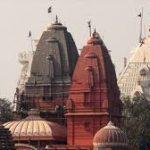
Shri Digambar Jain Lal Ma, Shri Digambar Jain Lal Mandir, Delhi
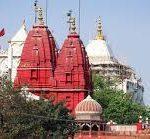
Shri Digambar Jain Lal Mandir, D, Shri Digambar Jain Lal Mandir, Delhi
Frequently Asked Questions (FAQs)
1. Is there a VIP darshan entry at Shri Digambar Jain Lal Mandir?
No, the temple does not have a specific VIP entry fee. All devotees are treated equally. However, a quick entry can be arranged by pre-booking the Abhishekam seva, which allows access to the sanctum during specific prayer slots.
2. Are non-Jains allowed inside the temple?
Yes, the Shri Digambar Jain Lal Mandir welcomes people of all faiths. However, everyone must remove their shoes at the designated area and respect the Jain principles of non-violence and silence within the temple premises.
3. What is the significance of the red stone used in the construction?
The red sandstone mirrors the architecture of the neighboring Red Fort. Historically, it symbolized the power and prosperity of the Jain community in 17th-century Delhi. Spiritually, the red color represents the emotional and passionate energy that is disciplined and transformed into devotion within the temple walls.
4. Can I carry my own Prasad (offering) for the deity?
In strict Jain tradition, no solid food items or flowers are offered to the main deity. Only pure water or milk may be offered during specific rituals (Abhishekam), which must be requested through the temple priests. Devotees usually offer coins or donation boxes as Dakshina.
5. What are the safety precautions for visitors in the area?
Chandni Chowk is a high-density area. Always keep your valuables in the provided mobile lockers inside the temple. Do not engage with unauthorized guides. For any assistance, visit the official Inquiry Office located in the temple basement.
Address & Contact
Address: Netaji Subhash Marg, Opposite Red Fort, Chandni Chowk, New Delhi, Delhi 110006
Contact Details:
011 2328 0942