Skanda Mata Temple Varanasi: History, Timings & Complete Pilgrimage Guide
Receive daily temple updates, divine darshan, and morning bhajans directly on WhatsApp.
Contents
- 1 Introduction & Spiritual Essence
- 2 Historical Origins & Scriptural Legend
- 3 Architectural Marvels
- 4 Darshan & Ritual Logistics
- 5 Practical Visitor Guidance
- 6 Pilgrimage Connectivity
- 7 Frequently Asked Questions (FAQ)
- 8 Photo Gallery
- 9 Contact Details
Introduction & Spiritual Essence
The Skanda Mata Temple in Varanasi is a profound sanctuary dedicated to the fifth manifestation of Goddess Durga. Nestled in the historic lanes of Jaitpura, this temple is a vital stop on the spiritual map of Kashi, embodying the fierce yet nurturing energy of the Divine Mother. Known scripturally as Skanda Mata and locally revered by ancient names such as Ashwa Roodha and Vageshwari, this deity offers a unique spiritual resonance.
Phalaśruti: The Fruits of Devotion
Devotees visit the Skanda Mata Temple to seek blessings for wisdom, progeny, and spiritual liberation. According to Kashi Khand scriptures, the divine mother guards Kashi in various forms of Shakti. Worshipping Skanda Mata, who holds the infant Kartikeya (Skanda) on her lap, is believed to bring peace, happiness, and fulfillment of desires. Since she guards the Sun’s orbit (Surya Mandal), her devotees are blessed with a radiating aura of inner light, making their path to salvation (Moksha) easier.
Historical Origins & Scriptural Legend
The history of this temple is deeply rooted in the Kashi Khand of the Skanda Purana. According to local legends and the oral traditions of Kashi, when the demon Durgasur began tormenting the religious people, Lord Shiva summoned Goddess Durga to slay him.
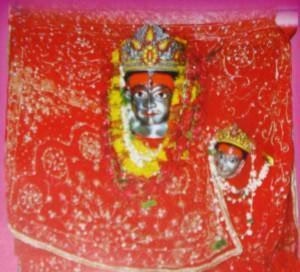
After vanquishing the demon, the Goddess took the form of various Shaktis to guard Kashi. One such form is Ashwa Roodha. Learned Pundits and temple records identify Ashwa Roodha as Vageshwari, a deity housed in a sanctum where the door remains closed for most of the year, opening only on specific auspicious days.
📖 Related: Bheeshan Bhoot Bhairav Temple: History, Darshan Timings & Complete Guide
While the exact date of construction is not recorded in the provided archives, the temple’s Dravidian architectural style suggests a significant historical lineage, likely renovated over centuries to preserve its sanctity. The structure stands as a testament to the enduring worship of the Shakta sect in Varanasi.
Architectural Marvels
The temple is designed in the Dravidian architectural style, characterized by its pyramid-like tower (shikhara) and heavy, sculpted pillars. Unlike the curved spires of North Indian Nagara style, the Dravidian form here emphasizes horizontal layers and a square sanctum (Garbhagriha).
The sanctum houses the Skanda Mata Murti, depicting the Goddess seated in Padmasana (lotus posture) on a lotus flower. She possesses four hands, holding lotus flowers in her upper hands and offering blessings with her lower left hand. The presence of the infant Kartikeya (Skanda) on her lap adds to the serene yet powerful aura of the idol. The temple premises also feature intricate carvings and a distinct entrance archway typical of South Indian temple construction.
Darshan & Ritual Logistics
Visiting the Skanda Mata Temple requires an understanding of its unique worship schedule, particularly regarding the local deities Vageshwari and Ashwa Roodha. It is noted that Vageshwari Devi (Ashwa Roodha) is allowed to be worshipped only on two specific days in a full year. On all other days, the sanctum of Ashwa Roodha remains closed, and devotees worship the door itself.
For Skanda Mata, darshan is generally available daily, with peak visitation during Navratri.
Daily Timings
| Session | Timings |
|---|---|
| Morning Darshan | 06:00 AM – 12:00 PM |
| Afternoon Break | 12:00 PM – 04:00 PM |
| Evening Darshan | 04:00 PM – 09:00 PM |
Key Sevas and Rituals
Abhishekam: The ritual bathing of the deity is performed with milk, honey, and ghee. Best performed on Tuesdays and Fridays.
Archana: Recitation of hymns dedicated to Skanda Mata. Devotees can offer Pushpanjali (flower offering) specific to the 5th form of Durga.
📖 Related: Jaygeeshyeshwar Temple, Varanasi: History, Darshan Timings & Complete Guide
Online Seva Booking: While many temples in Varanasi are adopting digital systems, the Skanda Mata Temple relies heavily on direct participation. However, for major festivals, devotees can book specific pujas through the BHU Kashi Vishwanath Portal or local temple administration offices in Jaitpura.
Festival Dates 2026
Navratri is the most significant festival here. As per the 2026 calendar:
- Chaitra Navratri: March 28 – April 5, 2026 (Maa Skanda Mata worshipped on the 4th day).
- Shardiya Navratri: September 18 – September 26, 2026 (Maa Skanda Mata worshipped on the 4th day).
- Naratri Festival: As noted in temple records, the specific Naratri festival is celebrated with special Vedic recitations.
Practical Visitor Guidance
Dress Code & Etiquette
Visitors should dress modestly. Traditional Indian attire (Saree, Kurta-Pajama, or Dhoti) is highly recommended. Western clothing should be avoided. Leather items are generally restricted inside the sanctum.
Photography & Mobiles
Photography inside the inner sanctum is strictly prohibited. Mobile lockers may be available near the entrance, but availability is limited. It is advisable to carry minimal belongings.
Accessibility
The temple is located in the old city (Jaitpura). The lanes are narrow. It is not wheelchair accessible due to steep stairs and uneven pathways. Visitors with mobility issues can seek assistance from temple volunteers.
Crowd Management
- Best Hours: Visit early morning (6:00 AM – 8:00 AM) to avoid crowds.
- Seasonal Advice: During May and June, temperatures in Varanasi rise significantly. Carry a water bottle and a cloth for head covering. Monsoons (July-Sept) bring high humidity; light, breathable fabrics are advised.
Pilgrimage Connectivity
How to Reach
Location: J.6/33, Jaitpura, Varanasi.
- Nearest Airport: Lal Bahadur Shastri International Airport (LBS) is approximately 25 km away. A taxi or cab (30-45 mins) can drop you at Godaulia or Sigra, from where an auto-rickshaw to Jaitpura is recommended.
- Nearest Railway Station: Varanasi Junction (BSB) is about 5-6 km away. Take an auto-rickshaw to Jaitpura Police Station.
- By Road: The temple is accessible via the Varanasi-Allahabad Highway (NH-19). Use Jaitpura Police Station as a landmark. The final approach is via narrow lanes best navigated by cycle-rickshaw.
📖 Related: Kaholeshwar Temple Varanasi: History, Darshan Timings & Complete Guide
Nearby Sacred Sites (Pilgrimage Circuit)
Enhance your Kashi Yatra by visiting these nearby temples:
- Shri Kashi Vishwanath Temple: Located roughly 4 km from Jaitpura, the spiritual heart of Varanasi.
- Sankat Mochan Hanuman Temple: Famous for the removal of obstacles, located approximately 5 km away.
- Tulsi Manas Temple: A serene temple dedicated to Lord Rama, constructed at the site where Tulsidas wrote the Ramcharitmanas.
Frequently Asked Questions (FAQ)
Is there a VIP Darshan entry?
No, the Skanda Mata Temple does not have a specific VIP entry. The darshan is open to all devotees, and the queues are generally manageable compared to the main Kashi Vishwanath temple.
What is the difference between Vageshwari and Skanda Mata?
According to learned Pundits and local tradition, there is a distinction. Vageshwari (Ashwa Roodha) is located on the ground level in a closed sanctum and is worshipped only twice a year. Skanda Mata is located on the upper storey of the temple complex and is accessible for daily darshan.
Is there a specific time for Ashwa Roodha Darshan?
Yes, but it is rare. The door to Ashwa Roodha is generally closed. Devotees worship the door for the rest of the year. Specific dates for opening should be inquired locally at the temple office, usually coinciding with major Hindu festivals.
Are food facilities available?
There are no large-scale restaurants inside the temple. However, small stalls selling Prasad (laddoos, flowers) and tea are available outside. For a proper meal, devotees can visit the Dharamshalas in Jaitpura or return to the main ghats area.
Can I visit with children?
Yes, but the stairs and crowded lanes require caution. It is advisable to carry infants in a sling or front carrier rather than a stroller.
Photo Gallery
Vagheshwari-Devi-fh300x272, Skanda Mata Temple, Varanasi
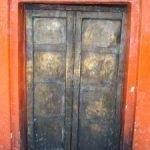
Closed-Door-housing-Vagheshwari-Ashwa-Rooda-300×225
Contact Details
Official Address: J.6/33, Jaitpura, Varanasi, Uttar Pradesh 221001
Phone: [Insert Updated Phone Number if available]
Administration: For administrative inquiries regarding Pujas and events, visitors can contact the local temple committee in Jaitpura.