Sumukh Vinayak Temple Varanasi: History, Timings & Complete Guide
Receive daily temple updates, divine darshan, and morning bhajans directly on WhatsApp.
Contents
- 1 Sumukh Vinayak Temple: The Ancient Lord Ganesha of Varanasi
Sumukh Vinayak Temple: The Ancient Lord Ganesha of Varanasi
Introduction & Spiritual Essence
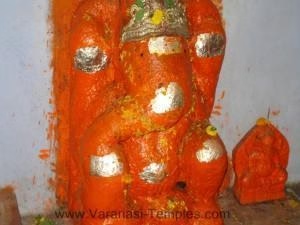
Located in the spiritual heart of India, the Sumukh Vinayak Temple in Varanasi is a sanctuary of devotion dedicated to Lord Ganesha. Known as the remover of obstacles and the harbinger of auspicious beginnings, this temple is nestled within the labyrinthine lanes near the sacred Saraswati Phatak. For centuries, devotees have sought the blessings of Sumukh Vinayak (an epithet of Ganesha meaning “one with a blessed face”) to cleanse ancestral karma and ensure success in new ventures.
The spiritual essence here is rooted in the Swayambhu (self-manifested) nature of the deity. Unlike grand, commercialized shrines, this temple offers an intimate spiritual experience. Phalaśruti (the fruits of pilgrimage) as described in local lore suggests that visiting this specific Ganesha idol in Varanasi brings peace to the mind and removes Vighnas (obstacles) from one’s path, particularly for students and professionals seeking clarity.
Historical Origins & Scriptural Legend
While precise architectural records from the medieval period are often scarce in Varanasi due to the city’s cyclical nature of destruction and reconstruction, the Sumukh Vinayak Temple holds a significant place in the Kashi Khanda of the Skanda Purana. Tradition holds that this shrine dates back several centuries, established during a period when the city’s ghats were being developed by the Maratha Empire.
📖 Related: Ganeshwar Rameshwar Temple Varanasi: History, Darshan Timings & Guide
According to temple records and oral histories passed down by local caretakers, the temple was constructed to honor a specific manifestation of Ganesha protecting the southern approaches of the holy city. The name “Sumukh” is deeply rooted in Vedic texts, symbolizing a face that radiates auspiciousness. The idol is believed to have been consecrated during the 18th or 19th century, possibly by wealthy merchants from the Gaur community (noted in the address below as the “House of Moti Ghatia”), who were instrumental in building many small shrines in Kashi.
Architectural Marvels
The architecture of the Sumukh Vinayak Temple follows the traditional Nagara style, typical of North Indian temples, adapted to the constraints of Varanasi’s narrow urban fabric. While not a massive complex, the Shikhara (spire) is distinct, adorned with intricate carvings typical of Hindu temple architecture.
The inner sanctum (Garbhagriha) is compact, focusing the devotee’s attention entirely on the deity. The walls feature detailed Murtis (sculptures) of various forms of Lord Ganesha, Vishnu, and Shiva. The stone used is likely the local sandstone that gives Varanasi’s architecture its warm, golden hue. The temple’s entrance is modest, hidden within a residential alley, preserving the sanctity of the space by keeping it free from commercial distractions. There is no official ASI or UNESCO listing, as it functions primarily as a living heritage site maintained by local devotees.
Darshan & Ritual Logistics
Visiting Sumukh Vinayak Temple requires an understanding of the local rituals. The primary Seva is the Modak Bhojan (offering of sweet dumplings) and Abhishekam (ritual bathing of the idol) performed with milk and honey.
📖 Related: Pasupateshwar Temple, Varanasi: History, Timings & Complete Guide
Daily Temple Timings (2026)
Timings are subject to change based on local panchang (calendar).
| Session | Timings | Activities |
|---|---|---|
| Morning | 06:00 AM – 12:00 PM | Mangala Aarti, Shringar Darshan, Abhishekam |
| Evening | 04:00 PM – 09:00 PM | Bhog Aarti, Sandhya Aarti, Closed |
Key Sevas & Online Booking
To ensure a seamless experience, devotees are encouraged to book Sevas in advance. While this is a smaller shrine, bookings are often managed through local priest contacts or general Varanasi temple portals. For 2026, the temple administration recommends using the Kashi Vishwanath Corridor app or designated Varanasi temple booking platforms.
- Abhishekam: Perform between 7:00 AM – 10:00 AM.
- Archana (Chanting of Names): Available throughout the day.
- Online Booking: Visit the official Varanasi temple tourism website or local portals.
2026 Festival Calendar
Special celebrations occur during these dates:
- Ganesh Chaturthi: September 6, 2026 (Main Event)
- Magh Ganesh Chaturthi: February 1, 2026
- Angarki Chaturthi: Occurring every month when Tuesday falls with Chaturthi Tithi.
Practical Visitor Guidance
Dress Code: Traditional attire is recommended (Saree, Kurta-Pajama). Avoid shorts or sleeveless tops as a mark of respect.
Photography & Electronics: Photography inside the sanctum is strictly prohibited. Given the narrow lanes, carrying large bags is inconvenient. Mobile phones are allowed but should be on silent mode.
Crowd Management: The lanes near Saraswati Phatak can be crowded. The best time to visit is early morning (6:30 AM) or late evening (6:00 PM). During summers (May/June), carry a water bottle and wear head coverings as the stone lanes reflect intense heat.
Pilgrimage Connectivity
How to Reach:
- Nearest Airport: Lal Bahadur Shastri International Airport (LBS), Varanasi (approx. 25 km).
- Nearest Railway Station: Varanasi Junction (BSB) (approx. 7 km).
- Road Access: Accessible via NH 19 and NH 35. The closest drop-off point is Chowk or Maidagin. From there, you must walk or take an auto-rickshaw to Saraswati Phatak.
📖 Related: Hanumangarh, Ayodhya: History, Timings & Complete Darshan Guide
Address: Ck.35/7, House of Moti Ghatia, Saraswati Phatak, Varanasi, Uttar Pradesh 221001.
Nearby Sacred Sites (Pilgrimage Circuit):
- Sankat Mochan Hanuman Temple: Located 2 km away, famous for liberation from fear.
- Durga Kund Temple: A 10-minute ride, known for its red Durga idol.
- Kashi Vishwanath Temple: The epicenter of Varanasi spirituality, 15 minutes by foot through the old city.
Frequently Asked Questions (FAQ)
1. Is there a VIP darshan entry at Sumukh Vinayak Temple?
No, this is a traditional heritage shrine. There is no VIP entry. All devotees are treated equally, and Darshan is generally quick as the queue moves fast.
2. Is the temple accessible by vehicle?
Private vehicles cannot enter the narrow lanes of Saraswati Phatak. You must park at Chowk or Maidagin and walk approximately 10-15 minutes to reach the temple.
3. What is the best time to visit to avoid crowds?
The best time is early morning between 6:00 AM and 7:30 AM on weekdays. Avoid Tuesdays and Chaturthi days if you prefer a quieter Darshan, as they are highly auspicious for Lord Ganesha.
4. Are there accommodation options nearby?
Yes, the area around Maidagin and Lanka offers numerous hotels and guest houses ranging from budget to mid-range, suitable for pilgrims.
5. Can I offer Prasad at the temple?
Yes, you can bring Modak, Laddoo, or Durva grass. These are accepted by the priest and offered to the deity.