

Contents
- 1 The Svetambara Jain Temple, Delhi: A Definitive Pilgrimage Guide
The Svetambara Jain Temple, Delhi: A Definitive Pilgrimage Guide
By Bharat Temples Heritage Team | Updated: January 2026
1. Introduction & Spiritual Essence
The Svetambara Jain Temple, nestled in the heart of Old Delhi near Kinari Bazaar, is widely reckoned to be the oldest functioning Jain temple in the city. It stands as a serene counterpoint to the bustling market outside, offering a space for Sadhana (spiritual practice) and inner peace.
The Primary Deity: Lord Parshavnath
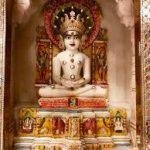
The central shrine houses a magnificent black stone sculpture known as Lord Parshavnath, the 23rd Tirthankara (ford-maker) of Jainism. Unlike many deities in Hindu pantheons, these Tirthankaras are not gods but enlightened souls who conquered their inner enemies (anger, ego, greed, attachment) to show the path of liberation (Moksha).
Phalaśruti (Spiritual Benefits):
Devotees visit this temple seeking mental clarity and relief from accumulated Karmic baggage. Specifically, offerings here are believed to:
- Cleansing Ancestral Karma: Performing rituals for ancestors (Shraddha) to help resolve ancestral spiritual blocks.
- Resolution of Obstacles: Lord Parshavnath is the deity of compassion; prayers here are aimed at removing obstacles in professional and personal life.
- Protection from Accidents: As Parshavnath is associated with the Snakes (symbolizing hidden dangers), prayers invoke protection from unforeseen accidents.
2. Historical Origins & Scriptural Legend
Builders and Century:
The temple dates back to the early 19th century (circa 1800s), though the precise dynastic record is less clear than in medieval temples. It was established by the wealthy Jain trading community that flourished in the Mughal and British eras in Chandni Chowk.
Sthala Purana (Local Legend)
According to temple records and oral tradition, the site holds immense significance for the Digambara and Svetambara sects. The installation of the idol is said to have occurred during a time when the Jain community was solidifying its presence in the capital.
A unique historical anecdote involves the Four-Faced (Chaumukha) Temple concept prevalent in Jain architecture. While the main idol is Parshavnath, the temple complex is designed to allow darshan of multiple Tirthankaras simultaneously, symbolizing the omnidirectional nature of truth. The marble used in the construction was historically transported from Rajasthan, a feat of logistics in the early 1800s.
3. Architectural Marvels
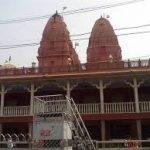
The Svetambara Jain Temple is a stunning example of the Marble Temple Architecture style, distinct from the stone-heavy Nagara or Dravida styles, focusing instead on intricate carving and luminosity.
- Structure: It is a two-story marble stone structure. The use of white marble is symbolic of purity and non-violence (Ahimsa), a core tenet of Jainism.
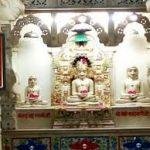
- The Main Deity: The central Murti is carved in black Kasauti stone (a traditional black stone used for testing gold purity), representing Lord Parshavnath in the Kayotsarga posture (motionless meditation).
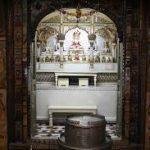
- Intricate Carvings: The sanctum is surrounded by polished marble panels depicting scenes from the lives of the 24 Tirthankaras. The ceilings feature mirror work and gold leaf gilding, reflecting the prosperity of the merchant community that funded the temple.
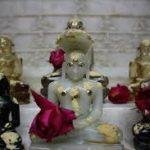
- Other Idols: Besides Parshavnath, the temple houses exquisitely carved idols of Lord Sumatinath (5th Tirthankara), Lord Adinath (1st Tirthankara), and Lord Ajinath (8th Tirthankara).
4. Darshan & Ritual Logistics (2026 Guide)
Timings are subject to change based on the Jain calendar and local weather conditions. Below is the standard schedule for 2026.
Daily Timings
| Time Slot | Activity | Notes |
|---|---|---|
| 6:00 AM – 9:00 AM | Morning Mangala / Abhishekam | Best time for peaceful darshan. |
| 9:00 AM – 12:00 PM | General Darshan | Open to all visitors. |
| 12:00 PM – 3:00 PM | Afternoon Break (Temple Closed) | Idol preparation for evening rituals. |
| 3:00 PM – 6:00 PM | Evening Darshan | Ideal for photography (interior light). |
| 6:00 PM – 8:00 PM | Evening Aarti | Devotional hymns and lamp offering. |
Key Sevas & Online Booking
While the Svetambara Jain Temple in Chandni Chowk relies heavily on traditional, on-site bookings, major Jain temples in Delhi often participate in centralized online portals.
- Abhishekam: Ritual bathing of the deity. Usually performed on auspicious days like Paryushan or Samvatsari.
- Archana: Recitation of the 108 names of the Tirthankara.
- Online Portal: For specific donations or booking special Pujas, devotees can check the Bharat Temples dedicated section or the temple’s local trust website.
2026 Jain Festival Dates
Paryushan Parva (Festival of Forgiveness): August 21 – August 28, 2026.
Expect heavy crowds during these dates. The temple remains open late into the night.
5. Practical Visitor Guidance
- Dress Code: Strict adherence to modest clothing is required. Shoulders and knees must be covered. Traditional Indian attire is preferred, but western clothes (full trousers/shirts) are acceptable.
- Footwear: Shoes must be removed at the designated area outside the main shrine. Shoe storage is available but can be crowded; it is advisable to wear easily removable footwear.
- Mobile Phones & Photography: Photography is strictly prohibited inside the sanctum. Silence is requested in the prayer halls. Mobile lockers are available for free to store electronics.
- Crowd Management:
– Best Hours: 8:00 AM to 10:00 AM on weekdays.
– Avoid: Saturday afternoons and Sundays.
– Seasonal Advice: Delhi summers (May-June) are scorching; carry a water bottle (glass or metal only—plastic is often discouraged inside sanctums) and a handkerchief.
6. Pilgrimage Connectivity
How to Reach
- Nearest Airport: Indira Gandhi International Airport (DEL). Distance: Approx. 20 km (45-60 mins by cab).
- Nearest Railway Station: Old Delhi Railway Station (Delhi Junction) is the closest (approx. 2 km). New Delhi Railway Station is about 5 km away.
- By Road (NH Reference): The temple is accessible via Ring Road connecting to NH-44 (Grand Trunk Road). However, the final approach to Kinari Bazaar is a narrow lane accessible only by auto-rickshaw or foot.
Nearby Sacred Sites (Pilgrimage Circuit)
Combine your visit with these heritage sites within walking distance:
- Jama Masjid (20 mins walk): One of India’s largest mosques, offering a glimpse into Mughal architecture.
- Sri Digambar Jain Lal Mandir (5 mins walk): The oldest Jain temple in Delhi (Digambara sect), famous for its bird hospital.
- Gauri Shankar Temple (10 mins walk): A historic Shiva temple located in Chandni Chowk.
7. Frequently Asked Questions (FAQ)
Is there a VIP darshan entry available?
Generally, the Svetambara Jain Temple operates on a first-come, first-served basis for general darshan. However, donors contributing significantly to temple trusts may arrange special timings by contacting the administrative office in advance.
What is the difference between Svetambara and Digambara sects?
The primary difference lies in iconography and monastic practices. Svetambara (Clothed in White) monks wear white robes, while Digambara (Sky-clad) monks remain naked. In art, Svetambara idols are often adorned with jewelry, whereas Digambara idols are depicted without embellishments.
Is the temple accessible for senior citizens?
Yes, but with caution. Chandni Chowk is extremely crowded. It is best to hire a wheelchair or assistance at the main road entrance and walk the short distance to the temple. There are no escalators inside the market lanes.
Are there dining facilities inside the temple?
This specific temple does not have a large community kitchen (Bhojanalaya) like some larger complexes. However, pure vegetarian Jain food is available in plenty at the local Chandni Chowk eateries.
Can non-Jains enter the temple?
Yes. Most Jain temples, including this one, welcome people of all faiths. The only requirement is to respect the sanctity of the space and remove shoes.
Photo Gallery

Address & Contact
Address: 1807, Kucha Mahajani, Kinari Bazaar, Chhippy Wada, Chandni Chowk, New Delhi, 110006, India.
Contact Number: +91 11 2396 9308 (Please note: Temple trust lines may be busy during festivals).
Nearest Landmark: Opposite the Gurdwara Sis Ganj Sahib.
Recent Posts

Shri Kaamkoteeshwar Mandir, Varanasi – History & Significance
In the heart of Kashi, the eternal city of Lord Shiva, where the Ganges flows with celestial grace, stands the Shri Kaamkoteeshwar Mandir. This sacred Sannidhi is not merely a temple but a profound spiritual bridge between the Northern…

ओ सांवरे तूने ही मुझको संभाला – Lyrics & Meaning
ओ सांवरे तूने ही मुझको संभाला – A Prayer to Shyam Origin & Spiritual Essence Why This Bhajan Resonates Devotees chant this when overwhelmed by life’s storms—the refrain ‘तूने ही मुझको संभाला’ is the soul’s sigh of relief: “You…

कथा ये है महाराज मेरे की – Lyrics & Meaning
कथा ये है महाराज मेरे की छत्रपति संभाजी महाराज – A Prayer to Chhatrapati Sambhaji Maharaj Origin & Spiritual Essence Why This Bhajan Resonates Devotees chant this when their spirit feels tested—its powerful refrain “महाराज मेरे” is a soul’s…

Rigveda Samhita Yathartha Anuvada (ऋग्वेद संहिता यथार्थ अनुवाद) – Complete Set with Anvayartha & Hindi/English Translation
The Rigveda is the oldest surviving scripture of humanity and the foundational text of Sanātana Dharma. For serious students, scholars, UPSC aspirants studying ancient Indian history, Sanskrit learners, and spiritual seekers, a precise and grammatically structured translation is indispensable.…

आना भी अकेला है जाना भी अकेला है – Lyrics & Meaning | BharatTemples
आना भी अकेला है जाना भी अकेला है – A Prayer to the Divine Witness Origin & Spiritual Essence Why This Bhajan Resonates Devotees turn to this bhajan in moments of deep reflection—when life’s attachments begin to ache. The…

माता शेरावाली के द्वार जो भी जाता है – Lyrics & Meaning
माता शेरावाली के द्वार जो भी जाता है – A Prayer to Maa Sherawali Origin & Spiritual Essence Why This Bhajan Resonates Devotees turn to this bhajan in times of fear or uncertainty—its promise that no one leaves Maa’s…

मार लेना सपणी उबार लेणा भवरा – Lyrics & Meaning
मार लेना सपणी उबार लेणा भवरा – A Prayer to the Divine Beloved Origin & Spiritual Essence Why This Bhajan Resonates Devotees chant this in moments of deep vulnerability—its cry of “मार लेना सपणी, उबार लेणा भवरा” is the…

हमें श्याम सुंदर भरोसा तुम्हारा – Lyrics & Meaning
हमें श्याम सुंदर भरोसा तुम्हारा – A Prayer to Shyam Sundar Origin & Spiritual Essence Why This Bhajan Resonates Devotees chant this when feeling alone—its refrain ‘de do sahara’ is the soul’s cry for divine support. Lyrics in Hindi…

Mere Satguru Ne Di Thi Davai Lyrics in Hindi & Meaning
Mere Satguru Ne Di Thi Davai: Invoking the Guru’s Liberating Wisdom This soul-stirring bhajan venerates the Satguru (True Spiritual Master) as the divine physician who dispenses the only remedy for life’s deepest sufferings. Composed by Sant Karmaveer Tufani, it…

Janm Diyo Thari Maa Dukh Dekhiyo Lyrics in Hindi & Meaning
जन्म दियो थारी माँ दुख देखियो (Maa’s Grief Upon Birthing You) This soul-stirring Chetavani Bhajan (admonitory hymn) is addressed to the Divine Mother (Maa) – a call for repentance when children forget their filial duties in the dark age…