Taratarini Temple History & Darshan Timings: Definitive Guide (2026)

Receive daily temple updates, divine darshan, and morning bhajans directly on WhatsApp.
Contents
- 1 Taratarini Temple: The Ancient Shakti Peetha of the East
Taratarini Temple: The Ancient Shakti Peetha of the East
1. Introduction & Spiritual Essence
Perched atop the verdant Kumari hills overlooking the sacred Rushikulya River in Ganjam, Odisha, stands the Taratarini Temple. Known formally as Stana Khanda Shakti Peetha, this shrine is venerated as one of the four major ancient Tantra Peethas in India. It is a primary seat of Adi Shakti, where the divine feminine is worshipped in the form of Maa Tara and Maa Tarini (often depicted as twin sisters).
Phalaśruti (Spiritual Benefits):
Devotees believe that a pilgrimage to this Shakti Peetha offers profound spiritual cleansing. According to the Sthala Purana, worshipping Maa Tara here helps in:
- Ancestral Liberation: It is believed to help ancestors’ souls attain Moksha (liberation), specifically through rituals performed during the Tarpan period.
- Removal of Illusions: As the name suggests (Tara meaning star or savior), the Goddess guides devotees through the darkness of Maya (illusion) and fear.
- Wish Fulfillment: Particularly for the well-being of children and family prosperity.
2. Historical Origins & Scriptural Legend
Scriptural References:
The Taratarini Temple is intrinsically linked to the Daksha Yagna and the self-immolation of Goddess Sati. Mythological texts, including the Shiva Purana and Devi Bhagavata, recognize four major Shakti Peethas. Taratarini is identified as the Stana Khanda (the breast shrine), where the breasts of Sati Devi are believed to have fallen.
- Mythology: It is believed that when Lord Shiva carried Sati’s body, two parts fell at Kumari Hill on the banks of the Rushikulya. Here, the Goddess is worshipped as Tara (Savior) and Tarini (Helper/She who guides across).
- Historical Timeline: While the origins are mythological, historical records suggest the temple structure was significantly developed during the era of the Gangas of Kalinga (circa 14th–16th century). However, tradition holds that the original Murtis (idols) are much older, dating back to the Satya Yuga.
- Renovations: The temple has undergone several renovations, most notably in the early 19th century under the patronage of the King of Paralakhemundi and subsequently by the Odisha State Archaeology Department.
📖 Related: Jagannath Temple Puri: History, Timings & Complete Guide
3. Architectural Marvels
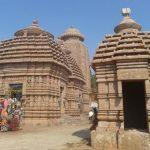
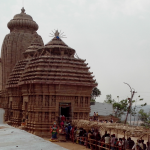
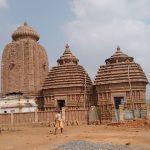
The temple stands as a masterpiece of Kalinga Architecture (a subset of Nagara style), distinct to the coastal Odisha region.
- The Temple Complex: Situated at an elevation of approximately 400 feet, the temple consists of two main shrines dedicated to the twin goddesses, flanked by a Yagna Vedi (sacrificial altar).
- The Shikhara: The Deul (tower) features the typical curvilinear tower of the Kalinga style, crowned by the Amalaka (ribbed disc) and the Kalasha (pot finial).
- The Mandapas: The Jagamohana (porch) is designed with intricate carvings of deities and floral motifs. The stone flooring reflects ancient Vastu Shastra principles, aligning the sanctum with the cardinal directions.
- Sculptures: The exterior walls display carvings of Dikpalas (guardians of directions) and scenes from Hindu epics. The idols of Tara and Tarini are unique; they are carved from a single dark blue stone and adorned with gold ornaments.
4. Darshan & Ritual Logistics
Devotees planning a visit in 2026 should note the seasonal variations in timings. The temple administration has digitized bookings for major rituals.
Daily Darshan Timings
| Session | Timings | Activity |
|---|---|---|
| Morning | 06:00 AM – 12:00 PM | Mangala Alati, Abhishekam |
| Afternoon | 12:00 PM – 03:00 PM | Bhoga Alati (Temple Closed) |
| Evening | 03:00 PM – 09:00 PM | Sandhya Alati, Pahada |
Key Sevas & Online Booking
- Abhishekam: Performed with milk, honey, and ghee. Booking via the official Odisha temple portal.
- Archana: Special Trishati Archana (reciting 300 names) is popular.
- Sankalpa Puja: For specific personal wishes.
Note: Online seva bookings open 30 days in advance. Visit the official Odisha government temple website for the 2026 booking link.
2026 Major Festival Dates
- Chaitra Mela (Chaitra Parva): April 14, 2026 – April 20, 2026 (The most significant annual festival).
- Navaratri: October 14, 2026 – October 22, 2026.
- Dusshera: October 22, 2026 (Vijayadashami).
- Kartika Purnima: November 15, 2026.
- Makar Sankranti: January 14, 2026.
📖 Related: Jagannath Temple Koraput: History, Darshan Timings & Guide
5. Practical Visitor Guidance
To ensure a peaceful darshan and respect for the sanctity of the shrine, please adhere to the following:
- Dress Code: Traditional Indian attire is mandatory. Men should wear Dhoti or formal trousers with a shirt; women are advised to wear Saree or Salwar Kameez. Avoid shorts and sleeveless tops.
- Photography & Electronics: Photography is strictly prohibited inside the inner sanctum (Garbhagriha). Mobile phones should be kept silent; lockers are available near the entrance for valuables.
- Accessibility: The temple is located on a hill. Steps lead from the base of Kumari Hill to the temple. For senior citizens, a vehicle route is available up to a certain point near the temple, but a short walk is required.
- Crowd Management:
- Best Time to Visit: Early morning (6:00 AM – 8:00 AM) or late evening (7:00 PM onwards).
- Seasonal Advice: During summer (May), the granite steps absorb heat; carry a water bottle. During the monsoon (July-September), bring rain gear as the hills are lush but slippery.
6. Pilgrimage Connectivity
How to Reach Taratarini Temple
The temple is located approximately 14 km from Brahmapur (Berhampur), the cultural capital of South Odisha.
- By Air: The nearest airport is Biju Patnaik International Airport in Bhubaneswar (approx. 170 km). Taxis and buses are available from Bhubaneswar to Brahmapur.
- By Rail: Brahmapur Railway Station (BERH) is the nearest major railhead. It is well-connected to cities like Kolkata, Hyderabad, and Bhubaneswar.
- By Road: The temple is directly accessible via National Highway 16 (NH 16) (part of the Golden Quadrilateral). From Brahmapur, state transport buses and auto-rickshaws frequently ply to Raipur (the base village).
📖 Related: Brahmeswara Temple, Bhubaneswar: History, Timings & Complete Guide
Nearby Sacred Sites (Pilgrimage Circuit)
- Gopalpur-on-Sea: A pristine beach located 18 km away, perfect for relaxation after the temple visit. It houses the famous Gopinath Temple.
- Thakurani Temple (Brahmapur): Located in the city, this is another significant Shakti shrine known for its vibrant festival.
- Maa Bhairavi Temple: Located near the base of Kumari Hill, often visited by devotees climbing the steps.
11_big, Taratarini Temple, Ganjam, Odisha
shareiq_1074_1436669367.239527, Taratarini Temple, Ganjam, Odisha
4tara-31-1472640696, Taratarini Temple, Ganjam, Odisha
Taratarini-Temple-2-Berhampur, Taratarini Temple, Ganjam, Odisha
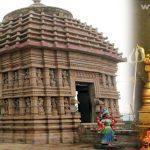
taratarini_l, Taratarini Temple, Ganjam, Odisha
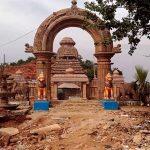
maxresdefault (61), Taratarini Temple, Ganjam, Odisha
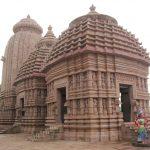
Taratarini_maa, Taratarini Temple, Ganjam, Odisha
7. Frequently Asked Questions (FAQ)
1. Is there a VIP darshan entry available?
Yes, the temple administration offers a ‘Special Darshan’ pass for senior citizens, physically disabled devotees, and a limited number of VIP tickets. These can be obtained at the counter near the hill base or requested via the online portal.
2. What is the significance of Tuesdays at Taratarini?
Tuesday is considered the day of Maa Tara. The temple attracts a large number of devotees on this day, and special rituals are performed. The belief is that worshipping Maa Tara on Tuesdays brings protection from evil forces.
3. Are there accommodation facilities available?
While there is no hotel directly inside the temple premises, the nearby town of Brahmapur offers a wide range of hotels and lodges. Additionally, the temple trust provides basic guest houses (Dharamshalas) in the nearby village of Raipur.
4. What is the historical origin of the name ‘Taratarini’?
The name is derived from the Goddesses Tara and Tarini. ‘Tara’ refers to the savior aspect, while ‘Tarini’ translates to ‘one who helps to cross’—referring to the ocean of worldly suffering (Samsara). The twin Goddesses are considered the presiding deities of the region.
5. Is non-vegetarian food allowed in the temple premises?
No, the entire temple complex, including the base of the hill, is strictly vegetarian. No alcohol or meat is permitted. Devotees usually carry fruits or vegetarian offerings (Prasad) which can be offered to the deity.