
Contents
Introduction & Spiritual Essence
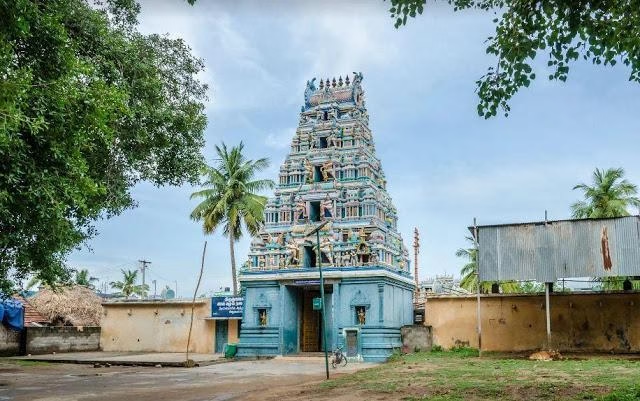
Nestled on the banks of the sacred Neevaa (Vellaru) river in Thirunelvayil Arathurai (also known as Thiruvattathurai), the Theerthapureeswarar Temple stands as a beacon of spiritual energy in the Cuddalore district of Tamil Nadu. Dedicated to Lord Shiva, this temple is revered as the 33rd Padal Petra Shiva Sthalam, glorified by the verses of the Nayanmars.
Primary Deity and Significance
The primary deity, Theerthapureeswarar (Swayambhu Lingam), represents the pure essence of holy water. The Goddess is known as Soundaranayagi (Abathamulaiamman). According to the Phalaśruti (scriptural benefits), devotees visit this temple to cleanse ancestral karma. It is specifically believed that worshipping here alleviates the malefic effects of planets (Graha Dosham), particularly Shani (Saturn) and Angaraka (Mars), and helps overcome the “Kala Sarpa Dosham.” The temple is also renowned for granting fame, recognition, and significant life changes, mirroring the legend of Saint Thirugnanasambanthar receiving his pearl palanquin here.
Historical Origins & Scriptural Legend
The Thurai Temples Connection
According to temple records and the Sthala Purana, the Saptha Rishis (seven sages) worshiped Lord Shiva here, and their fingerprints are still visible on the Lingam. This temple is part of a sacred network known as the Thurai Temples—seven temples situated on the banks of the Vellaru/Neevaa river where the sages performed penance. Theerthapureeswarar is the sixth in this series (Thiruvattathurai).
Legends of the Nayanmars and Sages
Saint Thirugnanasambanthar stayed at Maranpadi (Eraiyur) after visiting Pennaagadam. Exhausted, he received a divine vision to travel here. The Lord arranged for the local Vethiyars (Brahmins) to bring a Muthu Chivigai (pearl palanquin) and Muthu Kodai (pearl umbrella) to transport the saint. When the palanquin was brought to Kudalur to meet him, it miraculously moved by itself to bring the saint to the temple. It is here that Thirugnanasambanthar received the title of Acharyan.
Sage Vasishtar performed rigorous penance at this site. Pleased, Lord Shiva granted him the title of Raja Rishi (Royal Sage), which led to his appointment as the Guru for the royal dynasties of Chola, Chera, and Pandiya kingdoms. Additionally, it is believed that Sita’s father, King Janaka, and the Sun God (Surya) have worshiped the Lord here.
Architectural Marvels
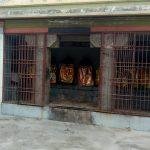
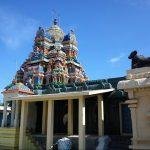
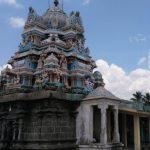
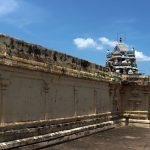
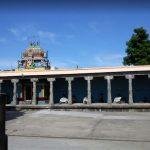
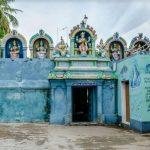
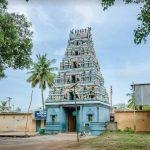
The temple showcases the grandeur of Dravidian architecture, built over a vast area of approximately 1.5 acres. It is designed according to Vastu Shastra, with the Agara Sthanam (North-East corner) being the exact place where the Nayanmars stood to praise the Lord.
Unique Features
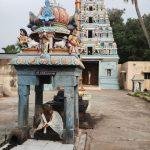
- The Nandhi: Unlike typical temples, the Nandhi (bull mount of Shiva) here is standing with its head turned towards the right side. Legend says this posture was to prevent floodwaters from the Neevaa river from entering the sanctum.
- The Swayambhu Lingam: The main deity is a natural formation believed to be touched and consecrated by Adishesha.
- Temple Tree: The Banyan tree (Ficus benghalensis) in the praharam represents the Maham Nakshatram (constellation), making this a significant pilgrimage site for those born under this star.
Darshan & Ritual Logistics
To ensure a seamless spiritual experience, devotees should note the following timings. Note that timings may vary slightly during festival seasons.
Daily Timings
| Session | Timing |
|---|---|
| Morning Darshan | 7:00 AM – 11:00 AM |
| Afternoon Break | 11:00 AM – 4:00 PM |
| Evening Darshan | 4:00 PM – 8:00 PM |
Key Sevas and 2026 Festivals
Devotees can perform Abhishekam (ritual bathing of the deity) and Archana (offering of sacred names). As of 2026, the temple follows the traditional Tamil calendar for festivals.
- Online Seva Booking: While the temple office handles most bookings on-site, devotees are advised to check the Cuddalore Temple Administration Committee website for any centralized online booking options introduced in 2026.
- Maha Shivarathri: February 26, 2026 (Phalguna, Krishna Chaturdashi).
- Brahmotsavam (Maasi Maham): February 20 – March 1, 2026 (Tamil Month Maasi). This is the most significant festival, celebrating the celestial wedding of the Lord.
- Pradosham: Occurs twice monthly; the evening darshan is extended on these days.
Practical Visitor Guidance
Dress Code and Etiquette
Visitors are required to wear traditional attire. Men should wear Dhoti or Pants with a shirt, and women should wear Saree, Half-Saree, or Salwar Kameez. Western attire like shorts and t-shirts is strictly prohibited inside the sanctum.
Facilities
- Mobile Lockers: A facility for depositing mobile phones and electronic devices is available at the entrance. Photography is restricted in the inner praharam.
- Accessibility: The temple has a flat entry, making it accessible for elderly devotees. However, the inner sanctum requires climbing a few steps.
- Crowd Management: Weekends and Pradosham days witness high crowds. The best time for a peaceful darshan is Tuesday or Friday mornings between 8:00 AM and 9:00 AM.
- Seasonal Advice: In May and June, the temperature in Cuddalore rises significantly; carry a water bottle and cover your head while queuing.
Pilgrimage Connectivity
How to Reach
The temple is located in Thiruvattathurai Post, Thittakudi Taluk. It is situated on the Pennadam to Thittakudi route.
- By Road: Take National Highway 45 (NH 45). From Thozhuthur, take the diversion towards Thittakudi. The temple is 1 km from the Kodikkalam Bus Stop.
- Nearest Railway Station: Pennadam (9 km) and Eachangadu (7 km).
- Nearest Airport: Puducherry (approx. 110 km) and Chennai (approx. 238 km).
Nearby Sacred Sites
Extend your pilgrimage by visiting these nearby temples:
- Thiruvathittathurai (Thittakudi): The 5th in the Thurai series, located just 10 km away.
- Aduthurai (Kattumannarkoil): The 4th in the series, famous for the Kashi Viswanathar temple.
- Thirumaanthurai: Another holy site in the Thurai complex, located near Komarapalayam.
Frequently Asked Questions (FAQ)
1. Is there a VIP Darshan entry at Theerthapureeswarar Temple?
Currently, the temple does not have a designated VIP entry gate like larger shrines in Madurai or Tirupati. Darshan is general, but elderly and differently-abled devotees are given priority assistance by the temple staff.
2. What is the significance of the name ‘Arathurai’?
The name derives from Aravatturai, meaning ‘serpent’ (Adi Sesha) and ‘Lord’ (Iswarar). It signifies that Adi Sesha himself worshiped the Lord here, transforming the place into a holy abode.
3. Can I perform Rudra Abhishekam?
Yes, Rudra Abhishekam is performed regularly, especially during Pradosham. It is recommended to book this at least one day in advance by contacting the temple office at +91 4143 246 467 / 246 303.
4. Are there accommodation facilities near the temple?
Basic guest houses are available in Thittakudi (10 km) and Pennadam (9 km). For better amenities, devotees can stay in Chidambaram (67 km) or Cuddalore (85 km).
5. Which railway station is better for this temple?
Pennadam railway station (9 km) is the closest, but it has limited trains. Eachangadu (7 km) is also nearby. For better connectivity, Virudhachalam (25 km) is a major junction with frequent trains from Chennai and Tiruchirapalli.
Recent Posts

ओ सांवरे तूने ही मुझको संभाला – Lyrics & Meaning
ओ सांवरे तूने ही मुझको संभाला – A Prayer to Shyam Origin & Spiritual Essence Why This Bhajan Resonates Devotees chant this when overwhelmed by life’s storms—the refrain ‘तूने ही मुझको संभाला’ is the soul’s sigh of relief: “You…

कथा ये है महाराज मेरे की – Lyrics & Meaning
कथा ये है महाराज मेरे की छत्रपति संभाजी महाराज – A Prayer to Chhatrapati Sambhaji Maharaj Origin & Spiritual Essence Why This Bhajan Resonates Devotees chant this when their spirit feels tested—its powerful refrain “महाराज मेरे” is a soul’s…

Rigveda Samhita Yathartha Anuvada (ऋग्वेद संहिता यथार्थ अनुवाद) – Complete Set with Anvayartha & Hindi/English Translation
The Rigveda is the oldest surviving scripture of humanity and the foundational text of Sanātana Dharma. For serious students, scholars, UPSC aspirants studying ancient Indian history, Sanskrit learners, and spiritual seekers, a precise and grammatically structured translation is indispensable.…

आना भी अकेला है जाना भी अकेला है – Lyrics & Meaning | BharatTemples
आना भी अकेला है जाना भी अकेला है – A Prayer to the Divine Witness Origin & Spiritual Essence Why This Bhajan Resonates Devotees turn to this bhajan in moments of deep reflection—when life’s attachments begin to ache. The…

माता शेरावाली के द्वार जो भी जाता है – Lyrics & Meaning
माता शेरावाली के द्वार जो भी जाता है – A Prayer to Maa Sherawali Origin & Spiritual Essence Why This Bhajan Resonates Devotees turn to this bhajan in times of fear or uncertainty—its promise that no one leaves Maa’s…

मार लेना सपणी उबार लेणा भवरा – Lyrics & Meaning
मार लेना सपणी उबार लेणा भवरा – A Prayer to the Divine Beloved Origin & Spiritual Essence Why This Bhajan Resonates Devotees chant this in moments of deep vulnerability—its cry of “मार लेना सपणी, उबार लेणा भवरा” is the…

हमें श्याम सुंदर भरोसा तुम्हारा – Lyrics & Meaning
हमें श्याम सुंदर भरोसा तुम्हारा – A Prayer to Shyam Sundar Origin & Spiritual Essence Why This Bhajan Resonates Devotees chant this when feeling alone—its refrain ‘de do sahara’ is the soul’s cry for divine support. Lyrics in Hindi…

Mere Satguru Ne Di Thi Davai Lyrics in Hindi & Meaning
Mere Satguru Ne Di Thi Davai: Invoking the Guru’s Liberating Wisdom This soul-stirring bhajan venerates the Satguru (True Spiritual Master) as the divine physician who dispenses the only remedy for life’s deepest sufferings. Composed by Sant Karmaveer Tufani, it…

Janm Diyo Thari Maa Dukh Dekhiyo Lyrics in Hindi & Meaning
जन्म दियो थारी माँ दुख देखियो (Maa’s Grief Upon Birthing You) This soul-stirring Chetavani Bhajan (admonitory hymn) is addressed to the Divine Mother (Maa) – a call for repentance when children forget their filial duties in the dark age…
Bhadi Sabha Mein Thane Manaun Lyrics in Hindi & Meaning
Bhadi Sabha Mein Thane Manaun: Invoking the Spear-Wielding Mother Mata Bhawani (श्री ज्वाला भवानी), the fiery manifestation of Shakti worshipped as the Protector of Dharma in Her Dhaulagarh sanctum. Origin & Spiritual Essence Composed in Rajasthani folk tradition by…