
Contents
1. Introduction & Spiritual Essence
Nestled in the serene village of Vellur near Musiri in the Trichy district, the Thirukameeswarar Temple stands as a timeless testament to divine love and devotion. The presiding deity, Thirukameeswarar (Lord Shiva), is revered as the master of all desires (Kama). The consort, Shivakamasundari (Mother Parvathi), embodies celestial beauty.
Phalaśruti (Spiritual Benefits): Devotees visit this sacred shrine to seek blessings for the fulfillment of righteous desires, relief from prolonged obstacles in marriage and career, and the cleansing of ancestral karma. It is a powerful site for performing rites for departed souls, ensuring peace for the Pitrs (ancestors).
2. Historical Origins & Scriptural Legend
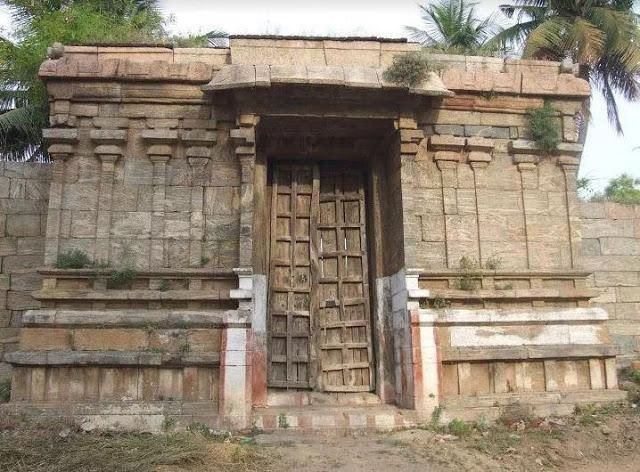
While specific inscriptions regarding the dynastic builder are currently under archival verification, the temple’s architecture suggests a rich legacy spanning several centuries, likely developed during the Nayak period similar to other Trichy region temples.
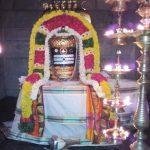
The Legend of Mahalakshmi: The primary Sthala Purana (local oral tradition) recounts a celestial event where Goddess Mahalakshmi (the deity of wealth) performed severe penance to unite with Lord Shiva. Upon the successful completion of her austerities, Lord Shiva appeared before her. In a moment of profound devotion, Mahalakshmi is believed to have created the Shiva Lingam herself out of divine sand and worshipped it.
According to temple records, this Swayambhu (self-manifested) form of the Lingam remains the central deity today. Tradition holds that Lord Indra later built the temple structure around this sacred spot to honor this divine union.
3. Architectural Marvels
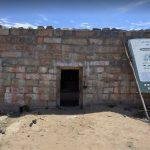
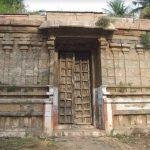
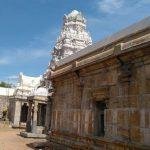
The temple exemplifies the grandeur of Dravidian Architecture. It is fortified by a high compound wall with a commanding Rajagopuram (gateway tower).
- Sanctum Sanctorum: The inner prakaram (corridor) houses the main deity facing East. Uniquely, Lord Brahma (creator) is enshrined within the sanctum along with Lord Shiva.
- Niche Idols: The walls surrounding the sanctum feature exquisite niche sculptures (Alcoves) depicting Dhakshina Moorthy (Dhyana Shiva), Mahavishnu, Brahma, and Vishnu Durga.
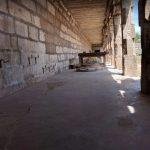
- Sculptural Highlights: The temple corridors feature rare sculptures depicting Musukundha (a devotee) worshipping Shiva and Manmadan (Cupid) & Rathi praying to Shiva, showcasing the artistic splendor of yesteryears.
- Mother’s Shrine: Goddess Shivakamasundari resides in a separate south-facing shrine, designed with intricate Vastu Shastra alignments to attract prosperity.
4. Darshan & Ritual Logistics
To facilitate a smooth pilgrimage, devotees are advised to plan their visit during the designated opening hours. Note that timings may vary during festival seasons.
Daily Timings
| Session | Timings |
|---|---|
| Morning | 09:00 AM – 11:00 AM |
| Evening | 06:00 PM – 07:30 PM |
Key Sevas (Rituals)
The following sevas are traditionally performed here. (Note: Online booking availability should be verified via the Tamil Nadu HR&CE official website prior to travel).
- Abhishekam: Ritual bathing of the Shiva Lingam with holy waters, milk, and honey. Best performed on Mondays and Pradosham.
- Archana: Chanting of hymns and offering of flowers.
- Rudra Abhishekam: A potent Vedic ritual for overall well-being.
2026 Festival Dates (Tentative)
Plan your visit to coincide with these major celebrations:
- Maha Shivaratri: February 26, 2026 (Special Night Darshan).
- Arudra Darshanam: January 4, 2026 (Celebrating Nataraja).
- Pradosham: Monthly (13th day of Lunar cycle) – Morning and Evening special.
- Annabhishekam: October 2026 (During Tamil month of Aippasi).
Photo Gallery



5. Practical Visitor Guidance
To ensure a respectful and hassle-free darshan, please adhere to the following guidelines:
- Dress Code: Traditional attire is mandatory. Men should wear Veshti (dhoti) or formal pants with a shirt, and women should wear saree or salwar kameez. Avoid shorts and sleeveless tops.
- Photography: Photography is generally restricted inside the inner sanctum. Please seek permission from temple authorities for courtyard photography.
- Crowd Management:
- Best Hours: Weekday mornings (9 AM – 10 AM) offer the least crowded darshan.
- Seasonal Advice: Summers (April–June) in Trichy are hot; carry a water bottle and an umbrella. Monsoons (Nov–Dec) are pleasant but check for road conditions.
- Mobile Lockers: Small personal items are allowed, but large bags may need to be left at the counter (if available) or in your vehicle.
6. Pilgrimage Connectivity
The temple is strategically located on the Trichy-Salem transport corridor.
How to Reach
- By Road: Located off the NH544 (formerly NH7). It is 37 km from Trichy and 7 km from Musiri.
- By Train: The nearest railway junction is Kulithalai (14 km). Trichy Central Junction is 37 km away.
- By Air: Trichy International Airport (TrZ) is approximately 42 km away via NH544.
Nearby Sacred Sites (Pilgrimage Circuit)
Extend your spiritual journey with these nearby temples:
- Gunaseelam Prasanna Venkateswara Temple: (11 km) A famous Vishnu temple known for granting wishes.
- Kulithalai Kadambar Temple: (14 km) A unique temple where the Goddess is taller than the deity.
- Srirangam Ranganathaswamy Temple: (30 km) One of the largest active temple complexes in the world.
7. Frequently Asked Questions (FAQ)
Is there a VIP darshan entry?
As a village temple managed by the HR&CE department, there is no specific VIP entry. However, devotees can consult the temple executive officer for priority access during specific Seva slots.
Are there accommodation facilities near the temple?
The temple itself does not have a guest house. However, basic lodgings are available in Musiri and Kulithalai. For better amenities, Trichy city offers numerous hotels.
What is the significance of Brahma in this temple?
Unlike many Shiva temples where Brahma is not present, Thirukameeswarar temple houses a shrine for Lord Brahma within the sanctum, symbolizing the creator aspect of the Trimurti alongside Shiva.
Is non-vegetarian food allowed?
No. The temple premises and the village of Vellur are strictly vegetarian zones. Alcohol and non-vegetarian food are prohibited.
What is the historical evidence available here?
While the current structure appears to be from the Nayak era, the idol placement and the Sthala Purana date back to a much older period, potentially the Chola era, indicated by the style of the Nandhi.
Recent Posts

Shri Kaamkoteeshwar Mandir, Varanasi – History & Significance
In the heart of Kashi, the eternal city of Lord Shiva, where the Ganges flows with celestial grace, stands the Shri Kaamkoteeshwar Mandir. This sacred Sannidhi is not merely a temple but a profound spiritual bridge between the Northern…

ओ सांवरे तूने ही मुझको संभाला – Lyrics & Meaning
ओ सांवरे तूने ही मुझको संभाला – A Prayer to Shyam Origin & Spiritual Essence Why This Bhajan Resonates Devotees chant this when overwhelmed by life’s storms—the refrain ‘तूने ही मुझको संभाला’ is the soul’s sigh of relief: “You…

कथा ये है महाराज मेरे की – Lyrics & Meaning
कथा ये है महाराज मेरे की छत्रपति संभाजी महाराज – A Prayer to Chhatrapati Sambhaji Maharaj Origin & Spiritual Essence Why This Bhajan Resonates Devotees chant this when their spirit feels tested—its powerful refrain “महाराज मेरे” is a soul’s…

Rigveda Samhita Yathartha Anuvada (ऋग्वेद संहिता यथार्थ अनुवाद) – Complete Set with Anvayartha & Hindi/English Translation
The Rigveda is the oldest surviving scripture of humanity and the foundational text of Sanātana Dharma. For serious students, scholars, UPSC aspirants studying ancient Indian history, Sanskrit learners, and spiritual seekers, a precise and grammatically structured translation is indispensable.…

आना भी अकेला है जाना भी अकेला है – Lyrics & Meaning | BharatTemples
आना भी अकेला है जाना भी अकेला है – A Prayer to the Divine Witness Origin & Spiritual Essence Why This Bhajan Resonates Devotees turn to this bhajan in moments of deep reflection—when life’s attachments begin to ache. The…

माता शेरावाली के द्वार जो भी जाता है – Lyrics & Meaning
माता शेरावाली के द्वार जो भी जाता है – A Prayer to Maa Sherawali Origin & Spiritual Essence Why This Bhajan Resonates Devotees turn to this bhajan in times of fear or uncertainty—its promise that no one leaves Maa’s…

मार लेना सपणी उबार लेणा भवरा – Lyrics & Meaning
मार लेना सपणी उबार लेणा भवरा – A Prayer to the Divine Beloved Origin & Spiritual Essence Why This Bhajan Resonates Devotees chant this in moments of deep vulnerability—its cry of “मार लेना सपणी, उबार लेणा भवरा” is the…

हमें श्याम सुंदर भरोसा तुम्हारा – Lyrics & Meaning
हमें श्याम सुंदर भरोसा तुम्हारा – A Prayer to Shyam Sundar Origin & Spiritual Essence Why This Bhajan Resonates Devotees chant this when feeling alone—its refrain ‘de do sahara’ is the soul’s cry for divine support. Lyrics in Hindi…

Mere Satguru Ne Di Thi Davai Lyrics in Hindi & Meaning
Mere Satguru Ne Di Thi Davai: Invoking the Guru’s Liberating Wisdom This soul-stirring bhajan venerates the Satguru (True Spiritual Master) as the divine physician who dispenses the only remedy for life’s deepest sufferings. Composed by Sant Karmaveer Tufani, it…

Janm Diyo Thari Maa Dukh Dekhiyo Lyrics in Hindi & Meaning
जन्म दियो थारी माँ दुख देखियो (Maa’s Grief Upon Birthing You) This soul-stirring Chetavani Bhajan (admonitory hymn) is addressed to the Divine Mother (Maa) – a call for repentance when children forget their filial duties in the dark age…