Thirukkadigai Temple, Sholinghur: History, Darshan Timings & Complete Guide
Receive daily temple updates, divine darshan, and morning bhajans directly on WhatsApp.
Contents
- 1 1. Introduction & Spiritual Essence
- 2 2. Historical Origins & Scriptural Legend
- 3 3. Architectural Marvels
- 4 4. Darshan & Ritual Logistics
- 5 5. Practical Visitor Guidance
- 6 6. Pilgrimage Connectivity
- 7 7. Frequently Asked Questions (FAQs)
Note: The following guide is crafted with devotion for the pilgrims visiting the sacred Thirukkadigai Divyadesam. While temple renovations may occur, the spiritual significance remains eternal.
1. Introduction & Spiritual Essence
Located in the Vellore district of Tamil Nadu, the Thirukkadigai Temple, popularly known as Sholinghur, is a unique Divya Desam dedicated to Lord Vishnu. Unlike most temples, this shrine is a complex of three distinct temples: the Adhikesava Perumal Temple (Town Temple), the Yoga Narasimha Swamy Temple (Big Hill/Periya Malai), and the Yoga Anjaneyar Temple (Small Hill/Chinna Malai).
The primary deity, Yoga Narasimha Swamy, is worshipped in a serene, meditative (Yoga) posture, a rare form where the Lord is calm and peaceful after the Narasimha avatar. The presiding goddess is Amritabalavalli Thaayar.
Phalaśruti: Why Devotees Visit
- Mental Peace & Cures: It is strongly believed that a stay here for just 24 minutes (one Kadigai) can cleanse mental instability, relieve stress, and cure chronic ailments.
- Ancestral Karma: Performing rites here is considered more effective than Gaya, relieving ancestors of the “Brahmahatti” sin.
- Salvation (Moksha): Circumambulating the hills (Girivalam) and spending time in the hill sanctums grants salvation.
- Fulfillment of Wishes: Devotees believe that Lord Narasimha appears in dreams to resolve conjugal issues, business losses, and marriage impediments.
📖 Related: Sakthimutreeswarar Temple History, Darshan Timings & Complete Guide
2. Historical Origins & Scriptural Legend
Scriptural Significance
Thirukkadigai is glorified in the Divya Prabandha, the early medieval Tamil canon of the Alvar saints (6th–9th centuries AD). The Bhrama Puranam refers to this shrine as Katikachalam and Chintamani. It is also called Vada Tiruvarangam.
Local Legend (Sthala Purana)
The Origin of the Name: The name “Kadigai” is rooted in a celestial legend. It is said that Sage Viswamithra achieved the status of a Brahma Rishi by meditating here for exactly one “Kadigai” (a unit of time equivalent to 24 minutes). Thus, spending this duration at the temple is said to lead to liberation.
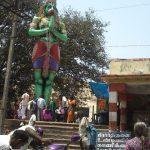
The Anjaneya Connection: Unlike other temples, Thirukkadigai is the only Divya Desam with Lord Anjaneya (Hanuman) as a primary deity. Legend states that after slaying Ravana, Lord Rama directed Anjaneya to stay here to protect the Saptharishis from demons Kalan and Keyan. Rama gave Anjaneya his conch (Shanku) and discus (Chakra), blessing him with a four-armed form.
Narasimha Avatar: It is believed that Lord Narasimha came to this peaceful hill after slaying the demon Hiranya to calm his ferocity. Here, he gave darshan to his devotee Prahalada in his Yoga posture.
3. Architectural Marvels
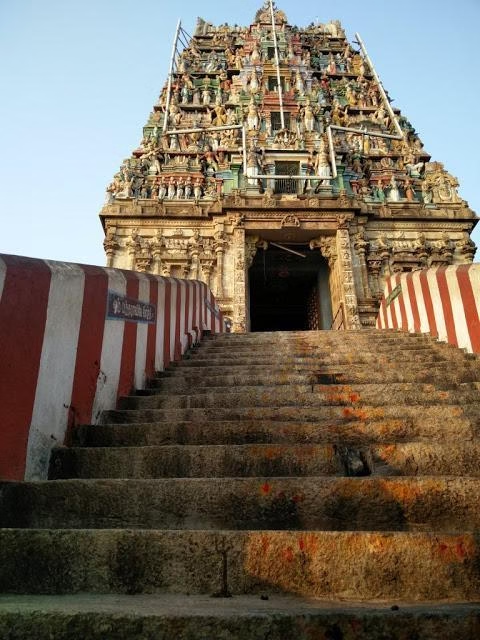
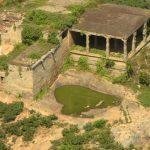
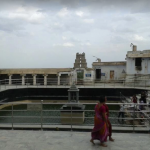
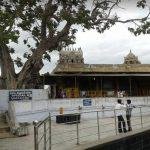
The temple is a masterpiece of the Dravidian style of architecture. A granite wall surrounds the complex, enclosing shrines on the hills.
Hill Temples
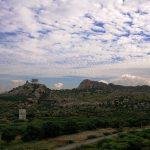
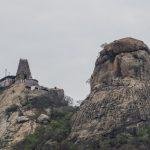
- Big Hill (Periya Malai): Rising approximately 750 feet, this hill houses the Yoga Narasimha Swamy temple. The summit features a five-tiered Rajagopuram that welcomes pilgrims.
- Small Hill (Chinna Malai): Located 350 feet high, this houses the Yoga Anjaneyar temple.
Unique Vastu Feature: A notable architectural feature is the small window in the Big Hill sanctum. Through this window, Lord Narasimha provides darshan to Lord Anjaneya on the Small Hill facing East. This alignment represents a perpetual connection between the Master and the Servitor.
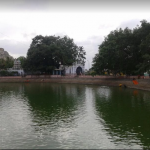
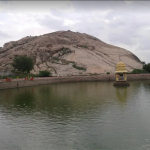
The temple tank, Chakra Theertham (also known as Narsimha pond), is located at the foothills and is central to the purification rituals.
bhaktha, Thirukkadigai Temple, Sholinghur, Vellore
Sholingar_(16), Thirukkadigai Temple, Sholinghur, Vellore
Sholingar_(19), Thirukkadigai Temple, Sholinghur, Vellore
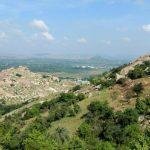
2017-07fe-10 (6), Thirukkadigai Temple, Sholinghur, Vellore
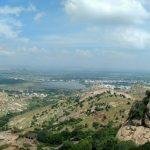
2017-07-vd10 (3), Thirukkadigai Temple, Sholinghur, Vellore
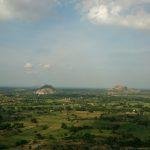
201c7-08-30, Thirukkadigai Temple, Sholinghur, Vellore
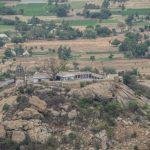
2017-06-08, Thirukkadigai Temple, Sholinghur, Vellore
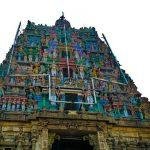
2016-03-2tt0 (1), Thirukkadigai Temple, Sholinghur, Vellore
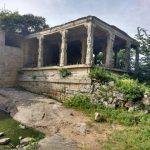
2016-1dghj0-09, Thirukkadigai Temple, Sholinghur, Vellore
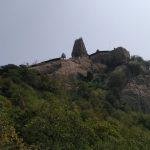
2017-02-23, Thirukkadigai Temple, Sholinghur, Vellore
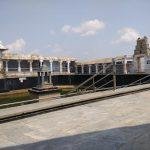
2017-03-16, Thirukkadigai Temple, Sholinghur, Vellore
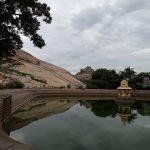
2017-07-fd13 (1), Thirukkadigai Temple, Sholinghur, Vellore
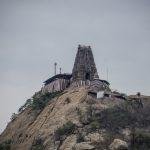
2017-06-08 (4), Thirukkadigai Temple, Sholinghur, Vellore
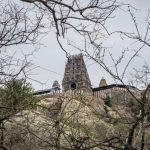
2017-06-08 (1), Thirukkadigai Temple, Sholinghur, Vellore
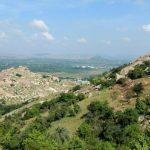
2017-07-fgf10 (6), Thirukkadigai Temple, Sholinghur, Vellore
53647765, Thirukkadigai Temple, Sholinghur, Vellore
62335730, Thirukkadigai Temple, Sholinghur, Vellore
435236564, Thirukkadigai Temple, Sholinghur, Vellore
456543634, Thirukkadigai Temple, Sholinghur, Vellore
65376576768, Thirukkadigai Temple, Sholinghur, Vellore
8290527125_39677f797d_b, Thirukkadigai Temple, Sholinghur, Vellore
dsc_3198, Thirukkadigai Temple, Sholinghur, Vellore
dsc_3285, Thirukkadigai Temple, Sholinghur, Vellore
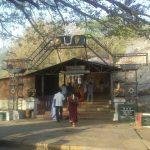
dsc_3178, Thirukkadigai Temple, Sholinghur, Vellore
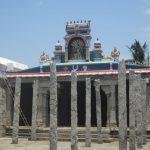
IMG_2611, Thirukkadigai Temple, Sholinghur, Vellore
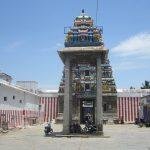
IMG_2621, Thirukkadigai Temple, Sholinghur, Vellore
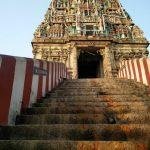
2017-04-12 (3), Thirukkadigai Temple, Sholinghur, Vellore
htutuytyt, Thirukkadigai Temple, Sholinghur, Vellore
4. Darshan & Ritual Logistics
The temple is administered by the Hindu Religious and Endowment Board of the Government of Tamil Nadu. The rituals follow the Thenkalai tradition of worship.
📖 Related: Kapaleeshwarar Temple Chennai: History, Darshan Timings & Guide 2026
Daily Temple Timings
Timings are subject to change during festival days.
| Session | Timing |
|---|---|
| Morning Opening | 6:00 AM |
| Morning Darshan Break | 12:00 PM – 3:30 PM |
| Evening Opening | 3:30 PM |
| Night Closing | 8:30 PM |
Key Sevas & Online Booking
Devotees can perform various Sevas for the Lord and Goddess. Key offerings include Abhishekam (using Panchamritham), Archana, and Thirumanjanam.
Special 2026 Festivals:
- Narasimha Jayanti: May 9, 2026
- Brahmotsavam (Chittirai Month): April 15 – April 25, 2026
- Karthikai Deepam: November 5, 2026
Booking Process: While the original source mentions offline bookings, for 2026, devotees are advised to check the Tamil Nadu HR&CE official website for the “Sholinghur Yoga Narasimha Swamy Temple” online booking portal. The “Prarthana Utsavam” is held every Friday at 7:00 AM.
5. Practical Visitor Guidance
Dress Code & Rules
- Dress Code: Traditional attire is mandatory. Men should wear Dhoti or Pants with a shirt; Women should wear Saree, Half-Saree, or Churidar.
- Photography: Strictly prohibited inside the sanctum sanctorum.
- Lockers: Mobile phone storage and footwear facilities are available at the foothills.
Crowd Management & Seasons
- Best Hours: 6:00 AM – 8:00 AM for a peaceful darshan. Avoid Sunday evenings.
- Summer (March – June): The climb can be arduous. Carry plenty of water, as the granite steps heat up significantly. Morning visits are strictly recommended.
- Monsoon: The hill can be slippery; exercise caution while climbing.
Accessibility
While the Town Temple is accessible by vehicle, the Hill Temples require climbing steps. A Palanquin (Doli) service is sometimes available for elderly devotees, arranged at the foothills for a nominal fee, subject to availability.
6. Pilgrimage Connectivity
Sholinghur is located approximately 55 km from Vellore and 117 km from Chennai.
How to Reach
- By Road: The temple is 3 km from Sholinghur Bus Station. NH-61 (formerly SH-61) connects Arakkonam to Walajah, providing excellent access. Direct buses are available from Chennai, Vellore, and Kanchipuram.
- By Train: The nearest railway station is Sholinghur Station (17 km). Alternatively, one can take a train to Arakkonam Junction (30 km) and take a bus or auto.
- By Air: The nearest airports are Chennai International Airport (MAA) (approx. 120 km) and Tirupati Airport (TIR) (approx. 90 km).
📖 Related: Valli Temple, Palani: Legend, Darshan Timings & Complete Pilgrimage Guide
Nearby Sacred Sites (Pilgrimage Circuit)
- Adikesava Perumal Temple (Sholinghur Town): Located at the base of the hills, this is the third temple in the complex housing Lord Ranganatha.
- Kanchipuram Varadaraja Perumal Temple: Located 65 km away, famous for the annual Garuda Sevai connecting to the legend of Dodda Acharya.
- Thiruthani Murugan Temple: Located 27 km away, one of the six abodes of Lord Muruga.
7. Frequently Asked Questions (FAQs)
Is there a VIP darshan entry at Sholinghur Temple?
Yes, the temple allows special entry darshan for elderly devotees and those with medical conditions. However, VIP darshan is restricted to specific government officials and religious dignitaries. Regular devotees can purchase a special ticket for quick entry during non-peak hours.
What is the significance of Girivalam at Sholinghur?
Girivalam is the circumambulation of the hills. In Sholinghur, devotees perform Girivalam on Pournami (Full Moon) days. Lying flat on the steps as a form of penance is a common practice observed by devotees seeking relief from afflictions.
How much time is needed to explore all three temples?
Plan for at least 3 to 4 hours. This includes parking, visiting the Town Temple, climbing the Big Hill (approx. 30-40 minutes), climbing the Small Hill (approx. 15-20 minutes), and returning.
Are there accommodation facilities at Sholinghur?
Basic guest houses and choultries are available in Sholinghur town, managed by the H&RE board. For better amenities, Kanchipuram or Arakkonam are recommended nearby options. Booking should be done in advance during festivals.
Can I visit if I am non-vegetarian?
While there is no strict surveillance, all temples in Tamil Nadu are strictly vegetarian zones. Devotees are expected to abstain from non-vegetarian food while visiting the temple premises. Alcohol and smoking are prohibited.