
Contents
- 1 Thiruvankaranai Pattabhiramar Temple: A Definitive Pilgrimage Guide
Thiruvankaranai Pattabhiramar Temple: A Definitive Pilgrimage Guide
Welcome to the spiritual heart of Kanchipuram district. This guide provides an authoritative yet devotional overview of the Thiruvankaranai Pattabhiramar Temple, a sacred abode of Lord Vishnu. For devotees planning a visit in 2026, this guide covers the temple’s spiritual significance, architectural beauty, and essential logistics.
Introduction & Spiritual Essence
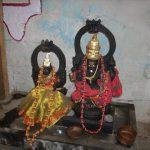
Located in the historic village of Thiruvankaranai (approx. 10km from Kanchipuram center), this temple is a spiritual gem dedicated to Lord Vishnu. The primary deity is worshipped as Pattabhiramar (Lord Rama wearing the Patram/Flag of Kingship) alongside his consort Sita Devi and his brother Lakshmana.
The Deity & Form
- Primary Deity: Pattabhiramar (A form of Lord Rama).
- Utsavar (Procession Deity): Prasanna Raghava Narasimhar.
- Nature: Archival Vigraham (a historic idol), revered for its ancient lineage estimated over 400 years.
Phalaśruti: Spiritual Benefits
According to Hindu scriptures, worshipping Pattabhiramar is believed to bestow specific blessings:
- Dharmic Living: Grants the devotee the ability to follow a righteous path.
- Ancestral Peace: It is a significant site for performing rituals to honor ancestors and cleanse ancestral karma.
- Victory (Jaya): As Lord Rama is the conqueror of evil, devotees seek his blessings for overcoming obstacles in life.
Historical Origins & Scriptural Legend
While the exact construction date is not inscribed on the primary structure, temple records and oral tradition place the origin of the current idol and sanctum approximately 400 years ago, likely dating back to the Nayak or Vijayanagara period influence in the region.
Local Legend (Sthala Purana)
The village name “Thiruvankaranai” itself holds etymological significance. Local lore suggests that this area was a dense forest (Kaadu) where sages performed intense penance to invoke Lord Vishnu. The Lord appeared as Rama (Pattabhiramar) to grant their boons. The term “Karanai” often relates to a boundary or a coastal area, but in this agrarian context, it signifies the lush vegetation surrounding the divine presence.
Renovations
The temple underwent a significant renovation recently to restore the intricate carvings and structural integrity, ensuring the sanctity of the space is preserved for future generations.
Architectural Marvels
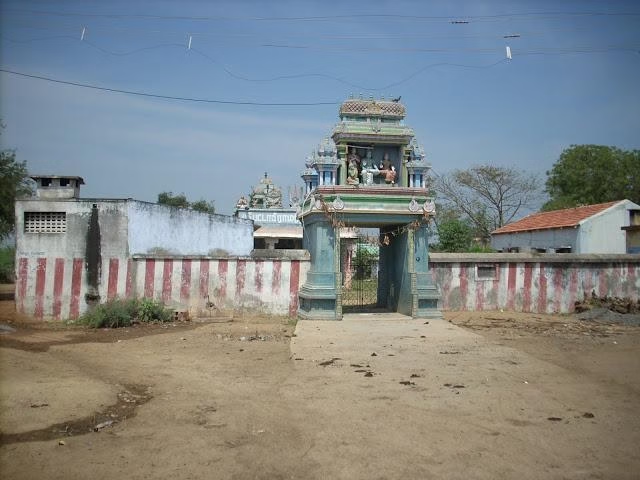
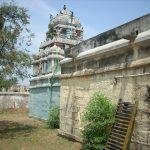
The temple is a fine example of Dravidian Architecture, characterized by its towering Gopurams (gateway towers) and intricate stonework.
Vastu Shastra & Layout
Adhering to Vastu principles, the temple is oriented East-West. The Garbhagriha (sanctum sanctorum) is positioned to receive the first rays of the sun during the equinoxes.
Key Features
- The Main Shrine: Depicts Pattabhiramar in a standing posture, exuding a serene yet commanding aura.
- Shikhara: The temple tower follows the Dravida style, capped by a Stupi (finial).
- Mandapas: The Maha Mandapa features stone pillars carved with depictions from the Ramayana and the Dasavataram (10 incarnations of Vishnu).
- Niche Sculptures: Detailed carvings of celestial beings (Devatas) and mythical creatures (Yalis).
- Special Shrines: A dedicated sanctum for Anjaneya (Hanuman) and the Azhwar saints is located in the outer corridor (Prakaram).
Darshan & Ritual Logistics (2026)
To ensure a seamless spiritual experience, we have compiled the daily schedule and major festival dates for 2026.
Daily Timings
| Session | Timing | Activity |
|---|---|---|
| Morning | 6:00 AM – 12:00 PM | Opening, Suprabhatam, Abhishekam, Alankaram |
| Afternoon | 12:00 PM – 4:00 PM | Temple Closure (Rest period for the Deity) |
| Evening | 4:00 PM – 8:30 PM | Darshan, Deeparadhana, Palliyarai Pooja |
Seva Booking & Offerings
While this is a local temple, standard rituals are available. For specific Sevas like Abhishekam (sacred bathing of the idol) or Archana (recitation of names), devotees can contact the temple administration directly at the number provided below. Many regional temples are adopting online portals; however, for Thiruvankaranai, it is recommended to call ahead or visit the temple office.
2026 Festival Calendar
- Rama Navami: April 6, 2026
- Ardra Darshanam: June 24, 2026
- Krishna Jayanthi: September 5, 2026
- Karthikai Deepam: November 6, 2026
- Masi Peruvizha: February 19 – March 19, 2026 (Special procession of Kanchi Varadaraja Perumal visiting this temple is a highlight).
Practical Visitor Guidance
To respect the sanctity of the temple and ensure a comfortable visit, please adhere to the following guidelines.
Dress Code & Etiquette
- Attire: Traditional Indian wear is recommended. Men should wear dhotis or formal trousers with shirts; women should wear sarees, salwar kameez, or long skirts.
- Restrictions: Shorts, sleeveless tops, and tight-fitting clothing are discouraged inside the sanctum.
- Photography: Photography is allowed in the outer corridors (Prakaram) and Mandapas. However, strictly prohibited inside the Garbhagriha (Sanctum Sanctorum).
Crowd Management & Seasonal Advice
- Best Time to Visit: Early mornings (6:00 AM – 8:00 AM) or late evenings (6:00 PM – 8:00 PM) offer the most peaceful Darshan.
- Summer (April – June): Kanchipuram can be hot. Carry a water bottle, an umbrella, and a hand fan.
- Monsoon (October – November): The temple floors may be slippery; wear rubber-soled sandals.
Accessibility
The temple complex is on ground level. While the Mandapas are accessible, there may be a few steps to the sanctum. It is advisable for elderly visitors to utilize the side railings.
Pilgrimage Connectivity
How to Reach
Address: Thiruvankaranai Village, Kanchipuram District, Tamil Nadu.
- By Road: The temple is located on the Kanchipuram – Sunguvar Chathiram Road (SH-58). From Kanchipuram bus stand, you can take Bus No. 76 or 160. Private taxis and auto-rickshaws are also available.
- By Rail: The nearest railway junction is Kanchipuram Railway Station (approx. 10 km).
- By Air: Chennai International Airport (MAA) is the nearest airport (approx. 70 km). From there, take a cab to Kanchipuram.
Nearby Sacred Sites (Pilgrimage Circuit)
Extend your spiritual journey by visiting these nearby temples:
- Varadharaja Perumal Temple (Kanchipuram): One of the 108 Divya Desams, located just a short drive away.
- Ekambareswarar Temple: A massive Shiva temple complex in Kanchipuram.
- Uthira Merur: Famous for the Chakrapani Temple and ancient Vishnu temples.
Photo Gallery
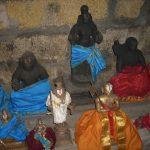
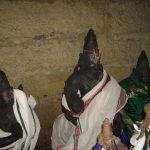
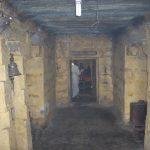
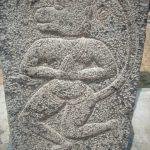
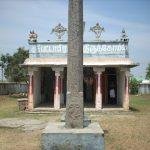
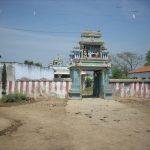
Frequently Asked Questions (FAQ)
1. Is there a VIP darshan entry available?
As this is a local heritage temple, VIP darshan facilities are not formally designated. However, visiting during non-peak hours (early morning or post-noon) provides a quick and peaceful darshan.
2. What is the difference between Pattabhiramar and Rama?
While both represent Lord Rama, “Pattabhiramar” specifically refers to the form of Rama as the king (Rajadhiraja) wearing the royal insignia, symbolizing his rule and sovereignty, whereas other forms might depict him as a hermit or exile.
3. Are there accommodation facilities nearby?
There are no guest houses directly at the temple. However, Kanchipuram city (10 km away) offers numerous hotels, guest houses, and Tamil Nadu Tourism Corporation lodgings.
4. Is outside food allowed?
Prasadam (blessed food) is occasionally distributed in the temple hall. For general food, you must consume it outside the temple premises. Plastic bottles are discouraged; please use reusable containers.
5. What is the contact number for the temple?
For inquiries regarding Sevas and timings, you may contact the temple administration or the caretaker at: +91 – 9994270953.
Contact Details
Official Address: Thiruvankaranai Village, Kanchipuram District, Tamil Nadu.
Recent Posts

Shri Kaamkoteeshwar Mandir, Varanasi – History & Significance
In the heart of Kashi, the eternal city of Lord Shiva, where the Ganges flows with celestial grace, stands the Shri Kaamkoteeshwar Mandir. This sacred Sannidhi is not merely a temple but a profound spiritual bridge between the Northern…

ओ सांवरे तूने ही मुझको संभाला – Lyrics & Meaning
ओ सांवरे तूने ही मुझको संभाला – A Prayer to Shyam Origin & Spiritual Essence Why This Bhajan Resonates Devotees chant this when overwhelmed by life’s storms—the refrain ‘तूने ही मुझको संभाला’ is the soul’s sigh of relief: “You…

कथा ये है महाराज मेरे की – Lyrics & Meaning
कथा ये है महाराज मेरे की छत्रपति संभाजी महाराज – A Prayer to Chhatrapati Sambhaji Maharaj Origin & Spiritual Essence Why This Bhajan Resonates Devotees chant this when their spirit feels tested—its powerful refrain “महाराज मेरे” is a soul’s…

Rigveda Samhita Yathartha Anuvada (ऋग्वेद संहिता यथार्थ अनुवाद) – Complete Set with Anvayartha & Hindi/English Translation
The Rigveda is the oldest surviving scripture of humanity and the foundational text of Sanātana Dharma. For serious students, scholars, UPSC aspirants studying ancient Indian history, Sanskrit learners, and spiritual seekers, a precise and grammatically structured translation is indispensable.…

आना भी अकेला है जाना भी अकेला है – Lyrics & Meaning | BharatTemples
आना भी अकेला है जाना भी अकेला है – A Prayer to the Divine Witness Origin & Spiritual Essence Why This Bhajan Resonates Devotees turn to this bhajan in moments of deep reflection—when life’s attachments begin to ache. The…

माता शेरावाली के द्वार जो भी जाता है – Lyrics & Meaning
माता शेरावाली के द्वार जो भी जाता है – A Prayer to Maa Sherawali Origin & Spiritual Essence Why This Bhajan Resonates Devotees turn to this bhajan in times of fear or uncertainty—its promise that no one leaves Maa’s…

मार लेना सपणी उबार लेणा भवरा – Lyrics & Meaning
मार लेना सपणी उबार लेणा भवरा – A Prayer to the Divine Beloved Origin & Spiritual Essence Why This Bhajan Resonates Devotees chant this in moments of deep vulnerability—its cry of “मार लेना सपणी, उबार लेणा भवरा” is the…

हमें श्याम सुंदर भरोसा तुम्हारा – Lyrics & Meaning
हमें श्याम सुंदर भरोसा तुम्हारा – A Prayer to Shyam Sundar Origin & Spiritual Essence Why This Bhajan Resonates Devotees chant this when feeling alone—its refrain ‘de do sahara’ is the soul’s cry for divine support. Lyrics in Hindi…

Mere Satguru Ne Di Thi Davai Lyrics in Hindi & Meaning
Mere Satguru Ne Di Thi Davai: Invoking the Guru’s Liberating Wisdom This soul-stirring bhajan venerates the Satguru (True Spiritual Master) as the divine physician who dispenses the only remedy for life’s deepest sufferings. Composed by Sant Karmaveer Tufani, it…

Janm Diyo Thari Maa Dukh Dekhiyo Lyrics in Hindi & Meaning
जन्म दियो थारी माँ दुख देखियो (Maa’s Grief Upon Birthing You) This soul-stirring Chetavani Bhajan (admonitory hymn) is addressed to the Divine Mother (Maa) – a call for repentance when children forget their filial duties in the dark age…