Thiruvenkada Vinnaperumal Temple: History, Darshan Timings & Guide
Receive daily temple updates, divine darshan, and morning bhajans directly on WhatsApp.
Contents
- 1 Introduction & Spiritual Essence
- 2 Historical Origins & Scriptural Legend
- 3 Architectural Marvels
- 4 Darshan & Ritual Logistics
- 5 Practical Visitor Guidance
- 6 Pilgrimage Connectivity
- 7 Frequently Asked Questions (FAQ)
- 8 Photo Gallery
- 9 Contact Details
- 10 External Resources
Introduction & Spiritual Essence
Deeply nestled in the spiritual landscape of Ashramam, near Kanyakumari, stands the Thiruvenkada Vinnaperumal Temple. This sacred shrine is dedicated to Lord Vishnu, worshipped here as Thiruvenkada Vinnaperumal (the Lord of the Celestial Throne). The divine consort, Goddess Sengamalavalli Thayar, graces the sanctum with benevolent grace. Unlike typical stone murtis, the deity here is revered as a Swayambhu (self-manifested) idol, adding to the shrine’s mystical aura.
Phalaśruti: Why Devotees Visit
Pilgrims flock to this temple seeking relief from Pitru Dosha (ancestral afflictions) and mental peace. According to local tradition, offering prayers here is believed to cleanse negative karma and bestow prosperity. The temple is particularly significant for devotees facing delays in marriage or seeking academic success, as the presiding deity is believed to reside in a meditative posture conducive to granting boons.
Historical Origins & Scriptural Legend
Scriptural Roots
While the specific Varaha Purana links to many Vishnu temples, the Sthala Purana of Thiruvenkada Vinnaperumal Temple narrates a unique local legend. Tradition holds that this site is where Lord Brahma performed a severe penance to appease Lord Vishnu. It is believed that Vishnu appeared here to bless Brahma, establishing the energy of the Vinnaperumal (Celestial Lord).
📖 Related: Ranganathar Temple, Devadanam History & Darshan Timings: A Complete Guide
Historical Timeline
Records indicate the temple’s foundations were laid during the Pandya dynasty’s influence in the southern regions, dating back to the 10th-12th centuries. Subsequent expansions and the intricate carvings seen today were contributed by the Chera and Madurai Nayak rulers. A significant renovation was undertaken in the late 19th century by local philanthropists, preserving the sanctity of the original structure.
Architectural Marvels
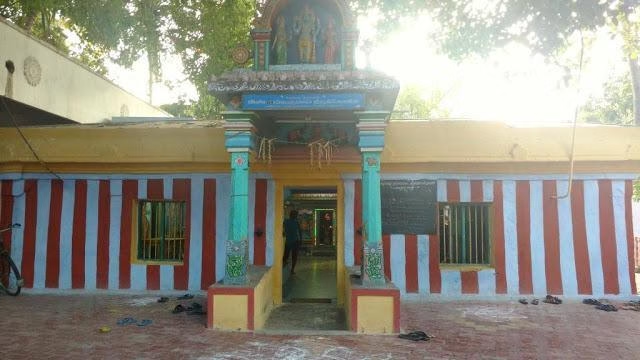
The temple exemplifies the classic Dravidian style of architecture. The towering Gopuram (gateway tower) serves as a visual beacon for pilgrims approaching Ashramam. As you step into the Prakaram (circumambulatory path), you are greeted by Mandapas (pillared halls) featuring:
- Monolithic Sculptures: Exquisite carvings of Dwarapalakas (guardian deities) flanking the sanctum.
- The Sanctum: The inner sanctum is designed according to Vastu Shastra principles, aligning with the solar meridian to ensure sunlight directly illuminates the deity during specific equinoxes.
- Rajagopuram: A multi-tiered structure adorned with stucco figures depicting scenes from the life of Vishnu.
While this temple is not a UNESCO heritage site, the intricate Sthapathya (Vastu-compliant construction) mirrors the grandeur found in larger temple complexes of Tamil Nadu.
Darshan & Ritual Logistics
Planning your visit ensures a serene experience. Below are the tentative timings and key rituals for the year 2026.
Daily Temple Timings
| Day | Morning Session | Evening Session |
|---|---|---|
| Monday – Sunday | 06:00 AM – 12:00 PM | 04:00 PM – 08:00 PM |
| Note: | Temple remains closed between 12:00 PM and 04:00 PM for deity rest. | |
Key Sevas & 2026 Festivals
Available Sevas:
- Abhishekam: Performed on Ekadashi days with sandalwood paste and milk.
- Archana: Individual or group recitations of Vishnu Sahasranamam.
- Tirumanjanam: Holy bathing of the Utsava idols.
Online Booking:
Devotees can book these services via the HR&CE Department of Tamil Nadu official portal. Select “Thiruvenkada Vinnaperumal Temple, Ashramam” under the Kanyakumari district listings.
📖 Related: Kari Krishna Perumal Temple: Thiruayarpadi History, Darshan Timings & Guide
Major Festivals in 2026:
- Garuda Sevai (January 11, 2026): The grand procession of Lord Vishnu on Garuda Vahana.
- Vaikunta Ekadashi (January 9, 2026): Opening of the Sorga Vasal (Heavenly Gate). Special early morning darshans.
- Brahmotsavam (April/May 2026): A 10-day festival featuring chariot processions.
Practical Visitor Guidance
To maintain the sanctity of the temple and ensure a comfortable visit, please adhere to the following guidelines:
- Dress Code: Traditional attire is mandatory. Men must wear Dhoti or trousers with a shirt; Women must wear Saree, Salwar Kameez, or skirt with a top. Avoid shorts and sleeveless tops.
- Photography: Strictly prohibited inside the inner sanctum (Garbhagriha). Photography is permitted in the outer prakarams, but tripods require prior permission.
- Mobile Lockers: Electronic devices must be deposited at the designated locker facility near the entrance before darshan.
- Accessibility: The temple complex has several steps. Wheelchair access is available only up to the second prakaram.
Crowd Management:
For a peaceful darshan, visit between 7:00 AM and 9:00 AM or post-6:00 PM. Avoid weekends and public holidays if possible. During the summer months (April–June), carry a water bottle and a hand fan, as the granite flooring retains heat.
Pilgrimage Connectivity
How to Reach:
The temple is conveniently located for pilgrims traveling through the southern tip of India.
- By Road: Situated 8 km from Nagercoil via the NH-66. Regular buses ply from Nagercoil and Kanyakumari bus stands.
- By Rail: The nearest railway station is Nagercoil Junction (approx. 4 km). Auto-rickshaws are readily available.
- By Air: Trivandrum International Airport (80 km) is the closest airport. Taxis can be hired from the airport via the Kanyakumari highway.
📖 Related: Viswanathar Navagraha Temple, Pazhur: History, Timings & Darshan Guide
Nearby Sacred Sites (Pilgrimage Circuit):
Enhance your spiritual journey by visiting these nearby landmarks:
- Suchindram Thanumalayan Temple: Located just 1 km away, famous for its musical monolithic pillars.
- Kumarakovil Temple: Situated on a hillock 12 km away, dedicated to Lord Murugan.
- Kanyakumari Amman Temple: The famous Devi temple at the ocean confluence (14 km).
Frequently Asked Questions (FAQ)
1. Is there a VIP darshan entry available?
Yes, the temple offers a special entry darshan for senior citizens and differently-abled devotees. VIP passes are generally issued through the HR&CE office or online portal for a nominal fee.
2. What is the significance of the name ‘Vinnaperumal’?
‘Vinnaperumal’ translates to the Lord of Heaven. It signifies the deity’s aspect as the supreme ruler of the celestial realms, distinct from the earthly form of Vishnu found in other temples.
3. Are there accommodation facilities nearby?
While the temple itself does not have a guesthouse, Ashramam and nearby Nagercoil offer numerous lodges and choultries. It is advisable to book accommodation in advance during festival seasons.
4. Can non-Hindus enter the temple?
Following the standard traditions of Tamil Nadu Vishnu temples, entry is generally restricted to those following the Hindu faith. Please respect local customs regarding this.
5. What is the best time to visit Kanyakumari weather-wise?
The ideal time is between October and March. The weather is pleasant, making it conducive for temple hopping and sightseeing.
Photo Gallery
2017-0z2-24, Thiruvenkada Vinnaperumal Temple, Ashramam, Kanyakumari
Contact Details
Executive Officer
Thiruvenkada Vinnaperumal Temple
Ashramam, Kanyakumari District, Tamil Nadu
Phone: +91-4652-XXXXXX (Contact via HR&CE Helpline: 1800-425-3111)
Email: Usually managed via the District Office, Nagercoil.