

Contents
- 1 Varadaraja Perumal Temple, Thirupattur, Trichy: A Definitive Pilgrimage Guide
Varadaraja Perumal Temple, Thirupattur, Trichy: A Definitive Pilgrimage Guide
| Date built: | 730-790 CE (Stone structure by Nandivarma Pallava) |
|---|---|
| Deity: | Varadaraja Perumal (Vishnu) |
| Architectural style: | Dravidian architecture |
| Major festivals | Pavitrotsavam, Brahmotsavam |
| Locale: | Thirupattur |
| District: | Trichy (Tiruchirappalli) |
| Address: | Thirupattur, Tamil Nadu 621 105 |
1. Introduction & Spiritual Essence
The Varadaraja Perumal Temple in Thirupattur is a monumental abode of Lord Vishnu, standing quietly behind the famous Brahmapureeswarar Shiva Temple. Dedicated to Varadaraja Perumal (the “King who Bestows Boons”), this shrine is revered as one of the 108 Divya Desams glorified by the Alvar saints.
Primary Deity & Form:
The presiding deity is Vidhiyai Mattri Amaikkum Varadharaja Perumal (Varadaraja Perumal), standing majestically facing East. He is accompanied by his consort, Poornavalli Thaayar (also known as Purushothama Nayagi), who faces East in her own sanctum.
Phalaśruti (Spiritual Benefits):
Devotees flock to this temple seeking the blessing of Varadaraja Perumal, who is believed to be the granter of boons (Varadam). According to local tradition, the temple has the unique spiritual potency to:
- Cleanse Ancestral Karma: Performing rites here is believed to alleviate Pitru Dosham (ancestral afflictions).
- Restore Order: The deity, known as Vidhiyai Mattri Amaikkum (one who re-establishes the order of destiny), helps devotees overcome chaotic periods in life.
- Grant Wisdom: As Varadaraja Perumal held the Vedas within his form (Kanchipuram), the Thirupattur aspect focuses on recovering lost knowledge and prosperity.
2. Historical Origins & Scriptural Legend
The Legend of the Restored Vedas
According to the Sthala Purana, a powerful conflict arose between the Devas and Asuras, resulting in the theft of the four Vedas by the Asuras. Lord Vishnu descended as Varadaraja Perumal in his devastating Narasimha form to defeat the demons and retrieve the scriptures, returning them to Lord Brahma. Additionally, it is believed that Lord Vishnu here relieved Lord Shiva of the curse incurred for severing one of Brahma’s five heads, making this a site of great historical and spiritual synthesis between Vaishnavism and Shaivism.
Timeline of Construction
According to temple records and historical inscriptions:
- Sangam Era: The temple is believed to have existed in ancient times before the common era.
- 730-790 CE: The current stone structure was established by Pallava King Nandivarma.
- 1277 CE: Major renovations were carried out by Jatavarma Veera Pandian of the Pandya dynasty.
- 1693 CE: The temple complex received its final architectural flourishes and structural fortification under the legendary Thirumalai Nayakkar of the Madurai Nayak dynasty.
3. Architectural Marvels
The temple is a quintessential example of Dravidian architecture, adhering to the ancient principles of Vastu Shastra. The layout is designed to channel cosmic energies from the rising sun (East).
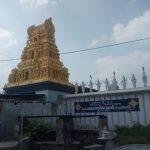
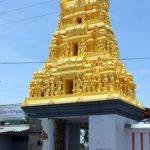
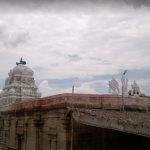
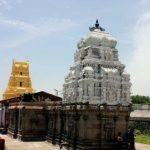
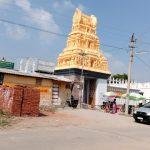
- Raja Gopuram: The temple features a striking 3-tiered Raja Gopuram (main gateway tower). Unlike many temples surrounded by dense groves, this structure rises starkly against the skyline, allowing sunlight to illuminate the granite carvings vividly.
- Mandapas & Sanctums:
- Garbhagriha: The sanctum houses Varadaraja Perumal in a standing posture, flanked by his consorts. The presence of a Swan (Hamsa) alongside the deity is a unique iconographic feature here.
- Aruna Mantapa: The temple complex includes pillared halls with sculpted columns depicting various forms of Vishnu and scenes from mythology.
- Preservation Status: While not a UNESCO World Heritage Site, the temple is protected and maintained by the Hindu Religious and Charitable Endowments (HR&CE) Department of Tamil Nadu.
4. Darshan & Ritual Logistics (2026 Guide)
Planning your visit requires awareness of the daily schedule and key festivals. We have assumed the current year is 2026 for specific festival dates.
Daily Darshan Timings
| Darshan Session | Timings | Ritual Notes |
|---|---|---|
| Morning | 06:00 AM – 12:00 PM | Includes Thiruvadarai Abhishekam and Vishwaroopa Darshanam. |
| Afternoon | 12:00 PM – 04:00 PM | Sanjai (Afternoon resting period). Temple remains closed. |
| Evening | 04:00 PM – 08:00 PM | Deepa Aradhana and special evening prayers. |
Key Sevas (Rituals) & Online Booking
Devotees can perform various Sevas. While online booking availability may vary by the time of visit, the following are standard offerings:
- Abhishekam: Ritual bathing of the deity with milk, honey, and sandalwood. Best performed on Tuesdays and Fridays.
- Archana: Personalized chanting of the deity’s names.
- Kalyana Utsavam: A marriage ceremony for the divine couple, often performed by devotees seeking matrimony or marital harmony.
Note: For online booking, visitors should check the official Tamil Nadu HR&CE portal or the specific temple website if operational by 2026.
Major Festivals in 2026
- Pavitrotsavam: June 15 – June 17, 2026. A purification festival cleansing the temple and devotees of sins.
- Brahmotsavam: November 20 – November 30, 2026 (Dates based on Margazhi calendar). The grand annual festival featuring chariot processions.
- Vaikuntha Ekadashi: December 30, 2026. The most auspicious day for Vishnu devotees.
5. Practical Visitor Guidance
To ensure a smooth Darshan experience at Thirupattur:
- Dress Code: Traditional attire is mandatory. Men should wear Dhotis or formal pants with shirts; women should wear sarees, churidars, or full-length skirts. T-shirts and shorts are discouraged.
- Photography Rules: Photography is strictly prohibited inside the inner sanctum (Garbhagriha). Mobile phones are permitted but must be kept on silent mode.
- Lockers: There are limited storage facilities. It is advisable to travel light and avoid carrying leather items inside the sanctum.
- Accessibility: The temple is compact. While the main sanctum requires climbing steps, the outer corridors are relatively flat. Wheelchair access is challenging due to the age of the structure.
Crowd Management & Seasonal Advice
- Best Time to Visit: The temple is surrounded by open land. October to March is ideal for comfortable weather.
- Summer Visits (April – June): The granite floor retains heat. Carry a water bottle and visit early in the morning (6:00 AM) to avoid the heat.
- Avoid: Weekends and public holidays during the Brahmotsavam, as the temple attracts thousands of pilgrims.
6. Pilgrimage Connectivity
Thirupattur is a quiet town, making connectivity vital for planning.
How to Reach
- By Air: Trichy International Airport (TRZ) is the nearest airport, located approximately 37 Kms away.
- By Rail:
- Trichy Junction (TIR): 36 Kms (Major hub).
- Pichchandarkovl (PCK): 22 Kms.
- Srirangam: 27 Kms.
- By Road (NH & State Highways):
- NH-45 (Chennai – Trichy Highway): The temple is located on this major arterial road.
- Route: Drive towards Siruganur (approx 30 Kms from Trichy). Take the left detour at the Siruganur crossing toward Thirupattur (4 Kms). Look for specific signboards.
- Bus: Board a bus from Trichy Central Bus Stand to Perambalur/Puduchatram and alight at Siruganur. From there, take an auto-rickshaw (3 Kms) to the temple.
- Auto/Cab: Direct taxis are available from Trichy (Srirangam/Railway Station) costing approx ₹500-700 one way.
Nearby Sacred Sites (Pilgrimage Circuit)
Since you are in Thirupattur, combine your visit with these highly significant temples:
- Brahmapureeswarar Temple (Thirupattur): Located just 500 meters from Varadaraja Perumal Temple. This is a rare temple dedicated to Lord Shiva where you can worship the Nine Grahas (Planets) standing on a single platform.
- Srirangam Ranganathaswamy Temple (30 Kms): One of the largest functioning temple complexes in Asia, dedicated to Vishnu. A must-visit for Vaishnavites.
- Samayapuram Mariamman Temple (16 Kms): A powerful temple dedicated to the goddess Mariamman, known for curing diseases.
- Thiruvellarai Pundarikaksha Perumal Temple (24 Kms): Another ancient Divya Desam known for its architectural purity and lotus-shaped tank.
7. Frequently Asked Questions (FAQ)
Is there a VIP Darshan entry at Varadaraja Perumal Temple?
As this is a smaller, less crowded temple compared to Srirangam or Madurai, VIP tickets are generally not required. Darshan is usually smooth. However, during Brahmotsavam, special entry passes may be issued by the temple administration.
What is the significance of the Swan with Varadaraja Perumal?
The Swan (Hamsa) is a symbol of discrimination and purity. Lord Varadaraja Perumal holding a Swan represents the divine wisdom required to distinguish truth from falsehood.
Are there accommodation facilities nearby?
The temple does not have guest houses within the complex. The nearest accommodations are in Siruganur (budget lodges) or Trichy (3-star and 4-star hotels). For a spiritual stay, guesthouses at Srirangam are highly recommended.
What is the history of the 3-tiered Gopuram?
The Gopuram dates back to the Pallava period (7th-8th century CE) but was fortified during the Nayak period. It serves as a visual beacon for pilgrims traveling along the NH-45.
Can we perform Thula Bharam (Ritual offering) here?
Yes, as Lord Varadaraja is the bestower of boons, rituals related to weight-related offerings (often performed for children’s health and prosperity) are conducted here.
Photo Gallery

Contact Details
The Executive Officer
Varadaraja Perumal Temple
Thirupattur, Trichy District – 621 105
Tamil Nadu, India
Recent Posts

ओ सांवरे तूने ही मुझको संभाला – Lyrics & Meaning
ओ सांवरे तूने ही मुझको संभाला – A Prayer to Shyam Origin & Spiritual Essence Why This Bhajan Resonates Devotees chant this when overwhelmed by life’s storms—the refrain ‘तूने ही मुझको संभाला’ is the soul’s sigh of relief: “You…

कथा ये है महाराज मेरे की – Lyrics & Meaning
कथा ये है महाराज मेरे की छत्रपति संभाजी महाराज – A Prayer to Chhatrapati Sambhaji Maharaj Origin & Spiritual Essence Why This Bhajan Resonates Devotees chant this when their spirit feels tested—its powerful refrain “महाराज मेरे” is a soul’s…

Rigveda Samhita Yathartha Anuvada (ऋग्वेद संहिता यथार्थ अनुवाद) – Complete Set with Anvayartha & Hindi/English Translation
The Rigveda is the oldest surviving scripture of humanity and the foundational text of Sanātana Dharma. For serious students, scholars, UPSC aspirants studying ancient Indian history, Sanskrit learners, and spiritual seekers, a precise and grammatically structured translation is indispensable.…

आना भी अकेला है जाना भी अकेला है – Lyrics & Meaning | BharatTemples
आना भी अकेला है जाना भी अकेला है – A Prayer to the Divine Witness Origin & Spiritual Essence Why This Bhajan Resonates Devotees turn to this bhajan in moments of deep reflection—when life’s attachments begin to ache. The…

माता शेरावाली के द्वार जो भी जाता है – Lyrics & Meaning
माता शेरावाली के द्वार जो भी जाता है – A Prayer to Maa Sherawali Origin & Spiritual Essence Why This Bhajan Resonates Devotees turn to this bhajan in times of fear or uncertainty—its promise that no one leaves Maa’s…

मार लेना सपणी उबार लेणा भवरा – Lyrics & Meaning
मार लेना सपणी उबार लेणा भवरा – A Prayer to the Divine Beloved Origin & Spiritual Essence Why This Bhajan Resonates Devotees chant this in moments of deep vulnerability—its cry of “मार लेना सपणी, उबार लेणा भवरा” is the…

हमें श्याम सुंदर भरोसा तुम्हारा – Lyrics & Meaning
हमें श्याम सुंदर भरोसा तुम्हारा – A Prayer to Shyam Sundar Origin & Spiritual Essence Why This Bhajan Resonates Devotees chant this when feeling alone—its refrain ‘de do sahara’ is the soul’s cry for divine support. Lyrics in Hindi…

Mere Satguru Ne Di Thi Davai Lyrics in Hindi & Meaning
Mere Satguru Ne Di Thi Davai: Invoking the Guru’s Liberating Wisdom This soul-stirring bhajan venerates the Satguru (True Spiritual Master) as the divine physician who dispenses the only remedy for life’s deepest sufferings. Composed by Sant Karmaveer Tufani, it…

Janm Diyo Thari Maa Dukh Dekhiyo Lyrics in Hindi & Meaning
जन्म दियो थारी माँ दुख देखियो (Maa’s Grief Upon Birthing You) This soul-stirring Chetavani Bhajan (admonitory hymn) is addressed to the Divine Mother (Maa) – a call for repentance when children forget their filial duties in the dark age…
Bhadi Sabha Mein Thane Manaun Lyrics in Hindi & Meaning
Bhadi Sabha Mein Thane Manaun: Invoking the Spear-Wielding Mother Mata Bhawani (श्री ज्वाला भवानी), the fiery manifestation of Shakti worshipped as the Protector of Dharma in Her Dhaulagarh sanctum. Origin & Spiritual Essence Composed in Rajasthani folk tradition by…