
Contents
Introduction & Spiritual Essence
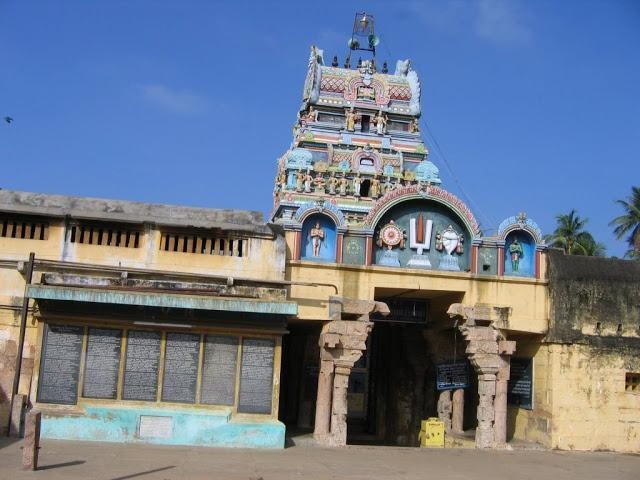
Amidst the serene landscapes of Tirunarayanapuram village, near Thottiyam in the Trichy district of Tamil Nadu, stands the ancient Veda Narayana Perumal Temple. Also revered as “Aadi Rangam,” this sacred site is believed to be the foremost among Vishnu temples, holding the distinction of being a “Mudhal Rangam” (First Rangam) where the Lord manifested during the Vedic period.
The presiding deity, Veda Narayana Perumal, is a form of Lord Vishnu who serves as the Guru (teacher) to Lord Brahma. In this unique manifestation, the Lord is revered as the initiator of the Vedas. The Phalaśruti (spiritual benefits) of visiting this temple is profound; devotees believe that worshipping here grants academic excellence, resolves Kalathra Dosha (marital delays), and cleanses ancestral karma. It is a “Guru” and “Budhan” Sthalam, making it a powerhouse for educational prosperity.
Historical Origins & Scriptural Legend
The Legend of Vedic Initiation
Tradition holds that this temple is the site where Lord Vishnu imparted Vedic knowledge to an arrogant Brahma. To humble Brahma, who claimed to be the sole creator, Vishnu appeared as a unique idol unknown to him. Upon realizing his folly, Brahma sought initiation. According to temple records and the Sthala Purana, Lord Narayana appeared here and initiated the Vedas, hence the name Veda Narayana.
Origins of Construction
While the spiritual origins are Vedic, the architectural history dates back to the 15th century during the Nayakar period. Legend attributes the initial construction to the demon king Mahabali. While camping on a sand dune during his march toward Mysore, Mahabali dreamt of the Lord, who instructed him to unearth a buried idol and build a temple. After installing the idol at Tirunarayanapuram, Mahabali was victorious in war, cementing the temple’s significance.
Architectural Marvels
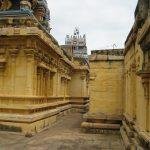
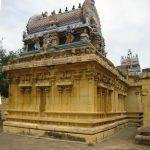
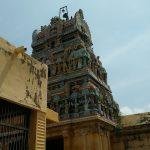
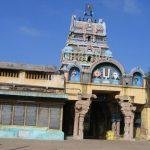
The temple exemplifies the grandeur of Dravidian architecture. The structure features a towering Shikhara (gateway tower) typical of the Nayak style, with intricate stonework and spacious Mandapas (halls) supported by carved pillars.
Key architectural highlights include:
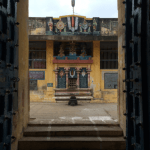
- The Sanctum: Housing the swayambhu (self-manifested) idol of Veda Narayana Perumal.
- Unique Iconography: The Santha Swaroopa Moorthy (peaceful form) is enshrined here. A distinct feature is the depiction of a three-year-old Prahaladha standing at the feet of the sleeping Lord.
- Pillar Sculptures: The mandapa features historical sculptures depicting the Nayak rulers and mythological scenes.
Although not a UNESCO site, it is protected and maintained by the Hindu Religious and Charitable Endowments (HR&CE) Department of Tamil Nadu.
Darshan & Ritual Logistics
Devotees are encouraged to book Sevas in advance. The temple follows strict Agamic traditions.
Daily Timings
| Session | Timings |
|---|---|
| Morning Darshan | 7:00 AM – 12:00 PM |
| Afternoon Break | 12:00 PM – 4:00 PM (Temple Closed) |
| Evening Darshan | 4:00 PM – 8:00 PM |
| Pooja Break | 6:00 PM – 6:30 PM |
Key Sevas & Booking (2026 Schedule)
To perform special pujas, devotees can contact the temple office at +91 99766 11898. Common rituals include:
- Thirumanjanam (Abhishekam): Performed on Thursdays and Tiruvonam star days.
- Tulsi Garland & Ghee Lamps: Remedial worship for Kalathra Dosha (27 ghee lamps).
Festival Dates for 2026:
- Pongal / Makara Sankranti: January 14, 2026
- Vaikunda Ekadasi: December 4, 2026
- Brahmotsavam (Vaikasi): May 15 – May 25, 2026 (Includes 9-day chariot procession).
- Adyana Utsavam: Margazhi (December/January) – 21-day festival.
- Panguni Uthiram: March 30, 2026 (Special joint darshan of Perumal and Thayar).
Practical Visitor Guidance
Dress Code & Rules
Traditional attire is mandatory. Men should wear Veshti (dhoti) or trousers with a shirt; women should wear saree, half-saree, or Churidar. Shorts and sleeveless tops are prohibited.
Crowd Management & Accessibility
The temple is relatively peaceful on weekdays except for Thursdays. The best time to visit is early morning (7:00 AM) or late evening (5:00 PM). Summers (May) can be intense; carry water. The temple complex is accessible for senior citizens, though the sanctum requires sitting steps.
Pilgrimage Connectivity
How to Reach:
- By Road: Located on the Trichy – Namakkal – Salem Highway. The temple is approx 4 km from Thottiyam Bus Stand. From Trichy (Central Bus Stand), direct buses leave at 9:00 AM and 3:30 PM for Tirunarayanapuram.
- By Train: Nearest railhead is Kulithalai (20 km). Alternatively, Trichy Junction (60 km) is a major hub.
- By Air: Trichy International Airport (TRZ) is located 65 km away.
Nearby Sacred Sites
- Kulithalai Kadambar Temple: Located 19 km away, a historic Vishnu temple on the banks of the Cauvery.
- Srirangam Ranganathaswamy Temple: The largest functioning Hindu temple in the world, 52 km away.
- Thiru Engoi Malai (Vayalur Murugan Temple): 13 km away, a famous Murugan shrine.
Frequently Asked Questions
1. Is there a VIP darshan entry?
The temple does not have a formal VIP entry system. However, donations for special abhishekam allow devotees to have a closer darshan during the ritual.
2. Is there an online seva booking facility?
Currently, direct online booking is not available through a dedicated portal. Devotees are requested to contact the temple office numbers provided above to book sevas in advance, especially for large groups or specific remedies.
3. What is the significance of the Thursday worship here?
Thursday is dedicated to Lord Vishnu as the Guru. Lighting ghee lamps and offering Tulsi garlands on Thursdays is believed to remove obstacles in marriage and enhance academic focus.
4. Can students place their books at the feet of the deity?
Yes, this is a popular practice. As Lord Veda Narayana initiated Vedas, offering study materials (books/notebooks) for blessings before exams is a common tradition here.
5. Is mobile photography allowed inside the sanctum?
Photography is strictly prohibited inside the inner sanctum and mandapa. However, phones must be switched to silent mode. Locker facilities are not available; please keep valuables secure.
Photo Gallery


Contact Details
Vedanarayana Perumal Temple
Tirunarayanapuram,
Balasamudram Via, Thottiyam Taluk,
Trichy District – 621 203
Phone: +91 4326 254338
Mobile: +91 99766 11898 / 98948 06131
Email: info@thirunarayanapuram.com
Recent Posts

Shri Kaamkoteeshwar Mandir, Varanasi – History & Significance
In the heart of Kashi, the eternal city of Lord Shiva, where the Ganges flows with celestial grace, stands the Shri Kaamkoteeshwar Mandir. This sacred Sannidhi is not merely a temple but a profound spiritual bridge between the Northern…

ओ सांवरे तूने ही मुझको संभाला – Lyrics & Meaning
ओ सांवरे तूने ही मुझको संभाला – A Prayer to Shyam Origin & Spiritual Essence Why This Bhajan Resonates Devotees chant this when overwhelmed by life’s storms—the refrain ‘तूने ही मुझको संभाला’ is the soul’s sigh of relief: “You…

कथा ये है महाराज मेरे की – Lyrics & Meaning
कथा ये है महाराज मेरे की छत्रपति संभाजी महाराज – A Prayer to Chhatrapati Sambhaji Maharaj Origin & Spiritual Essence Why This Bhajan Resonates Devotees chant this when their spirit feels tested—its powerful refrain “महाराज मेरे” is a soul’s…

Rigveda Samhita Yathartha Anuvada (ऋग्वेद संहिता यथार्थ अनुवाद) – Complete Set with Anvayartha & Hindi/English Translation
The Rigveda is the oldest surviving scripture of humanity and the foundational text of Sanātana Dharma. For serious students, scholars, UPSC aspirants studying ancient Indian history, Sanskrit learners, and spiritual seekers, a precise and grammatically structured translation is indispensable.…

आना भी अकेला है जाना भी अकेला है – Lyrics & Meaning | BharatTemples
आना भी अकेला है जाना भी अकेला है – A Prayer to the Divine Witness Origin & Spiritual Essence Why This Bhajan Resonates Devotees turn to this bhajan in moments of deep reflection—when life’s attachments begin to ache. The…

माता शेरावाली के द्वार जो भी जाता है – Lyrics & Meaning
माता शेरावाली के द्वार जो भी जाता है – A Prayer to Maa Sherawali Origin & Spiritual Essence Why This Bhajan Resonates Devotees turn to this bhajan in times of fear or uncertainty—its promise that no one leaves Maa’s…

मार लेना सपणी उबार लेणा भवरा – Lyrics & Meaning
मार लेना सपणी उबार लेणा भवरा – A Prayer to the Divine Beloved Origin & Spiritual Essence Why This Bhajan Resonates Devotees chant this in moments of deep vulnerability—its cry of “मार लेना सपणी, उबार लेणा भवरा” is the…

हमें श्याम सुंदर भरोसा तुम्हारा – Lyrics & Meaning
हमें श्याम सुंदर भरोसा तुम्हारा – A Prayer to Shyam Sundar Origin & Spiritual Essence Why This Bhajan Resonates Devotees chant this when feeling alone—its refrain ‘de do sahara’ is the soul’s cry for divine support. Lyrics in Hindi…

Mere Satguru Ne Di Thi Davai Lyrics in Hindi & Meaning
Mere Satguru Ne Di Thi Davai: Invoking the Guru’s Liberating Wisdom This soul-stirring bhajan venerates the Satguru (True Spiritual Master) as the divine physician who dispenses the only remedy for life’s deepest sufferings. Composed by Sant Karmaveer Tufani, it…

Janm Diyo Thari Maa Dukh Dekhiyo Lyrics in Hindi & Meaning
जन्म दियो थारी माँ दुख देखियो (Maa’s Grief Upon Birthing You) This soul-stirring Chetavani Bhajan (admonitory hymn) is addressed to the Divine Mother (Maa) – a call for repentance when children forget their filial duties in the dark age…