Vijayaraghava Perumal Temple Manavur: History, Darshan Timings & Guide
Receive daily temple updates, divine darshan, and morning bhajans directly on WhatsApp.
Contents
- 1 Vijayaraghava Perumal Temple, Manavur: The Definitive Pilgrimage Guide
- 1.1 1. Introduction & Spiritual Essence
- 1.2 2. Historical Origins & Scriptural Legend
- 1.3 3. Architectural Marvels
- 1.4 4. Darshan & Ritual Logistics (2026 Guide)
- 1.5 5. Practical Visitor Guidance
- 1.6 6. Pilgrimage Connectivity
- 1.7 7. Frequently Asked Questions (FAQs)
- 1.8 Contact Details
- 1.9 Photo Gallery
Vijayaraghava Perumal Temple, Manavur: The Definitive Pilgrimage Guide
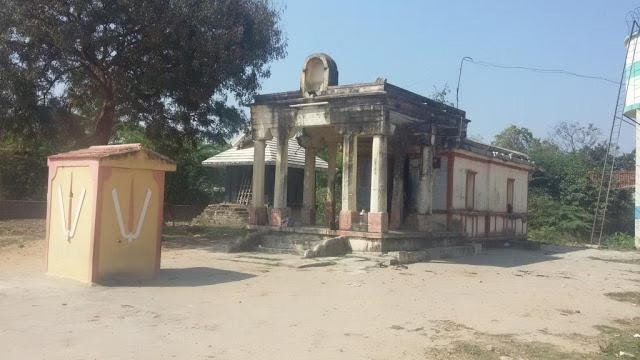
Nestled in the serene village of Manavur near Thiruvalangadu, the Vijayaraghava Perumal Temple stands as a timeless testament to Dravidian heritage and deep spiritual potency. Believed to be over 1,200 years old, this ancient shrine invites devotees to witness the divine grace of Lord Vishnu in his form as Vijayaraghava Perumal, the “Victorious King.” This comprehensive guide explores the temple’s spiritual essence, architectural grandeur, and practical logistics for a seamless darshan experience in 2026.
1. Introduction & Spiritual Essence
The presiding deity of this sacred shrine is Vijayaraghava Perumal, a manifestation of Lord Vishnu (Sriman Narayana) revered as the “Victorious King.” He is enshrined here in a seated posture (dhyana mudra), flanked by his consort forms, Sridevi (Lakshmi) and Boodevi (Bhudevi). The murti is a Swayambhu (self-manifested) idol, radiating an aura of profound tranquility.
Phalaśruti (Spiritual Benefits):
According to temple traditions and the Skanda Purana, the Vijayaraghava Perumal Temple is a potent site for alleviating Pitru Dosha (ancestral afflictions). Devotees believe that performing rituals here aids in cleansing ancestral karma, ensuring peace for departed souls. Additionally, those seeking victory in legal disputes, career progression, or leadership roles offer prayers here to attain “Vijayam” (success). The temple is also considered a haven for those wishing to stabilize their financial standing and domestic harmony.
2. Historical Origins & Scriptural Legend
Scriptural Reference:
While the temple is not listed among the 108 Divya Desams, its significance is rooted in the Padma Purana. The temple is intrinsically linked to the nearby Thiruvalangadu (Arangadu) temple, which is a Divya Desam. The local Sthala Purana narrates that Lord Brahma performed a grand Yagna here to seek the blessings of Vishnu, who manifested as Vijayaraghava Perumal to bless the sages and the land.
📖 Related: Meenakshi Temple, Madurai: History, Darshan Timings & Complete Guide
Historical Timeline:
Archaeological evidence and local history suggest the temple is approximately 1,200 years old, dating back to the Pallava period. The structure and inscriptions indicate that subsequent patrons, including the Cholas, contributed to its preservation. The village, originally called Manavur Kottam during the Chozha period, served as a strategic bastion for religious architecture. The alignment of the temple follows the strict tenets of Aagama Sastras, further testifying to its ancient scriptural compliance.
3. Architectural Marvels
The Vijayaraghava Perumal Temple is a masterpiece of Dravidian Architecture. The layout is not random but follows the complex geometrical alignments of Aagama Sastras (Karshanathi, Prathishtandham, Uthsavandham).
Key Architectural Features:
- The Sanctum (Garbhagriha): The main deity faces East, adhering to the principles of Nirudhi Moola, ensuring the flow of energy is directed toward the rising sun.
- Shikhara & Mandapas: The temple features a modest but sturdy Shikhara (tower) typical of early Dravidian styles, distinct from the later Nayak towers. The Artha Mandapa (front porch) is supported by sculpted pillars depicting deities.
- Surrounding Shrines: The complex is a spiritual ecosystem containing shrines for Karkadeswarar (Shiva), Sakthi Ganapathi, and Kandasamy (Murugan), harmoniously placed in specific cardinal directions (Easanya, etc.). This unique confluence signifies the unity of Shaivite and Vaishnavite traditions.
Preservation Status:
While the temple is not a UNESCO site, it is protected by the Hindu Religious and Charitable Endowments (HR&CE) Department of Tamil Nadu. The stone inscriptions, though eroded by time, remain key subjects for historical research.
4. Darshan & Ritual Logistics (2026 Guide)
Planning your visit requires attention to timings and seasonal festivals. Below are the general operating hours and major events for 2026.
Daily Temple Timings
| Session | Timings |
|---|---|
| Morning Darshan | 6:00 AM – 12:00 PM |
| Mid-day Recess | 12:00 PM – 4:00 PM |
| Evening Darshan | 4:00 PM – 8:00 PM |
| Special Seva Slots | 7:30 AM – 8:30 AM (Daily) |
📖 Related: Kari Krishna Perumal Temple: Thiruayarpadi History, Darshan Timings & Guide
Key Sevas & Offerings
Devotees can perform various Sevas to receive the blessings of Vijayaraghava Perumal:
- Abhishekam: Ritual bathing of the deity with milk, honey, and sandalwood paste. Best performed on Saturdays.
- Archana: Recitation of holy names. Perumal Thirunamam is the standard offering.
- Tulasi Archana: Offerings made with the sacred Tulsi leaf, highly auspicious for Vishnu devotees.
- Vishnu Sahasranama Parayanam: Can be arranged for special occasions upon prior request.
Online Booking:
Currently, specific online booking for this minor temple may not be available via the central HR&CE portal. It is recommended to book through the “Tamil Nadu Temples” app or contact the temple caretaker directly (contact details below) 24 hours in advance for special Abhishekams.
2026 Major Festival Dates
- Pavitrotsavam: August 10 – August 12, 2026
- Garuda Vahana Seva (Brahmotsavam): August 14, 2026 (Evening)
- Vaikuntha Ekadashi: December 30, 2026
- Masi Magam: February 26, 2026 (Special procession)
5. Practical Visitor Guidance
To ensure a respectful and comfortable visit, please adhere to the following guidelines:
- Dress Code: Traditional attire is mandatory. Men should wear Veshti (dhoti) or pants with a shirt, and women should wear Saree or Salwar Kameez. Avoid shorts and sleeveless tops.
- Photography: Photography is strictly prohibited inside the inner sanctum (Garbhagriha). You may take pictures of the outer corridors and the temple tank.
- Mobile Lockers: There is no digital locker facility. It is advisable to travel light and avoid carrying valuables.
- Accessibility: The temple features sand-free pathways for wheelchairs. However, the sanctum requires climbing a small flight of stone steps.
- Crowd Management:
- Best Time: Early morning (6:30 AM) offers the calmest darshan.
- Seasonal Advice: Tamil Nadu summers (May) are intense; carry a water bottle and an umbrella. The post-monsoon season (October-February) is ideal.
6. Pilgrimage Connectivity
How to Reach Vijayaraghava Perumal Temple
The temple is strategically located in the Thiruvallur district, making it accessible from Chennai and its suburbs.
- By Air: Chennai International Airport (MAA) is the nearest airport, located approximately 59 km away.
- By Train: The closest railway station is Manavur Railway Station, just 300 meters from the temple. It lies on the Chennai Central – Arakkonam route. Alternatively, Thiruvallur Railway Station (15 km) offers more frequent services.
- By Road:
- From Chennai: Take NH75 to reach Manavur (approx. 67 km).
- From Thiruvallur: Take the state highway towards Pazhayanur/Thiruvalangadu (approx. 15 km).
- Bus Service: Buses are available from Thiruvallur to Thiruvalangadu (Bus number T2) which stops near Manavur. Frequency is limited (approx. two trips daily), so checking the TNSTC schedule is advised.
📖 Related: Pattarai Perumbudur Murugan Temple: History, Darshan Timings & Guide
Pilgrimage Circuit (Nearby Sacred Sites)
Enhance your pilgrimage by visiting these nearby temples:
- Thiruvalangadu Vadaranyeswarar Temple: Located just 5 km away. This is a Divya Desam famous for the cosmic dance of Lord Shiva and Vishnu.
- Karkadeswarar Temple (Manavur): Located 500 meters away in the same village. A unique Shiva temple aligned with the Perumal temple.
- Thiruvalangadu: Known for the ancient Arangadu temple complex and the massive Nandi statue.
7. Frequently Asked Questions (FAQs)
1. Is there a VIP or Special Entry Darshan?
Unlike major temples like Tirupati, this temple follows a traditional approach. There is no commercial VIP ticketing system. However, devotees who book the “Abhishekam” Seva in advance are granted priority entry to the sanctum during the ritual time.
2. What is the significance of the Karkadeswarar shrine here?
The presence of Karkadeswarar (Shiva) is vital. The temple is a classic example of Saiva-Vara layout, where Shiva and Vishnu shrines coexist with perfect Vastu alignment, representing the harmonious nature of the divine.
3. Are food facilities available at the temple?
Small eateries are available in the village of Manavur. For a full meal, it is recommended to travel to Thiruvallur (15 km) or Arakkonam (23 km), where hygienic vegetarian restaurants are plentiful.
4. What is the best time of year to visit?
The most pleasant weather occurs between November and February. However, for a vibrant spiritual atmosphere, visit during Garuda Vahana Seva in August 2026.
5. Is accommodation available near the temple?
Lodging options in Manavur are basic. For comfortable stays, pilgrims usually book hotels in Thiruvallur (15 km) or Chennai (65 km). The temple management can provide contact details for local homestays upon request.
Contact Details
As specific contact numbers for this minor shrine are often unlisted, it is advisable to contact the regional HR&CE office in Thiruvallur for assistance.
Photo Gallery
2018-01r-06 (1), Vijayaraghava Perumal Temple, Manavur, Thiruvallur
2018-ghg01-06, Vijayaraghava Perumal Temple, Manavur, Thiruvallur
DSCN3487, Vijayaraghava Perumal Temple, Manavur, Thiruvallur

2018-sokko01-31, Vijayaraghava Perumal Temple, Manavur, Thiruvallur