
Contents
- 1 Introduction & Spiritual Essence of Vilvanatheswarar Temple
- 2 Historical Origins & Scriptural Legend
- 3 Architectural Marvels
- 4 Darshan, Sevas & Ritual Logistics (2026)
- 5 Practical Visitor Guidance
- 6 Pilgrimage Connectivity
- 6.1 How to Reach
- 6.2 Nearby Sacred Sites
- 6.3 Photo Gallery
- 6.4 Frequently Asked Questions (FAQ)
- 6.4.1 1. Is there a VIP darshan entry available?
- 6.4.2 2. What is the significance of the Vilwa leaf offering?
- 6.4.3 3. Can we perform abhishekam with milk/juice?
- 6.4.4 4. Is online seva booking available for 2026?
- 6.4.5 5. Is there accommodation available at the temple?
- 6.4.6 6. What is the legend of the Neeva River?
Introduction & Spiritual Essence of Vilvanatheswarar Temple
The Vilvanatheswarar Temple, situated in the sacred town of Thiruvalam near Ranipet in the Vellore district, is a revered Padal Petra Sthalam (one of the 276 temples glorified in the Thevaram hymns). The presiding deity, Lord Vilvanatheswarar (also known as Vallanathar), manifests as a Swayambhu Lingam (self-manifested). He is accompanied by the consort Thanumathyambal (also referred to as Theekkali Ambal).
Devotees flock to this Mukthi Sthalam (liberation site) primarily to cleanse ancestral karma and seek relief from lethargy and skin afflictions. The temple is located on the banks of the Neeva River (Pennar), where the waters are believed to hold healing powers. As the legend states, consuming the Vilwa leaf prasadam here bestows wisdom, progeny, and vital energy.
Historical Origins & Scriptural Legend
According to temple records and oral traditions, the history of Vilvanatheswarar Temple dates back to the period of the Rajaraja Cholan (Chola dynasty), though inferred scripts suggest origins preceding even the Tanjore Brihadeeswarar Temple. During the Chola era, this region was part of the Thondai Mandalam, ruled by the legendary prince Vallavarayan Vandiyadevan, for whom the deity Vallanathar was the family deity.
Local Legends (Sthala Puranam)
- The Neeva River Origin: The temple derives its name from a miracle where Lord Shiva called the river to flow near the shrine for the convenience of the priest. In Tamil, “Nee Vaa” translates to “Come here,” thus naming the river Neeva.
- The Mango Contest (Thiruvalam): The name Thiruvalam commemorates the legend where Lord Ganesha circumscribed his parents (Shiva and Parvati) to win the celestial mango offered by Sage Narada, proving that the parents constitute the entire universe.
- The Demon Kanjan: A powerful demon, Kanjan, tormented the temple priest. Lord Shiva commanded his mount, Nandi, to slay the demon. Kanjan pleaded for mercy and was granted Mukthi (liberation). Shiva promised that wherever Kanjan’s blood fell, a Shiva lingam would appear; thus, hundreds of lingams are found on the nearby Kanjan Giri hill.
- Avvaiyar & Adi Shankara: The revered Tamil poetess Avvaiyar is said to have visited this shrine. Furthermore, Adi Shankara is believed to have pacified the fierce form of the Ambal here, transforming her from Theekkali Ambal to a benevolent mother.
Architectural Marvels
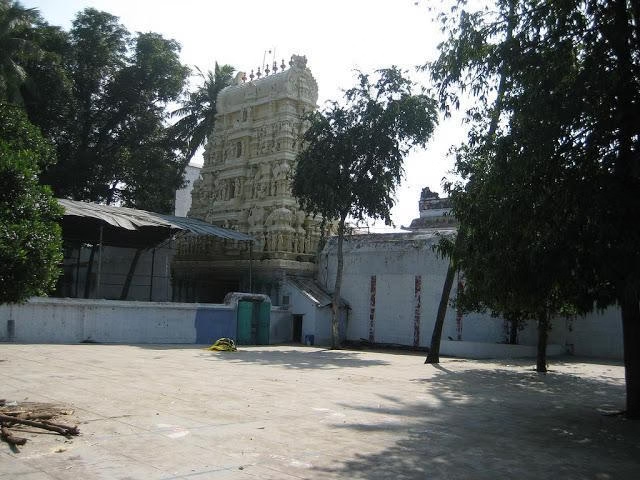
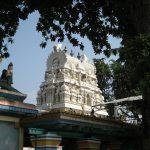
The Vilvanatheswarar Temple is a classic example of Dravidian Architecture, featuring intricate sculpture and Vastu Shastra alignment. The temple faces east and is set amidst a lush grove of Vilva trees.
Key architectural highlights include:
- Sanctum Sanctorum: Houses the Swayambhu lingam facing east.
- Nandi Shrine: Unlike standard layouts, the Nandi here is facing away from the sanctum, gazing toward Kanjan Giri hill. This posture symbolizes Nandi’s eternal vigil against the demon forces.
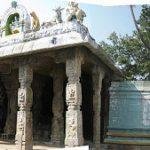
- Sculptures: The Sabha Mandapam (hall) features exquisite relief carvings depicting the legend of Nandi slaying Kanjan. The pillars showcase detailed motifs from Hindu mythology.
- Teertham: The temple tank, known as Theekkali Teertham, is central to the lore of the temple being a Mukthi Sthalam (equal in sanctity to Kashi).
Darshan, Sevas & Ritual Logistics (2026)
For a seamless darshan experience in 2026, devotees are advised to check specific dates with the temple administration, as Tamil calendar dates align with English calendar dates.
Daily Timings
| Session | Timings |
|---|---|
| Morning Opening | 6:30 AM |
| Morning Closing | 12:00 PM |
| Evening Opening | 4:00 PM |
| Evening Closing | 8:00 PM |
Key Sevas & 2026 Festivals
- Abhishekam: Performed with water from the Neeva River. Devotees often offer Vilwa leaves for abhishekam.
- Archana: Special Ashtothram recitations for Thanumathyambal are popular for progeny blessings.
- Online Seva Booking: As of 2026, standard pujas can be performed upon physical arrival. However, for major festivals, it is recommended to contact the temple office via the provided numbers to schedule specific Archana slots.
- Festival Calendar (2026 Estimates):
- Maha Shivaratri: February/March (Grand procession to Kanjan Giri).
- Thirukalyanam (Brahmotsavam): March/April (Tamil month of Panguni).
- Theerthavari: May/June (Tamil month of Chithirai or Masi Makam) – Special abhishekam in the Neeva River.
Practical Visitor Guidance
To ensure a spiritually enriching visit to Vilvanatheswarar Temple:
- Dress Code: Traditional attire is mandatory. Men should wear dhotis or pants with shirts; women should wear sarees, salwars, or churidars.
- Photography: Strictly prohibited inside the inner sanctum. Photography in the outer praharam (circumambulatory path) may require permission from temple authorities.
- Crowd Management: Weekends and Mondays attract large crowds. Best time to visit: Weekday mornings (7:00 AM – 9:00 AM). Avoid summer afternoons (May–June) due to high heat; carry a water bottle.
- Accessibility: The temple has gravel pathways. Elderly devotees can utilize a wheelchair or request assistance from temple volunteers.
Pilgrimage Connectivity
How to Reach
Address: Vilvanatheswarar Temple, Thiruvalam Post, Ranipet Via, Kudiyatham Taluk, Vellore District – 632 515.
- By Road: The temple is located 20 km from Vellore and 10 km from Ranipet. It lies on the Chennai-Chittoor route (NH4). From Chennai, take the Walajapet tollgate, turn right under the flyover toward Chittoor, and proceed to the Thiruvalam bridge junction.
- By Train: Katpadi Junction is the nearest railway station (approx. 17 km).
- By Air: Chennai International Airport is the nearest airport (approx. 115 km).
Nearby Sacred Sites
- Kanjan Giri (Kanjanoor): The hill where hundreds of lingams are believed to exist; a trek to the top offers panoramic views.
- Sholinghur (Narasimha Swamy Temple): Located about 34 km away, famous for the Yoga Narasimha and Lakshmi Narasimha temples atop two hills.
- Walajapet: A historical town with traditional architecture and access to the Pennar river basin.
Photo Gallery
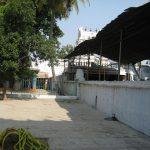
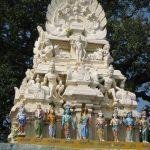
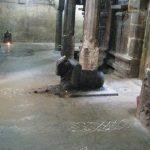
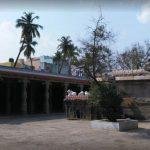
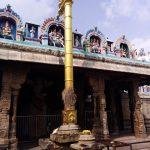
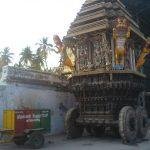



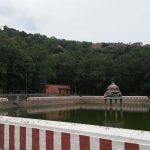
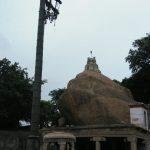

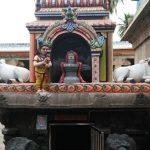
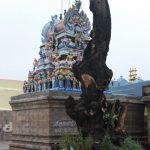
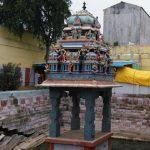

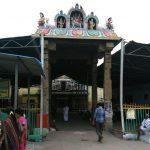
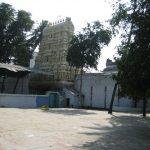
Frequently Asked Questions (FAQ)
1. Is there a VIP darshan entry available?
Currently, the temple does not have a formal VIP entry system. Darshan is based on queue systems. However, for elderly or differently-abled devotees, assistance is provided by temple staff to facilitate a quicker darshan.
2. What is the significance of the Vilwa leaf offering?
As the deity is named Vilvanatheswarar, offering Vilwa (Bael) leaves is considered highly auspicious. It is believed to remove laziness, skin diseases, and ignorance, bestowing the devotee with progeny and wisdom.
3. Can we perform abhishekam with milk/juice?
Yes, Abhishekam is allowed. However, water from the temple well (Neeva Theertham) is traditionally recommended. If bringing external items like milk or fruit juice, a small fee is usually collected at the counter, and the items must be checked.
4. Is online seva booking available for 2026?
For daily pujas, online booking is not yet standardized. Devotees are advised to contact the temple office via the phone numbers listed below or book sevas in person upon arrival. Major festivals may be updated on the local district administration website.
5. Is there accommodation available at the temple?
There is no guest house directly attached to the Vilvanatheswarar Temple. However, there are several lodges and guest houses available in Ranipet and Vellore (approx. 15–20 km), which offer comfortable stays for pilgrims.
6. What is the legend of the Neeva River?
The river was originally further away from the temple. Lord Shiva, seeing the difficulty of the temple priest in fetching water daily, commanded the river to flow closer by saying “Nee Vaa” (Come here in Tamil). Hence, the river was named Neeva.
Recent Posts

Shri Kaamkoteeshwar Mandir, Varanasi – History & Significance
In the heart of Kashi, the eternal city of Lord Shiva, where the Ganges flows with celestial grace, stands the Shri Kaamkoteeshwar Mandir. This sacred Sannidhi is not merely a temple but a profound spiritual bridge between the Northern…

ओ सांवरे तूने ही मुझको संभाला – Lyrics & Meaning
ओ सांवरे तूने ही मुझको संभाला – A Prayer to Shyam Origin & Spiritual Essence Why This Bhajan Resonates Devotees chant this when overwhelmed by life’s storms—the refrain ‘तूने ही मुझको संभाला’ is the soul’s sigh of relief: “You…

कथा ये है महाराज मेरे की – Lyrics & Meaning
कथा ये है महाराज मेरे की छत्रपति संभाजी महाराज – A Prayer to Chhatrapati Sambhaji Maharaj Origin & Spiritual Essence Why This Bhajan Resonates Devotees chant this when their spirit feels tested—its powerful refrain “महाराज मेरे” is a soul’s…

Rigveda Samhita Yathartha Anuvada (ऋग्वेद संहिता यथार्थ अनुवाद) – Complete Set with Anvayartha & Hindi/English Translation
The Rigveda is the oldest surviving scripture of humanity and the foundational text of Sanātana Dharma. For serious students, scholars, UPSC aspirants studying ancient Indian history, Sanskrit learners, and spiritual seekers, a precise and grammatically structured translation is indispensable.…

आना भी अकेला है जाना भी अकेला है – Lyrics & Meaning | BharatTemples
आना भी अकेला है जाना भी अकेला है – A Prayer to the Divine Witness Origin & Spiritual Essence Why This Bhajan Resonates Devotees turn to this bhajan in moments of deep reflection—when life’s attachments begin to ache. The…

माता शेरावाली के द्वार जो भी जाता है – Lyrics & Meaning
माता शेरावाली के द्वार जो भी जाता है – A Prayer to Maa Sherawali Origin & Spiritual Essence Why This Bhajan Resonates Devotees turn to this bhajan in times of fear or uncertainty—its promise that no one leaves Maa’s…

मार लेना सपणी उबार लेणा भवरा – Lyrics & Meaning
मार लेना सपणी उबार लेणा भवरा – A Prayer to the Divine Beloved Origin & Spiritual Essence Why This Bhajan Resonates Devotees chant this in moments of deep vulnerability—its cry of “मार लेना सपणी, उबार लेणा भवरा” is the…

हमें श्याम सुंदर भरोसा तुम्हारा – Lyrics & Meaning
हमें श्याम सुंदर भरोसा तुम्हारा – A Prayer to Shyam Sundar Origin & Spiritual Essence Why This Bhajan Resonates Devotees chant this when feeling alone—its refrain ‘de do sahara’ is the soul’s cry for divine support. Lyrics in Hindi…

Mere Satguru Ne Di Thi Davai Lyrics in Hindi & Meaning
Mere Satguru Ne Di Thi Davai: Invoking the Guru’s Liberating Wisdom This soul-stirring bhajan venerates the Satguru (True Spiritual Master) as the divine physician who dispenses the only remedy for life’s deepest sufferings. Composed by Sant Karmaveer Tufani, it…

Janm Diyo Thari Maa Dukh Dekhiyo Lyrics in Hindi & Meaning
जन्म दियो थारी माँ दुख देखियो (Maa’s Grief Upon Birthing You) This soul-stirring Chetavani Bhajan (admonitory hymn) is addressed to the Divine Mother (Maa) – a call for repentance when children forget their filial duties in the dark age…