
Contents
- 1 The Definitive Pilgrimage Guide: Ananthapura Lake Temple
The Definitive Pilgrimage Guide: Ananthapura Lake Temple
Deep within the coastal district of Kasaragod in Kerala lies a spiritual oasis unlike any other—the Ananthapura Lake Temple. As the Lead Heritage Architect and SEO Strategist for bharattemples.com, I invite you to explore this sanctuary that is not merely a structure of stone and wood, but a living testament to the roots of Anantha Padmanabha Swamy. This guide is engineered to serve as your spiritual compass for 2026, blending devotional depth with practical logistical precision.
1. Introduction & Spiritual Essence
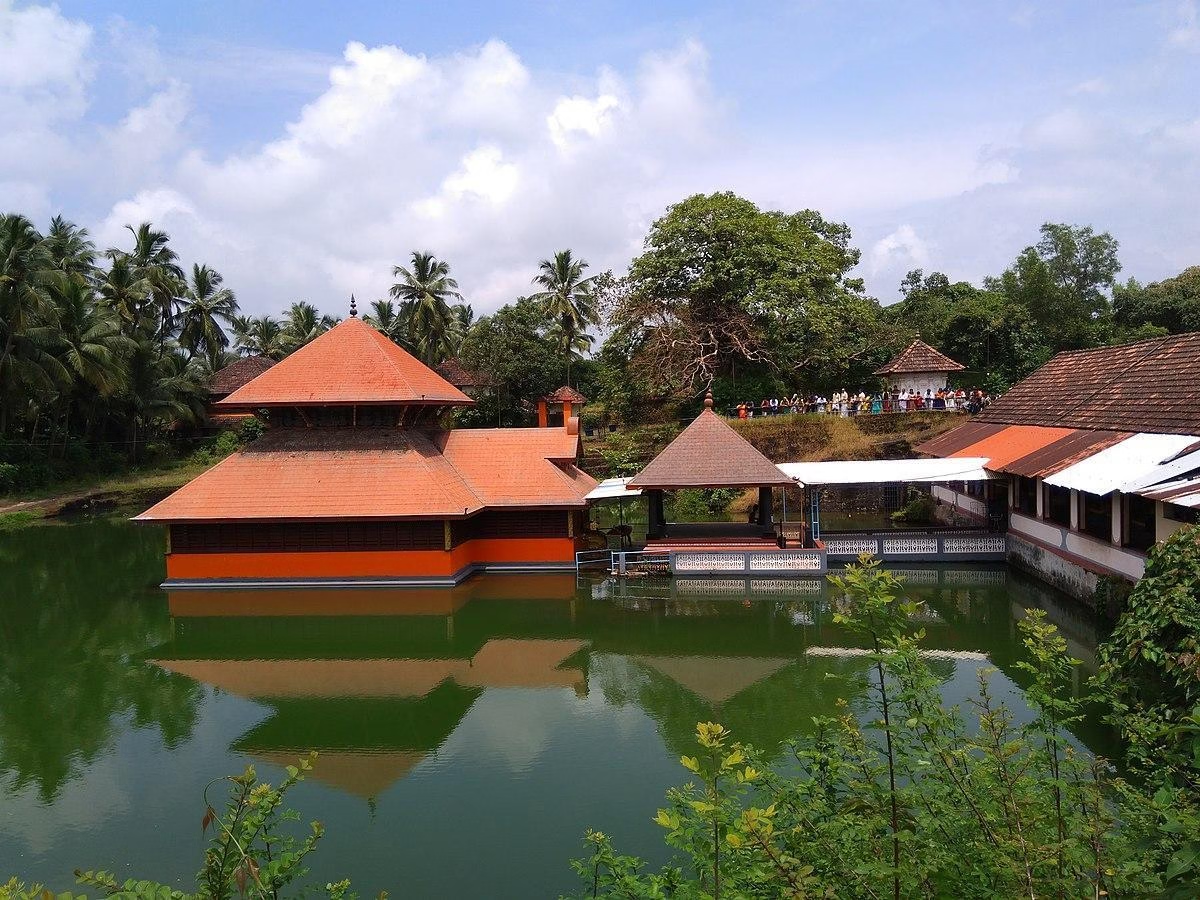
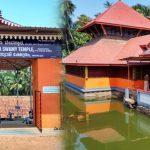
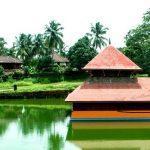
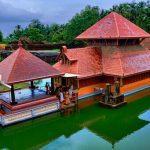
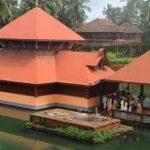
Known locally as Ananthapadmanabhaswamy Temple, this unique shrine stands as the solitary lake temple in Kerala. The temple is built on a small island in the center of a 302-square-acre natural lake, connected to the mainland by a sturdy footbridge.
The Deity & Form
The primary deity is Lord Anantha Padmanabha (a form of Lord Vishnu). Uniquely, the original idol was not fashioned from metal or stone but was a Swayambhu (self-manifested) idol created using Kadu-Sharkara-Yogam, a rare mixture of over 70 medicinal herbs and natural ingredients. While the current idol is in Panchaloha (replaced in 1972), the potency of the original remains the spiritual anchor of the site.
Phalaśruti: The Fruit of Visit
According to temple lore and devotional belief, visiting the Ananthapura Lake Temple is essential for those seeking the blessings of Lord Padmanabha in his original seat (Moolasthanam). Devotees believe that prayers offered here cleanse ancestral karma and remove obstacles in one’s planetary alignment, specifically those governed by Rahu and Ketu. The cave within the lake premises is believed to be a hidden passage connecting directly to the sea and eventually to Thiruvananthapuram.
2. Historical Origins & Scriptural Legend
The Sthala Purana
Tradition holds that the temple’s origins are intertwined with the great Tulu Brahmin sage, Divakara Muni Vilwamangalam. As the legend goes, the sage was performing penance here when Lord Narayana appeared before him in the form of a small boy. The boy agreed to stay only on the condition that he would leave if treated with disrespect. When the sage eventually reacted harshly to the boy’s pranks, the child vanished into a nearby cave.
Vilwamangalam, realizing his folly, entered the cave in pursuit. He journeyed deep and southward, eventually emerging near the sea in Thiruvananthapuram. There, he saw the boy merge into an Illippa tree (Indian butter tree). The tree fell, revealing the form of Lord Vishnu reclining on the serpent Anantha. This established the link between the Ananthapura Moolasthanam and the Sree Padmanabhaswamy Temple in Thiruvananthapuram.
Architectural Lineage
While specific dynastic dating is elusive in public records, the architectural style suggests a lineage of Tuluva Brahmin priests maintaining the traditions over centuries. The temple complex includes ruins of shrines surrounding the lake, indicating it was once a much larger temple complex that has been lovingly preserved by the local community.
3. Architectural Marvels
The architecture of Ananthapura is a harmonious blend of nature and human craftsmanship, typical of the Kerala Style of temple architecture.
- The Lake Setting: The sanctum sanctorum (Sreekovil) sits directly on the water, surrounded by a natural moat. The lake is fed by a perennial spring, ensuring pure water throughout the year.
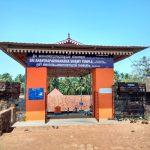
- The Wooden Bridge: The approach to the deity is via a wooden bridge (Namaskara Mandapam) that connects the eastern rock to the island. This design element forces the devotee to walk with focus and balance, symbolizing the crossing of the material ocean.
- Ceiling Art: The ceilings of the Mandapam are adorned with exquisite wood carvings depicting the Dashavatharam (ten incarnations of Vishnu). The Muktha Mandapam features the Nava Grahas (nine planets), painted with natural pigments.
- Sculptures: On either side of the Sreekovil, the Dwaara-palakas (guardians) Jaya and Vijaya are carved in wood.
Heritage Status: The District Tourism Promotion Council (DTPC) actively works to preserve this site for its uniqueness as Kerala’s only lake temple.
4. Darshan & Ritual Logistics (2026 Update)
To ensure a seamless spiritual experience, devotees are encouraged to check the daily schedules and book sevas in advance.
Daily Timings
| Session | Timing |
|---|---|
| Morning Darshan | 07:30 AM – 12:30 PM |
| Afternoon Break | 12:30 PM – 05:00 PM |
| Evening Darshan | 05:30 PM – 07:30 PM |
Key Sevas & Offerings
- Abhishekam: Performed daily during morning hours. The idol is bathed with sanctified water, milk, and herbal extracts.
- Archana: Individual prayers recited by the priest (Paricharaka) in Malayalam and Sanskrit.
- Deeparadhana: The ritual of offering lamps to the deity.
Note: While traditionally on-site, by 2026, the temple administration is expected to offer online seva booking via the official Kerala Devaswom Board portals or associated district tourism links.
2026 Major Festival Dates
The temple comes alive during these celestial observances:
- Vishu (Kerala New Year): April 14, 2026
- Janmashtami (Birth of Lord Krishna): August 14, 2026
- Naraka Chaturdashi/Diwali: October 20, 2026
- Mandala Kalam (Special Poojas): November 2026 – January 2027
5. Practical Visitor Guidance
Dress Code & Etiquette
As with all Kerala temples, modesty is paramount. Men are required to wear Dhoti or Mundu (without shirts is acceptable, vests are permitted). Women should wear sarees, half-sarees, or traditional salwar kameez covering the shoulders. Casual wear like jeans and t-shirts may be restricted at the sanctum entrance.
Photography & Electronics
- Photography inside the Sreekovil (inner sanctum) is strictly prohibited.
- Mobile lockers are available near the entrance for storing electronic devices.
- Flash photography in the heritage wooden mandapam is discouraged to preserve the ancient wood.
Crowd Management & Seasonal Advice
- Best Time to Visit: November to February offers pleasant weather. Avoid peak midday in April/May when humidity is high.
- Water & Essentials: Carry drinking water, as the lake surrounds the temple, keeping it cool, but amenities on the island are minimal.
- Accessibility: The approach bridge is wooden. Persons with mobility issues may require assistance, as the bridge has slight undulations.
6. Pilgrimage Connectivity
How to Reach
The temple is located in Ananthapura, Naikap, approximately 6 km from Kumbla.
- By Air: The nearest airport is Mangalore International Airport (IXE) in Karnataka, approximately 60 km away. The drive takes about 1.5 hours via NH66.
- By Rail: The nearest major railhead is Kasaragod Railway Station (KSE) (approx. 12 km). Alternatively, Kumbla Railway Station is closer but smaller.
- By Road: The temple is accessible via the Kumbala-Badiyadka Road. Devotees driving from Kasaragod town can take the highway towards Kumbla and follow signs for Naikap.
Places of Interest (Pilgrimage Circuit)
- Sree Padmanabhaswamy Temple (Thiruvananthapuram): The ultimate destination, 500+ km south, completing the spiritual circuit.
- Madhur Temple (Kasaragod): A historic Srimad Anantheswara Vinayaka Temple located on the banks of the Madhuvahini river.
- Chandragiri Fort: Located near the Payaswini river, offering historical context to the region’s maritime trade.
7. Frequently Asked Questions (FAQ)
Is there a VIP Darshan entry available?
The Ananthapura Lake Temple follows a community-oriented approach. While there is no formal VIP ticket system, the temple often opens early for special rituals. Donors contributing to temple maintenance may be granted priority access by the temple committee.
Can non-Hindus enter the temple?
Yes. The Ananthapura Lake Temple is open to all visitors regardless of caste, creed, or religion. The administration emphasizes the universal appeal of Lord Padmanabha.
Is swimming allowed in the lake?
Strictly no. The lake is considered a sacred reservoir surrounding the sanctum sanctorum. However, you might spot a resident monitor lizard (locally believed to be the guardian deity of the treasure) or crocodiles in the deep waters.
What is the best way to book Seva online?
For 2026, devotees should check the official website of the Kerala Devaswom Board or the specific temple portal managed by the Kasaragod District Tourism Promotion Council. Links are usually provided on the official contact number (+91 4998 214 360).
Are there accommodation facilities near the temple?
Limited guest houses are available in Kumbla and Kasaragod town. For a spiritual retreat, devotees often prefer staying in Kasaragod town, which offers a range of hotels, and commuting to the temple in the early morning.
Om Namo Narayanaya. May your visit to the Moolasthanam bring peace and prosperity.
Recent Posts

Shri Kaamkoteeshwar Mandir, Varanasi – History & Significance
In the heart of Kashi, the eternal city of Lord Shiva, where the Ganges flows with celestial grace, stands the Shri Kaamkoteeshwar Mandir. This sacred Sannidhi is not merely a temple but a profound spiritual bridge between the Northern…

ओ सांवरे तूने ही मुझको संभाला – Lyrics & Meaning
ओ सांवरे तूने ही मुझको संभाला – A Prayer to Shyam Origin & Spiritual Essence Why This Bhajan Resonates Devotees chant this when overwhelmed by life’s storms—the refrain ‘तूने ही मुझको संभाला’ is the soul’s sigh of relief: “You…

कथा ये है महाराज मेरे की – Lyrics & Meaning
कथा ये है महाराज मेरे की छत्रपति संभाजी महाराज – A Prayer to Chhatrapati Sambhaji Maharaj Origin & Spiritual Essence Why This Bhajan Resonates Devotees chant this when their spirit feels tested—its powerful refrain “महाराज मेरे” is a soul’s…

Rigveda Samhita Yathartha Anuvada (ऋग्वेद संहिता यथार्थ अनुवाद) – Complete Set with Anvayartha & Hindi/English Translation
The Rigveda is the oldest surviving scripture of humanity and the foundational text of Sanātana Dharma. For serious students, scholars, UPSC aspirants studying ancient Indian history, Sanskrit learners, and spiritual seekers, a precise and grammatically structured translation is indispensable.…

आना भी अकेला है जाना भी अकेला है – Lyrics & Meaning | BharatTemples
आना भी अकेला है जाना भी अकेला है – A Prayer to the Divine Witness Origin & Spiritual Essence Why This Bhajan Resonates Devotees turn to this bhajan in moments of deep reflection—when life’s attachments begin to ache. The…

माता शेरावाली के द्वार जो भी जाता है – Lyrics & Meaning
माता शेरावाली के द्वार जो भी जाता है – A Prayer to Maa Sherawali Origin & Spiritual Essence Why This Bhajan Resonates Devotees turn to this bhajan in times of fear or uncertainty—its promise that no one leaves Maa’s…

मार लेना सपणी उबार लेणा भवरा – Lyrics & Meaning
मार लेना सपणी उबार लेणा भवरा – A Prayer to the Divine Beloved Origin & Spiritual Essence Why This Bhajan Resonates Devotees chant this in moments of deep vulnerability—its cry of “मार लेना सपणी, उबार लेणा भवरा” is the…

हमें श्याम सुंदर भरोसा तुम्हारा – Lyrics & Meaning
हमें श्याम सुंदर भरोसा तुम्हारा – A Prayer to Shyam Sundar Origin & Spiritual Essence Why This Bhajan Resonates Devotees chant this when feeling alone—its refrain ‘de do sahara’ is the soul’s cry for divine support. Lyrics in Hindi…

Mere Satguru Ne Di Thi Davai Lyrics in Hindi & Meaning
Mere Satguru Ne Di Thi Davai: Invoking the Guru’s Liberating Wisdom This soul-stirring bhajan venerates the Satguru (True Spiritual Master) as the divine physician who dispenses the only remedy for life’s deepest sufferings. Composed by Sant Karmaveer Tufani, it…

Janm Diyo Thari Maa Dukh Dekhiyo Lyrics in Hindi & Meaning
जन्म दियो थारी माँ दुख देखियो (Maa’s Grief Upon Birthing You) This soul-stirring Chetavani Bhajan (admonitory hymn) is addressed to the Divine Mother (Maa) – a call for repentance when children forget their filial duties in the dark age…