
Contents
1. Introduction & Spiritual Essence
Julfa Mata Temple, located in the serene environs of Nangal, Punjab, is a revered spiritual sanctuary dedicated to Maa Julfa, a form of the Divine Mother (Adishakti). Often referred to locally as the Julfa Devi or Julfa Mata Mandir, this sacred site is historically linked to the ancient Shakti Peethas, hallowed grounds where the body parts of Goddess Sati fell.
The Divine Form
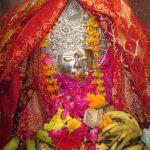
The temple houses a Swayambhu (self-manifested) idol of the Goddess. While the presiding deity is Julfa Mata, the temple complex also honors Lord Shiva (as Shiva). The spiritual form is that of the benevolent mother who protects her devotees from misfortune.
Phalaśruti: The Benefits of Visiting
According to local tradition and scriptural accounts, visiting the Julfa Mata Temple brings profound spiritual benefits:
- Ancestral Liberation: It is believed that performing rituals here helps cleanse ancestral karma (Pitra Dosha), offering peace to departed souls.
- Resolution of Conflicts: Devotees visit to seek blessings for harmony in family disputes and marital issues.
- Removal of Obstacles: As a fierce yet benevolent form of Shakti, Mata removes obstacles in career and education.
2. Historical Origins & Scriptural Legend
The history of the Julfa Mata Temple is deeply rooted in the Shaktism tradition and the legend of Maa Sati.
The Legend of the Hair (Julfa)
The Sthala Purana (local oral legend) recounts the cosmic event following the self-immolation of Goddess Sati at the Yajna of Daksha. Overcome by grief and rage, Lord Shiva carried her body across the three worlds. To quell his destructive dance (Tandava), Lord Vishnu used his Sudarshana Chakra to dismember the body into 51 pieces.
It is believed that at this very spot in Nangal, Punjab, a part of Sati’s body—the hair—fell. The word “Julfa” translates to “hair” or “forelock” in local dialects, giving the Goddess her name and the site its potency as a Shakti Peeth.
Historical Construction
While the site has been a place of worship since ancient times, the current temple structure was developed over recent centuries, serving as a vital spiritual anchor for the region. Tradition holds that the site remained a hidden sanctuary before the road access was established.
3. Architectural Marvels
The temple architecture is a blend of traditional Himalayan and Pahari styles, adapted to the geography of the Nangal hills.
Structure and Design
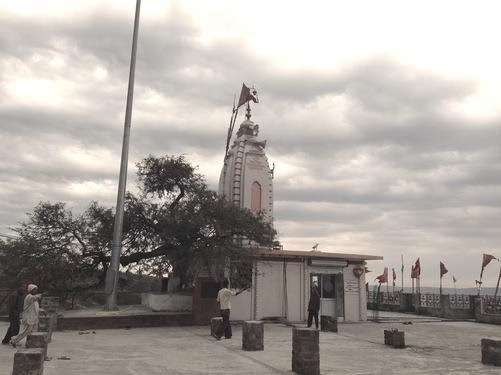
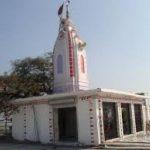
Perched on the hills of the Nangal–Hambewal road, the temple features a tiered Shikhara (spire) typical of North Indian temple architecture. The Mandapa (pillared hall) is designed to offer panoramic views of the surrounding valley, enhancing the meditative experience.
Sculptural Elements
The sanctum (Garbhagriha) is adorned with traditional motifs. Adjacent to the main shrine, a Peepal tree (Ficus religiosa) stands as a sacred witness. Devotees practice the ritual of tying Molis (sacred threads) around the tree bark, symbolizing the binding of their vows to the divine.
4. Darshan & Ritual Logistics
Planning your visit ensures a peaceful darshan. Below are the standard timings and ritual options for 2026.
Daily Temple Timings
The temple generally remains open from early morning until late evening.
| Session | Timings |
|---|---|
| Morning Darshan | 06:00 AM – 12:00 PM |
| Afternoon Break | 12:00 PM – 04:00 PM |
| Evening Darshan | 04:00 PM – 08:00 PM |
*Note: Timings may vary slightly during festivals. It is advisable to check local listings before travel.
Sevas and Offerings
Devotees can participate in several Vedic rituals:
- Abhishekam: Ritual bathing of the deity (usually performed in the morning).
- Archana: Recitation of the 108 names of the Goddess.
- Special Offerings: Traditional offerings include Suji Halwa, Laddu, Barfi, Kheel (sugar-coated puffed rice), and Narial (coconut).
Online Seva Booking
While traditional walk-ins are welcome, the temple management is increasingly digitizing services. For specific sevas, check the official Punjab temple portal or contact the temple administration directly.
2026 Festival Calendar
Mark your calendars for these peak spiritual periods in 2026:
- Navratri I (Spring): March 30 – April 7
- Navratri II (Autumn): September 22 – October 1
- Sawan Month: July – August (Specific Mondays are highly auspicious for Shiva worship).
5. Practical Visitor Guidance
Code of Conduct & Dress Code
Modesty is essential. Men should wear Dhoti/Kurta or formal trousers/shirts. Women should opt for Sarees, Salwar Kameez, or modest western attire. Avoid shorts and sleeveless tops.
Photography and Mobiles
Photography is generally discouraged inside the sanctum (Garbhagriha). Photography may be permitted in the courtyard but requires permission from temple authorities. Mobile lockers are available near the entrance for storage, as phones are not allowed inside the inner shrine.
Crowd Management & Best Time to Visit
The temple sees heavy footfall during Navratri and weekends.
- Best Hours: Early morning (6:00 AM – 8:00 AM) or late evening (after 7:00 PM).
- Seasonal Advice: Punjab summers (May-June) are scorching; carry water and a head cover. Winters (December-January) are foggy; travel early.
Accessibility
The temple is located on a hill. While vehicles can approach the base, there are stairs leading to the shrine. Visitors with mobility issues may need assistance. There is ample parking available at the foothills.
6. Pilgrimage Connectivity
How to Reach
- By Road: Nangal is well-connected via NH 344. From Nangal town, take the Hambewal Road (approx 5 km) to reach the temple base.
- By Rail: The nearest major railway station is Nangal Dam Railway Station (approx 8 km).
- By Air: The nearest airport is Sri Guru Ram Dass Jee International Airport, Amritsar (approx 100 km).
Nearby Sacred Sites (Pilgrimage Circuit)
Enhance your journey by visiting these nearby spiritual landmarks:
- Shri Naina Devi Ji Temple: One of the 51 Shakti Peethas, located nearby in the Bilaspur district of Himachal Pradesh.
- Bhakra Nangal Dam: A marvel of engineering and a site of scenic beauty.
- Shri Jateshwar Mahadev Temple: An ancient cave temple dedicated to Lord Shiva.
Photo Gallery

7. Frequently Asked Questions (FAQ)
Is there a VIP darshan entry available at Julfa Mata Temple?
Currently, the temple management encourages equal access for all devotees. While there is no formal VIP ticket system, priority is given to elderly citizens and differently-abled visitors during peak hours.
Can I perform the Abhishekam myself?
Typically, the resident priest performs the Abhishekam. However, you can sponsor the ritual and observe it from the designated area. You may be allowed to offer milk or water during specific slots.
Is there accommodation available near the temple?
Basic guesthouses and Dharamshalas are available in Nangal town (approx 5 km away). For luxury hotels, visitors can stay in Rupnagar (Ropar).
What is the significance of the Peepal tree at the temple?
The Peepal tree is considered a manifestation of the Trinity (Brahma, Vishnu, Shiva). Tying a thread (Moli) around it is believed to seal a wish made to the Goddess.
Is the temple accessible in the monsoon?
Yes, but the hill roads can become slippery. It is advised to wear proper footwear and check weather advisories before visiting during heavy rains.
Recent Posts

Shri Kaamkoteeshwar Mandir, Varanasi – History & Significance
In the heart of Kashi, the eternal city of Lord Shiva, where the Ganges flows with celestial grace, stands the Shri Kaamkoteeshwar Mandir. This sacred Sannidhi is not merely a temple but a profound spiritual bridge between the Northern…

ओ सांवरे तूने ही मुझको संभाला – Lyrics & Meaning
ओ सांवरे तूने ही मुझको संभाला – A Prayer to Shyam Origin & Spiritual Essence Why This Bhajan Resonates Devotees chant this when overwhelmed by life’s storms—the refrain ‘तूने ही मुझको संभाला’ is the soul’s sigh of relief: “You…

कथा ये है महाराज मेरे की – Lyrics & Meaning
कथा ये है महाराज मेरे की छत्रपति संभाजी महाराज – A Prayer to Chhatrapati Sambhaji Maharaj Origin & Spiritual Essence Why This Bhajan Resonates Devotees chant this when their spirit feels tested—its powerful refrain “महाराज मेरे” is a soul’s…

Rigveda Samhita Yathartha Anuvada (ऋग्वेद संहिता यथार्थ अनुवाद) – Complete Set with Anvayartha & Hindi/English Translation
The Rigveda is the oldest surviving scripture of humanity and the foundational text of Sanātana Dharma. For serious students, scholars, UPSC aspirants studying ancient Indian history, Sanskrit learners, and spiritual seekers, a precise and grammatically structured translation is indispensable.…

आना भी अकेला है जाना भी अकेला है – Lyrics & Meaning | BharatTemples
आना भी अकेला है जाना भी अकेला है – A Prayer to the Divine Witness Origin & Spiritual Essence Why This Bhajan Resonates Devotees turn to this bhajan in moments of deep reflection—when life’s attachments begin to ache. The…

माता शेरावाली के द्वार जो भी जाता है – Lyrics & Meaning
माता शेरावाली के द्वार जो भी जाता है – A Prayer to Maa Sherawali Origin & Spiritual Essence Why This Bhajan Resonates Devotees turn to this bhajan in times of fear or uncertainty—its promise that no one leaves Maa’s…

मार लेना सपणी उबार लेणा भवरा – Lyrics & Meaning
मार लेना सपणी उबार लेणा भवरा – A Prayer to the Divine Beloved Origin & Spiritual Essence Why This Bhajan Resonates Devotees chant this in moments of deep vulnerability—its cry of “मार लेना सपणी, उबार लेणा भवरा” is the…

हमें श्याम सुंदर भरोसा तुम्हारा – Lyrics & Meaning
हमें श्याम सुंदर भरोसा तुम्हारा – A Prayer to Shyam Sundar Origin & Spiritual Essence Why This Bhajan Resonates Devotees chant this when feeling alone—its refrain ‘de do sahara’ is the soul’s cry for divine support. Lyrics in Hindi…

Mere Satguru Ne Di Thi Davai Lyrics in Hindi & Meaning
Mere Satguru Ne Di Thi Davai: Invoking the Guru’s Liberating Wisdom This soul-stirring bhajan venerates the Satguru (True Spiritual Master) as the divine physician who dispenses the only remedy for life’s deepest sufferings. Composed by Sant Karmaveer Tufani, it…

Janm Diyo Thari Maa Dukh Dekhiyo Lyrics in Hindi & Meaning
जन्म दियो थारी माँ दुख देखियो (Maa’s Grief Upon Birthing You) This soul-stirring Chetavani Bhajan (admonitory hymn) is addressed to the Divine Mother (Maa) – a call for repentance when children forget their filial duties in the dark age…