
Contents
- 1 Sarba Siddhar Jeeva Samadhi Temple, Mangadu, Chennai
Sarba Siddhar Jeeva Samadhi Temple, Mangadu, Chennai
| Date built: | – |
|---|---|
| Deity: | Sarba Siddhar Jeeva Samadhi |
| Architectural style: | Dravidian architecture |
| Major festivals | – |
| Locale: | Mangadu |
| District:: | Chennai |
| Address: | – |
| Phone | – |
Introduction & Spiritual Essence
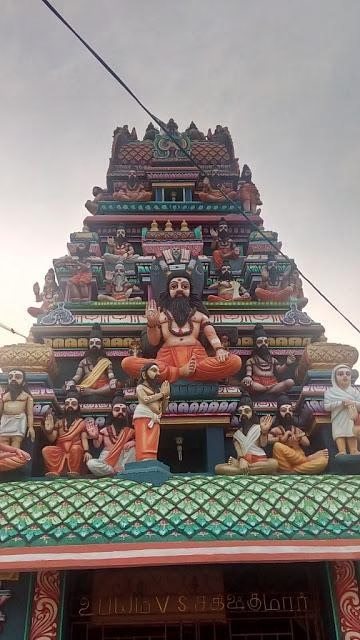
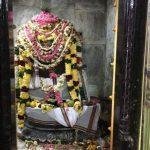
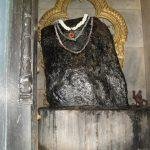
The Sarba Siddhar Jeeva Samadhi Temple in Mangadu, Chennai, is a unique spiritual sanctuary dedicated to the legendary Siddhar Sarba Siddhar, a revered figure in Tamil Siddha medicine and mysticism. Unlike typical temple structures centered around a Murti (idol), this shrine is centered around a Jeeva Samadhi—the living tomb of the sage. It is widely believed that Sarba Siddhar entered Samadhi (a state of meditative consciousness) at this very spot, merging his physical form with the divine.
Phalaśruti (Spiritual Benefits):
Devotees flock to this temple seeking healing and resolution. According to local tradition, offering prayers here helps in:
- Astrological Relief: Alleviating adverse effects of planetary alignments, particularly Saturn (Shani) and Rahu.
- Physical Healing: The Siddhar is renowned for his mastery in Siddha medicine; devotees pray for cure from chronic illnesses.
- Ancestral Karma: Performing rituals here is believed to cleanse ancestral sins and bring peace to departed souls.
Historical Origins & Scriptural Legend
The Tale of Sarba Siddhar
While specific records of the construction date are sparse in modern archives, the temple’s spiritual lineage traces back centuries to the era of the 18 Siddhars (Tamil spiritual scientists). According to the Sthala Purana, Sarba Siddhar was a wandering sage who possessed the ability to cure any disease (Sarba Roga Nivarani). He chose Mangadu for his final meditation due to the region’s potent geomagnetic energy.
Architectural Origins:
Tradition holds that the local community preserved the Samadhi site over generations. The structure we see today, while modest, reflects the simplicity of ascetic life. The temple is situated near Govinda Rajapuram, retaining the rustic charm of the area’s agrarian past before urbanization in Chennai expanded.
Architectural Marvels
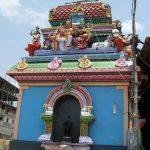
The temple exemplifies the Dravidian style of architecture, focusing on spiritual functionality rather than ornate grandeur. The sanctity of the site lies in the Samadhi structure itself.
- The Sanctum (Sannidhi): The inner shrine houses the Jeeva Samadhi. The structure is usually low-roofed, typical of memorial shrines, inducing a sense of humility upon entry.
- Presiding Deity: While the Samadhi is central, the temple also houses shrines for Lord Murugan and Lord Vinayagar (Ganesha), aligning with Tamil devotional traditions.
- Vastu Shastra: The temple is oriented to receive morning sunlight directly into the sanctum, symbolizing the dispelling of ignorance (Avidya).
- Panchaloha Idol: A brass idol of Sarba Siddhar is placed above the Samadhi pit for daily Abhishekam.
Photo Gallery

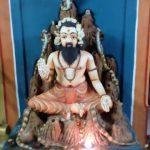
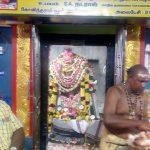

Darshan & Ritual Logistics (2026 Guide)
Visitors are advised to verify timings during major festivals. The temple operates on a schedule that aligns with the Pradosham hours.
Daily Timings
| Day | Morning Session | Evening Session |
|---|---|---|
| Monday – Saturday | 08:00 AM – 09:30 AM | 04:30 PM – 07:30 PM |
| Sunday | 08:00 AM – 12:00 PM | 04:00 PM – 09:00 PM |
Key Sevas & Offerings
- Abhishekam: Performed with milk, honey, and sandalwood paste.
- Archana: Chanting of Siddhar names and Skanda Shashti verses.
- Candle Lighting: A prominent ritual here involves lighting ghee lamps for ancestral peace.
Online Booking:
Currently, this specific shrine operates largely on a first-come, first-served basis. However, for the nearby Mangadu Kamakshi Amman Temple, online booking is available via the official Tamil Nadu HR&CE portal. It is recommended to contact the local trust via phone for specific Pooja requests.
2026 Festival Dates
- Thai Poosam: January 13, 2026
- Thaipusam: January 22, 2026
- Skanda Shashti: February 25 – March 2, 2026
- Aadi Perukku: August 3, 2026
- Deepavali: October 20, 2026
- Pongal: January 14, 2026
Practical Visitor Guidance
To ensure a serene experience, please adhere to the following guidelines:
- Dress Code: Traditional attire is strictly preferred. Men should wear Dhoti or trousers with a shirt; Women should wear Saree or Salwar Kameez. Avoid shorts and sleeveless tops.
- Photography: Photography is generally prohibited inside the main sanctum (Sanctum Sanctorum) to maintain the sanctity of the Samadhi. Flash photography is strictly banned.
- Mobile & Lockers: There are no digital locker facilities at this small shrine. It is advisable to travel light and keep electronic devices on silent mode.
- Crowd Management:
- Best Hours: Weekday mornings (8:00 AM – 9:00 AM) offer the most peaceful Darshan.
- Weekends: Expect moderate crowds; Sundays have extended hours but are busier.
- Seasonal Advice: Mangadu can get humid in April and May. Carry a water bottle and an umbrella. The Aadi month (July-August) sees high footfall due to rituals for ancestors.
- Accessibility: The temple has a single-step entry. It is not wheelchair accessible due to the ancient nature of the structure.
Pilgrimage Connectivity
The temple is strategically located in the suburban belt of Chennai, making it accessible via road.
How to Reach
- By Metro: The nearest metro station is Moyalar Banjai (16 km) or Guindy (14 km). From there, take an auto-rickshaw (approx. 30 mins).
- By Bus: The nearest bus stop is Kozhumanivakkam (800 meters) or Mangadu Bus Stop (1.5 km).
Key Bus Routes:- From Egmore: M53E, M53P
- From Central: M53E, 17B, M53P, 54M
- From Koyambedu: M17BCT
- By Road: From Chennai Central, take the NH48 (Mount Poonamallee Road). Take a left at the Kumananchaavadi junction towards Mangadu. The temple is located behind SMIT Engineering College on the route to Pattu Mangadu.
- By Air: Chennai International Airport (MAA) is approximately 17 km away (40-50 mins by cab).
Nearby Sacred Sites (Pilgrimage Circuit)
While in Mangadu, devotees often visit these powerful shrines to complete their spiritual circuit:
- Kamakshi Amman Temple: Located just 1.5 km away. A historic temple dedicated to Goddess Kamakshi, known for its golden chariot and vibrant festivals.
- Arulmigu Marudeeswarar Temple (Thiruveduthi): Located in Poonamallee (approx. 8 km). Known for its association with Lord Shiva as a healer.
- Shri Surya Narayana Perumal Temple: Located in Marudham (approx. 10 km). A unique temple dedicated to the Sun God.
Frequently Asked Questions (FAQ)
1. Is there a VIP Darshan entry available at Sarba Siddhar Temple?
No, there is no formal VIP entry or ticket system. The temple follows a traditional queue system. However, priority is sometimes given to elderly devotees and those offering specific Abhishekam materials.
2. Can I perform Tarpanam (ancestral rites) here?
Yes. Sarba Siddhar is revered for relieving ancestors from cycle of rebirths. Many families perform Tarpanam and offer Pinda Pradhanam near the Samadhi. It is best to consult the temple priest for the correct ritual procedure.
3. What is the difference between a temple and a Jeeva Samadhi?
A traditional temple houses a deity’s idol representing God. A Jeeva Samadhi is the resting place of a realized Saint or Siddhar who consciously chose to leave their physical body at that spot. The energy of the Saint is believed to reside there, making it a powerful spot for meditation.
4. Are non-Hindus allowed inside?
The temple is open to all seekers of spirituality. While the rituals are rooted in Hindu tradition, people of all faiths visit for healing and peace.
5. What are the contact details for the temple?
As this is a community-managed shrine, a direct official phone number may not always be available. However, inquiries can be made at the Mangadu Kamakshi Amman Temple office or through the Tamil Nadu Tourism Department at Guindy.
Recent Posts

Shri Kaamkoteeshwar Mandir, Varanasi – History & Significance
In the heart of Kashi, the eternal city of Lord Shiva, where the Ganges flows with celestial grace, stands the Shri Kaamkoteeshwar Mandir. This sacred Sannidhi is not merely a temple but a profound spiritual bridge between the Northern…

ओ सांवरे तूने ही मुझको संभाला – Lyrics & Meaning
ओ सांवरे तूने ही मुझको संभाला – A Prayer to Shyam Origin & Spiritual Essence Why This Bhajan Resonates Devotees chant this when overwhelmed by life’s storms—the refrain ‘तूने ही मुझको संभाला’ is the soul’s sigh of relief: “You…

कथा ये है महाराज मेरे की – Lyrics & Meaning
कथा ये है महाराज मेरे की छत्रपति संभाजी महाराज – A Prayer to Chhatrapati Sambhaji Maharaj Origin & Spiritual Essence Why This Bhajan Resonates Devotees chant this when their spirit feels tested—its powerful refrain “महाराज मेरे” is a soul’s…

Rigveda Samhita Yathartha Anuvada (ऋग्वेद संहिता यथार्थ अनुवाद) – Complete Set with Anvayartha & Hindi/English Translation
The Rigveda is the oldest surviving scripture of humanity and the foundational text of Sanātana Dharma. For serious students, scholars, UPSC aspirants studying ancient Indian history, Sanskrit learners, and spiritual seekers, a precise and grammatically structured translation is indispensable.…

आना भी अकेला है जाना भी अकेला है – Lyrics & Meaning | BharatTemples
आना भी अकेला है जाना भी अकेला है – A Prayer to the Divine Witness Origin & Spiritual Essence Why This Bhajan Resonates Devotees turn to this bhajan in moments of deep reflection—when life’s attachments begin to ache. The…

माता शेरावाली के द्वार जो भी जाता है – Lyrics & Meaning
माता शेरावाली के द्वार जो भी जाता है – A Prayer to Maa Sherawali Origin & Spiritual Essence Why This Bhajan Resonates Devotees turn to this bhajan in times of fear or uncertainty—its promise that no one leaves Maa’s…

मार लेना सपणी उबार लेणा भवरा – Lyrics & Meaning
मार लेना सपणी उबार लेणा भवरा – A Prayer to the Divine Beloved Origin & Spiritual Essence Why This Bhajan Resonates Devotees chant this in moments of deep vulnerability—its cry of “मार लेना सपणी, उबार लेणा भवरा” is the…

हमें श्याम सुंदर भरोसा तुम्हारा – Lyrics & Meaning
हमें श्याम सुंदर भरोसा तुम्हारा – A Prayer to Shyam Sundar Origin & Spiritual Essence Why This Bhajan Resonates Devotees chant this when feeling alone—its refrain ‘de do sahara’ is the soul’s cry for divine support. Lyrics in Hindi…

Mere Satguru Ne Di Thi Davai Lyrics in Hindi & Meaning
Mere Satguru Ne Di Thi Davai: Invoking the Guru’s Liberating Wisdom This soul-stirring bhajan venerates the Satguru (True Spiritual Master) as the divine physician who dispenses the only remedy for life’s deepest sufferings. Composed by Sant Karmaveer Tufani, it…

Janm Diyo Thari Maa Dukh Dekhiyo Lyrics in Hindi & Meaning
जन्म दियो थारी माँ दुख देखियो (Maa’s Grief Upon Birthing You) This soul-stirring Chetavani Bhajan (admonitory hymn) is addressed to the Divine Mother (Maa) – a call for repentance when children forget their filial duties in the dark age…