
Contents
- 1 Introduction & Spiritual Essence
- 2 Historical Origins & Scriptural Legend
- 3 Architectural Marvels
- 4 Darshan & Ritual Logistics
- 5 Practical Visitor Guidance
- 6 Pilgrimage Connectivity
- 7 Frequently Asked Questions (FAQs)
- 7.1 1. What is the primary deity’s name at Thiruvanpurushothamam Temple?
- 7.2 2. Is there a VIP Darshan entry available?
- 7.3 3. How is this temple associated with Thirumangai Alvar?
- 7.4 4. What are the accommodation options near the temple?
- 7.5 5. What is the significance of the ‘Sanjeevi Vigraha Vimaanam’?
Introduction & Spiritual Essence
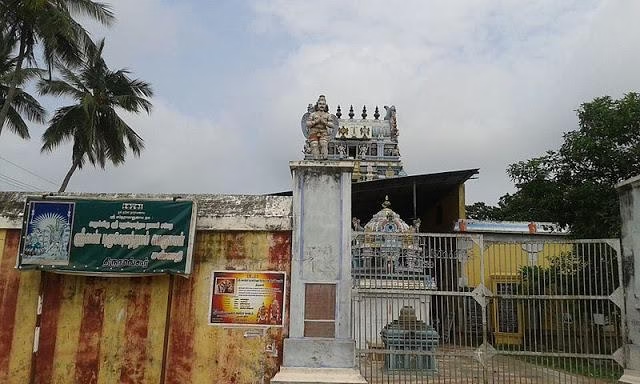
Located in the holy hamlet of Thirunangur in Nagapattinam district, the Thiruvanpurushothamam Purushotama Perumal Temple stands as a luminous beacon of Vaishnavism. This sacred site is glorified in the Divya Prabandha, the canonical work of the Alvar saints. The primary deity here is worshipped as Purushotama Perumal (an aspect of Lord Vishnu), and the consort is Purushotama Nayagi (Goddess Lakshmi).
Form of the Deity: The presiding deity is a Swayambhu (self-manifested) vigraha, depicted in a seated posture. The temple is one of the 108 Divyadesams and is part of the Thirunangur Tirupathis.
Phalaśruti (Spiritual Benefits):
Devotees visit this temple seeking the removal of delays and obstacles in marriage matters, blessings for child boons, and excellence in education. Ritual purification, known as Thirumanjanam, is performed here with vastras (clothes) to attain peace and prosperity. The temple is also known for alleviating ancestral karma through sincere prayer.
Historical Origins & Scriptural Legend
Scriptural Association:
The temple is deeply associated with Thirumangai Alvar, one of the twelve Alvars of the 6th–9th centuries AD. He dedicated his paasurams (verses) to these Divyadesams, glorifying their spiritual significance.
The Divine Legend:
Tradition holds that this region is central to one of the most dramatic events in Puranic history. According to the Sthala Purana, Lord Shiva began the Rudra Tandavam (furious cosmic dance) in grief after the sacrifice of Sati (Uma) by Daksha. Every time his hair touched the ground, eleven forms of Shiva appeared. To avert the decimation of creation, the celestial deities prayed to Lord Vishnu.
Lord Vishnu appeared here to pacify Shiva. Pleased, Shiva requested Vishnu to manifest in eleven forms as he had. Consequently, Vishnu appeared in eleven different forms across Thirunangur, establishing the region as a unique Kshetra where both Vishnu and Shiva are revered together. This temple specifically commemorates the form of Purushotama.
Architectural Marvels
Architectural Style:
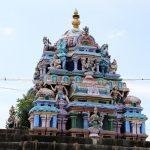
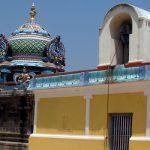
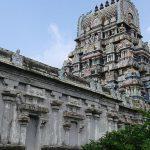
The temple follows the classic Dravidian style of architecture. It features a modest yet spiritually potent structure typical of the 108 Divyadesams. While specific large-scale Rajagopurams (tall gateway towers) are less common in some smaller Thirunangur temples, the sanctity lies in the Garbhagriha (inner sanctum).
Key Elements:
– Vimana (Tower): The Sanjeevi Vigraha Vimaanam—named to signify the legendary Sanjeevi herb that saved Lord Rama’s army. This indicates the medicinal and healing nature of the temple site.
– Sculpture: Intricate carvings depicting the Thirumangai Alvar narratives and the union of Vishnu and Shiva.
– Sanctum Structure: The temple is an Ekala form (single shrine structure), holding significant historical value in the study of Tamil Nadu’s temple evolution.
While this specific temple is not a UNESCO site, it falls under the purview of local temple trusts and conservation efforts.
Darshan & Ritual Logistics
The temple maintains traditional Pooja timings. Please note that timings are subject to change during festivals. We recommend contacting the temple authorities at +91-4364-256221 before planning your visit.
Daily Darshan & Ritual Schedule
| Pooja / Ritual | Timing |
|---|---|
| Ushathkalam Pooja (Morning) | 8:00 AM |
| Kala Santhi Pooja (Mid-Morning) | 10:00 AM |
| Temple Closing (Afternoon) | 11:30 AM |
| Sayarakshai Pooja (Evening) | 5:00 PM |
| Ardha Jamam Pooja (Night) | 7:00 PM |
| Temple Closing (Night) | 8:00 PM |
Key Sevas and Online Booking
- Thirumanjanam (Abhishekam): Performed with water, milk, and herbal extracts.
- Archana (Suprabhatam): Chanting of holy names.
- Anna Daanam (Food Offering): Daily free meals (check availability).
Note: While online booking for specific sevas in smaller Thirunangur temples is often managed directly at the temple counter, advance booking for major festivals is usually coordinated through local trusted Archakas. Dedicated online portals are in development for the Nagapattinam district temple network.
Festival Dates (2026 Specific)
Temple festivals are vibrant and deeply traditional. Key dates for 2026 are:
- Thai Brahmotsavam: (Jan 15 – Jan 25, 2026) – The major festival featuring the Garuda Vahana procession, where idols from all 11 Thirunangur Divyadesams converge.
- Garuda Sevai: (Typically the last day of Thai month) – A spectacular visual feast of Thirumangai Alvar processing on a Hamsa Vahana.
- Panguni Uthiram: (March 20 – March 31, 2026) – Celebrated with high spiritual fervor.
- Vaikasi Brahmotsavam: (May 15 – May 25, 2026) – Summer festival.
Practical Visitor Guidance
Dress Code & Etiquette
As a traditional Vishnu temple, strict dress codes are followed. Men must wear Dhoti or formal trousers with a shirt. Women must wear saree, half-saree, or traditional salwar kameez. Modern casuals like shorts are prohibited.
Photography & Lockers
Photography of the inner sanctum is strictly prohibited. Mobile phones must be switched to silent mode. While there is no dedicated high-tech locker system, the temple management provides a counter for electronic items during darshan.
Crowd Management & Accessibility
- Best Time to Visit: Weekday mornings (8:00 AM – 9:30 AM) are least crowded. Evenings are occupied by local rituals.
- Accessibility: The temple has gravel pathways. It is accessible for devotees with basic mobility, though wheelchairs may face difficulty on the unpaved approach from the bus stop.
- Seasonal Advice: Nagapattinam district is coastal. Carry water and sun protection in May and June. The Thai (Jan/Feb) month offers pleasant weather for the main festival.
Pilgrimage Connectivity
How to Reach Thirunangur
The temple is located 8 km from Sirkazhi and approximately 20 km from Mayavaram (Mayiladuthurai).
By Road:
Get down at the Annan Koil bus stop (on the Sirkazhi-Nagapattinam route). From there, it is a 2 km eastward walk or an auto-rickshaw ride. TNSTC buses regularly ply this route from Sirkazhi and Mayavaram.
By Train:
The nearest major railway junction is Sirkazhi (10 km). Mayiladuthurai Junction (20 km) is also a viable option with excellent connectivity to Chennai and Tiruchirapalli.
By Air:
Tiruchirapalli International Airport (TRZ) is the closest major airport, located approximately 145 km away.
Nearby Sacred Sites
Thirunangur is a unique spiritual circuit. Pilgrims are encouraged to visit:
- Sri Pranavarteswarar Temple: Located in the same village, this Shiva temple is paired with the Vishnu temples here. Legend says Lord Vishnu worshipped Shiva here.
- Thiruvali-Thirunagari: The birthplace of Thirumangai Alvar, located just a few kilometers away. This is the spot where the saint and his consort are believed to have united spiritually.
- Sirkazhi (Thirukkadiyur): The home of the child saint Thirugnana Sambandar. Located just 8 km north, this is a must-visit for Shaivites before heading to the Tirupathis.
Frequently Asked Questions (FAQs)
1. What is the primary deity’s name at Thiruvanpurushothamam Temple?
The primary deity is Purushotama Perumal (Vishnu), and the goddess is Purushotama Nayagi. The site is also popularly referred to as Thiruvanpurushothamam.
2. Is there a VIP Darshan entry available?
No, this is a traditional Divyadesam temple. There is no specific “VIP Darshan” counter. The management maintains an egalitarian approach, though special arrangements can be made for groups or senior citizens upon prior request via the temple phone number: +91-4364-256221.
3. How is this temple associated with Thirumangai Alvar?
Thirumangai Alvar is the chief patron saint of the Thirunangur Tirupathis. He composed verses in praise of the deity here. During the annual Mangalasasana Utsavam, his festival idol is brought here, and his verses are chanted inside the sanctum.
4. What are the accommodation options near the temple?
Accommodation in Thirunangur village is limited to basic homestays. It is advisable to stay in Sirkazhi or Mayiladuthurai, where numerous lodges and star hotels are available.
5. What is the significance of the ‘Sanjeevi Vigraha Vimaanam’?
The temple’s roof structure (Vimana) is named after the Sanjeevi herb from mythology. It signifies the temple’s association with healing and the boon that Sage Ubamanyu received here, where Lord Purushotama created the Thiruppaarkadal (Milk Ocean) to feed the sage’s hungry child.



Recent Posts

Shri Kaamkoteeshwar Mandir, Varanasi – History & Significance
In the heart of Kashi, the eternal city of Lord Shiva, where the Ganges flows with celestial grace, stands the Shri Kaamkoteeshwar Mandir. This sacred Sannidhi is not merely a temple but a profound spiritual bridge between the Northern…

ओ सांवरे तूने ही मुझको संभाला – Lyrics & Meaning
ओ सांवरे तूने ही मुझको संभाला – A Prayer to Shyam Origin & Spiritual Essence Why This Bhajan Resonates Devotees chant this when overwhelmed by life’s storms—the refrain ‘तूने ही मुझको संभाला’ is the soul’s sigh of relief: “You…

कथा ये है महाराज मेरे की – Lyrics & Meaning
कथा ये है महाराज मेरे की छत्रपति संभाजी महाराज – A Prayer to Chhatrapati Sambhaji Maharaj Origin & Spiritual Essence Why This Bhajan Resonates Devotees chant this when their spirit feels tested—its powerful refrain “महाराज मेरे” is a soul’s…

Rigveda Samhita Yathartha Anuvada (ऋग्वेद संहिता यथार्थ अनुवाद) – Complete Set with Anvayartha & Hindi/English Translation
The Rigveda is the oldest surviving scripture of humanity and the foundational text of Sanātana Dharma. For serious students, scholars, UPSC aspirants studying ancient Indian history, Sanskrit learners, and spiritual seekers, a precise and grammatically structured translation is indispensable.…

आना भी अकेला है जाना भी अकेला है – Lyrics & Meaning | BharatTemples
आना भी अकेला है जाना भी अकेला है – A Prayer to the Divine Witness Origin & Spiritual Essence Why This Bhajan Resonates Devotees turn to this bhajan in moments of deep reflection—when life’s attachments begin to ache. The…

माता शेरावाली के द्वार जो भी जाता है – Lyrics & Meaning
माता शेरावाली के द्वार जो भी जाता है – A Prayer to Maa Sherawali Origin & Spiritual Essence Why This Bhajan Resonates Devotees turn to this bhajan in times of fear or uncertainty—its promise that no one leaves Maa’s…

मार लेना सपणी उबार लेणा भवरा – Lyrics & Meaning
मार लेना सपणी उबार लेणा भवरा – A Prayer to the Divine Beloved Origin & Spiritual Essence Why This Bhajan Resonates Devotees chant this in moments of deep vulnerability—its cry of “मार लेना सपणी, उबार लेणा भवरा” is the…

हमें श्याम सुंदर भरोसा तुम्हारा – Lyrics & Meaning
हमें श्याम सुंदर भरोसा तुम्हारा – A Prayer to Shyam Sundar Origin & Spiritual Essence Why This Bhajan Resonates Devotees chant this when feeling alone—its refrain ‘de do sahara’ is the soul’s cry for divine support. Lyrics in Hindi…

Mere Satguru Ne Di Thi Davai Lyrics in Hindi & Meaning
Mere Satguru Ne Di Thi Davai: Invoking the Guru’s Liberating Wisdom This soul-stirring bhajan venerates the Satguru (True Spiritual Master) as the divine physician who dispenses the only remedy for life’s deepest sufferings. Composed by Sant Karmaveer Tufani, it…

Janm Diyo Thari Maa Dukh Dekhiyo Lyrics in Hindi & Meaning
जन्म दियो थारी माँ दुख देखियो (Maa’s Grief Upon Birthing You) This soul-stirring Chetavani Bhajan (admonitory hymn) is addressed to the Divine Mother (Maa) – a call for repentance when children forget their filial duties in the dark age…